
Bolted connections are essential components in numerous mechanical systems, with the amount of preload or bolt pretension playing a crucial role in their reliability. Bolt pretension, the force applied to a bolt when tightened, ensures clamping force between mating surfaces, contributing to system safety and longevity. This article explores methods to achieve precise bolt pretension.

Importance of Accurate Bolt Pretension
Accurate bolt pretension is vital for the proper and safe functioning of mechanical systems. This force, generated by the bolt stretching when tightened, maintains the clamping force. Inadequate tightening can lead to issues such as:
Structural failure
Leaks
Reduced operating efficiency
Increased maintenance costs
Downtime
Conversely, overtightening can damage the assembly, causing:
Cracks or fractures in the material
Thread stripping
Reduced fatigue life
Reduced clamping force
Thus, achieving precise bolt pretension is essential to ensure the bolt remains secure and maintains its clamping force without damaging the assembly. Adhering to the manufacturer's torque specifications and using a calibrated torque wrench are critical steps.

Factors Affecting Bolt Pretension Accuracy
Several factors influence the accuracy of bolt pretension:
Friction: High friction between threads, the bolt head, and the nut can cause twisting, preventing proper pretension.
Surface Condition: Uneven bolt surfaces can distort and prevent achieving the correct pretension.
Bolt Material: Different materials have varying elasticity, affecting the pretension level.
Torque Accuracy: An inaccurate torque wrench can lead to over- or under-tightening.
Lubrication: Thin lubricants can cause slipping, while thick lubricants can lead to overtightening.
Environmental Factors: Temperature and humidity can impact bolt pretension accuracy.
Methods for Obtaining Accurate Bolt Pretension
Various methods are used to achieve precise bolt pretension, each suited to different applications:
Torque Method
A common method involves using a torque wrench to tighten the bolt to a specific torque value based on the size, material and intended use of bolts. However, this method assumes a constant friction level, which can vary with surface conditions.
Procedure: Use a calibrated torque wrench and follow the manufacturer's torque specifications. Re-torque bolts after initial tightening to ensure the correct pretension.
Turn-of-Nut Method
This method involves tightening the bolt beyond the snug-tight state to a predefined angle, often used in construction for its reliability.
Procedure: Tighten the bolt to snug-tight with a wrench or socket, then use a calibrated wrench to turn the nut a specified number of degrees based on the bolt's size and material.
Ultrasonic Method
The ultrasonic method uses ultrasonic waves to measure bolt elongation, providing accurate results but requiring specialized equipment.
Procedure: Attach a transducer to the bolt head and transmit ultrasonic waves. Measure the wave reflection time to determine elongation, then calculate pretension using the bolt's material properties.
Load-Indicating Method
This approach uses a load-indicating device, such as a strain gauge, to measure bolt load, offering accurate and consistent results, especially in critical applications.
Procedure: Attach a strain gauge to the bolt and tighten with a calibrated torque wrench. The strain gauge measures deformation proportional to the bolt load, from which pretension is calculated.
Summary
Accurate bolt pretension is crucial for the safety and reliability of mechanical systems. The method chosen depends on the specific application and required precision. Ensuring proper pretension through appropriate methods and tools enhances system performance and longevity.
Stud bolts stand as pivotal components in industrial applications, serving as the backbone of robust and dependable connections between large objects or structures. From construction to manufacturing, these fasteners are indispensable tools across diverse industrial sectors.

Understanding Stud Bolts
Stud bolts, threaded fasteners by design, typically feature threading on both ends. One end is intended for screwing into a tapped hole, while the other receives a nut. Paired stud bolts are often employed, with one bolt securing into one structure and the counterpart into the opposing structure, creating a firm bolted joint capable of withstanding high tension, compression, and shear forces.
Materials such as carbon steel, alloy steel, and stainless steel are commonly used in stud bolt manufacturing, offering versatility to meet various application and joint requirements. They come in different sizes and thread types, with bolt diameter typically specified in inches or millimeters, and thread types varying depending on application needs, including UNC, UNF, and metric threads. Stud bolts can be fully threaded or partially threaded, tailored to specific joint requirements.
Functions of Stud Bolts
The primary function of stud bolts is to establish a stable and reliable connection between two large objects or structures. By threading one end into a tapped hole and securing a nut onto the other end, the joint is compressed, providing clamping force to hold the objects together. Stud bolts excel in situations requiring high strength and longevity, enduring severe tension, compression, and shear stresses common in heavy-duty industrial environments.
Creating a Strong Joint: Stud bolts securely connect two structures, forming a resistant junction against loosening, vibration, and fatigue.
Distributing Loads Evenly: The threaded design ensures even load distribution throughout the joint, reducing stress concentrations and enhancing connection strength.
Ease of Installation and Removal: Stud bolts are favored for applications requiring frequent maintenance or disassembly due to their straightforward installation and removal process.
Corrosion Resistance: Depending on the material used, stud bolts can offer corrosion resistance, making them suitable for environments prone to moisture or corrosive chemicals.
Installation and Maintenance

Proper installation and maintenance are crucial for ensuring the reliability and longevity of stud bolt connections:
Installation:
Confirm bolt size, length, and thread type suitability for the application.
Clean and inspect the tapped hole for debris or damage.
Hand-tighten the stud bolt into the tapped hole, then place and hand-tighten a nut on the exposed end.
Using a torque wrench, tighten the nut to the recommended torque value, ensuring incremental tightening and alternating between joint sides.
Inspect the joint post-tightening to ensure proper alignment and seating.

Maintenance:
Regularly inspect the joint to verify correct tightening and identify signs of wear or corrosion.
Increase inspection frequency for joints exposed to harsh conditions.
Promptly replace loose or damaged stud bolts.
Ensure adequate lubrication of nut and bolt threads during maintenance procedures.
In Summary
Stud bolts play a vital role in establishing secure and reliable connections across a wide array of heavy-duty industrial applications. Their versatility and robustness make them indispensable components, ensuring the integrity and safety of industrial structures and equipment.
Flange bolts stand as indispensable components across various industries, offering secure and dependable connections crucial for myriad applications. From flange head bolts to hex flange bolts, these fasteners come in diverse types tailored to specific needs. This article delves into the materials utilized in flange bolts, their durability, and their wide-ranging applications across industries.
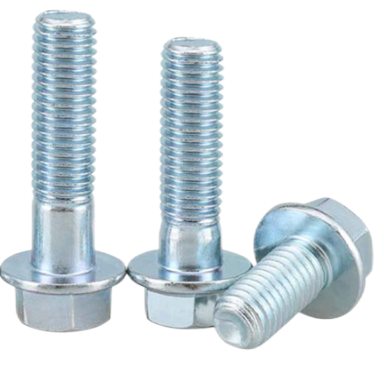
Materials Utilized in Flange Bolts
Flange bolts are crafted from an array of materials, each boasting distinct properties and advantages:
Steel: Renowned for its strength and cost-effectiveness, steel is a popular choice for flange bolts, offering reliability across many applications.
Stainless Steel: With exceptional corrosion resistance, stainless steel flange bolts excel in harsh environments, maintaining both strength and appearance over time. Grades like 304 and 316 cater to various corrosion challenges.
Alloy Steel: Alloy steel flange bolts elevate strength and durability, often heat-treated to meet stringent requirements in high-stress applications.
Titanium: Titanium flange bolts boast an unparalleled strength-to-weight ratio, ideal for aerospace and other industries requiring lightweight yet robust fasteners.
Brass: Primarily valued for electrical conductivity, brass flange bolts find their niche in electrical and electronic equipment, offering moderate strength alongside conductivity.

Lifetime and Durability of Flange Bolts
Several factors influence the longevity and durability of flange bolts, including:
Material Strength and Fatigue Resistance: Proper material selection ensures bolts can withstand cyclic loading without failure.
Corrosion Protection Measures: Coatings and platings like zinc plating, galvanizing, and organic coatings enhance corrosion resistance, critical for longevity.
Proper Installation and Torquing: Correct installation practices, including precise torque application, are vital to prevent loosening and maintain connection integrity.
Maintenance and Inspection Practices: Regular inspection helps identify wear, damage, or loose connections, ensuring timely replacements to uphold system integrity.
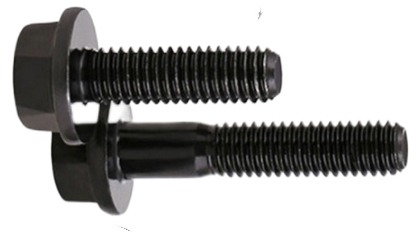
Corrosion Protection for Flange Bolts
Corrosion resistance is paramount for flange bolts, especially in corrosive environments:
Importance of Corrosion Resistance: Corrosion weakens bolts and compromises structural integrity, necessitating effective protection measures.
Coating and Plating Options: Zinc plating, galvanizing, organic coatings, electroless nickel plating, and specialized coatings offer varied levels of corrosion protection.
Stainless Steel as a Corrosion-Resistant Material: Stainless steel, available in grades like 304 and 316, stands out for its inherent corrosion resistance, making it a top choice for flange bolts.
Conclusion
Flange bolts play a pivotal role in diverse industries, offering secure and reliable connections vital for operational success. Material selection, corrosion protection measures, and adherence to maintenance practices are key factors for flange bolts for flange bolts influencing their longevity and reliability. With proper consideration of materials, effective corrosion protection, and diligent maintenance, the durability and integrity of flange bolts can be ensured across a wide spectrum of applications.
In the ever-evolving global industrial landscape, combating component loosening and theft is paramount to ensure financial stability and safety integrity. Enter advanced anti-theft nuts, offering practical solutions to fortify mechanical connections. This article delves into the diverse array of anti-theft nuts, elucidating their types, operational principles, physical attributes, and the pivotal importance of their ethical application.

Overview of Anti-Theft Nut Types
Anti-theft nuts span a spectrum of designs tailored for specific applications. The spiral wedge anti-loss anti-theft nut, distinguished by its hexagonal shape, serves as a cornerstone component across multiple industries. Similarly, the twist-proof anti-theft nut, also hexagonal, delivers robust security measures. The roller needle anti-theft nut, with its hexagonal profile, provides heightened protection. Furthermore, the ball anti-theft nut, available in hexagonal and pentagonal shapes, offers versatility, including a unique twelve-point variant.
Working Principle of Anti-Theft Nuts
Operating on a straightforward yet efficient principle, anti-theft nuts ensure tightened security. Clockwise tightening prompts smooth rolling of the additional balls within the arc-shaped blind groove, causing automatic detachment of the nut's plastic liner. Conversely, counterclockwise loosening poses increasing challenges due to gradual radial dimension reduction. The trapped ball within the threads effectively prevents nut loosening. These user-friendly and secure features characterize anti-theft nuts, earning them widespread recognition.
Physical Characteristics of Anti-Theft Nuts
Predominantly hexagonal in shape across all types, anti-theft nuts boast compatibility with standard fasteners. From the spiral wedge anti-loss and twist-proof variants to the roller needle and ball designs, this shape remains consistent. Additionally, these nuts undergo a one-time cold-forming process during manufacturing, eliminating the need for further machining. Surface treatments such as hot-dip galvanizing further enhance durability and corrosion resistance.

Security and Responsible Usage of Anti-Theft Nuts
While anti-theft nuts offer heightened security, addressing potential misuse risks is imperative. Unethical individuals may attempt theft and engage in illegal selling practices, warranting strict legal repercussions. Responsible usage entails ethical application, contributing to a culture of trust within the industry and ensuring security effectiveness. Upholding ethical standards not only mitigates risks but also fosters a safer working environment.
Conclusion
Anti-theft nuts stand as indispensable assets in the global fight against component loosening and theft. With their diverse nut types catering to varied needs, businesses can fortify their security infrastructure effectively. Understanding the operational principles and physical attributes empowers informed decision-making and ensures optimal utilization. By embracing anti-theft nuts responsibly, individuals pave the way for a secure and prosperous industrial future, safeguarding assets and fostering trust within the community.
Pop rivets, also known as blind rivets, stand as versatile fasteners widely employed across various industries for their ease of installation and dependable performance in joining diverse materials. Understanding the applications and characteristics of different types of pop rivets is imperative for selecting the optimal fastening solution tailored to specific needs.

Applications and Types of Pop Rivets
Dome Head Rivets: These rivets boast a rounded, domed head, offering a tidy and polished appearance. Ideal for joining metal, plastic, or composite materials in applications such as automotive, construction, and fabrication projects.
Countersunk Head Rivets: Featuring a flat head that sits flush with the material surface upon installation, these rivets are favored in sheet metal applications where a seamless finish is essential. Commonly utilized in automotive body panels, aircraft panels, and interior design elements.
Large Flange Rivets: Characterized by a larger flange or head diameter, these rivets offer an increased load-bearing surface area, enhancing grip range and pull-through resistance. Widely deployed in structural steel, heavy machinery, and equipment assembly.
Multi-Grip Rivets: Tailored to accommodate a range of material thicknesses, these rivets feature multiple grooves along the rivet body, effectively gripping varying thicknesses. Ideal for applications such as HVAC systems, enclosures, and appliances where material thicknesses may vary.
Peel Rivets: Designed for single-sided joint access, these rivets feature a mandrel that splits into several legs upon pulling, creating a wide grip on the material. Frequently utilized in assembly of plastic components, electrical enclosures, and signage.
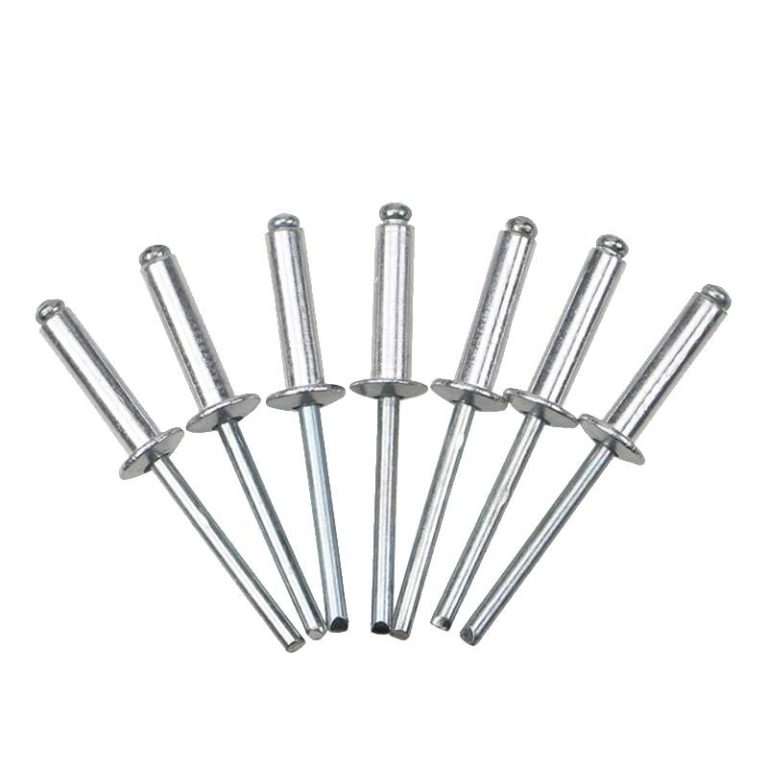
How Pop Rivets Can Be Used to Join Different Materials
Joining Metal: Drill holes through the metal pieces to be joined, insert the rivet from one side, place the rivet body against the surface, and use a rivet tool to pull the mandrel through, creating a secure joint.
Joining Plastic: Use plastic-friendly pop rivets with larger flanges or broader load-bearing surfaces to distribute the load evenly. Employ lower installation forces or slower pull speeds to minimize stress on the plastic.
Joining Composite Materials: Drill holes through the composite layers, insert the rivets, and install as with metal. Take care to prevent delamination or splintering by using appropriate drill bits and following guidelines of the pop rivet manufacturer.
Conclusion
In summary, pop rivets offer a versatile and reliable solution for joining different materials across various industries. Understanding the diverse types of pop rivets available, their applications, and the proper installation techniques is essential for achieving secure and dependable joints. For optimal results, always choose a reputable rivet manufacturer and adhere to recommended guidelines during installation.