
CNC (Computer Numerical Control) machining has transformed the manufacturing industry by automating precision machining processes. To achieve optimal results in CNC machining, operators must adhere to specific procedures and precautions. This article will explore key types of CNC machining processes and discuss the essential steps and considerations for each.

1. Drilling in CNC Machining
Drilling is a fundamental CNC machining process used to create holes in workpieces. To ensure precise drilling, the following steps should be followed:
Preliminary Center Drilling
Use a center drill to establish an accurate starting point for the hole, ensuring proper alignment and positioning.
Drill with a Slightly Smaller Bit
Use a drill bit slightly smaller than the specified size to prevent deviations and allow for a more precise hole.
Precise Drilling
Perform the drilling operation with the appropriate drill bit, ensuring a smooth and accurate hole.
2. Reaming in CNC Machining
Reaming is employed to refine and improve the accuracy of drilled holes. The following steps should be observed:
Center Drilling
Begin by center drilling the workpiece to establish an accurate starting point for subsequent operations.
Drill with a Smaller Bit
Create a precursor hole using a drill bit slightly smaller than the specified size.
Reaming the Hole
Use a reamer to precisely enlarge and refine the hole to the desired size, keeping the spindle speed within the range of 70-180 rpm for optimal results.
3. Boring in CNC Machining
Boring is a machining operation that enlarges existing holes to achieve precise dimensions. Follow these steps for effective boring:
Center Drilling
Establish accurate positioning by center drilling the workpiece.
Drill with a Smaller Bit
Create a starting hole for the boring operation with a slightly smaller drill bit.
Rough Boring
Use a coarse boring cutter or milling cutter to remove excess material, leaving a small margin for finishing.
Finishing
Complete the boring process with a pre-adjusted precision boring cutter, ensuring that the finishing allowance is no less than 0.1mm for the desired accuracy.

4. Direct Numerical Control (DNC) Operation in CNC Machining
DNC operation allows for seamless communication between the computer and the CNC machine. Follow these steps for successful DNC machining:
Workpiece Clamping and Zero Position Setting
Securely clamp the workpiece and establish the zero position for the CNC machine to ensure accurate positioning and alignment.
Parameter Setup and Program Loading
Enter the necessary parameters and load the machining program file into the computer, double-checking for accuracy and compatibility.
Initiating DNC Mode
Switch the CNC machine to DNC mode using the machine controller to enable program instructions from the computer.
DNC Transmission
Initiate the DNC transmission on the computer and the CNC machine, ensuring seamless data transfer.
Monitoring and Execution
Observe the CNC machine as it executes the programmed instructions, ensuring smooth and accurate operation.

Conclusion
CNC machining encompasses various processes that require precision, attention to detail, and adherence to specific steps. By understanding the key steps involved in drilling, reaming, boring, and DNC operations, operators can ensure successful CNC parts processing.
Operators need to stay vigilant, promptly address abnormalities, and conduct thorough inspections to maintain the safety of the operation and the quality of the final products. Proper training, attention to detail, and optimizing machining parameters enable CNC operators to achieve superior results and contribute to efficient, high-quality manufacturing processes.
By harnessing the power of CNC machining, industries can enjoy increased productivity, improved accuracy, and reduced production times. As technology advances, CNC operators must stay up-to-date with the latest developments and continually refine their skills to meet the demands of a rapidly evolving manufacturing landscape. With a strong foundation in CNC machining processes, operators can unlock the full potential of this remarkable technology and drive innovation in the manufacturing industry.
CNC machining, an integral part of modern manufacturing, employs computerized controls to operate cutting and shaping machinery. Vital across diverse industries such as aerospace, automotive, and medical devices, CNC cutting machines deliver intricate and precise parts. This article explores the CNC machining parts manufacturing process, highlighting its phases and the precision it offers.
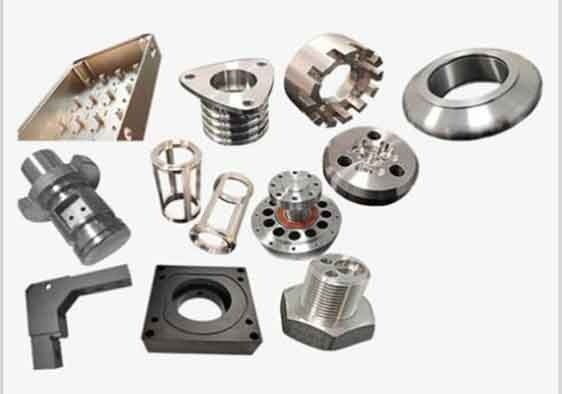
Design and Programming Phase:
The journey of CNC machining parts begins with design and programming. This phase entails creating CAD models and CNC programs to guide the cutting machines. Crucial decisions on materials and machining operations influence process efficiency and final product quality. CNC programming defines tool paths and cutting parameters, with verification and optimization using simulation software ensuring accuracy and efficiency.
Setup and Machining Phase:
Following program creation and verification, the setup and machining phase commences. Here, the workpiece is installed in the CNC cutting machine, and appropriate cutting tools are selected and calibrated. The machine executes the CNC program with exceptional precision, monitoring operations and adjusting parameters to maintain quality and efficiency.
Inspection, Quality Control, and Finishing Phase:
Post-machining, parts undergo inspection using precision measuring tools, ensuring adherence to CAD model specifications. Quality control procedures identify defects, if any, and ensure parts meet required standards. The finishing phase involves deburring, surface finishing, final inspection, and packaging. Deburring removes rough edges, while surface finishing enhances aesthetics and durability. Final inspection guarantees parts meet specifications and are defect-free.

The Power of Precision:
The manufacturing of CNC machining parts offers numerous advantages. Its high accuracy, repeatability, and fast production cater to high-volume runs. The technology excels in complex cutting operations, vital for industries like aerospace, automotive, and medical devices, requiring intricate and precise components.
Conclusion:
In conclusion, CNC machining parts manufacturing stands as a highly precise and efficient method. With its ability to produce complex and precise parts across various industries, it surpasses traditional machining processes. As CNC machining technology advances further, we anticipate even greater precision and efficiency, solidifying its role as a cornerstone in modern manufacturing.
CNC marine parts constitute crucial components in the fabrication of marine vessels, encompassing boats, ships, and various watercraft. Leveraging CNC machining, these parts are meticulously crafted according to pre-programmed instructions to achieve precise shapes and dimensions.
Diverse Types of CNC Marine Parts:
Propellers: Customized propellers, vital for propelling boats, are meticulously crafted using CNC machining, ensuring optimal performance tailored to the vessel's specifications.
Hulls: CNC machining facilitates the creation of intricate hull designs, optimizing hydrodynamics and enhancing vessel performance.
Deck Fittings: Components like cleats and bollards, affixed to the deck, are precision-engineered through CNC machining to withstand marine conditions.
Rudder Assemblies: Steering mechanisms, including rudder blades, are crafted with CNC machining for enhanced maneuverability.
Engine Components: Various engine parts, such as cylinder heads and pistons, are CNC machined to withstand marine environments and optimize performance.
Advantages of CNC Marine Parts:
Precision and Accuracy: CNC machining ensures parts adhere to exact specifications, enhancing vessel performance and minimizing equipment failure risks.
Durability and Reliability: Crafted from robust materials like stainless steel and aluminum alloys, CNC marine parts endure harsh marine conditions, ensuring longevity and reliability.
Efficiency and Performance: Optimized designs through CNC machining improve vessel efficiency, reducing fuel consumption and enhancing overall performance.
Safety: CNC machined parts contribute to vessel safety by minimizing the likelihood of component failure, thereby reducing accidents.
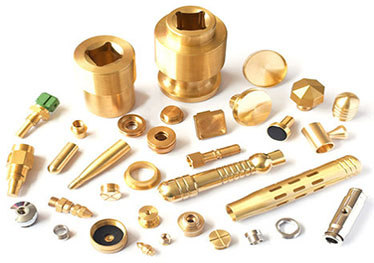
Common Materials for CNC Marine Parts:
Stainless Steel: Known for corrosion resistance and strength, ideal for critical components like propellers.
Aluminum Alloys: Lightweight and corrosion-resistant, commonly used in hulls and superstructures.
Bronze: Offers strength and corrosion resistance, suitable for propellers and rudder assemblies.
High-Density Plastics: Lightweight and corrosion-resistant, utilized for non-critical components such as fittings.
Titanium: Known for excellent corrosion resistance and strength, ideal for shafts and fasteners.
Carbon Fiber: Lightweight and strong, used in critical components like hulls for performance enhancement.
In conclusion, CNC machining revolutionizes marine vessel manufacturing, ensuring precision, durability, and performance. KENENG offers exceptional CNC machining services, providing the optimal solution for marine part fabrication. For further inquiries, please contact us.
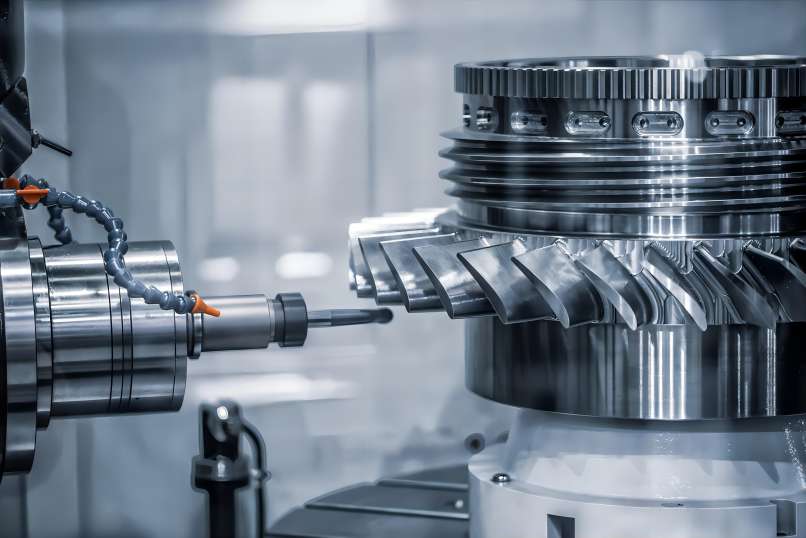
CNC machining, utilizing computer software pre-programmed to control the movement of tools and equipment, has become increasingly vital in modern manufacturing. Its rising prominence can be attributed to its efficiency, accuracy, and flexibility, which have revolutionized manufacturing processes. Here, we explore why CNC machining is gaining importance and the main processes involved in this innovative manufacturing technique.
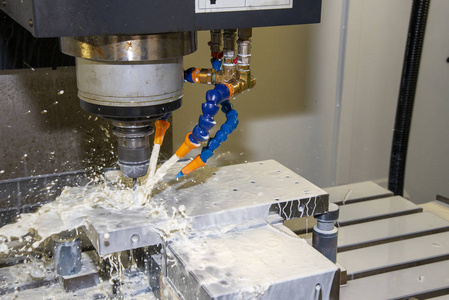
Why CNC Machining Is Essential?
CNC machining's popularity stems from its ability to produce complex parts with exceptional precision, consistency, and repeatability. This capability has transformed manufacturing processes, enabling the production of parts that were previously difficult or impossible to manufacture using traditional methods.
Main Processes of CNC Machining:
The CNC machining process typically involves several key stages:
Computer-Aided Design (CAD):
CAD software is used to create a 3D model of the part to be manufactured, serving as a blueprint for the machining process.
Computer-Aided Manufacturing (CAM):
CAM software translates the CAD model into machine instructions, generating a program that guides the CNC machine in cutting and shaping the material to create the desired parts.
Material Selection:
The choice of material depends on the application and desired properties of the finished part. Common materials include metals (e.g., aluminum, steel, titanium), plastics, and composites.
Cutting and Shaping:
Using tools such as drills, lathes, mills, and routers, the CNC machine cuts and shapes the material according to the instructions generated by the CAM software. This stage ensures precise cuts and shapes with high repeatability and accuracy.
Finishing:
After cutting and shaping, the part may undergo additional finishing processes such as sanding, polishing, or coating to achieve the desired surface finish and properties.
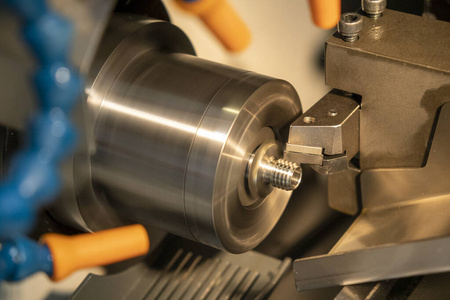
Applications of CNC Machining:
CNC machining finds widespread applications across various industries, including:
Aerospace: Producing aircraft and spacecraft components like engine parts, structural elements, and landing gear.
Automotive: Manufacturing vehicle parts such as engine components, transmission parts, and suspension components.
Medical Equipment: Fabricating parts for medical devices like prosthetics, implants, and surgical tools.
Electronics: Manufacturing components for electrical devices such as computer parts, smartphones, and circuit boards.
Industrial Machinery: Creating parts for heavy machinery, tools, and equipment used in manufacturing and construction.
Factors to Consider When Choosing a CNC Machining Service Provider:
When selecting a CNC machining service provider, several factors should be taken into account:
Quality Assurance Procedures: Ensure the provider has stringent quality control measures in place to meet required specifications and standards.
Customer Care: Look for excellent customer service, responsiveness, and the ability to resolve issues promptly.
Pricing and Timeliness: Compare pricing and turnaround times to find the best value without compromising quality.
Experience and Expertise: Choose a provider with extensive experience and expertise in your industry and specific requirements.
In Summary:
CNC machining offers high precision and consistency with minimal human intervention, making it indispensable across various industries. As technology continues to advance, CNC machining will continue to play a crucial role in driving innovation and efficiency in manufacturing processes.
CNC machining is a sophisticated process involving various machine tools, materials, cutting tools, and methods. Drawing from extensive experience in actual production processes, we share valuable tips for optimizing CNC machining tools. These insights cover determining cutter points, selecting tool paths, and choosing the right CNC machining tools for different applications.
Tip 1: Determining Cutter Points in CNC Machining Tools
Set the cutter point on the part to be processed, ensuring it is a reference position or a finished point.
Establish a relative cutter point position with a fixed dimension relationship to the positioning reference.
Selection Principles:
Easy to find
Easy programming
Small cutter point error
Convenient inspection during processing
Set the origin position of the workpiece coordinate system based on the cutter point after clamping, ensuring consistency with the programming coordinate system.
Tip 2: Selecting Tool Paths in CNC Machining Tools
Consider the machining accuracy requirements of parts when determining the tool path.
Seek the shortest processing path to reduce empty tool time and improve efficiency.
Reduce the number of program segments.
Ensure continuous processing of the final contour using the last tool to maintain workpiece contour surface roughness.
Carefully consider the forward and backward path of the tool to minimize tool marks and avoid scratching the workpiece during vertical cutting.
Tip 3: Choosing CNC Machining Tools
Select a non-regrinding carbide end milling cutter for plane milling.
Use end milling cutters for rough milling and continuous cutting along the workpiece surface.
Utilize ball cutters and round cutters for curved surfaces and variable bevel profiles.
Adjust cutting parameters (cutting depth, spindle speed, and feed speed) based on the general principle of less cutting and fast feeding.
Conclusion:
These tips, derived from years of CNC machining and surface finishing experience, aim to enhance the efficiency and precision of the process. At KENENG, we specialize in high-precision metal shell and precision hardware CNC cutting, offering a range of CNC processing services, including milling, turning, drilling, threading, tapping, EDM, wire EDM, custom finishing, prototyping, small batch production, and modification of existing parts. Our commitment to quality includes the use of high-precision measurement tools and advanced video equipment for inspections, ensuring only qualified products reach our customers. Choose KENENG for reliable CNC machining services and products tailored to your needs.