
Gas chromatographs find extensive applications in various industries, including petroleum, chemical, biochemistry, medicine and health, food, and environmental protection. They are instrumental in both quantitative and qualitative analysis, as well as determining physical and chemical constants of samples in the stationary phase, such as distribution coefficient, activity coefficient, molecular weight, and specific surface area. Essentially, a gas chromatograph is a device used for the analysis and detection of components in a mixed gas.
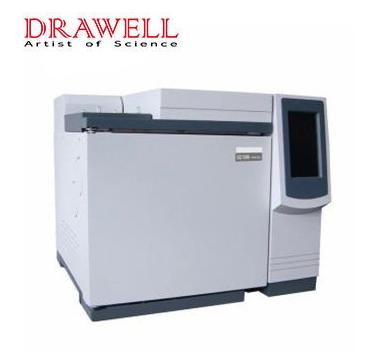
Adhere to the gas chromatograph manual guidelines
Upon receiving the instrument, it is crucial to ensure that all parts are present and accounted for, and that the instrument manual is complete. It is essential to maintain these materials properly. Before operating the instrument independently, it is imperative to thoroughly read and understand the relevant instructions, and strictly follow the prescribed regulations. This serves as a prerequisite for obtaining accurate and reliable analytical results. In the event of any issues with the instrument, it is advisable to consult with the gas chromatograph manufacturer for assistance.
Establish a standard for column testing
The performance of the chromatographic column is pivotal in guaranteeing precise analytical results. For newly acquired chromatographic columns, it is recommended to evaluate their performance using test samples. If the results are unsatisfactory despite following the test conditions provided by the column manufacturer, it is possible to request a return or exchange. Furthermore, column performance may change over time with repeated use. When doubts arise about the accuracy of analytical results, conducting a column test using a standard sample and comparing the results with previous tests can help identify whether the column is the source of the problem. This facilitates appropriate troubleshooting measures.
Utilize carrier gas of the required purity
To prevent interference with the analysis and contamination of the chromatographic column or detector, it is essential to use carrier gas of high purity grade. It is important to recognize that the cost of a chromatographic column is over 20 times greater than that of a bottle of high-purity nitrogen or hydrogen. Attempting to save costs by employing ordinary gas as a carrier gas may lead to greater losses. Ideally, the auxiliary gas used in the detector should also be of high-purity grade. While common gases can be used when sensitivity is not critical, it is important to consider the risk of detector contamination. Promptly replace column seals when necessary.
Timely replacement of graphite gaskets
Leakage of graphite gaskets is a common issue with gas chromatographs. It is crucial not to reuse the same gasket on different columns. Even when removing and reinstalling the same column, it is recommended to replace the gasket with a new one to ensure optimal efficiency. If a gas leak is detected after column installation and the sealing gasket is replaced, it may consume additional time. Even if the old gasket appears usable, it should be tightened slightly more than the original. Failure to do so may result in damage to the capillary column.
Regularly replace gas purifier packing
While the performance of color-changing silica gel can be assessed based on color changes, purifiers like molecular sieves that adsorb organic matter are not easily judged with the naked eye. Therefore, regular replacement is necessary, preferably every three months. When replacing silica gel, if molecular sieves are installed together, they should be replaced simultaneously.
Periodic replacement of injection liners
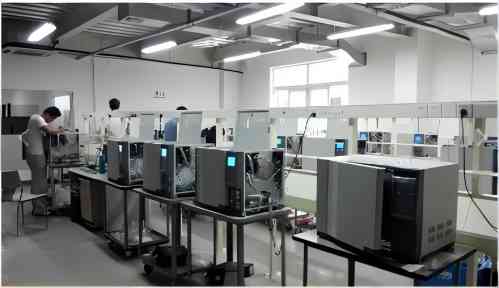
A leaking inlet gasket is a common issue in gas chromatographs. Moreover, the aging degradation of the gasket can interfere with the analysis process, potentially leading to the presence of ghost peaks caused by debris falling into the vaporization chamber. The frequency of liner replacement depends on the nature of the sample being analyzed and the analysis conditions. Typically, routine laboratories replace the injection liner once per day. In any case, a single liner should not be used continuously formore than a week.
Replace parts individually
When conducting repairs on a gas chromatograph, it is important not to replace multiple parts simultaneously, as this can complicate the identification of the root cause of the failure. It is recommended to replace one component at a time, conduct testing, and then proceed to replace the next part if necessary. This approach simplifies the process of accurately determining the cause of the failure, while also minimizing unnecessary expenses.
High-performance liquid chromatography (HPLC) is a rapid and efficient analytical separation technique that serves as a vital tool in modern separation testing. It offers a wide range of applications and is highly adaptable to various sample types. Unlike gas chromatography, HPLC is not restricted by the volatility and thermal stability of the compounds being analyzed. It can effectively analyze and determine nearly all compounds, including those with high boiling points, polarity, ionic properties, and even macromolecular substances. In this article, we will explore the distinctive features and frequently asked questions (FAQs) about high-performance liquid chromatography.
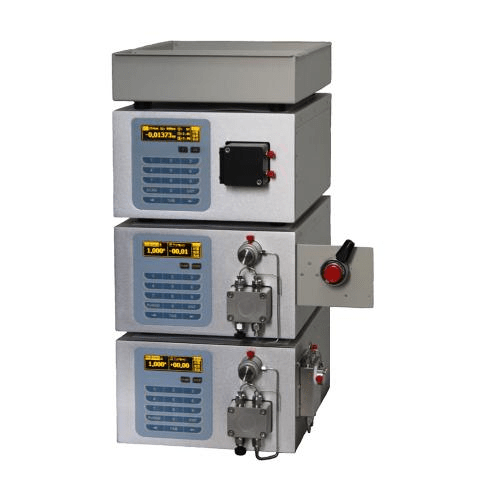
Features of High-Performance Liquid Chromatography:
High Pressure:
HPLC operates with liquid as the mobile phase, which encounters significant resistance while passing through the chromatographic column. To ensure swift passage through the column, high pressure is applied to the carrier liquid.
High Efficiency:
HPLC excels in separation efficiency. The selection of optimal stationary and mobile phases enables achievement of separation efficiencies many times greater than those of industrial distillation columns and gas chromatography.
High Sensitivity:
HPLC, equipped with a UV detector, can detect minute quantities as low as 0.01ng, with injection volumes typically in the order of μL.
Wide Range of Applications:
Over 70% of organic compounds can be analyzed using HPLC, making it particularly useful for the separation and analysis of compounds with high boiling points, macromolecules, strong polarity, and poor thermal stability. These are the distinct advantages of HPLC.
Fast Analysis Speed and Liquid Flow Rate:
HPLC is significantly faster than traditional liquid chromatography, typically requiring 15 to 30 minutes for sample analysis. Some samples can even be completed within 5 minutes, generally taking less than an hour.
In addition to the aforementioned features, high-performance liquid chromatography HPLC offers the advantages of reusable chromatographic columns, non-destructive sample analysis, and easy sample recovery. However, it is worth noting that HPLC has a drawback known as the "extra-column effect." Any changes in the flow pattern of the mobile phase in components other than the column (such as the injector, column connector, connecting tube, detection cell, etc.) from the injection to the detector can lead to significant peak broadening and reduced column efficiency. Moreover, HPLC detectors are generally less sensitive compared to gas chromatography.
Frequently Asked Questions about High-Performance Liquid Chromatography:
Here, we address five common issues related to HPLC machines.
Eddy Diffusion:
Eddy diffusion occurs when the mobile phase encounters larger solid particles, similar to water hitting stones and creating a vortex-like flow. If the column packing is uneven or contains fine grooves, areas with faster and slower flow rates may result. Therefore, it is crucial to use small and uniform solid-phase particles for column packing to minimize eddy diffusion and maximize column efficiency.
Molecular Diffusion:
Molecular diffusion refers to the movement of material molecules from areas of high concentration to low concentration, also known as longitudinal molecular diffusion. To minimize molecular diffusion, the column should be packed with small and uniform solid-phase particles. Additionally, during operation, maintaining an appropriate flow rate is essential to prevent prolonged exposure of separated substances, which can lead to significant diffusion.
Mass Transfer:
To achieve effective separation, the substances to be separated must reach equilibrium between the mobile and stationary phases, forming a narrow zone. In liquid chromatography, solute molecules require time to partition between the two liquid phases or to adsorb and desorb on the solid phase. When the flow rate is high, the mass transfer becomes slow, causing the substances to move forward before reaching the equilibrium dynamic phase. This non-equilibrium movement widens the separation zone.
Flow Rate of the Mobile Phase:
Low flow rates can result in severe molecular diffusion, especially in gas chromatography. The theoretical plate height decreases rapidly with an increase in the flow rate until it reaches its lowest value. After that, mass transfer becomes the dominant factor, leading to an increase in the theoretical plate height. In high-performance liquid chromatography, a slightly higher flow rate has minimal impact. However, in gel filtration chromatography, where substances must penetrate the gel, mass transfer significantly affects column efficiency, necessitating a reduced flow rate.
Particle Size of the Stationary Phase:
Smaller stationary phase particles contribute to higher column efficiency, but they also increase resistance to the flow of the mobile phase, requiring increased pressure to maintain adequate flow.
Gas chromatograph and mass spectrometry is commonly utilized in the separation and identification of complex components due to its high resolution and sensitivity. The chromatographic, gas interface, mass spectrometer part (ion source, mass analyzer, detector), and data processing system are the key components of GCMS.
Gas-mass spectrometry (GCMS) is commonly employed in the separation and identification of complex components because of its high resolution and sensitivity. Without the need for sample preparation, GCMS can instantly determine the molecular weight of synthesized molecules.

Composition and fundamental concepts of gas-mass spectrometry (GC/MS)
In mass spectrometry, molecules of matter create charged particles by physical or chemical interactions in a high vacuum, and some of the charged particles can be further broken up. The mass-to-charge ratio (m/z, formerly m/e) of each ion is referred to as the mass-to-charge ratio (m/z). After the ions with different mass-to-charge ratios are separated one by one by the mass separator, the detector measures the mass-to-charge ratio and relative intensity of each ion, and the resulting spectrum is known as a mass spectrum.
Mass spectrometry is an analytical method that ionizes analytes, then separates them based on the ions' mass-to-charge ratio, and achieves the goal of analysis by measuring the peak intensity of the ions. Under certain conditions, macromolecular organic matter follows a certain pyrolysis law, which means that a specific sample can produce specific pyrolysis products and product distribution, and high-performance gas chromatography is used to analyze and identify the pyrolysis products. Original sample, according to this categorization.
The polymer sample is placed in a cracker and rapidly pyrolyzed at high temperature under highly controlled operating conditions to yield volatile tiny molecular products, which are then delivered to a gas chromatograph for separation and analysis. Because the composition and relative amount of broken fragments are directly related to the structure of the polymer to be examined, each polymer's cracking chromatogram has its own features; thus, the cracking chromatogram is also known as the thermal cracking fingerprint chromatogram.
Advantages of GCMS
The high separation efficiency of GCMS
Most pyrolysis gas chromatographs employ capillary chromatographic columns, which are capable of effectively separating complicated pyrolysis products, particularly tiny changes in macromolecular organic molecules and trace components in polymer materials. Reflect fragmentation chromatograms sensitively to locate related features.
High sensitivity
A hydrogen flame ionization detector with high sensitivity is commonly used in pyrolysis gas chromatography (GCMS).
Small sample size
The sample size is typically in the range of micrograms to milligrams, which is extremely useful for detecting just trace materials.
Rapid analysis time
The typical analysis time is 30 minutes.
When the cleavage product is complex, one analysis can take 1 to 2 hours.
A considerable number of information can be obtained
From qualitative and quantitative analysis, as well as the relationship between cracking circumstances and cracking products, the association between sample structure and cracking products, cracking mechanism, and reaction kinetics.
Numerous applications
GCMS can be used on any type of sample that does not require pretreatment. Viscous liquids, powders, fibers, elastomers, and other materials, as well as cured resins, coatings, and vulcanizates, can be directly injected for analysis.
Easy to promote
The pyrolysis injector has a basic structure and can be used for separation and analysis in conjunction with a gas chromatograph.
Can be linked to a variety of spectroscopic instruments
Any spectroscopic equipment that can be linked to a gas chromatograph can also be linked to pyrolysis gas chromatography.

Application of GCMS
It is appropriate for the separation and analysis of chemicals with a high molecular weight, a complicated structure, as well as challenging volatile and insoluble substances. The flash evaporation technique in pharmaceutical analysis can be used to assess the volatile components in Chinese herbal remedies.
The term "flash evaporation" refers to the fast heating of a sample at a lower temperature (lower than the sample's pyrolysis temperature) before cracking it to evaporate the volatile components in order to get a chromatogram. After that, the sample is broken at high temperatures to produce a cracked chromatogram. Important information about volatile components in the sample can be gained in this manner, which is highly useful in qualitative identification of the sample. Polymer identification by pyrolysis-gas chromatography is accomplished by comparing the programs of unknown and standard samples, a process known as "fingerprint" identification. Fingerprints of standard samples can be maintained in a computer database or obtained during identification by doing parallel experiments with unknown samples. The spectra being compared must be obtained under the same experimental conditions, regardless of method. Although the fingerprint identification approach is simple and easy to use, it is not exact, and it can be difficult to appropriately identify some polymers with comparable structures.
Polymer identification can also be accomplished via multidimensional pyrolysis gas chromatography. The cleavage products with the set retention time window on the methyl silicone column are moved to the PEG-20M column for analysis, and the properties of olefin polymers and nylons can be acquired using a methyl silicone and PEG-20M double capillary column system.
There is also an internal standard identification approach, which involves cracking an unknown sample with polystyrene as a reference polymer, determining the retention time of the sample product relative to styrene, and comparing it to the comparable result of the standard sample.Finally, gas chromatograph and mass spectrometry (GCMS)) is a highly successful approach for identifying polymers. The fingerprint identification method is simple and practical. The approach of identifying characteristic peaks is superior, however structural identification of characteristic peaks is required. Jinjian Laboratory engineers feel that adopting the internal standard approach and recognizing the characteristic peaks can provide certain reliability while avoiding the requirement to define the structure of the characteristic product. The spectral library is a preferable option for comparison because it is convenient and quick.
High performance liquid chromatography (HPLC) is one of many test devices used in laboratories. The apparatus is based on classical chromatography, using gas chromatography theory, and technically converts the traditional mobile phase to high-pressure delivery. This article will explain the failure causes and treatment methods of high-performance liquid chromatography (HPLC), as well as its properties, working principle, applications.

How Does High Performance Liquid Chromatography Work?
The mobile phase enters the system by a high-pressure pump, the sample solution enters the mobile phase via a syringe, and the mobile phase is loaded into the chromatographic column (stationary phase) in HPLC chromatography. However, the moving speed of each component after repeated adsorption-desorption distribution in the two-phase sample solution is significantly varied due to the variable distribution coefficients of each component in the two-phase sample solution. It is broken down into a single component that exits the column. As the sample concentration passes through the detector, it is turned into an electrical signal that is supplied to the recorder, and the data is recorded as a graph.
Applications of High Performance Liquid Chromatography
High-performance liquid chromatography (HPLC) is an instrument that uses the principle of high-performance liquid chromatography to examine organic molecules that have high boiling temperatures, are non-volatile, are thermally unstable, and have large molecular weights. It is made up of the liquid storage tank, the pump, the injector, the chromatographic column, the detector, the recorder, and other components. Life sciences, food sciences, pharmaceutical research, and environmental research all make extensive use of HPLC.
1.It can be used to analyze cyclic aromatic hydrocarbons (PAHs), pesticide residues, and other environmental contaminants.
2.It may be used for food nutrition analysis, food additive analysis, food contaminant analysis, and so on.
3.Purification, separation, and determination of molecular weight compounds can be examined at the molecular level in life science, genetic engineering, clinical chemistry, molecular biology, and biochemistry.
4.Application in the medical examination: metabolite analysis and determination in body fluids, pharmacokinetics, clinical medication monitoring, and so forth.
5.Inorganic analysis: examination of anions and cations, for example.

Common Faults and Treatment Methods of High Performance Liquid Chromatography
Fault 1: There are bubbles in the mobile phase; turn off the pump, open the exhaust valve, press the cleaning button, and open the vent; the bubbles continue to emerge from the filter and enter the mobile phase, regardless of how many times the cleaning button is turned on; it cannot be cleared continuously. produced air bubbles.
The cause and how to deal with it: The filter has been drenched in water for an extended period of time, and as a result of mold growth and spread in the filter head, the filter has become clogged by the production of bacteria.The buffer has a tough time passing smoothly through the filter head, and the air flows through the filter under pump pressure and enters the mobile phase.
The filter head was immersed in 5% nitric acid solution for 15 minutes before being ultrasonically cleaned. The filter head can also be soaked in 5% nitric acid solution for 12 hours, shaken gently for 36 hours, rinsed several times with pure water, open the exhaust valve, open the purification key, and remove the gas from the filter tank; if there is still gas in the filter bubbles, soak the filter in 5% nitric acid solution for another 12 hours.
If no bubbles continue to occur in the filter, it implies that the mold in the filter can be killed by nitric acid, and the mobile phase may pass smoothly through the filter. Open the exhaust valve, adjust the pump flow to 1.0 30 mL/min, and rinse 1 The filtrate can be cleaned after about an hour. Close the pressure-reducing valve and flush for 30 minutes with pure methanol.
Fault 2: excessive column pressure
The reason behind this and how to deal with it:
(1) In the column, buffer salts such as ammonium acetate, etc. are deposited;
(2) Deposition of sample contamination
Fault 3: There is no indication of pressure or liquid flow.
The reason behind this and how to deal with it:
The pump sealing gasket has worn; a substantial volume of gas has entered the pump body: handle the first situation by replacing the sealing gasket.
In the second situation, utilize a 50 mL glass syringe at the pump output without assisting in air extraction while the pump is turned on.
Fault 4: The pressure varies dramatically and the flow is unsteady.
The reason for the failure and the technique of treatment: There is a foreign body between the gem ball and the air seat or one-way valve, preventing the two from being sealed together.
Pay attention to the amount of mobile phase produced while working, ensure that the stainless steel filter sinks to the bottom of the liquid storage bottle, avoid inhaling air, and deflate completely when moving. If there is foreign matter between the check valve and the valve seat, for example, remove the check valve and replace it. Ultrasonically clean it in an acetone-filled beaker.
The information presented above is a DRAWELL overview of the high-performance liquid chromatography (HPLC) principle, application, characteristics, failure reasons, and treatment procedures. I hope you found this essay useful.
Many issues can arise when using high-performance liquid chromatography. If the operator understands the root reason of the failure, it can be avoided and eradicated, and the instrument can be used to its full potential.
Of course, if you're wondering where to acquire an excellent HPLC, I recommend DRAWELL's HPLC. As China's leading provider of high-performance liquid chromatography, DRAWELL offers superior HPLC detection capabilities as well as a very competitive HPLC price advantage, making DRAWELL's chromatography the first option for many laboratories worldwide.
Ion chromatography is a sort of high-performance liquid chromatography (HPLC), which is a way of analyzing anions and cations using liquid chromatography. Like HPLC, IC takes advantage of ion pairs' inherent affinity for the "eluent" (typically buffered water) and the "stationary phase" (porous solid substrate with charged functional groups).
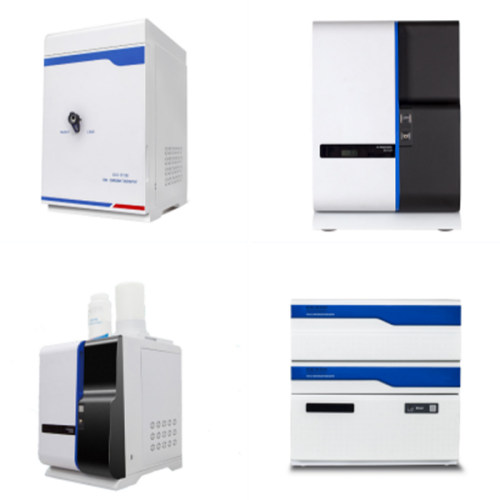
Ion chromatography is a chromatographic technology in which a conductivity detector is used to continually measure the conductance change of the effluent and an ion exchange resin with low exchange capacity is employed as a fixed relative ionic material to separate. "Principle and Application of Ion Chromatography" defines ion chromatography as a liquid chromatography method that separates and detects the tested item based on its ionicity.
A pump is essentially employed to generate a constant flow of solvent into which the dissolved sample is injected. The analytical column will be passed through after the sample enters the solvent stream. The ions in the sample mixture are separated based on their affinity for the column. After the sample's components have been separated, they are passed through a conductivity detector. The detector response and "retention time" of the target ion (the time it takes for a chemical to move from the injector to the detector) are then compared to the reference material. Organic and inorganic ions.
Applications of Ion Chromatography
Inorganic Anion Detection
Fluorine, chlorine, bromine, and other halogen anions, sulfate, thiosulfate, cyanide, and other anions in aqueous samples are the earliest and most mature ion chromatography detection methods, and can be widely utilized in drinking water. Water quality testing, beer, beverage, and other food safety testing, wastewater discharge compliance testing, metallurgical process water samples, oil industry samples, and quality control of other industrial products are also available. Ion chromatography is frequently utilized in essential process control departments such as halogen-free analysis, especially as the residues of halogen ions in the electronics industry become increasingly restricted.
Detection of inorganic cations
The detection of inorganic cations is similar to the detection of anions, the difference is that a sulfonic acid-based cation exchange column is used, such as Metrosep C1, C2-150, etc. The commonly used eluent system such as the tartaric acid/lutidine system can be Effectively analyzed Li, Na, NH4+, K, Ca, Mg plasma in aqueous samples.
Analyses of Organic Anions and Cations
With the advancement of ion chromatography technology, new analytical equipment and separation methodologies for analyzing certain complexions in biological materials have appeared and steadily developed. Among the most mature applications are:
1) Biogenic amine detection
Metrosep C1 separation column; 2.5mM nitric acid/10% acetone eluent; 3 L injection, which can efficiently analyze putrescine, histamine, and other components and has become an important detection method for criminal investigation systems and forensics.
2) Organic acid detection
Metrosep Organic Acids Separation Column, MSM Suppressor; 0.5 mM H2SO4 as eluent for successful analysis of lactic acid, formic acid, acetic acid, propionic acid, butyric acid, isobutyric acid, valeric acid, isovaleric acid, malic acid, citric acid, and acetic acid It is a simple and efficient separation method used in the microbial fermentation and food industries.
3) Carbohydrate breakdown
Several sugar analysis methods have been developed, including glucose, lactose, xylose, arabinose, sucrose, and others. It is especially common in the food business.
Advantages of Ion Chromatography
quick and convenient
The average analysis time for seven common anions (F-, Cl-, Br-, NO2-, NO3-, SO42-, PO43-) and six common cations (Li+, Na+, NH4+, K+, Mg2+, Ca2+) was less than 8 minutes. With a high-efficiency quick separation column, the 7 most essential common anions can be separated to the baseline in about 3 minutes.
heightened sensitivity
Ion chromatography analysis concentrations range from low g/L (1-10 g/L) to hundreds of mg/L. Direct injection (25L), conductivity detection with a detection limit of less than 10g/L for typical anions.
Analysis of numerous ionic chemicals at the same time
The fundamental advantage of IC over photometric and atomic absorption methods is that it can detect numerous components in the sample at the same time. In a fraction of the time, complete information on anions, cations, and sample composition is provided.
Separation column with large capacity and superior stability
In contrast to silica gel packings used in HPLC, the high pH stability of IC column packings allows the use of strong acids or bases as eluents, which is advantageous for broadening the spectrum of applications.
Ion chromatography is a very good detection method, and its selectivity is higher than that of other chromatographs. As a result, it is an excellent choice for laboratory testing equipment. Please contact us if you require ion chromatography like this to supplement your laboratory. NEON only does the best ion chromatography.