

Tungsten carbide rod, also called carbide round bar, is the preferred material for metal cutting tool manufacturing, widely used in the industries which has high requirements for wear-resistance, corrosion-resistance and high-temperature resistance. It has a lot of outstanding performance.
Tungsten carbide rod, as named as cemented carbide rod, is a high-hardness, high-strength and high-hardness material which has a major raw material of WC, with other metals and paste phases using powder metallurgical methods through low-pressure sintering.
Applications
Carbide rod is mainly suitable for drill, end mills and milling cutters, widely used for cutting, stamping and measuring tools, such as the micro-drill of the PCB industry, the electrode rod of the photoelectric communication, tungsten steel drill bit, drill handle, push rod, precision wear-resistance parts of the mechanical processing industry. It is the best material for the CNC milling cutter and machining cutter with hole.
carbide rod mainly is applied to the precision cutting of non-ferrous metals, YG6X and YG10X which are submicron grain grade, fiberglass reinforced plastic, titanium alloy, YG8X which is ultra-hard steel fine grain grade.
The Categories Of Tungsten Carbide Rod
Tungsten carbide rod with straight holes is available, including one, two, three holes, which has a spiral straight line with 30 degrees or 40 degrees or twisted. carbide rods also have a type of non-hole.
According to the structure, a tungsten carbide rod can be classified into a PCB tool, a solid tungsten carbide bar, a single straight-hole bar, double straight-hole bar, a two-spiral bar, three-spiral bar, and other types.
According to the molding process, carbide rods can be classified into two types of extrusion molding and compression molding. The difference is that the extrusion carbide rod and bars have a beautiful appearance, easy for grinding processing. The advantage of the molded bar is that the density is relatively uniform, but it is not conducive for grinding processing.
For a more professional introduction, please visit the article page of tungsten carbide rod as the preferred material for metal cutting tool
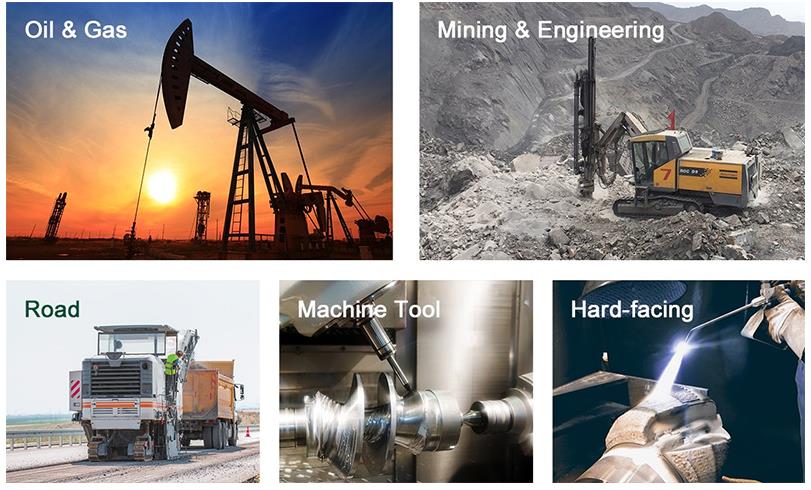
In most cases, cemented carbide products will have a good surface finish, allowing machining with super fast speed, much higher than high-speed steel and other tool steel, bearing higher temperature. Cemented carbide tool will have superior cutting performance with excellent wear resistance.
1. Cutting tool material
Cemented carbide adopted as the cutting tool material, is the widest application. Among the carbide tools, the tungsten cobalt carbide is suitable for the cutting of black metal, non-ferrous metals and processing of non-metallic materials, such as cast iron, cast brass, colloidal wood, etc. Cemented tungsten titanium cobalt is applied for steel and other black metals processing. In the same kind, there is more cobalt content, suitable for rough machining and less cobalt content is used for fine machining. Universal cemented carbide has a much longer service life than that of stainless steel which is difficult for processing.
2. Mould material
Cemented carbide is mainly used for cold wire drawing dies, cold punching dies, cold extrusion mode, cold heading dies and other cold stamping molds.
Under the wear-resistant working conditions which have a strong impact, the tungsten carbide cold heading mould is required to have a good impact toughness, fracture toughness, fatigue strength, bend intensity and excellent wear resistance. Usually, among grades of high cobalt and medium, crude granules, the YG15C is commonly adopted.
In general, the relationship between the carbide wear resistance and carbide toughness is contradictory. The increase in wear resistance will result in a decrease in toughness and the increase in toughness will inevitably lead to a decrease in wear resistance. Therefore, when choosing a cemented grade, it is necessary to meet specific usage requirements based on the processing objects and processing conditions.
If the selected grade is easy to occur early cracks, it is advisable to use a grade with high toughness. if the selected grades is easily damaged due to the early wear, it is appropriate to choose a grade with a higher hardness and better wear resistance. The following grades of YG15C, YG18C, YG20C, YL60, YG22C, YG25C have a gradual decrease in hardness and wear resistance and gradually improving toughness.
3. Measuring tools and wear parts
The cemented carbide is adopted in the wear surface inlay and parts of the measuring tools, precision bearing manufactured by grinding machine and the Cemented carbide wear parts such as guide bar, lathe center, valve seat.
Cemented carbide is a composite, the main components of which consists of the powder of refractory carbide like tungsten carbide, titanium carbide through the binder metal powder such as cobalt, nickel, etc. It is a cemented composite obtained through the powder metallurgical method. It is mainly used to make high-speed cutting tools for hard, tough materials, cold working dies, measuring tools, high resistant parts with high stability and free from vibration.
The hardness of the cemented carbide at normal temperature can reach HRA of 86 to 93, equivalent to HRC of 69 to 81. High hardness can be maintained at 900 to 1000 ° C with excellent wear resistance. Compared to high-speed steel, the cutting speed can be 4 to 7 times higher with 5 to 80 times longer life. The hard material of 50 HRC can be cut through carbide products.
In addition to the high hardness, wear-resistance cemented carbide has a series of high performance such as good toughness, heat resistance, high corrosion resistance, high elastic modulus, etc, which can be widely used as cutting tool materials, such as turning tool, milling cutter, planner tool, drill bit, etc., suitable for cutting cast iron, non-ferrous metals, plastic, chemical fiber, graphite, glass, stone, ordinary steel, heat-resistant steel, stainless steel, high manganese steel, tool steel and other much more difficult materials. Tungsten carbide wear parts, mechanical parts and carbide wire drawing dies have advantages of high resistance of high-temperature, friction, corrosion. In various industrial applications, tungsten carbide is an ideal choice for replacing steel.
Grades Of Cemented Carbide
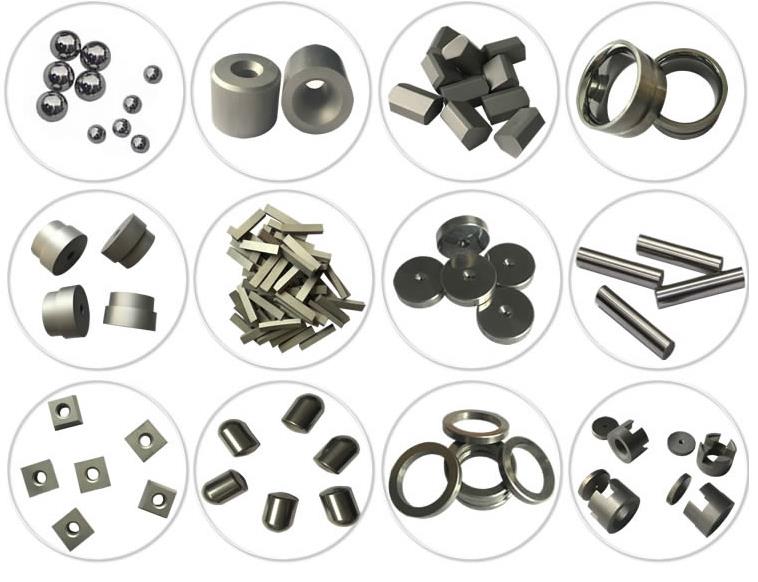
YG6, YG6X, YG8
Wear resistance, high strength, suitable for under ordinary stress conditions, manufacturing for cemented carbide ball. It can be used for forming tools, carbide nozzle, spool, valve seat, rotary burrs, seal ring, measuring tools, fixture, mechanical part accessories, etc.
YG11C, YG11
Excellent wear resistance, good impact resistance, used for high voltage nozzle, lining, bushing in the industries of oil, chemical, machinery.
YG15, YG15C
High strength and toughness, applied for under large stress, manufacturing for seal ring, different shaped structural parts, mechanical accessories and stamping dies.
Y20 YG20C
The type of tungsten carbide is suitable for standard parts, bearings, tools and cold heading, cold stamping mould.

For more information about cemented carbide, please visit the article page of comprehensive learning of cemented carbide.
Tungsten carbide plays an extremely important role in the machining process because it offers higher wear resistance than high-speed steel, which can withstand higher working temperatures and can be very well optimized to meet the requirements of various processes. It can meet high demands for the performance of cutting tools. According to the shapes of customized tungsten carbide cutting tools, the carbide cutting tools are classified into round blades, ring blades, long blades, arc blades, toothed blades, trapezoidal blades, wave blades, serrated blades, disc blades, and special-shaped blades, etc.
Advantages Of Tungsten Carbide Cutting Tools
1.Improved durability and wear-life, up to 600% better than standard steels.
2.Greater productivity and less downtime due to fewer blade changes.
3.Cleaner and more precise cuts due to reduced friction.
4.Reduction in start-up and end-of-line waste.
5.Better overall cutting performance in high heat and high-speed cutting environments.
Tungsten Carbide Rotary Burr
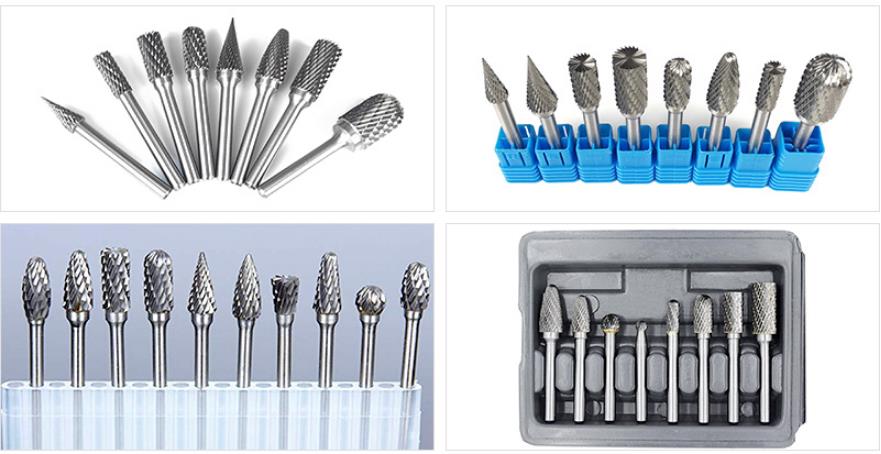
Tungsten carbide rotary burrs have been used widely in shipping construction, auto engine porting and foundry fabrication. With its high rotating speed and hardness, it can machine a lot of different materials, such as cast iron, carbon steel, alloy steel and nonferrous material. High-life service of product is warranted for virgin and excellent raw material which is one of most critical factors to the carbide burr's life.
Carbide rotary burrs can be applied with both electrically powered and pneumatically-powered hand-held tools to cut various types of materials including aluminum, brass, titanium alloys, cast iron, copper, etc. They can be widely used for pneumatic, electric drive tools.
Various Types Of Materials Can Be Cut With Tungsten Carbide Burrs
Aluminium
Brass
Titanium alloys
Cast Iron
Copper
Zinc alloys
Types of alloy steel
Bronze
Various plastics
Nickel
Stainless steel
Tungsten Carbide Brazed Tips
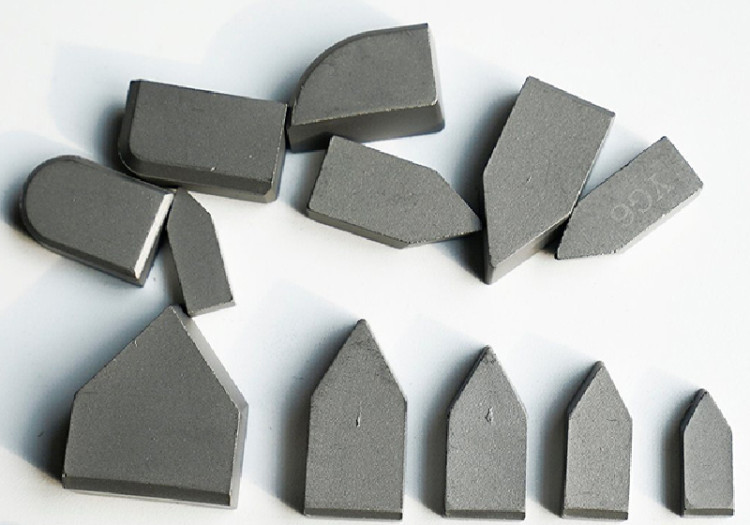
Tungsten carbide brazed tips can be used for drilling soft rock formations under F=8, hard and super hard coal formations, natural stone materials, bricks and concrete walls. For special applications, specific materials can be adapted to satisfy customers' requirements. XYMJ can supply various types of tungsten carbide brazed tips including A type, B type, C type, D type, E type, K type, etc.
Tungsten Carbide Circular Blade
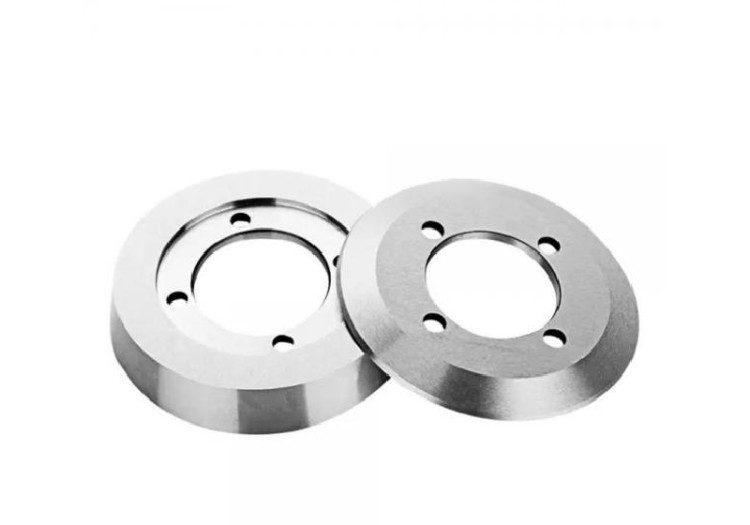
Tungsten carbide circular blade can be applicable to various industries and fields ,the products are widely used in ceramics, printing machinery, paper, carton, paper tube, forestry, plastic machinery, food machinery, textile, electronics, light industry, aluminum foil copper foil, metal film, tobacco, cigarette materials, packaging materials, BOOP film, edge sealing, seal, bottom sealing machine, wood processing, food packaging, wire and cable, steel smelting, shipbuilding, chemical, textile, plastics, leather, plastic crushing industry and other industries.
Features
(1) Less knife consumption costs.
(2) Strictly quality control for the excellent valve.
(3) High precision, high intensity.
(4) Excellent hardness, small thermal deformation.
(5) Matched to their applications.
(6) Reduce unsurpassed edge quality.
(7) Increased blade durability and reduced retooling time.
(8) Excellent cutting quality, stable and reliable cutting performance.
All of the tungsten carbide mining tools provided by XYMJ are made from virgin raw materials with advanced technology for high precison grinding and polishing. Various sizes and styles are available with custom service.
Tungsten Carbide Buttons

XYMJ provides the drill bit of carbide mining buttons with passivating treatment for a 5 to 6 times longer service life than the same diameter of drill bit, which saves much time and manual labor, different types available, including type B, type E, type P, type Q, type S, type Z, etc.
Features
1.high strength and high hardness.
2.excellent hardness, wear-resistance, high elastic modulus, high flexural strength.
3.good chemical stability (acid, alkali, high-temperature oxidation), impact resistance.
4.good toughness, low coefficient of expansion, etc.
Tungsten Carbide Mining Tips

Tungsten carbide tips are widely used in oilfield drilling and snowplow, or other equipment because of their unique properties, mainly including tips for road milling, tips for coal mining, tips for tunneling and tips for trenching, etc. In a word, tungsten carbide mining tips are used for rock cutting and milling with big consumption. Stability and high technology ensure the high quality of XYMJ carbide mining tips.
Mainly material grades include YG4C, YG8, YG11C, YG15. YG8 material grades are used for coring crowns, electrical coal drill bits, coal cutting picks used in geological prospecting, coal mining. YG11C grades are used for heavy rock drills and rotary hammer rock drills cutting hard rocks. YG15 grade has a high intension, lower wear resistance. Suitable for making bits for rotary machine and heavy rotary machine to drill hard and very hard rock.