
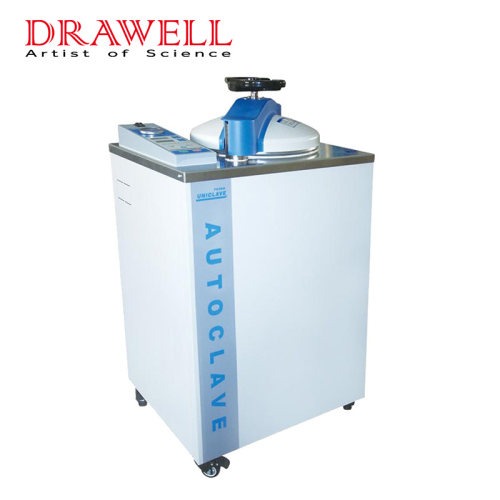
Autoclaves stand as indispensable tools across medical, scientific, and industrial sectors, playing a pivotal role in upholding hygiene standards and ensuring procedural safety. These versatile and reliable devices have revolutionized sterilization processes, facilitating the eradication of harmful bacteria and mitigating the risk of contamination. In this comprehensive overview, we delve into the myriad applications of autoclaves, underlining their significance in diverse industries.
Understanding Autoclaves:
An autoclave serves as a device designed for sterilizing equipment, tools, and materials through the application of high-pressure steam. Employing a combination of heat, pressure, and moisture, autoclaves effectively eradicate bacteria, viruses, fungi, and spores present on sterilized items, maintaining stringent hygiene standards. To achieve optimal sterilization results, autoclaves are engineered to reach and sustain precise temperature and pressure conditions.
Medical and Laboratory Applications:
Sterilization of Surgical Instruments: Autoclaves are extensively utilized in medical settings to sterilize a wide array of surgical instruments, including scalpels, forceps, scissors, and clamps. Through the application of high-pressure steam, autoclaves ensure the elimination of microorganisms, thus reducing the risk of postoperative infections.
Infection Prevention in Healthcare Facilities: Autoclaves play a pivotal role in maintaining sterile environments within hospitals and clinics by sterilizing various items such as gowns, gloves, masks, and curtains, thereby preventing the spread of illnesses among healthcare professionals and patients.
Sterilization of Dental Instruments: Dental offices rely on autoclaves to sanitize dental instruments, including drills, probes, and mirrors, ensuring a germ-free environment and minimizing the risk of cross-contamination.
Sterile Laboratory Equipment: In research and diagnostic laboratories, autoclaves are indispensable for sterilizing glassware such as test tubes, beakers, and flasks, as well as laboratory equipment like microscopes and centrifuges, ensuring accurate experimental results.
Culture Media Preparation: Autoclaves are essential for preparing sterile culture media in laboratories, crucial for cultivating microorganisms under controlled conditions, thereby facilitating research and analysis.
Industrial Applications:
Biohazardous Waste Management: Autoclaves are employed in laboratories and medical facilities to sterilize biohazardous waste materials, including used cultures, Petri plates, and disposable gloves, before disposal, thereby reducing the risk of disease transmission and ensuring proper waste management practices.
Food and Beverage Industry: In the food and beverage industry, autoclaves are utilized for sterilizing packaging materials such as cans, bottles, and pouches, extending the shelf life of products and safeguarding against contamination.
Pharmaceuticals and Biotechnology: Autoclaves play a crucial role in sterilizing equipment, containers, and packaging materials in pharmaceutical and biotechnology industries, ensuring the purity and sterility of pharmaceutical products and biological substances.
Waste Management: Waste management facilities utilize autoclaves for the sterilization of medical waste, including sharps and contaminated items, to mitigate the spread of infectious diseases and adhere to safety standards.
Research and Development: Autoclaves find applications in research and development centers for sterilizing laboratory equipment and materials, maintaining sterile conditions for experiments and production processes.
Cosmetics and Personal Care Products: Autoclaves are employed in the manufacturing of cosmetics and personal care products to sterilize containers and packaging materials, ensuring product safety and quality.
Aerospace and Composites Industry: Autoclaves are essential in the aerospace and composites industries for manufacturing high-performance materials and components through processes like autoclave molding, ensuring optimal strength and quality.
Textile Industry: Autoclaves are utilized in the textile industry for fabric dyeing and finishing, allowing for the treatment of fabrics under high-pressure and temperature conditions, ensuring excellent penetration of chemicals and finishes.
Safety and Best Practices:
Proper loading of items to be sterilized to ensure uniform steam penetration.
Regular monitoring of temperature and pressure gauges to maintain optimal operating conditions.
Adherence to instructions of autoclave manufacturer for operation and maintenance, including calibration and servicing.
In summary, autoclaves represent indispensable tools across various industries, facilitating effective sterilization processes and upholding hygiene standards. Their versatile applications underscore their importance in ensuring safety, quality, and efficiency across medical, scientific, and industrial sectors.
In biological research, high-pressure steam sterilization is a frequent sterilization procedure. An autoclave, on the other hand, is a laboratory autoclave device. The autoclave is classified into three types based on its capacity: portable, vertical, and horizontal. An autoclave is commonly used in medical schools, medical and health facilities, food and chemical laboratories, biological research, and other divisions. It can sterilize equipment, dressings, utensils, liquid medicines, culture mediums, and other items. However, it also contains some hidden dangers that should not be overlooked.
What should I pay attention to when using an autoclave
1) The majority of non-automatic temperature-controlled sterilizers are tiny. Cold air must be expelled when using this type of sterilizer. If the cold air is not expelled, the thermal expansion of the cold air will damage the pressure cooker's working pressure. The temperature reported by this pressure is greater than the actual working temperature in the pot, and the sterilization pot's working temperature cannot achieve the set sterilization temperature, affecting the sterilization effect.
2) Sterilization pot with automatic temperature control The thermode in the automatic temperature control sterilizing pot monitors the temperature change in the pot, and the temperature displayed on the display is the actual operating temperature in the pot. The sterilizing temperature requirements can also be met.
Because saturated steam has the optimum sterilization effect, cold air should also be expelled when using an automatic temperature control sterilizer to optimize the sterilization effect. To release a tiny amount of steam, turn the valve to the left (draining to the right).
Some sterilization equipment also has an adjustable exhaust valve. Keep the exhaust valve slightly open during the sterilizing process to exhaust cold air.
Simple Safety Checks for Automatic Temperature Controlled Autoclaves.
Manually open the safety valve to see if it is working properly.
When adding water, check to see if the water level indicator light illuminates normally.
Using the assumption of omitting cold air, compare the temperature on the display to the temperature shown by the pressure gauge. The pressure gauge temperature is usually slightly higher than the temperature on the display. It can be used routinely if the pressure difference is less than 3°C.
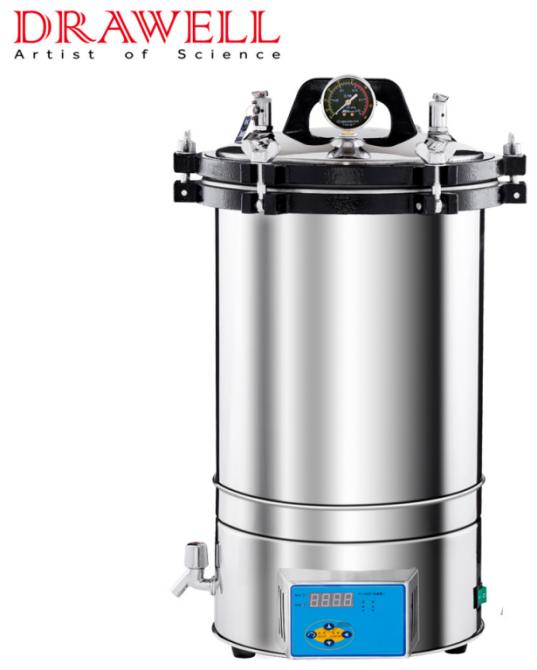
Factors Affecting Sterilization Efficiency.
(1) Water: An excessively high water temperature may cause the predetermined vacuum level to vary, therefore keep the water temperature as low as possible. The sterilizer's water should fulfill the necessary water quality standards, and the temperature should not exceed 15°C. Water has a hardness value of 0.72.0mmoL/L.
Outside of this range, hardness values can induce scaling and corrosion, which can limit the life of the autoclave. The water must be filtered and sanitized before use, and the pot must be maintained clean.
(2) The degree to which steam is dry To maintain a linear relationship between temperature and pressure, the sterilizer should use saturated steam with a degree of dryness of not less than 0.9, that is, the moisture content of the steam should not exceed 10% and the degree of dryness should not be less than 0.95 under the metal load state. The time necessary for sterilization once the sterilization chamber achieves the specified temperature during the sterilization process is referred to as sterilization time. During operation, keep an eye on the steam inlet speed and pressure, and generally keep the pressure and temperature growing in sync.
What should be paid attention to when sterilizing liquid substances
Liquid sterilization is frequently required in the workplace. The autoclave's instructions state that it can sterilize bottle-shaped liquids, yet unexpected scenarios arose throughout the experiment:
Sterilize with an open glass bottle, which reduces the liquid in the glass bottle by one-third; tightly seal the bottle mouth with plastic film, which is broken in the middle, and the liquid in the glass bottle is still decreased by 1/3.
When sterilizing liquid substances, pay attention to the pressure relief not being too quick, closing the exhaust valve as little as possible, maintaining the natural pressure reduction, and maintaining the system's original balance to prevent liquid reduction or splashing.
To guarantee the autoclave's safe and effective operation, daily maintenance and maintenance should be improved, and various control valves should be inspected on a regular basis to ensure normal working conditions.