
Efficient space utilization is a critical factor in modern laboratories, particularly those located in urban areas or within shared research facilities where space is limited. Vertical autoclaves, designed to occupy a smaller footprint than their horizontal counterparts, offer a practical solution for sterilization without compromising functionality or sterilization capacity. This article delves into how vertical autoclaves can optimize lab space while providing reliable sterilization for various laboratory applications.

Understanding Vertical Autoclaves
Vertical autoclaves, often referred to as top-loading autoclaves, are designed with a compact, upright structure that takes advantage of vertical space. Unlike traditional horizontal autoclaves, these systems open from the top, allowing users to load items directly from above. Vertical autoclaves are commonly used in laboratories for sterilizing glassware, laboratory instruments, media, and waste materials.
Benefits of Vertical Autoclaves in Laboratory Settings
The vertical design provides a range of benefits, especially for laboratories dealing with space constraints:
Space Optimization: Vertical autoclaves take up minimal floor space, allowing labs to allocate more room for essential equipment or workstations. Their compact design is ideal for narrow lab layouts and is suitable for facilities aiming to maximize floor area without compromising equipment functionality.
High Sterilization Efficiency in Limited Space: Despite their smaller footprint, vertical autoclaves are capable of handling a substantial volume of materials per cycle. These autoclaves are typically available in various chamber sizes, allowing labs to choose models that meet their sterilization needs while keeping spatial requirements minimal.
Ease of Access: The top-loading design of vertical autoclaves allows for quick and easy loading and unloading of items. This feature is especially beneficial for labs with high-throughput requirements, as it enables efficient handling of equipment and samples during sterilization.

Key Features of Vertical Autoclaves
Vertical autoclaves come with a range of features that enhance their performance and convenience, including:
Digital Controls and Programmable Cycles: Most modern vertical autoclaves feature digital controls that allow users to program cycles for different sterilization requirements, providing flexibility and precision in managing sterilization processes. Programmable cycles also enhance productivity by enabling users to set specific temperatures and times for various applications.
Safety Features: Many vertical autoclaves are equipped with advanced safety mechanisms, including pressure and temperature monitoring, automatic door locks during cycles, and alarms for cycle completion or abnormalities. These safety features minimize the risk of user error and ensure that the sterilization process is both effective and safe.
Energy Efficiency: The compact design of vertical autoclaves often results in lower energy consumption. Many models come with insulation that reduces heat loss, contributing to overall energy savings. This feature is beneficial for labs aiming to maintain sustainable practices.
Applications of Vertical Autoclaves in Different Laboratory Environments
Vertical autoclaves are versatile and are commonly found in various laboratory settings, including:
Microbiology and Biomedical Labs: Used for sterilizing culture media, laboratory tools, and waste materials, vertical autoclaves play a crucial role in preventing contamination. Their space-saving design is particularly useful in crowded microbiology labs, where bench space is valuable.
Pharmaceutical and Biotech Industries: In pharmaceutical and biotech research, vertical autoclaves sterilize equipment and materials to ensure compliance with strict hygiene standards. Their ability to sterilize large loads efficiently makes them ideal for these high-stakes environments.
Academic and Research Institutions: Vertical autoclaves are widely used in academic labs where multiple research projects run simultaneously. Their compact design and ease of use make them ideal for institutions with limited budgets and space.
Factors to Consider When Choosing a Vertical Autoclave
When selecting a vertical autoclave for a lab, several factors should be considered to ensure optimal performance and durability:
Capacity Requirements: It’s essential to evaluate the volume and types of items that will be sterilized regularly. Choosing the appropriate chamber size helps in managing sterilization loads efficiently.
Temperature and Pressure Settings: Different laboratory applications may require varying sterilization conditions. Vertical autoclaves with adjustable temperature and pressure settings offer the flexibility needed to handle diverse laboratory tasks.
Automation and Control Features: Advanced control features, including programmable cycles and digital displays, make it easier for users to manage complex sterilization schedules, thus enhancing workflow efficiency.
Compliance with Laboratory Standards: It is crucial to select an autoclave model that meets the specific regulatory standards applicable to the laboratory’s field, such as ISO, FDA, or GMP requirements.

Maintenance and Durability of Vertical Autoclaves
To maximize the lifespan of a vertical autoclave and ensure consistent performance, regular maintenance is essential. Periodic inspection of seals, pressure valves, and temperature sensors can help prevent breakdowns. Many manufacturers offer service packages, which are recommended to keep the autoclave in peak condition and ensure it continues to meet regulatory standards.
Overall, vertical autoclaves provide an efficient and practical solution for laboratories seeking to optimize space while maintaining high sterilization standards. Their compact design, energy efficiency, and versatility make them a valuable asset across various laboratory settings, from research institutions to industrial facilities. By investing in a vertical autoclave, labs can enhance workflow, increase productivity, and make the most of limited space—all while ensuring effective sterilization and compliance with rigorous laboratory standards.
Autoclaves are essential devices in medical, laboratory, and industrial settings, designed to sterilize equipment, instruments, and materials using high-pressure steam. The effectiveness of the sterilization process in an autoclave is highly dependent on the type of water used. Selecting the appropriate water type promotes optimal performance, prevents equipment damage, and ensures the safety of patients and researchers. In this article, we will discuss the types of water used in autoclaves and their importance in maintaining a reliable and effective sterilization process.
Why Using the Right Water in Autoclaves is Important
The quality of water used in autoclaves directly impacts the efficiency of the sterilization process, the longevity of the equipment, and the safety of users who rely on properly sterilized materials.
Sterilization Efficacy
The primary goal of an autoclave is to consistently and reliably sterilize equipment, instruments, and materials. Using distilled or deionized water ensures that no pollutants or contaminants interfere with the sterilization process. Pure water helps maintain the high-temperature steam conditions required to effectively destroy microorganisms.Prevention of Scale Buildup
Using distilled or deionized water removes minerals and contaminants that can cause scale buildup within the autoclave chamber and on instruments. Scale buildup can hinder heat transfer, reduce autoclave efficiency, and potentially cause equipment failures. By using the proper water, autoclave operators can minimize scale formation, ensuring consistent and reliable performance.
Equipment Longevity
The type of water used is critical in extending the life of autoclave equipment. Distilled or deionized water reduces the risk of corrosion and mineral deposits on internal components such as heating elements and pressure valves. Proper water quality maintenance protects the autoclave's performance, resulting in a longer-lasting and more reliable system.
Compliance with Industry Standards
Many industries, particularly healthcare, pharmaceuticals, and research, adhere to strict sterilization standards. Using the correct water type in autoclaves ensures compliance with these industry standards, ensuring the safety and quality of sterilized items. Failure to meet these standards can result in legal ramifications and compromise patient safety.

Prevention of Contamination
Using the right water in autoclaves prevents additional pollutants from entering the sterilization process. Impurities and bacteria in tap water, for example, can negate the desired sterilization effect or damage the quality of the sterilized items.
Consistent Results
The quality of autoclave water directly affects the reproducibility and uniformity of sterilization results. By using distilled or deionized water, operators can ensure that each cycle produces consistent and effective sterilization outcomes, reducing the risk of contamination and infection.
Improving Safety
Proper use of the right water in autoclaves is critical for the safety of patients, researchers, and professionals who work with sterilized items. Effective sterilization eliminates the possibility of infection or cross-contamination, protecting both patients and staff from potentially harmful microorganisms.
Types of Water Used in Autoclaves
Different types of water are used in autoclaves based on the application, autoclave design, and desired sterilization outcomes.
Distilled Water
Description: Distilled water is the purest form of water, obtained through the distillation process where water is heated to produce steam and then condensed back into liquid form, leaving all impurities behind.
Benefits:
Free from ions, bacteria, and other contaminants.
Prevents mineral deposits and scale buildup.
Ideal for maintaining high sterilization efficacy.
Deionized Water (DI Water)
Description: Deionized water is produced by passing water through an ion exchange resin that removes all charged ions, including minerals.
Benefits:
Free of ions and impurities that could interfere with the sterilization process.
Reduces scale formation.
Suitable as an alternative when distilled water is unavailable.
Reverse Osmosis Water (RO Water)
Description: Reverse osmosis water is purified using a semipermeable membrane that removes pollutants and toxins.
Benefits:
Purer than tap water.
Suitable for many laboratory applications, though not as effective as distilled or deionized water in preventing scale formation.
Tap Water
Description: Tap water is commonly used for everyday applications but contains minerals and other contaminants that can cause scale buildup and impair autoclave performance.
Drawbacks:
Not recommended for autoclaves due to the risk of introducing impurities and compromising sterilization efficacy.
Purified Water
Description: Purified water undergoes various filtering and treatment processes to remove contaminants, though it may not meet the purity standards required for autoclaves.
Benefits:
Cleaner than tap water.
Not ideal for critical applications where high-purity water is essential.
Ultra-Pure Water
Description: Ultra-pure water undergoes multiple purification steps, including reverse osmosis, deionization, and filtration.
Benefits:
Used in specialized autoclave applications requiring the highest water quality standards, such as in pharmaceutical or biotechnology industries.
Summary
The type of water used in autoclaves is a crucial factor that directly impacts the effectiveness of the sterilization process, equipment longevity, and compliance with industry standards. Distilled water is the recommended choice for autoclaves due to its purity and ability to prevent mineral accumulation and scale. Deionized water is also a suitable option, though it may offer slightly less protection against scale. Regardless of the water type used, regular maintenance, monitoring, and adherence to water quality standards are essential to ensure the autoclave functions efficiently and consistently delivers safe, sterilized equipment and materials.
Sterilization stands as a cornerstone in healthcare, safeguarding patients and professionals by thwarting the spread of infections. Among the array of sterilization methods, autoclaving shines as a widely embraced technology, thanks to its proven efficacy in eradicating bacteria. In this discourse, we embark on a journey through the realm of autoclave sterilization, deciphering its process intricacies, extolling its virtues, and unraveling the pivotal considerations for optimal outcomes.

Decoding the Autoclave Sterilization Process
Autoclave sterilization entails subjecting instruments, equipment, and supplies to high-pressure steam at temperatures surpassing the boiling point. This formidable mix of heat and moisture creates an environment hostile to microorganisms, effectively neutralizing bacteria, viruses, fungi, and spores. This method finds its niche in sterilizing heat-resistant medical apparatus like surgical tools, dental gear, and laboratory glassware.
The sterilization cycle typically commences with pre-vacuuming, eliminating air to enhance steam penetration. Subsequently, the autoclave elevates the temperature to the requisite range, typically between 121 and 134 degrees Celsius (250 and 273 degrees Fahrenheit), while maintaining pressure between 15 and 30 pounds per square inch (psi). The duration of exposure varies based on instrument type, load size, and sterilization goals. Upon cycle completion, the autoclave gradually depressurizes, allowing instruments to cool before safe retrieval.
Embracing the Advantages of Autoclave Sterilization
Autoclave sterilization emerges as a champion in destroying an array of microorganisms, including notoriously resilient bacterial spores. By harnessing the trifecta of heat, pressure, and steam, even the hardiest pathogens meet their demise, mitigating the risk of healthcare-associated infections.
For healthcare facilities, autoclaving presents a cost-effective alternative. Once the initial investment in autoclave equipment is made, operational expenses remain modest compared to other sterilization methods, such as chemical sterilization. Autoclaves boast a generous instrument load capacity, facilitating efficient processing of multiple items simultaneously, thereby saving time and resources.
Moreover, autoclave sterilization champions environmental sustainability. Eschewing harsh chemicals and toxic byproducts, this method aligns with sustainable practices. The use of steam and heat obviates the need for packaging, curbing waste generation in healthcare establishments.

Navigating Critical Considerations for Optimal Autoclave Sterilization
To realize optimal autoclave sterilization outcomes, adherence to specific rules and best practices is paramount.
Proper Instrument Preparation: Thorough cleaning and decontamination of instruments precede autoclaving. Removal of organic debris is imperative for effective steam penetration. Instruments should be disassembled as per manufacturer guidelines.
Load Configuration: Prudent placement of instruments within the autoclave chamber is essential. Overcrowding stifles steam circulation, imperiling sterilization. Ample spacing ensures steam access to all surfaces, particularly crucial for devices with lumens or intricate forms.
Packaging Considerations: Some instruments may necessitate post-autoclaving packaging to preserve sterility. Selection of sterilization pouches or wraps should consider compatibility with autoclave processes and instrument types. Proper sealing guards against recontamination during storage and transit.
Cycle Selection and Validation: Autoclaves offer diverse sterilization cycles tailored to instrument types, load sizes, and sterilization levels. Validation of chosen cycles ensures compliance with sterilization parameters and regulatory standards.
Monitoring and Documentation: Regular monitoring of autoclave performance is imperative for consistent sterilization outcomes. Biological indicators gauge sterilization process efficiency, while physical indicators verify time, temperature, and pressure. Comprehensive documentation ensures traceability and quality assurance.
In Conclusion
Autoclave sterilization stands as the bedrock of a safe, infection-free healthcare milieu. Its efficacy, cost-effectiveness, and environmental friendliness render it indispensable in healthcare facilities. By adhering to meticulous protocols, healthcare establishments uphold the highest standards of infection control and patient safety, ensuring the reliability and efficacy of autoclave sterilization processes.
Sterilization is paramount for maintaining a safe and healthy environment across various industries. Portable steam autoclaves have emerged as versatile solutions, offering efficient sterilization capabilities in compact and mobile forms. These marvels have revolutionized sterilization practices across diverse sectors, including healthcare facilities, research expeditions, and beauty salons. This article explores the the advantages and applications of portable steam autoclaves, underscoring their importance in ensuring cleanliness, safety, and compliance in various settings.
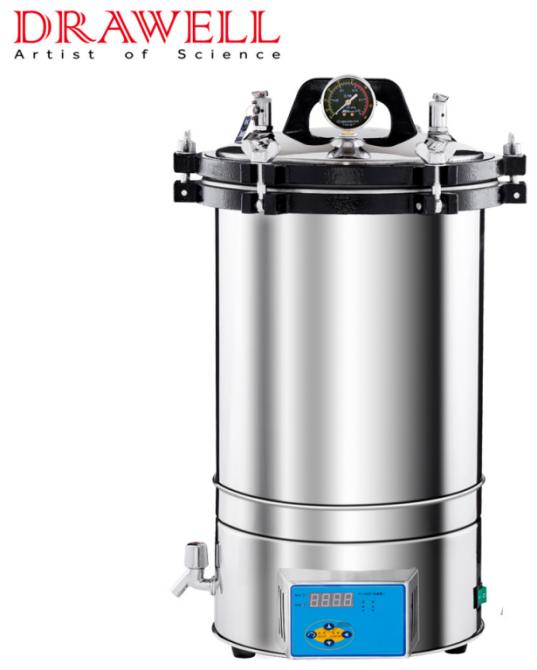
Advantages of Portable Steam Autoclaves:
Mobility and Versatility:
Portable autoclaves are easily moved and used in different locations due to their compact and lightweight designs. This mobility makes them ideal for fieldwork, remote areas, or settings with limited space, ensuring sterilization can be conducted wherever needed.
Ease of Use and Quick Setup:
Designed to be user-friendly, portable autoclaves feature intuitive controls and simple operation. They offer quick setup times, facilitating efficient sterilization processes accessible to a wide range of users, including healthcare professionals, researchers, and technicians.
Effective Sterilization Capabilities:
Utilizing high-pressure saturated steam, portable pressure steam autoclaves offer highly effective sterilization. Steam can penetrate various materials, reaching challenging-to-access areas and eliminating bacteria, viruses, fungi, and other microorganisms, ensuring thorough sterilization of treated items.
Cost-Effectiveness and Time Efficiency:
Compared to larger, permanent autoclave systems, portable autoclaves offer cost savings in terms of initial investment and maintenance. Their efficient sterilization cycles reduce processing time, allowing for faster turnaround and increased productivity.
Energy Efficiency:
Many portable autoclaves are energy-efficient, consuming less power during operation. This feature is beneficial in environments with limited energy resources or when operating on battery power, contributing to sustainability efforts and reducing operational costs.
Compliance with Safety Standards:
Manufactured to meet safety standards and regulations, portable autoclaves incorporate safety features such as pressure and temperature sensors, automatic shut-off mechanisms, and door interlocks. These features prevent accidents and ensure operator safety during sterilization processes.
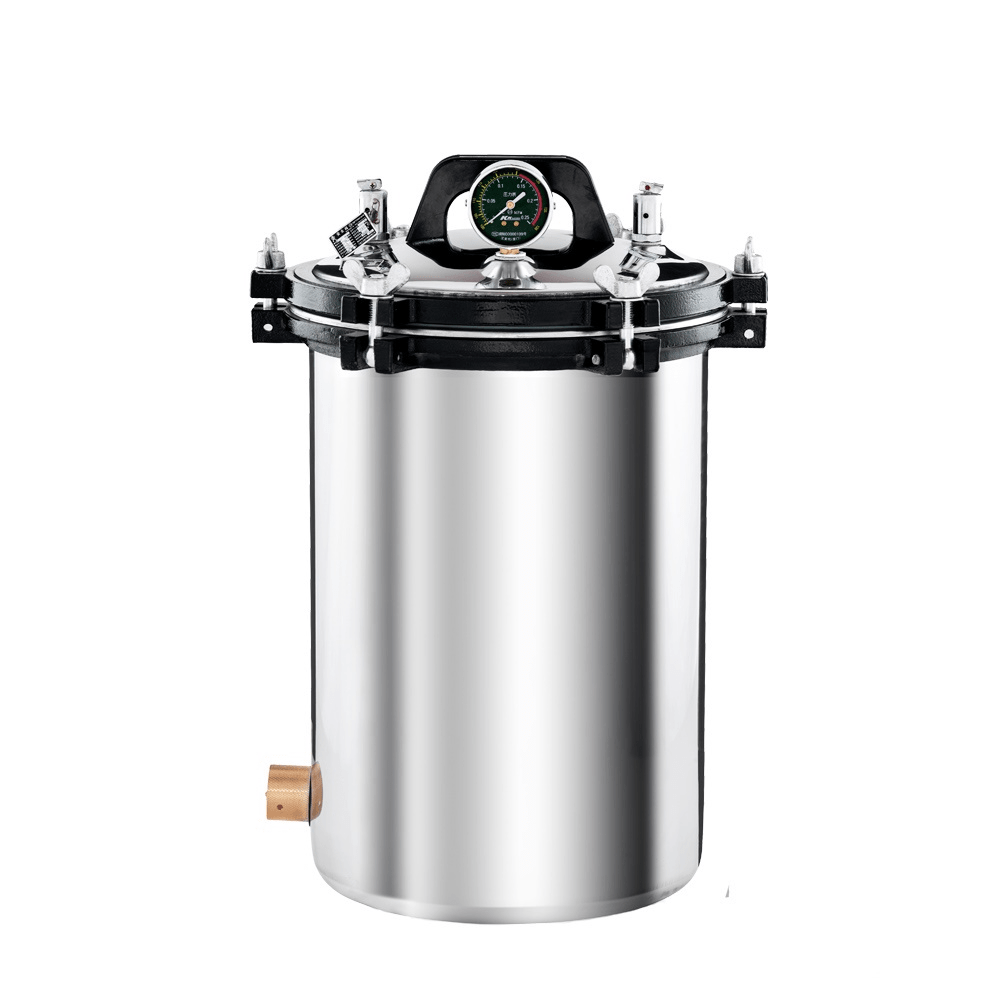
Applications of Portable Steam Autoclaves:
Medical and Healthcare Industry:
Widely used in hospitals, clinics, and healthcare facilities for sterilizing medical instruments, surgical equipment, dressings, and other reusable items, reducing the risk of infections and cross-contamination.
Dental Clinics and Laboratories:
Essential for maintaining strict infection control measures in dental practices and laboratories by sterilizing dental instruments, handpieces, probes, and other tools.
Field Research and Remote Locations:
Valuable in field research and remote locations where access to traditional sterilization facilities may be limited, enabling on-site sterilization of equipment and supplies for safe and hygienic procedures.
Veterinary Practices:
Used by veterinarians and animal clinics to sterilize surgical instruments, grooming tools, and equipment, preventing the spread of infectious diseases among animals.
Tattoo and Piercing Studios:
Essential for maintaining a sterile environment in the body art industry by sterilizing tattoo needles, piercing tools, and jewelry, minimizing the risk of infections and ensuring client safety.
Beauty and Spa Establishments:
Utilized in beauty salons, spas, and nail salons for sterilizing manicure and pedicure tools, hair cutting implements, and other reusable items, promoting cleanliness and hygiene.
Conclusion:
The advent of portable steam autoclaves has transformed sterilization practices across industries. Their mobility, ease of use, effective sterilization, cost-effectiveness, and energy efficiency make them invaluable assets in various settings. Whether safeguarding patient health in healthcare facilities, conducting research in remote locations, or prioritizing hygiene in beauty establishments, portable autoclaves play a vital role in ensuring the highest standards of sterilization. As industries continue to evolve, portable steam autoclaves will remain indispensable tools, promoting the well-being of individuals and communities through safe and efficient sterilization practices.
Autoclaves serve as indispensable tools across various industries, including healthcare, laboratories, and industrial settings, ensuring the sterilization of equipment and materials. To maintain optimal performance, prevent contamination, and prolong their lifespan, regular cleaning and maintenance are imperative. This comprehensive guide will delve into the step-by-step process of cleaning an autoclave, covering essential procedures and best practices.
Step 1: Preparing for Cleaning an Autoclave
Before commencing the cleaning process, it's crucial to take specific precautions and gather necessary supplies:
Precautions: Ensure the autoclave is powered off and unplugged. Wear appropriate personal protective equipment (PPE), including gloves, goggles, and a lab coat.
Gather Cleaning Products: Collect required cleaning supplies such as mild detergent or autoclave cleanser, water, a soft cloth or sponge, a brush or pipe cleaner for challenging areas, and a clean towel for drying.
Step 2: Routine Cleaning an Autoclave
Routine cleaning is essential for maintaining cleanliness and efficiency:
External Surfaces: Wipe external surfaces with a moist cloth or sponge dipped in a mild detergent solution. Pay attention to spill-prone areas like the door handle, control panel, and gasket. Rinse with water and dry thoroughly.
Inner Chamber: Clean the inner chamber using a soft cloth or sponge soaked in a mild detergent solution. Gently wipe surfaces to remove residue, stains, or debris. Stubborn stains or mineral deposits can be addressed with a water and vinegar solution.
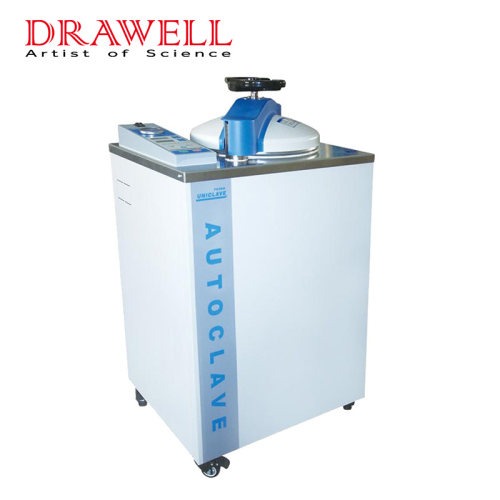
Step 3: Deep Cleaning an Autoclave
Deep cleaning tackles persistent stains and buildup:
Cleaning Removable Parts: Clean removable parts separately with the same cleaning chemicals. Rinse and dry them before reinstalling.
Descaling the Chamber: Prepare a descaling solution and pour it into the chamber to address mineral deposits. Scrub the walls and bottom with a brush or pipe cleaner, then rinse thoroughly.
Cleaning the Gasket: Wipe the autoclave door gasket with a soft cloth or sponge and a light detergent solution. Rinse and dry meticulously.
Step 4: Maintenance Tips After Cleaning an Autoclave
Regular maintenance is crucial for optimal performance:
Examine and Clean Filters: Regularly inspect and clean filters to maintain proper airflow and prevent blockage.
Seals and Gaskets: Check seals and gaskets for wear or damage and replace if necessary to ensure an airtight seal.
Calibrate and Validate: Follow specifications for calibration and validation procedures of autoclave manufacturer to ensure accurate temperature and pressure readings and verify sterilization effectiveness.
Summary
Regular cleaning and maintenance are essential for the effective sterilization and prolonged lifespan of autoclaves. By following these procedures and prioritizing safety, you can establish a regular cleaning regimen, undertake deep cleaning as needed, and keep your autoclave in optimal working condition. Refer to the manufacturer's instructions for specific guidelines tailored to your autoclave type to ensure reliable and safe sterilization operations.