
The writer comes to the "Shenzhen International Mask and Protective&Material Exhibition", which is held these days, and felt the popularity of this machine on the spot! When visiting the exhibition, the writer finds that basically every mask machine manufacturer’s supporting Arise web guide. After checking the data, it was learned that a total of 28 mask machine manufacturers participated in the exhibition, and 38 mask machines were exhibited, of which 26 were using Arise products, and 35 mask machines were equipped with Arise web guide. A total of 122 Arise web guides were installed, and Arise web guide accounted for 92.3% of the total exhibition site!
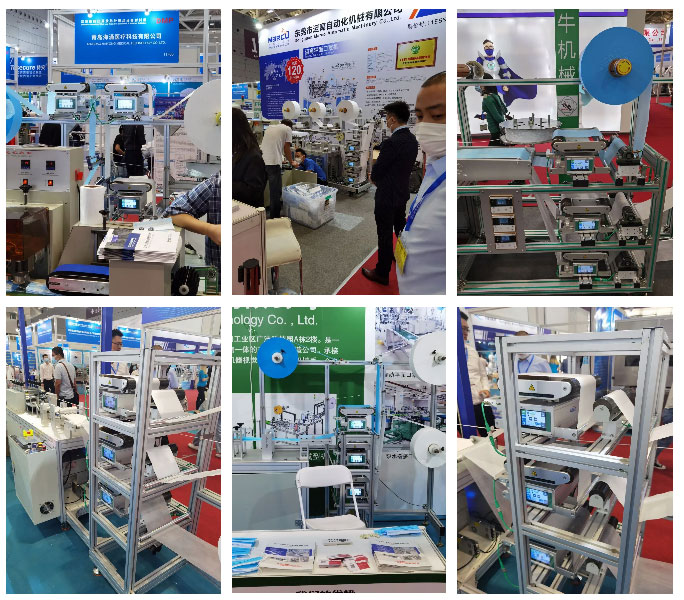
It’s the sudden outbreak of the epidemic this year has brought huge challenges and opportunities to many industries. The sanitary protection materials that were originally low-key and unconcerned suddenly became "the pride of heaven". "One mask is hard to find" has left a very deep impression on everyone! The prices of non-woven fabrics, meltblown fabrics and other mask raw materials have skyrocketed. The phenomenon of having money but not stocks makes raw materials extremely precious. Production costs and labor costs have risen straightly by several times! At this time, a key accessory on the mask machine has attracted everyone's attention-the web guide.
The thickness of the mask is usually three layers, five layers, etc. If such a multi-layer material is slightly uneven in the production, the edges will easily cause waste during synthesis! The web guide, as the name implies, is to correct the misalignment. Under the current situation of the skyrocketing price of mask raw materials, a little bit of material is particularly precious. At this time, the full application of the web guide system on the mask machine is extremely urgent.After careful, meticulous, and rigorous market research, the web guide system and web tension control system developed by a company called Chongqing Arise Technology Co., Ltd. have been recognized by the majority of mask machine manufacturers in the market and have been widely used in mask machines.

The production of masks involves raw materials, equipment, labor and other aspects, including multiple steps from raw materials to non-woven fabrics to disinfection and analysis of finished products. During the epidemic, the supply of masks was severely in short supply, and people were panicked. The shortage of raw materials and production equipment became the key factor restricting the output of masks at that time! It is reported that the price of meltblown non-woven fabrics increased by more than 60% at that time, and factors such as difficulty in resuming labor shortages and logistics costs also led to a sharp increase in the production cost of masks.
However, the writer found that after the mask machine was equipped with an Arise mask web guide machine, the material loss and shortage of manpower in the mask production ushered in a huge improvement.
Without a web guide machine:
1. The edges of the coil are not aligned, the melt-blown cloth material is wasted, and the production is stopped then debug
2. Multi-layer material bonding problems affect production
3. One person can only operate one machine
Other issues affect production efficiency...
With an integrated web guide machine:
1. Using 940nm infrared emission tube and imported silicon photocell to accurately detect the deviation of melt-blown cloth, the servo motor drives the ball screw to precisely adjust the material deviation
2. Solve the problem of material waste and multilayer material bonding in mask production through photoelectric technology
3. Reduce the waste of mask melt-blown cloth by about 30%
4. The production speed of masks is doubled
5. Significantly reduce labor costs: from one person operating one machine to one person operating 4 machines
6. The pass rate of masks has risen sharply
7. The web guiding machine adopts full touch screen operation, simple and easy to use
8. The operation interface contains languages of 8 countries, with a user-friendly design
9. Track and correct the marking line or edge of the material to ensure neat winding and slitting
For more detailed information, please visit the page of Arise web guide news.
The analog control includes the following 4 aspects
1. Analog controller
The controller mainly includes three parts: simulation, simulation control rules and simulation elimination. The controller adopts a Cortex-A9 micro-controller.
2. Correction driver
The actuator adopts the SE-150 deviation correction actuator. as a brushless DC motor, it has superior performance with a maximum speed which can reach 40mm/s.
3. The materials of the web guiding controller
The controlled objects are the coil materials, and under the high-speed condition, it receives the action of the uncontrollable force and cannot maintain the straight-line movement so that the width centerline deviates from the reference centerline.
4. Web guide sensor
This device adopts the A200 ultrasonic edge sensor, which can complete high-resolution ultrasonic sensing and frequency conversion, directly communicating with the micro-processing.

Whole control process:
1. Sample the photoelectric sensor through the single-chip microcomputer.
2. Simulate the adopted data after processing.
3. Analyzing the relative deviation of the controlled objects.
4. Querying the analog control rule table.
5. Selecting the corresponding control strategy.
6. Send it to the actuator to drive the motor for edge guiding.

Arise is an audited, leading web guiding system manufacturer in China with a professional R & D team. Using the high precision web guiding equipment supplied by Arise can ensure continuous and accurate edge position control of coil materials in various production processes.
Marine anchors can act as drogues (positive drag mechanism) for ships and other such vessels during storms. They provide a restoring drag that keeps the vessel stable and steady and prevents slamming of the bow or flooding through green water loading during unsteady conditions.
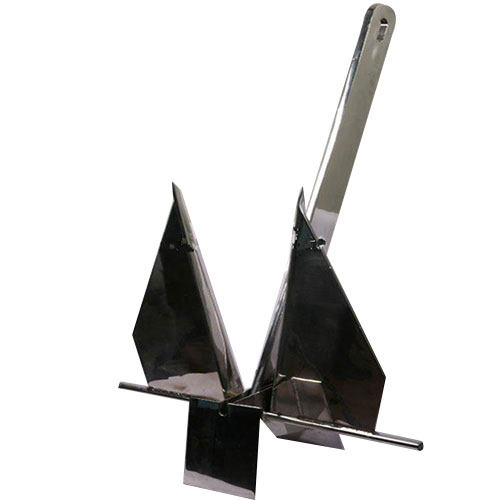
Danforth Anchor
The Danforth is a lightweight, cheap and easily storable design that uses two triangular blades or flukes attached to the shank to hook or dig into the ocean bed. The gap between the flukes allows for the Danforth anchor to grip onto debris and rocks instead of simply acting as a sail against the water currents. Also, the shank and flukes are hinged, so that the orientation of the flukes can be changed depending on the type of material on the seafloor.
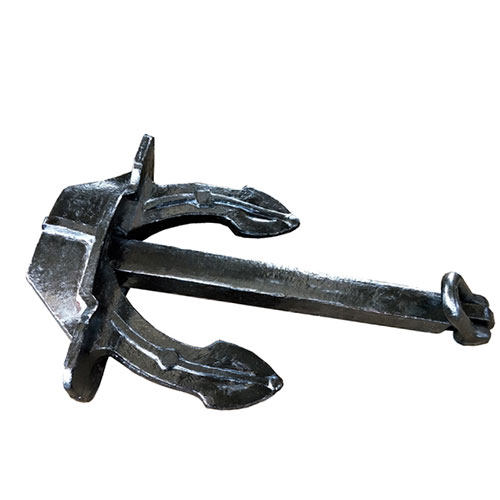
Stockless Anchor
Stockless anchor is a normal type of stockless anchor with a small ball on a fluke. With the stockless design, it fits the anchor pocket perfectly. It is commonly used in commercial vessels and recreational craft. It is made high quality cast carbon steel and is a great mooring device for fishing boats due to the large holding power and easy storage.
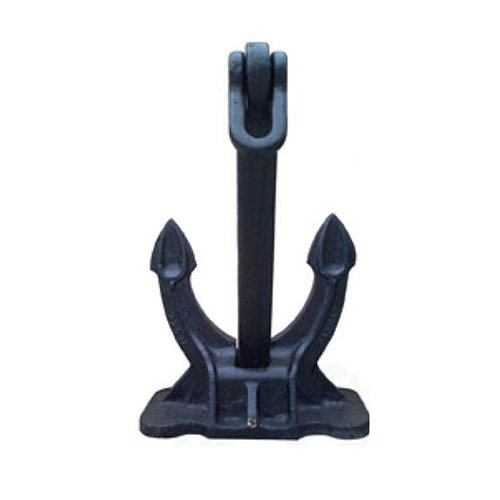
Spek Anchor
Spek anchor is one type of the stockless anchor. It is the improved anchor with a lower point of gravity from the hall anchor, whose core of anchor head is located in the center of the pin centerline to the bottom. The structure of spek anchor is characterized that there is anchor crown plate and reinforcing ribs at the anchor crown. The anchor claw is easy to turn to the ground and then has a better stability. The smart design makes it a perfect fit for the anchor pocket.
Bruce Claw Anchor
This type of bruce claw anchor is commonly referred to as the claw because of its shape and design. It is used to hook into the rocks at the bottom of the ocean and then settle in. However, it does not work when the material at the bottom is loose sand, silt or mud. Also, weeds and other structures can entangle the claw of the anchor without providing any actual anchoring force. Instead, they tend to impede the recovery of the anchor when it is time for the vessel to move on.
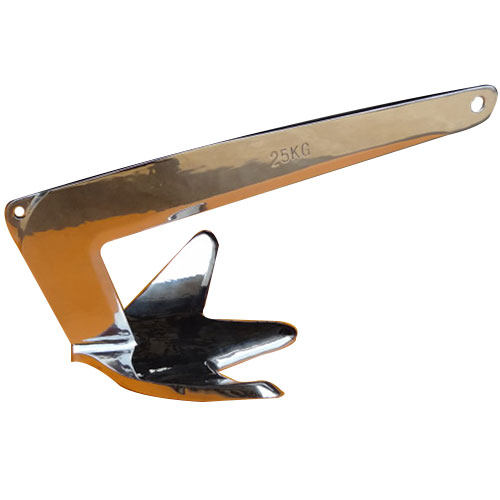
Other types of equipment that are used in conjunction with an anchor to hold down a vessel or installation floating on the surface of the water include riggings (such as trip lines), anchor chains and ropes, stowage equipment, etc. Anchor chains and ropes are an important factor in determining the reliability of a given anchor since these provide the only connection between the structure and anchor. They must be able to withstand tremendous amounts of force both in tension and contraction. Similarly, trip lines must also be strong enough to apply force on the anchor to orient it in a particular direction.
The guide or control for the edge position of the web is the most widely used web guiding system. For various applications, edge position control or guide is sufficient, especially if the roll-to-roll machine is designed to always convert webs with constant width. Usually, the edge sensor is located in the downstream span of the roll paper guide (except for the rewind guide). Generally, the edges of the web are sensed in the free span rather than on a roller.

Firstly, we introduce the basic information of the four types of web guiding
Four types of web guiding
Edge Guiding
Web edge guiding refers to guidance on a single edge of the web material. This is the most common type. The edge of the operator side or driver side can be guided to the desired position according to the sensor position.
Center Guiding
Center guiding is used when the edges of the web are not flat or the width of the web changes during the production process, instead of positioning the web-based on one edge, to guide the centerline of the web. The center position is determined by using two sensors, each sensor is located on each edge of the web.
Line Guiding
The web can be guided based on the position of the printing line. This line is a fixed reference for the printing position on the web. In most cases, camera-based solutions are used to guide the web according to the printing line.
Contrast Guiding Similar to line guiding, the web can be guided based on contrasting features on the web. The contrast of the printing or the contrast produced by the coating process can be used as a reference for web guiding.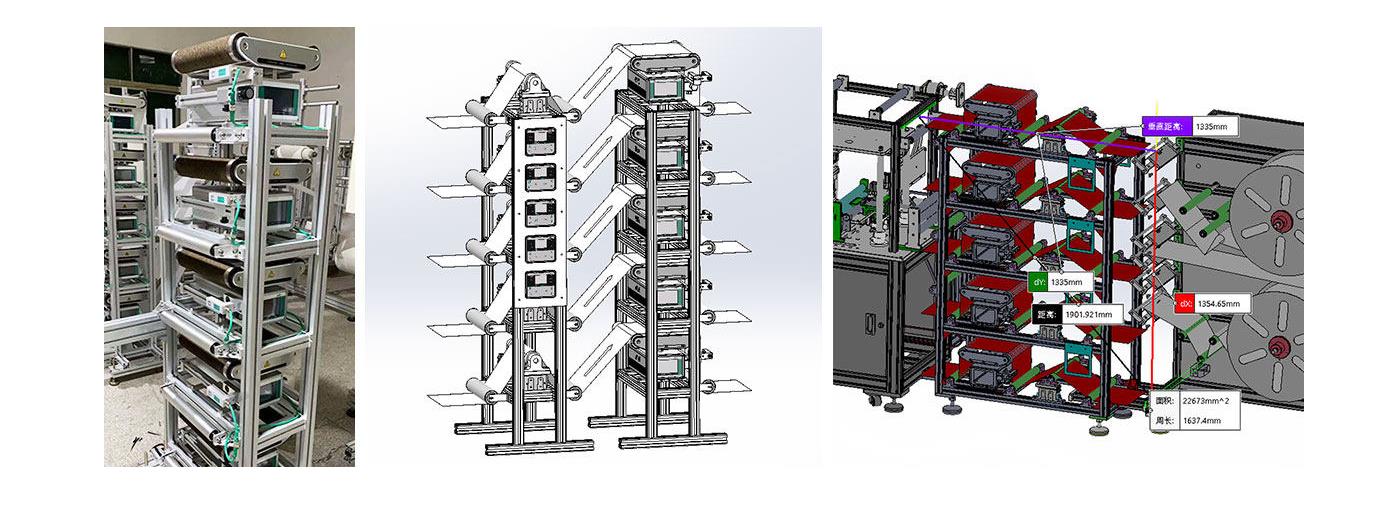
Advantages of the web edge guiding
1. It can inspect and control the coils of any material and color.
2. Precision ball screw with accurate positioning
3. The tracking speed can be adjusted arbitrarily without changing the size of the belt shaft.
4. The guide roller can be equipped with a hard-anodized layer, rubber layer, and cork skin.
5. The fast feedback for the voltage and electric current, which can automatically restore and protect the internal circuit system, with good stability, quick action response. The tracked objects will never drop the needle or wrinkle.
6. Humanized design, complete functions with fast and easy operation.
The applications of the web guiding system for edge position control
The web guiding system covers a wide range of applications, and it is essential in industries such as packaging, non-woven fabrics, printing, labels, building materials, paper pulp, household paper, plastics, cables, metal processing, corrugated paper processing.
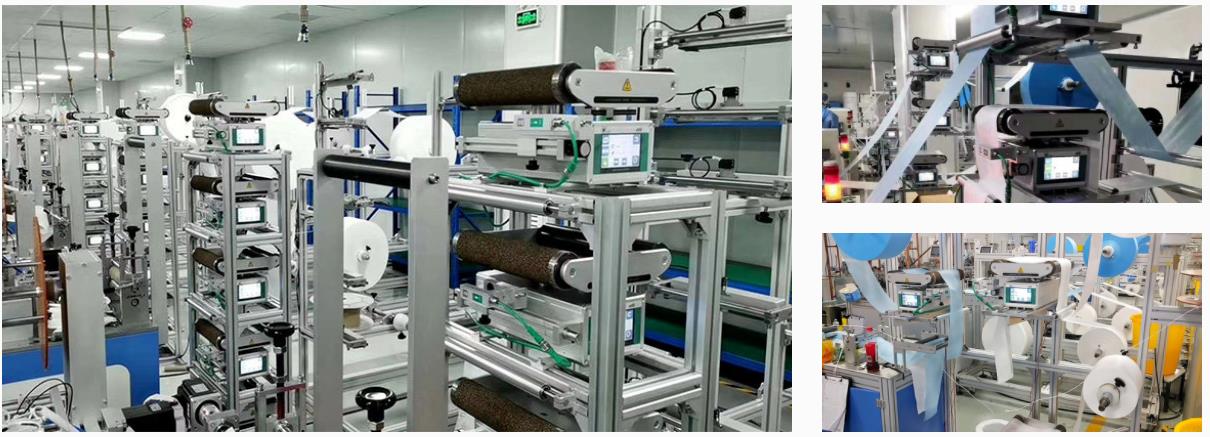
Arise is one of the leading web guiding manufacturers in China and the web guiding product from Arise has a high-performance automatic system with continuous precise edge control for the coil materials.
An anchor refers to nautical or marine equipment intended to restrict vehicle or structural movement in the water. Anchors achieve their purpose by either using their weight to hold structures in place, clamping on to the bed of the waterbody, or using a combination of both these techniques.
Mushroom anchors
Mushroom anchors, as the name suggests, are shaped like inverted mushrooms, with the head being laid in the sea or ocean bed. This style of anchor utilizes its weight, suction power and relative friction between the bed and anchor head to keep itself firmly attached to the strata of the ocean floor. However, it only works in conditions when mud, silt, or sand are prevalent on the floor of the ocean.
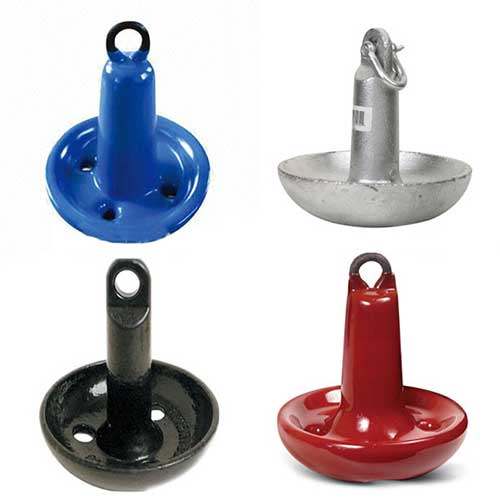
Other materials such as rock and sand are not able to provide the adhesion required to keep the anchor firmly attached to the ocean floor. The science behind how this system works is that the anchor uses a derived version of the Archimedes Principle on soft, granular or viscous media such as mud and sand.
While the strength provided by these anchors makes them very useful in restricting motion, they can only work in regions where the floor of the ocean or sea provides sufficient suction to drag down the anchor. This makes them ideal in regions close to beaches or lagoons.
High holding power anchor
High holding types are a class of anchors that are characterized by their High Holding Power (HHP) or Super High Holding Power (SHHP). These High Holding Power (HHP) anchors are used in the oil and gas industry to tether large semi-submersible structures or to hold down underwater pipelines running across the ocean bed or seafloor. Such anchors are considerably larger and heavier than their counterparts.
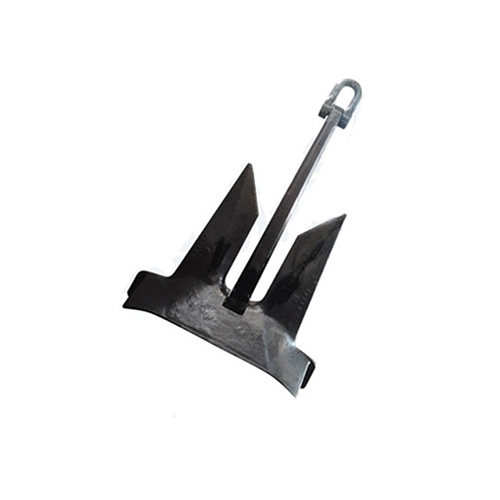
To be declared as a high holding anchor, they must exhibit strength and retention capabilities equal to twice the normal values of conventional anchors. The conventional anchor considered for reference purposes must be the same weight as the HHP anchor being tested. To achieve this tag, three tests must be conducted successfully, and the anchor must be tried in a minimum of three different types of soil. Compared to the previous two types of permanent anchors, this classification ensures that the anchor functions in any type of condition.
All products provided by YSmarines which is one of the leading marine anchor manufacturers in China, have been approved by ABS, LR, DNV, GL, BV, RINA, BKI, CCS, etc, high standard materials and the most competitive price guaranteed.