

The magnetic powder brake is based on the electromagnetic principle utilizing the magnetic powder transferring torque. It has the characteristics of the substantial linear relationship between the exciting current and the transfer torque. Independent of slip, a certain torque can be transmitted, which has the advantages of fast response speed, simple structure, no pollution, low noise, no impact vibration, energy saving.
Working Principle Of The Magnetic Powder Brake
1. The magnetic powder brake adopting a magnetic powder as a medium, a magnetic particle chain is formed to transmit torque with power on, which is mainly composed of inner rotor, outer rotor, magnetic coil and magnetic powder.
2. When the coil is not powered, the active rotor rotates, due to the action of centrifugation, the magnetic powder is smashed on the inner wall of the active rotor and there is no contact between the magnetic powder and the driven rotor, the active rotor idling.
3. After the DC power is powered on, the electromagnetic field is generated and the magnetic particle chain is formed by the magnetic particle of the working medium under the action of magnetic lines. The inner rotor and the outer rotor are connected, thus achieving the purpose of transmitting, braking torque.
Advantages
1. High-precision and wide torque control, high accuracy control , the transmitted torque in the correct proportion to the exciting current form a high precision control.
2. Excellent durability, long service life, heat resistance, abrasion resistance, oxidation resistance, corrosion resistance.
3. High stability with fixed torque characteristics and the binding force between powder particles is stable. The sliding torque is very stable and there is no relationship with the relative rpm to maintain a constant torque.
4. Continuous sliding operation, excellent heat dissipation and the cooling structure with uniform thermal deformation is adopted, with the high heat resistance of the magnetic powder, allowing the connection, the braking power and the large sliding power, with the smooth sliding power, no vibration caused.
5. The impact is extremely small when the knot is smooth, and the impact can be start-up or stopped without impact.
6. Suitable for high frequency operation,fast response speed and special heat dissipation structure.
7. Lightweight, maintenance-free, adopting high temperature-resistant coils and special grease bearings. Special wear-resistant treatment is applied to the armature prone to wear.
8.Overload protection. Automatic slip in case of torque overload. Protect in overload situation and extend service life.
9.Anti-rust protective film. Carefully wrapped with plastic transparent film to prevent oil stains from penetrating'and scattering. Safe and secure.
Applications
1. Buffer start, stop with the smooth characteristics and the constant torque
2. Continuous sliding, tension control
3. Torque Limiter
4. High-speed response requirement
5. Power absorption
6. Positioning stop
7. Simulated load
Installation And Use
1. Magnetic powder brake adopts DC as excitation power supply.
2. A magnetic particle brake drive shaft should be installed horizontally.
3. The mounting of the drive shaft and the axis of the shaft is + 0.03 mm.
4. Magnetic powder brakes do not support the installation method of the radial bearing main power transmission.
5. For the first use of the magnetic powder brake, power off after 10 seconds of operation then power on, repeating several times. ensuring the fluidity and uniform distribution of magnetic particles.
6. The magnetic powder brake cannot be used exceeding normal torque and rotation speed, otherwise the life of the magnetic powder will decrease sharply.
Magnetic powder brake is a multi-purpose automatic control element with superior performance. It has been widely used in papermaking, printing, plastic, rubber, textile, printing and dyeing, wire and cable, metallurgy, and other unwinding and winding tension control in the coiled processing industry.
The products in the packaging and printing industry are inseparable from the use of organic solvents, which brings many emissions of VOCs. Solventless lamination technology adopts a solvent-free adhesive instead of solvent-based adhesive, which can avoid VOCs emissions from the source.
What Is Solventless Lamination Technology
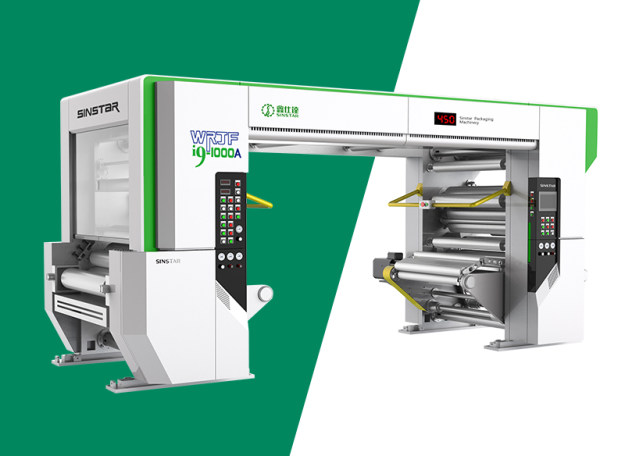
Solvent-free laminating technology is an important environmentally friendly technology applied to the flexible packaging industry. It is a machining method which adopts a solvent-free adhesive to make the membrane substrate such as plastic film or other film-shaped material laminate each other, through the curing process which is a chemical reaction of the adhesive, making each layer of substrate firmly bonded together, thus, multi-layer composite films are obtained.
Advantages Of Solventless Lamination Technology
Compared to traditional dry laminating, solventless lamination has significant advantages in the following aspects.
Saving resources
Due to no solvent use, it saves solvent costs and saves a large amount of energy consumption without the dried process. With less gluing, the coating weight of solvent-free lamination unit area adhesive is two-fifths of the coating weight of dry laminating unit area adhesive.
Safety and environmentally friendly
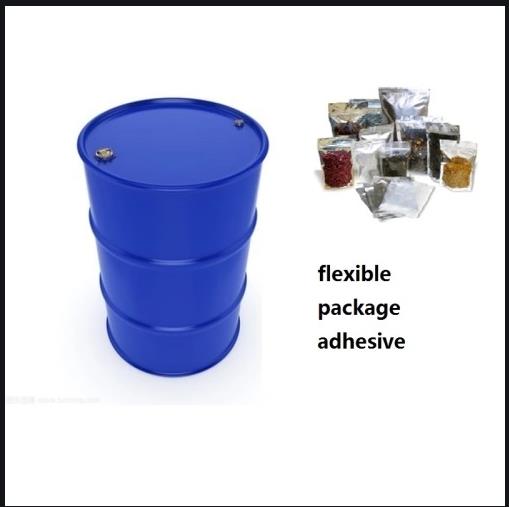
The adhesive of a solvent-free lamination is 100% glue, which does not contain any solvent, thus, in the production process, except that during the time of shutdown, there is a need to clean the gluing portion with a small amount of solvent, there are no emissions of solvent, VOCs and other pollutants, which will not produce pollution for the health and surrounding environment of the production worker. No combustible, explosive organic solvents in solventless laminating technology, there will be good safety. The hygienic performance of the composite film will not be reduced due to the existence of residual solvent.
Low costs
Each solventless laminating production line will have much less energy consumption than a dry laminating production line. The solventless laminating machine has high speed and the production cost can be lowered. The highest speed of the solventless machines is above 600 m/min, generally in 200m/min. As there’s no waste generated, there is no need to configure expensive environmental equipment and corresponding operating expenses.
What Should Be Paid Attention To In The Applications Of Solventless Lamination Technology Determining the components of the solventless adhesive The A component of the two-component solventless adhesive is easy to react with the water, affecting the adhesive ratio, thereby affecting the laminating quality of the product. So the requirements of the solventless lamination process for water vapor are particularly strict. The relative humidity of the workshop and the adhesive storage library are as low as possible. The drying and filtration of the gluing system must be thorough.For the lamination of paper to aluminum and paper to plastic, a one-component solvent-free adhesive will be an economic choice. However, moisture is involved in the curing process for the application of a one-component solvent-free adhesive and moisture needs to be added to ensure the curing of the lamination. This laminating method is subject to certain restrictions in dry winter and should be paid attention to.
Sample test
Nowadays, each flexible packaging company has its own unique product and technical characteristics. The raw materials used in each company are not the same. The substrates, inks and solvents used in different products are also various. The molecular weight of the solvent-free adhesive is generally Low and it is easily affected by external factors. Therefore, each product is recommended to have a sample test before first adopting solventless lamination technology and then put into mass production after the test is passed.
Pay attention to the individual differences in special products
Due to the low molecular weight of the solvent-free adhesive and the extremely strong penetration, the problems of adopting solventless lamination for some products will occur, which requires special attention. For example, when the laminating substrate is thin and the flexible package products with the auxiliaries which contain a large amount of molecular weight, adopting solvent-free lamination process, the adhesive will penetrate the substrate and In severe cases, it can accumulate on the thermal surface of the substrate, by secondary reactions, generating urea and other derivatives, which affects the heat-seal quality of the product. In addition, due to the high permeability of the solventless adhesive, the color of the product is different when using the solvent-free laminating process for some flexible packaging products which require printing. Moreover, the edge of the printing pattern for the lamination product will become larger and the stroke of the small text will be thicker.
With the increasing cost of organic solvents and the increasing environmental protection requirements, organic solvent emissions are increasingly strict restrictions. Solventless lamination machine has advantages of health, safety, environmental protection, low cost and flexible packaging manufacturers will adopt solvent-free lamination technology instead of traditional solvent laminate technology for expanding laminating production capacity.
Why Choose Solventless Lamination Machine
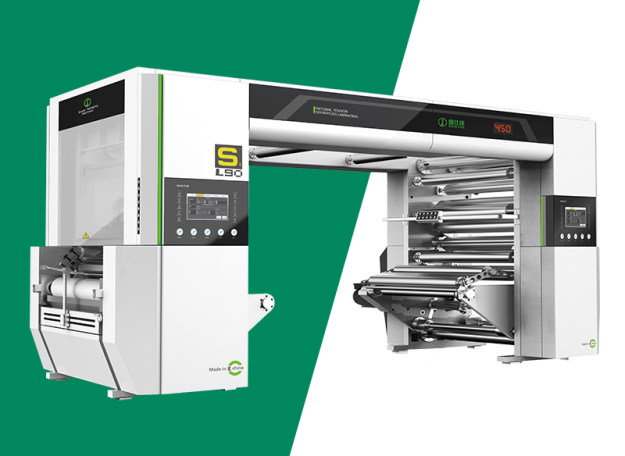
The lamination machine adopting safety, healthy and environmentally friendly process is more and more required, which is the reason why solventless lamination machine is developed rapidly all over the world.
1.It adopts 100% adhesive, no solvent residue, reducing the pollution of packaging contents, especially food, drugs, etc. There is no volatile solvent emissions in the production, and there is no pollution on the atmospheric environment.
2. Higher running speed. The speed of the solventless laminating machine can be as high as 480m/min, with no risk for fire and explosion.
3. Less adhesive consumption. Solvent-free lamination machine has Lower production cost than solve machine. Gluing and total cost have a certain decrease.
4. The solventless laminator has lower energy consumption. Since the usual drying system is not adopted, energy consumption can be significantly reduced.
5. Better return on investment. The investment efficiency of the solventless machine is doubled than the solvent-based laminating machine.
6. Reduce the danger of storage for organic solvent transportation.
Working Principe Of Solventless Lamination Machine
The glue of the solvent-free laminating machine is AB glue. Currently, the laminating structure of thin layer laminating thick layer, aluminized lamination, aluminum foil laminating, paper-plastic lamination. There is no solvent and no need to worry about solvent residue. It is greatly affected by the air temperature. The glue operability is only about twenty minutes. So the tension control and the winding taper have high requirements.
Sheet-fed gravure press adopts paper stack continuous sheet feeding and the web-fed gravure press adopts continuous feeding with web paper. There’re three types of arrangement of plate cylinder and impression cylinder, including vertical, horizontally, inclined and the plate cylinder is arranged below the printing portion. Generally, each unit has a printing cylinder and an impression cylinder. In order to increase the printing pressure, some are equipped with 2 impression cylinders.
The technical advantage of the solventless lamination machine is very obvious, with low glue cost and high efficiency, through the step-by-step method of the sample, small batch production, mass production, reducing risks and unnecessary losses.
How To Control The Coating Weight Of Solventless Lamination Machine
1. The effect of coating clearance on coating weight
The coating clearance of solventless laminating machine on the coating weight is very obvious and the coating clearance is various due to different solventless lamination machine manufacturers.
The material of the metering roller and the transfer steel roller are affected by temperature.
Bearing clearance of the coating roller. Bearing clearance of the metering roller. Stability of metering roller under mechanical vibration.
2. The effect of temperature on coating weight
The glue used by the solventless machine is highly affected by temperature. With the different temperatures of solventless lamination glue, the fluidity and viscosity of glue will change greatly. At the same time, The phenomenon of heating expansion and cooling contraction occurs in the coating roller and metering roller with the temperature changing of the gluing, which affects the coating clearance.
3. The effect of transfer rubber roller on coating weight
The hardness, proper alignment, smoothness of the transfer rubber roller directly affects the coating weight.
The corrosion resistance of the transfer rubber roller directly affects the coating weight. The pressure on the transfer rubber roller directly affects the coating weight.
4.Effect of the coating mechanism rotating speed on the coating weight
The coating weight adjustment of the solventless laminating machine is to adjust the ratio of the coating roller and the transfer steel roller. So the linear speed stability of the coating roller and the transfer steel roller will greatly affect the coating weight.
What Are Important For The Use Of Solventless Lamination Machine
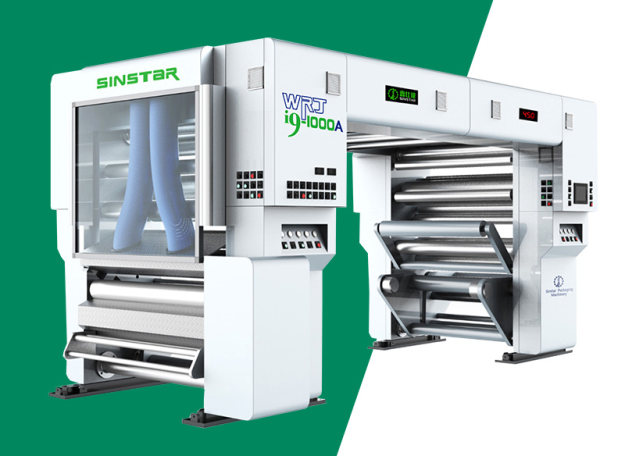
1.High control accuracy
The solvent-free machine requires high accuracy control because that the solventless glue substantially has no initial adhesion. There is a considerable high requirement for the soventless laminator tension control and high control accuracy for the coating unit.
2.High accurate production process
A solventless laminator requires precise control for the process settings such as operating temperature, tension match, and coating weight. For different product structures, different production processes are required.
3. High requirement for operator
A qualified operator of a solventless laminator needs good work responsibility and excellent operation skills.
4. Widely applicable structure
Early solvent-free lamination can only be applied to the composite of simple plastic to plastic. With the continuous improvement of the adhesive and the continuous maturity of the operating process, aluminizing film and some multi-layer structural products can also be produced. But for some highly rigid materials, there will be further developed.
The rubber fender has the characteristics of good elasticity, high engine absorption, convenient maintenance, long service life and facilitating large batch production with wide applications worldwide. Rubber fenders can not only protect ships and terminals but also reduce horizontal loads for the terminal, improving the berthing capacity of the wharf.
Types, Features, And Applications Of Rubber Fenders
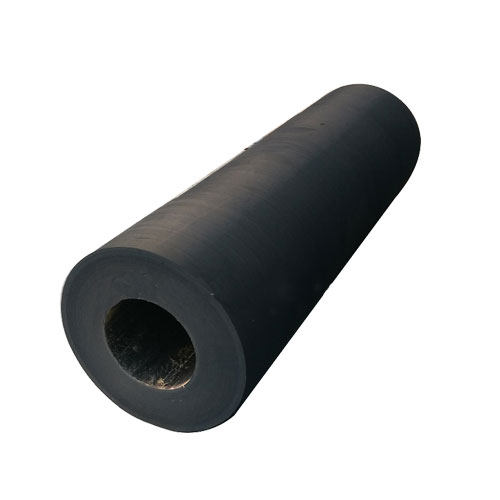
1. Circular rubber fender
Circular rubber fender also known as Y type fender, The characteristics are low reaction force, small in surface pressure, reasonable energy absorption, with wide applications and convenient installation and maintenance, especially suitable for vintage terminals.
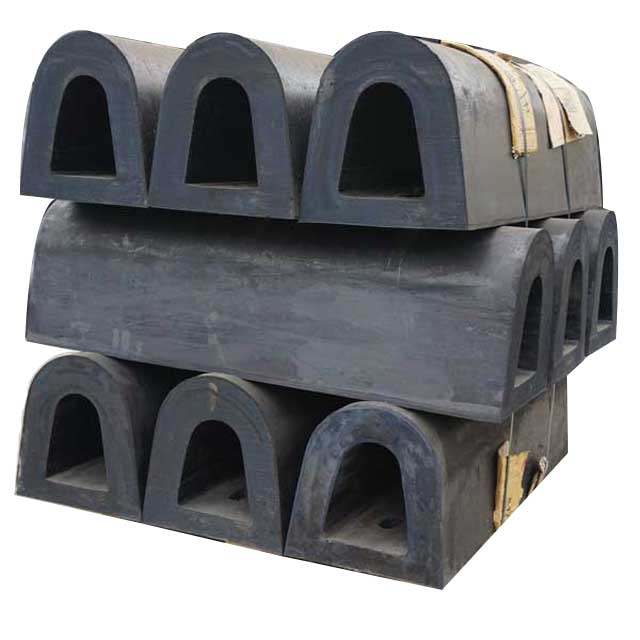
2. D-type ( semicircle) rubber fender
The D type rubber fender has a semicircle shape. It has the features of moderate reaction force, higher sucking energy than cylindrical fender, more convenient installation. Due to the small width bottom size, it is especially suitable for a frame-style wharf.
3. DO type rubber fender
The DO type rubber fender has a larger reaction force and energy absorption than the D type. Installation strength and service life are greatly improved than D type fender, suitable for frame-style terminals.
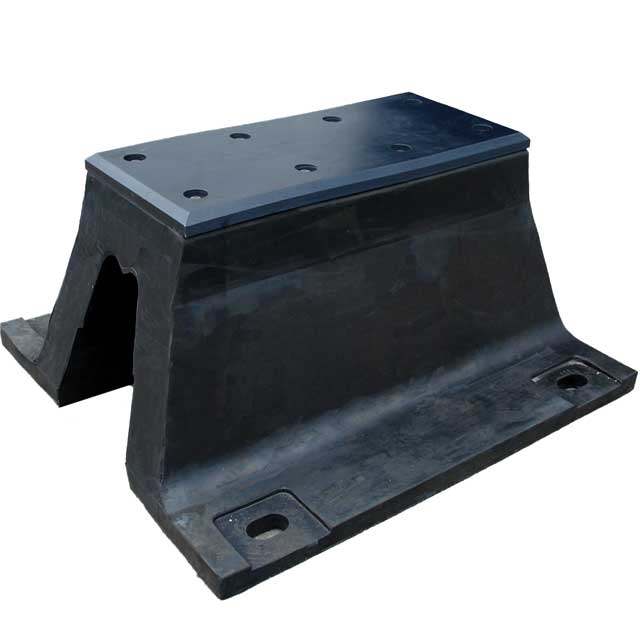
4. Super arch (V-type) rubber fender
The SA super arch fender is also known as V type rubber fender with moderate reaction force, high suction energy, firm and convenient installation.
5. DA type rubber fender
DA type rubber fender has the characteristics of high suction energy and low reaction energy. The products have higher stress dispersibility, long service life. The front end is equipped with a defense board to reduce the surface pressure. It has various installation methods, more convenient.
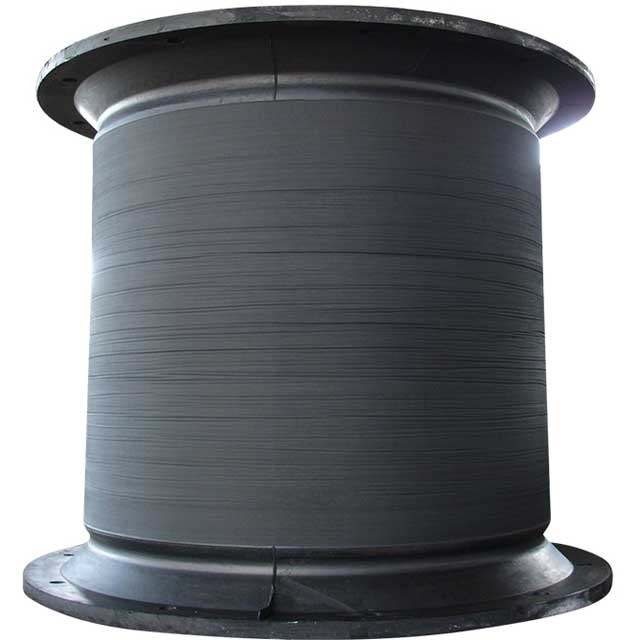
6. Super cell(SC)rubber fender
Super cell rubber fender also known as SC type rubber fender, has a drum shape. The main characteristics are low reaction force, large suction energy. The tilt compression mechanics property reducing is little. The installation is convenient. It is widely used for large and medium-sized wharfs.
Transportation And Storage Of Rubber Fenders
Transportation
1.The rubber fenders are transported by automobile.
2.Fender in the loading and unloading process, it should take the correct hoisting method. The rubber fender should be kept clean and do not hit. The fender should be placed firmly.
3. It should ensure the fender cargo is not unshifted, not loose in the entire transportation process.
4.After that the fenders are transported to the designated site, unload the cargo with suitable lifting equipment to avoid damage and collision.
Storage
When the rubber fender is stored, it should avoid direct sunlight, rain and snow and prevent contacting with acid, alkali, oils and organic solvent, 1 meter from the heat source. The inventory temperature is maintained at -15°C -40°C and the storage area is approximately about 400 square meters.
What Should Be Paid Attention To In The Daily Inspection Of Rubber Fenders
Concerning some things that should be paid attention to during the use of marine rubber fenders, the daily maintenance and inspection work must be done well.
1. Pay attention to check whether the fender is damaged and the air pressure is normal.
2. Check whether the surface of the fender rope has sharp things which will cause damage to the rubber fender.
3. Check whether the foot bolts of the fender and the bolts which fix the impingement plate are loose. If there is a loose, after tightened, it should fix the fixed bolt and pads through the welding method.
4. Check whether the impingement plate has the phenomenon of depression, cracking, corrosion, in order to prevent getting rust, the anti-corrosion treatment should be carried out once a year as much as possible.
5 Check whether the impingement plate has an anteversion which will easily be caused by the accumulation of materials on the inner side of the impingement plate.
6. Check whether there is scratching on the impingement plate, if so, it should be replaced in time.
7. Check whether the rubber elastic parts which will be lifting the impingement plate have an abnormality, timely treatment and replacement should be done for any abnormality.
Rubber fender used as a protection tool in wharf, all ships should be equipped with marine fenders, which can guarantee personal safety on board.
A marine anchor is an indispensable device for ensuring ship safety, which is used to stabilize the ship when the ship is not parked or mooring without a buoy. When some ships enter the berthing area, the anchor will be thrown into the water for steady berthing.
Why Marine Anchor Used For Smooth Boat Berthing
How does an anchor can stabilize a ship? Because the anchor is sinking to the bottom, which will generate a huge grasp force, and the gravity of the marine anchor chain itself is large enough. The ship will be fixed.
When the ship needs to be temporarily moored, the ship anchor will be thrown out. An extra length of the anchor chain will be put to more close to the bottom of the sea. As the anchor is slowly sinking, the fluke of the anchor will have contact with the underwater bottom. At the same time, the anchor fluke under the seabed will be subject to a horizontal tension force. Under the dual role of tension force and gravity, the anchor is slowly inserted into the seaside, which is getting stronger and ensures stable berthing and water safety.
The anchor chain is also very important, the total weight of the anchor chain is much larger than the anchor. The length or the anchor chain is several times larger than the water depth, and there is a relatively long anchor chain is lying on the water bottom, and the underwater also has a great friction resistance to the anchor chain.
How To Select The Anchorage
When the boat anchor is thrown, the boat cannot be started and control normally and will be drifting everywhere, so a safe and suitable anchorage should be selected before throwing, surveying its topography and choosing the appropriate mooring area.
The selected anchorage ground should have the appropriate water depth, no large waves, good shielding.
1. When the anchor station is selected in the deepwater area, the largest water depth of the anchorage generally does not exceed 1/4 of the total length of the anchor chain. Otherwise, the anchorage grasps will be affected.
2. The geological and terrain of the anchorage should be good, with moderate soft and hard bottom and clayey seabed, so that the anchor grasp force is better.
3. It is best that the terrain around the anchorage can provide a natural barrier to the vessel, which makes the anchor to get better into the underwater bottom, becoming more secure, so that the ship has stable berthing.
4. The anchorage should also be away from the channel, the water area and there is no cable below.
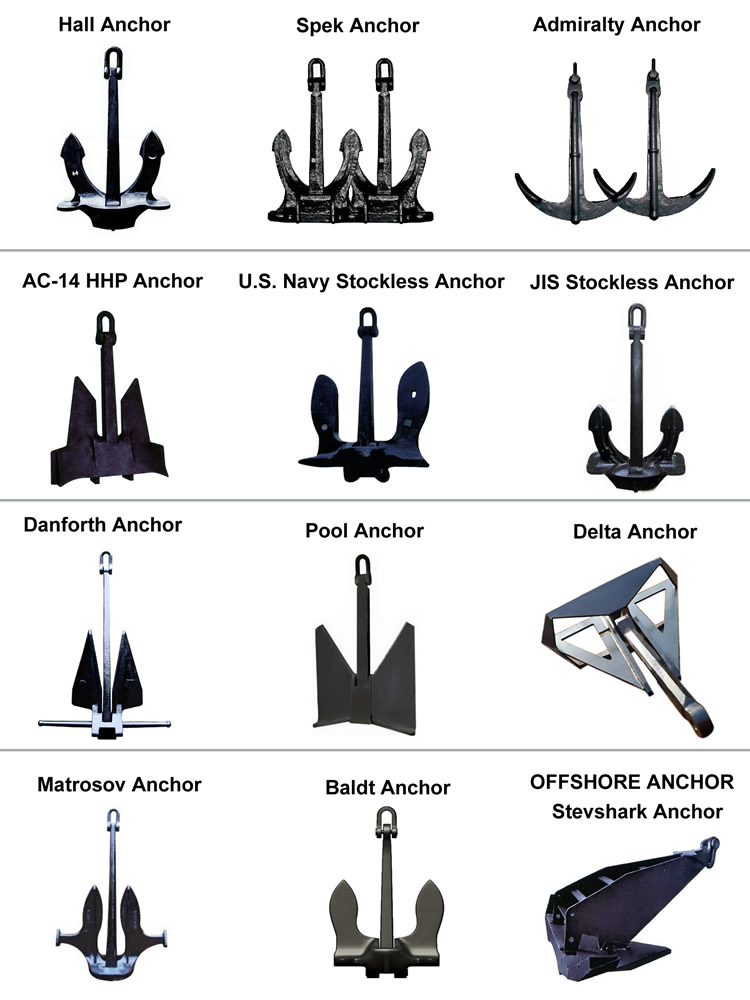
Main Types Of Marine Anchor
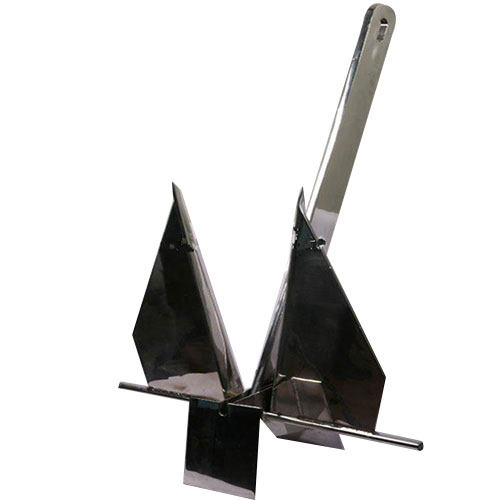
1. Danforth anchor
Danforth anchor is the first generation of high holding power anchors and belongs to stockless anchors with a large grasping weight ratio and rodent area. The gripping bottom is deep and numerous, and the grasping force is extremely large. But the anchor fluke is easily broken and the storage is inconvenient, not suitable for transportation boats.
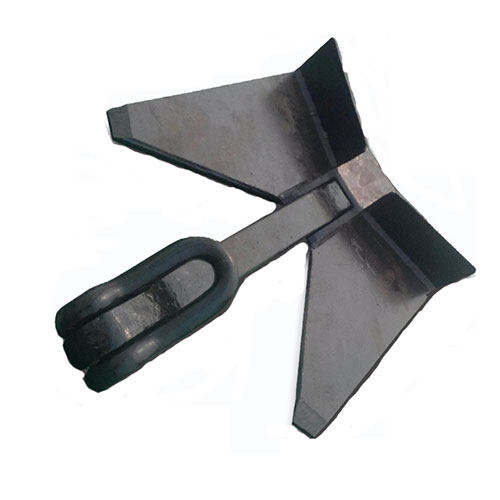
2.Bohr anchor
The Bohr anchor is also called TW type anchor or N type anchor. It has more than 2 times the holding power of the conventional anchor of the same weight. The anchor has large flat flukes made out of high tensile steel plate material. It is used as a bow anchor when sailing.
It is designed to fit into small anchor pockets on modern ships and the hollow flukes are welded from two plates to create strong anchoring performance under various circumstances.
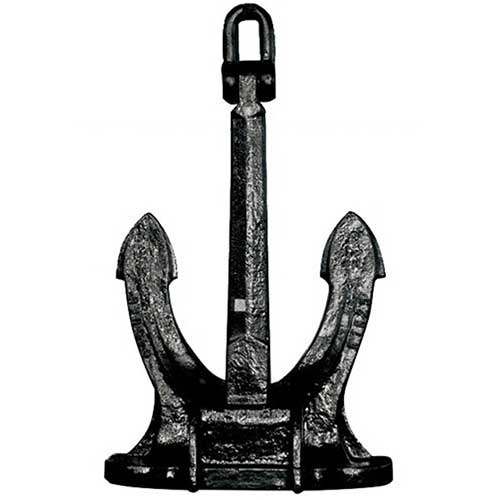
3.Hall anchor
Hall anchor is also known as the mountain anchor, which is a stockless HHP anchor, free to rotate, inclined to stock. The anchor head and the anchor fluke are a whole casting. When a lying anchor is contacted with the underwater bottom through any side of the anchor, the resistance generated by the anchor head strip friction discharge soil is forced to generate the grasp force of the anchor.

4.Spek anchor
The Spek anchor is a modified Hall anchor. Plate and reinforcing rib are installed at the anchor crown. Therefore, the fluke of the anchor is easy to turn to the ground with high stability and when stores the anchor, the anchor fluke naturally facing up. Moreover, in contact with the boat shell, it will not damage the boat shell plate.
5.AC-14 anchor
AC-14 anchor is a stockless HHP anchor with a wide anchor crown, thick and long flukes, and longitudinal ribs. It is available in a self-colored finish or in a galvanized finish. Its design provides excellent weight to performance ratios. The lighter weight which is 25% weight reduction compared to conventional anchors and high holding power makes it good stability and then it is commonly used as the main anchor on large container ships, supertankers. It has an excellent performance in a variety of soils.
