
Oil safety incidents such as blowouts, explosions, fires, and poisonous gas leaking can happen at any time. Front-line employees face significant safety concerns when extracting oil. The oil and gas simulator is used to solve this issue and ensure the safety of petroleum extraction. The use of a drilling simulator training system for drilling staff can considerably increase actual operation capability and crisis reaction capability, hence boosting oil drilling efficiency and safety.
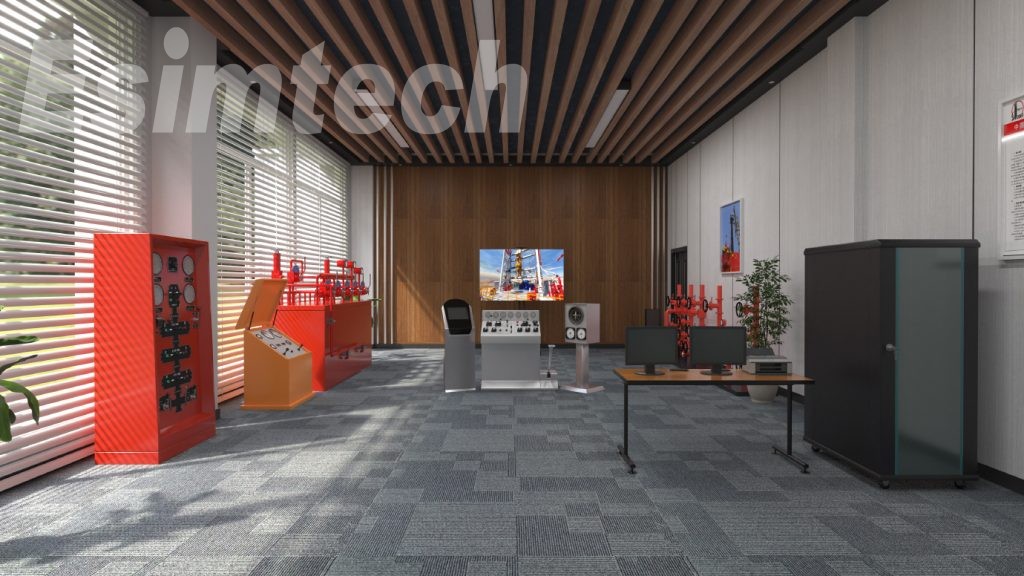
The Importance Of Oil & Gas Simulator
A high-performance oil and gas simulator is required to carry out simulation training. The petroleum equipment simulator, which uses computer technology, can not only replicate the appearance and functioning of real petroleum equipment, but also most common mishaps such as overflow, blowout, sticking, and so on.
The operator can utilize the simulator to learn how to operate petroleum equipment and can provide efficient and complete training on the basis of cheap cost and low risk, ensuring the trainees' operational safety following their formal employment. The simulator's control panel is nearly identical to that of the genuine pressure machine. The layout of the pressure gauge, operational lever, and valve control button is likewise created with the current condition in mind. The simulator's visual output is likewise highly realistic. Even the corrosion and oil marks on the equipment match the real-life setting. Through the 4K HD display system, the trained personnel can feel the real well site environment. Wearing VR virtual reality glasses, the trainees can fully immerse themselves in the virtual oilfield scene.

Professional Oil & Gas Simulator And Simulation Training System Provider – Esmitech
Esmitech insists on a custom production mode in order to make the simulator a reality. Engineers will go to the oil field early in the construction of each simulator to perform extensive research and personalize the product to the actual circumstances. Not only should the simulator's appearance and performance be accurate, but so should the sound made by the equipment when it is in use on the job site. Esmitech must also be able to imitate it. Although the adoption of customized production simulators is delayed, the simulators created in this manner are unique and can provide the maximum level of safety guarantees for front-line workers.
Coiled tubing is referred to as a universal operating mechanism. It is becoming increasingly popular due to its convenience. Esmitech has created a full-size coiled tubing simulator.
In order to make the video image real, Esmitech needs to measure every detail with artistic standards from image modeling, detail rendering to animation generation.
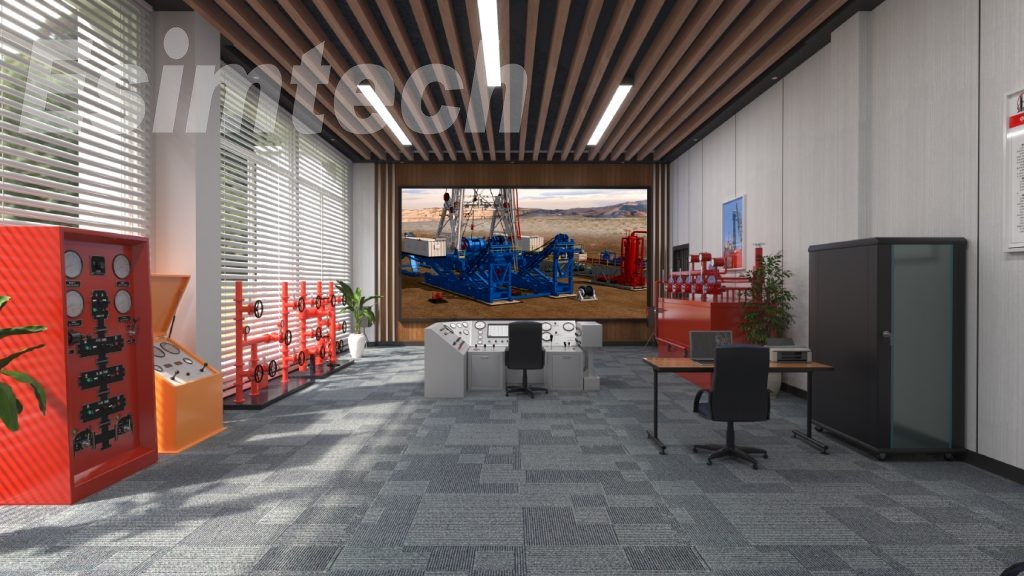
Esmitech has created 15 petroleum engineering simulation training systems, such as downhole operation simulators, oil and gas production and transportation simulators, and well logging simulators, which are represented by the drilling simulation system. Simultaneously, Esmitech can offer specialized services such as industrial animation, VR simulation training, and large-scale software systems that cover the entire field of oil and gas exploration.
Esmitech has now become one of the leading oil and gas simulator producers, having successfully entered the markets of many major oil producing countries in the Middle East, Africa, and the Americas.
In biological research, high-pressure steam sterilization is a frequent sterilization procedure. An autoclave, on the other hand, is a laboratory autoclave device. The autoclave is classified into three types based on its capacity: portable, vertical, and horizontal. An autoclave is commonly used in medical schools, medical and health facilities, food and chemical laboratories, biological research, and other divisions. It can sterilize equipment, dressings, utensils, liquid medicines, culture mediums, and other items. However, it also contains some hidden dangers that should not be overlooked.
What should I pay attention to when using an autoclave
1) The majority of non-automatic temperature-controlled sterilizers are tiny. Cold air must be expelled when using this type of sterilizer. If the cold air is not expelled, the thermal expansion of the cold air will damage the pressure cooker's working pressure. The temperature reported by this pressure is greater than the actual working temperature in the pot, and the sterilization pot's working temperature cannot achieve the set sterilization temperature, affecting the sterilization effect.
2) Sterilization pot with automatic temperature control The thermode in the automatic temperature control sterilizing pot monitors the temperature change in the pot, and the temperature displayed on the display is the actual operating temperature in the pot. The sterilizing temperature requirements can also be met.
Because saturated steam has the optimum sterilization effect, cold air should also be expelled when using an automatic temperature control sterilizer to optimize the sterilization effect. To release a tiny amount of steam, turn the valve to the left (draining to the right).
Some sterilization equipment also has an adjustable exhaust valve. Keep the exhaust valve slightly open during the sterilizing process to exhaust cold air.
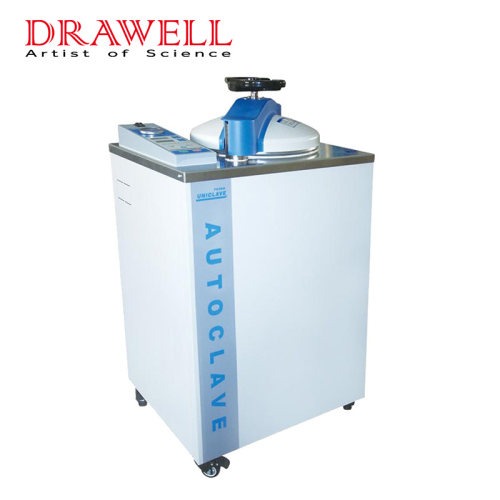
Simple Safety Checks for Automatic Temperature Controlled Autoclaves.
Manually open the safety valve to see if it is working properly.
When adding water, check to see if the water level indicator light illuminates normally.
Using the assumption of omitting cold air, compare the temperature on the display to the temperature shown by the pressure gauge. The pressure gauge temperature is usually slightly higher than the temperature on the display. It can be used routinely if the pressure difference is less than 3°C.
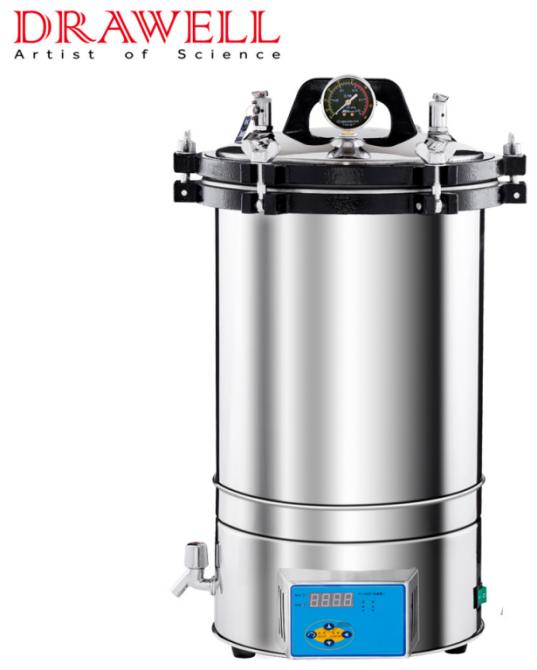
Factors Affecting Sterilization Efficiency.
(1) Water: An excessively high water temperature may cause the predetermined vacuum level to vary, therefore keep the water temperature as low as possible. The sterilizer's water should fulfill the necessary water quality standards, and the temperature should not exceed 15°C. Water has a hardness value of 0.72.0mmoL/L.
Outside of this range, hardness values can induce scaling and corrosion, which can limit the life of the autoclave. The water must be filtered and sanitized before use, and the pot must be maintained clean.
(2) The degree to which steam is dry To maintain a linear relationship between temperature and pressure, the sterilizer should use saturated steam with a degree of dryness of not less than 0.9, that is, the moisture content of the steam should not exceed 10% and the degree of dryness should not be less than 0.95 under the metal load state. The time necessary for sterilization once the sterilization chamber achieves the specified temperature during the sterilization process is referred to as sterilization time. During operation, keep an eye on the steam inlet speed and pressure, and generally keep the pressure and temperature growing in sync.
What should be paid attention to when sterilizing liquid substances
Liquid sterilization is frequently required in the workplace. The autoclave's instructions state that it can sterilize bottle-shaped liquids, yet unexpected scenarios arose throughout the experiment:
Sterilize with an open glass bottle, which reduces the liquid in the glass bottle by one-third; tightly seal the bottle mouth with plastic film, which is broken in the middle, and the liquid in the glass bottle is still decreased by 1/3.
When sterilizing liquid substances, pay attention to the pressure relief not being too quick, closing the exhaust valve as little as possible, maintaining the natural pressure reduction, and maintaining the system's original balance to prevent liquid reduction or splashing.
To guarantee the autoclave's safe and effective operation, daily maintenance and maintenance should be improved, and various control valves should be inspected on a regular basis to ensure normal working conditions.
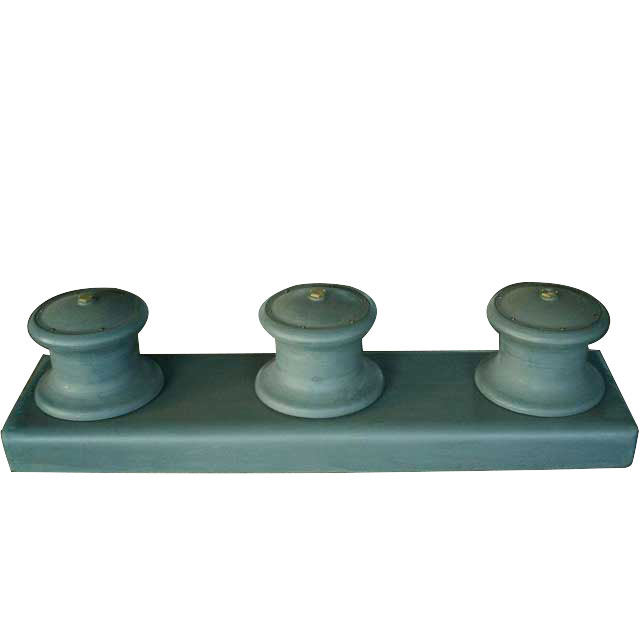
A roller fairlead is a mechanical device used in the maritime industry to guide ropes or cables while reducing friction. It is frequently made up of a number of rollers or sheaves that are fastened to a frame or structure and arranged in a certain arrangement to guide ropes or cables smoothly and evenly.
Function Of A Roller Fairlead
The key function of a roller fairlead is to guide ropes or cables in a controlled manner, eliminating the possibility of friction, wear, and damage. A roller fairlead reduces resistance during movement by providing a smooth and properly aligned passage for the ropes or cables, resulting in improved efficiency and less wear on the ropes or cables.
Roller fairleads are used in many industries, including maritime and offshore, construction, transportation, and other heavy-duty enterprises that require ropes or cables for lifting, towing, or other operations. Winches, cranes, hoists, towing systems, and other pieces of equipment that require the controlled movement of ropes or cables are common places to find them.

Benefits Of Using Roller Fairleads In Load Handling Operations
Reduced friction and wear
Roller fairleads reduce friction and wear by providing a smooth and controlled path for ropes or cables during movement. This increases rope and cable longevity by decreasing abrasion and damage caused by rubbing against sharp edges, corners, or rough surfaces.
Improving efficiency
Marine roller fairleads enable the smooth and even movement of ropes or cables, lowering resistance and increasing load handling efficiency. This can result in speedier and more efficient processes, as well as less downtime and higher productivity.
Enhancing safety
Roller fairleads reduce the danger of accidents and injuries during load handling operations by directing ropes or cables in a controlled manner, reducing the possibility of unexpected jerks or snags. Ropes and cables that are properly aligned and tensioned also reduce the potential of dangerous rope or cable breakdown.
Versatility
Roller fairleads are versatile and adaptable to a wide range of load handling requirements since they can be used in a variety of applications and industries. They can be used on a wide range of equipment, such as winches, cranes, hoists, towing systems, and so on.
Consistency in load handling
Marine roller fairleads maintain perfect alignment and tension on ropes and cables, allowing for more consistent weight handling activities. This can improve load handling precision and accuracy, reducing the possibility of weight shifting or unequal distribution.
Factors To Consider When Selecting A Roller Fairlead
Load capacity
The roller fairlead's load capacity should be sufficient to handle the maximum load imparted to the ropes or cables during the load handling activity. To ensure safe and dependable operation, it is necessary to examine both static and dynamic loads and select a roller fairlead with an adequate load rating.
Rope or cable size
The roller fairlead should be compatible with the size and kind of rope or cable used in the weight handling operation. Examine the diameter, construction, and substance of the ropes or cables when selecting a roller fairlead to ensure a proper fit and smooth movement.
Mounting arrangement
The installation arrangement for the roller fairlead should be compatible with the equipment or structure where it will be installed. Consider the available space, mounting options (e.g., horizontal, vertical, angled), and the structural soundness of the mounting arrangement to ensure safe and secure installation.
Roller or sheave configuration
The rollers or sheaves on the roller fairlead should be configured specifically for the task. Consider parameters such as the number of rollers or sheaves, their spacing, and alignment. to ensure proper rope or cable guidance and to reduce friction during movement.
Material and construction
The material and structure of the roller fairlead should be appropriate for the environment and conditions in which it will be used. Factors such as corrosion resistance, durability, and maintenance requirements should be considered to ensure long-term performance and reliability.such as the number and spacing of rollers or sheaves.
Safety features
The roller fairlead should incorporate suitable safety elements such as guards, covers, or locking mechanisms to avoid accidental disengagement or entanglement of ropes or cables during operation. Safety elements should be in conformity with relevant industry norms and laws to ensure safe operation.

Manufacturer reputation and support
Consider the roller fairlead manufacturer's reputation and support. Look for reputable manufacturers with a track record of producing dependable and high-quality roller fairleads, and ensure that they provide adequate technical support, documentation, and after-sales service.
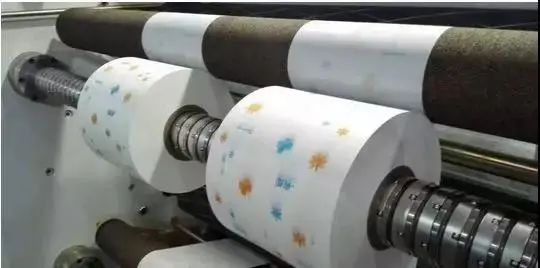
The coil industry is heavily reliant on web tension control, particularly for applications involving continuous webs or strips of materials such as paper, film, plastic, or metal. A web tension controller measures and controls the tension on the web during the manufacturing process. This method is critical for ensuring that the finished product meets the required specifications.
The Importance of Web Tension Controller in Coil Industry
Consistent Quality
Web tension must be maintained constantly for the production process to generate goods of consistently excellent quality. Any variations in web tension can cause faults or consistency concerns in the final product. For example, if the web tension is excessively high, the material may strain, resulting in a misshapen product. If the tension is too low, the material may wrinkle, resulting in defects.
Improved Productivity
Productivity can be increased by reducing waste during production with a web tension controller. With adequate tension control, the likelihood of faults can be reduced and the need for rework or scrap reduced. This could lead to higher yields and more efficient production.
Equipment Protection
A web tension controller may also help to prevent equipment damage. Web-handling equipment, such as spindles and rollers, can be destroyed if web tension is not properly handled. With effective tension control, the need for repairs or replacements can be reduced, and damage can be avoided.
Factors Affecting Web Tension Controller
Web Material
The web tension can be impacted by the kind and characteristics of the web material. The amount of tension necessary to maintain the correct web tension might vary depending on the elasticity, stiffness, and friction properties of the material being used.
Web Speed
The type and qualities of the web material can have an effect on the web tension. The amount of tension required to maintain adequate web tension may vary based on the material's elasticity, stiffness, and friction qualities.
Roll Diameter
The web tension may vary depending on the roll’s diameter. In order to maintain the desired tension, the web tension must increase as the roll diameter does.
Web Width
The web tension varies with the width of the web. Wider webs require more stress to maintain the desired tension.
How Web Tension Controllers Work
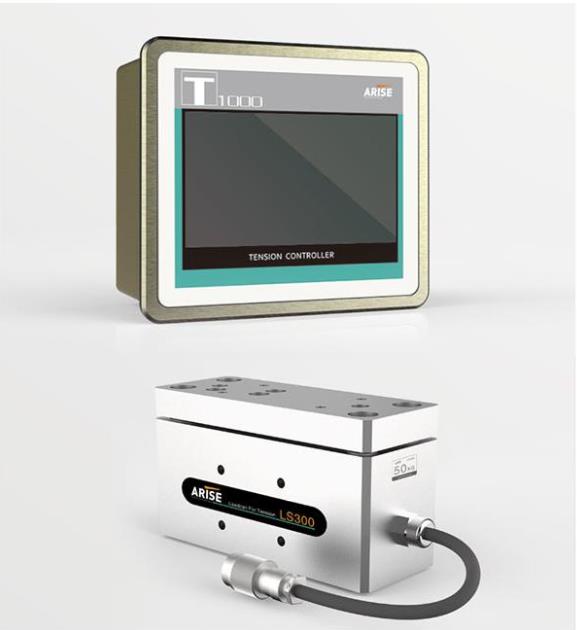
Using sensors, web tension controllers monitor the tension of the material as it passes through the manufacturing process. The web guide sensor delivers a signal to the controller, which compares the current tension to the target tension and makes necessary adjustments.
The tension can be varied by changing the web speed, adding tension with brakes or clutches, or changing the torque of the driving engine.
Web tension controllers normally use a closed-loop control method, which means the controller continuously checks the tension and makes real-time adjustments to maintain a consistent tension level. This contributes to the material being treated appropriately and to the desired quality standards.

Web Tension Controller Types
Closed-loop
Closed-loop controllers use feedback sensors to measure web tension and modify it as needed. The controller compares the present tension to the target tension and adjusts the brake or clutch to maintain it. Closed-loop controllers are incredibly accurate and can keep tension control exact even at high speeds.
Open-loop
To alter the tension of the brake or clutch, open-loop controllers use a set-point. However, they do not use feedback to adjust the tension. They are less accurate than closed-loop controllers and are often employed in applications where web tension requirements are less tight.Manual
Manual controllers are employed in applications where web tension is not crucial. These controllers employ a hand-operated brake or clutch to alter the tension. Although manual controllers are inexpensive, they are not suitable for high-speed or precision applications.
Benefits of Web Tension Controllers
1. Increasing Productivity
By reducing downtime and waste, web tension controllers can help to increase productivity. The process can run more smoothly and efficiently if the tension level is kept constant.
2.Improving Productivity
By ensuring that the finished product is built to the appropriate specifications, web tension controllers can help to improve its quality. This can reduce rejects while boosting customer satisfaction.
3.Cost Savings
Waste, downtime, and rejected products can all be reduced with web tension controllers. This can help to increase profitability while also cutting overall processing expenses.
4.Flexibility
Web tension controllers can be used with a variety of materials and processing conditions. As a result, they are very adaptable to a variety of manufacturing situations.
5.Safety
By minimizing the danger of accidents and injuries caused by manual tension management methods, web tension controllers can help to improve workplace safety.
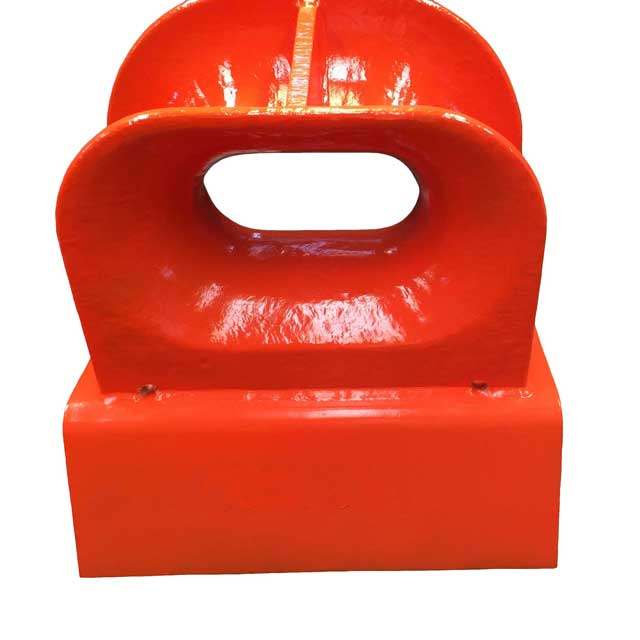
Mooring chocks are used to secure mooring lines, which are used to anchor or dock a vessel to a berth, jetty, or other mooring points, and distribute the load from the mooring lines, preventing excessive stress or damage to the ship’s structure. They are used for docking, anchoring, and fastening vessels during loading and unloading activities.
Mooring Chock Material Selection
Marine mooring chock materials must be carefully selected to ensure their lifespan, strength, and resistance to corrosion and wear in the harsh marine environment.
When selecting materials for mooring chocks, several factors are taken into account.
Strength and load bearing capacity.
Marine mooring chocks are subjected to heavy weights and stresses from mooring lines, which vary depending on vessel size and type, as well as environmental conditions. As a result, mooring chocks are typically manufactured of high tensile strength and load-bearing materials, such as steel, to ensure that they can withstand the imposed loads without deformation or failure.
Corrosion Protection
Because of the presence of saltwater, marine environments are very corrosive, causing metals to corrode quickly. To ensure long-term performance and durability, materials with superior corrosion resistance, such as stainless steel, bronze, or high-quality composites, are often utilized for mooring chocks.
Wear Resistance
Mooring chocks can wear out over time owing to friction with mooring lines, resulting in surface damage or erosion. Hardened steel or long-lasting composites, for example, are routinely used to decrease wear and increase the life of mooring chocks.
Weight and Density
The weight and density of the materials used for mooring chocks can have an impact on the total weight and stability of the vessel. Low density materials, such as aluminum or some composites, can be used to make mooring chocks lighter without compromising strength or longevity.
Cost
The cost of mooring chocks also influences material choices. While stainless steel and bronze are extremely strong and resistant to corrosion, they may be more expensive than other materials. As a result, a balance of performance, durability, and cost must be considered while selecting materials.
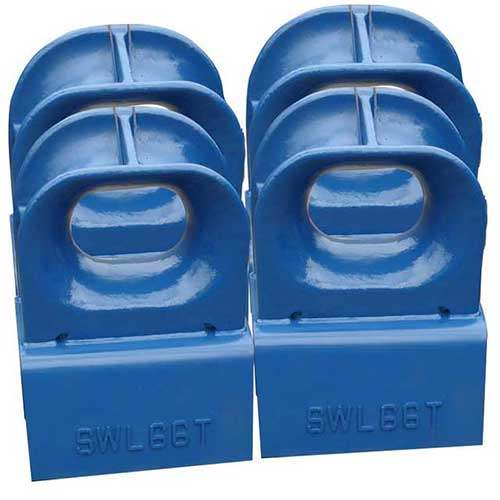
Common materials used for mooring chocks
Steel
Steel is a preferred material for mooring chocks due to its high strength, load-bearing capacity, and longevity. It can be used in mild steel, high-tensile steel, or stainless steel, depending on the application and environmental conditions.
Bronze
Bronze is a corrosion-resistant material that is commonly used in maritime applications like mooring chocks. It offers high strength, wear resistance, and endurance, making it perfect for mooring chocks that must operate well and resist corrosion.
Composites
Fiberglass reinforced plastic (FRP) and carbon fiber reinforced plastic (CFRP) are lightweight, corrosion-resistant, and have a high strength-to-weight ratio. They are increasingly being employed in marine applications such as mooring chocks due to their excellent performance.
Aluminum
Aluminum is a lightweight material with moderate strength and resistance to corrosion. When weight reduction is desired, it is commonly used for mooring chocks on small boats or lightweight vessels.
Structural Components And Features Of Mooring Chock
Marine mooring chocks are frequently made up of multiple structural components and have certain design elements to ensure optimum performance.
Chock Body
The primary body of the mooring chock is often a strong metal or composite construction that serves as the chock’s main framework. It could be shaped like a U or V, with smooth, rounded sides to protect the mooring lines. The chock body is designed to bear mooring line loads and distribute them equally to the vessel’s structure.
Mounting Base
A mounting base or flange is often used to secure the mooring chock to the vessel’s deck or hull. The mounting base is intended to securely attach the mooring chock to the framework of the vessel, providing stability and strength during mooring operations.
Fairlead
A fairlead is a guiding element in the chock body that helps to direct and guide mooring lines as they pass through the chock. It prevents mooring lines from rubbing against the chock body, thereby reducing line wear and tear and ensuring smooth movement during mooring operations.
Rollers or Sheaves
Rollers or sheaves are integrated into the body of some mooring chocks. These are designed to reduce friction on the mooring lines as they pass through the chock, resulting in less line wear and tear and smoother movement.
Bolts or Fasteners
To secure maritime mooring chocks to the vessel's frame, bolts or fasteners are frequently employed. To maintain the mooring chock securely connected to the vessel during mooring operations, these bolts or fasteners are sturdy and corrosion-resistant.
Drainage Holes
Drainage holes or channels in mooring chocks allow water to drain away from the chock, avoiding water accumulation and lowering corrosion risk.
Load Ratings and Markings
Mooring chocks frequently have load ratings or signage indicating maximum load-bearing capability. This data ensures that the chocks are used within their design parameters and acts as a reference for safe mooring operations.
Proper Orientation and Placement
Marine mooring chocks are frequently built with certain orientation and position requirements to ensure optimal function. They are commonly installed in critical regions of the vessel to ensure appropriate force distribution and safe and successful mooring operations.
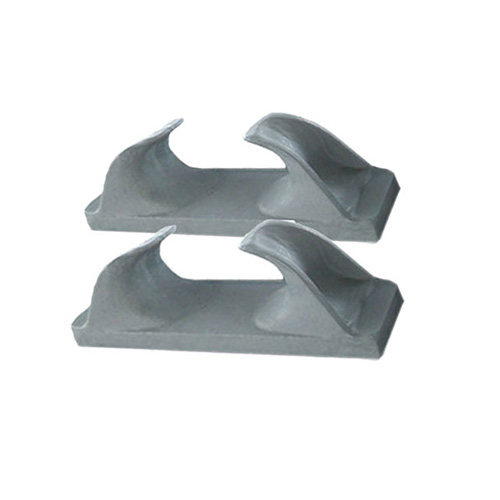
Innovations Of Mooring Chocks
Mooring chock materials, technologies, and designs have been continuously updated to improve performance, longevity, and safety.
Composite Materials
Traditional marine mooring chocks are generally made of metals such as steel or cast iron. Composite materials, on the other hand, are increasingly being used in marine mooring chocks due to features such as high strength-to-weight ratio, corrosion resistance, and reduced maintenance requirements. Composite materials, such as fiberglass-reinforced polymers (FRP), are used to make chock bodies, rollers, and fairleads, which provide greater durability and service life.
Non-metallic Coatings
Non-metallic coatings for marine mooring chocks have been developed as a result of developments in coating technology, providing improved corrosion resistance, less friction, and longer longevity. Specialized polymer coatings, epoxy coatings, or other corrosion-resistant coatings may be used to help mooring chocks last longer and require less maintenance.
3D Printing
Additive manufacturing, also known as 3D printing, is quickly becoming popular in the production of marine mooring chocks. Because 3D printing allows for complex geometry and customization, mooring chocks with optimized designs and improved performance are possible. 3D printing has the potential to enable more sustainable production processes by reducing material waste and energy use.
Integrated Load Monitoring
Some marine mooring chocks now have integrated load monitoring devices, such as load cells or strain gauges, that allow real-time monitoring of the loads applied to the chock. This improves safety by providing feedback on the actual loads faced by the chock during mooring operations, allowing for preventative maintenance and avoiding overloading.
Design Optimization
Advances in computer-aided design (CAD) and finite element analysis (FEA) have enabled optimized designs for maritime mooring chocks. Computational simulations can be used to anticipate and analyze mooring chock performance under various loads and environmental conditions, resulting in superior designs with more strength, better load distribution, and lower stress concentrations.
Environmentally-friendly Designs
Design advances in marine mooring chocks also address environmental sustainability. Some mooring chocks, for example, are designed with rounded curves and smooth surfaces to reduce the possibility of marine animal entanglement and, as a result, the impact on marine ecosystems.