
The balance is a popular piece of laboratory equipment. Have you ever experienced any doubts about your daily operations? Let's look at the "9 Questions of Laboratory Analytical Balances".
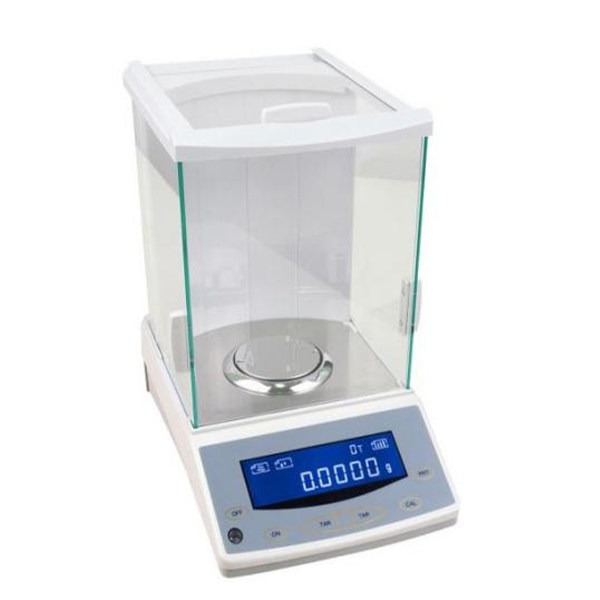
1. Is it necessary for the laboratory to construct a dedicated balance chamber to house the thousandth analytical balance?
The temperature should not be more than 30 degrees Celsius, the humidity should not be higher than 85%, and the temperature difference during operation should not be greater than 5 degrees Celsius. However, whether it may be installed directly in the test room or on a separate platform should take into account whether the room is subject to effects such as corrosive gas, vibration, and airflow.2. Should the silica gel in the electronic balance be updated on a regular basis, and if so, how frequently?
Experts advise against using desiccant in the balance and instead to control the temperature and humidity between the balance. To put it another way, it is based on the actual scenario, and half of the discolouration will need to be replaced.3. How should an analytical balance be calibrated?
For around 2-3 hours, the balance should be warmed.
If the balance is not level, it should be changed.
When there is nothing to weigh on the balance's weighing pan, it should display the zero position consistently.
To begin the internal calibration function of the balance, press the "CAL" key, and the electronic balance will display "C" later, indicating that the internal calibration is in progress.
When the electronic lab balance display shows a zero position, the balance should have been calibrated.
4. Do different precision classes of analytical balances serve different purposes?
The accuracy has decreased, and the process preparation test has been completed.
Do technical testing at 1/1000th.
Do the above test and the chemical analysis test at 1/10,000.
Do instrumental analysis at 1/100,000 scale.
For instrumental analysis, the accuracy is one in a million.
5. Does the usage of weighing paper impact the analytical balance's measuring results?
If the sample is too small to be weighed, it may be impacted by buoyancy and static electricity during weighing, resulting in unreliable weighing findings.
The weighing paper's outer edge extends beyond the range of the weighing pan, causing the weighing center of gravity to move.
Other than the weighing pan, the weighing paper comes into contact with other parts, resulting in erroneous weighing readings.
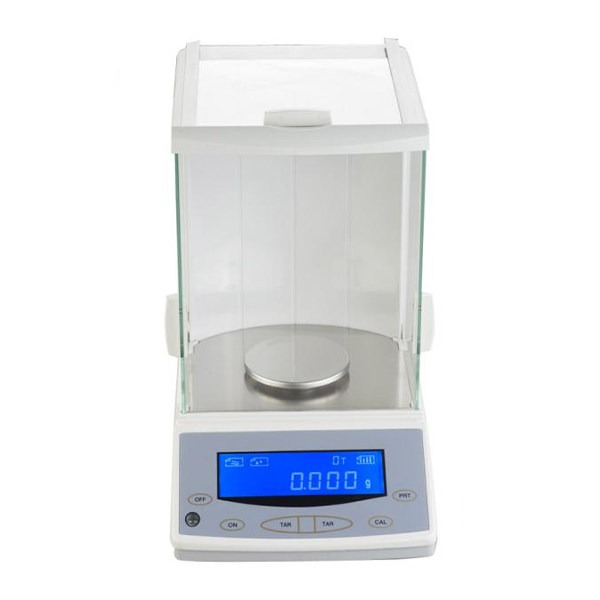
6. Is the scale's last digit a suspicious number?
Ordinarily, the last digit is the display division value d, which is an approximate value, and the penultimate digit is the real division value e, which is an exact value. However, there are certain exceptions: some balances e=d, in which case the last digit is the actual number.
7. Under the condition that the balance does not exceed the range, why can’t the required medicine be directly weighed in a beaker?
Laboratory analytical balances are precision instruments, and beakers are usually of large mass. Even within the weighing range, pick-and-place affects the accuracy of the balance more than weighing paper. Also has a great effect on balance! Therefore, direct weighing with a beaker is generally not recommended, but not impossible.
8. How can the performance of an electronic balance be judged?
How can we get a low-cost performance balance while purchasing electronic balances?
Stability is classified into two types: long-term stability and immediate stability. Long-term stability indicates that the electronic balance does not change greatly in temperature over time, but instantaneous stability means that the value displayed on the balance after measuring an object is presented immediately and remains unchanged.
After turning on the power, the difference in weight changes of the same additional test object over time is maintained for a long time. The smaller the discrepancy between the following parameters, the more steady the electronic balance's performance.
Linear accuracy: A highly significant indication for measuring electronic balances is the linearity indicator. It mostly relates to the difference between the displayed and absolute values over the whole weighing range.
Even after full-scale calibration, it is difficult to acquire accurate weighing values within the weighing range of a poor-quality electronic balance.
Sensitivity: Refers to the resolution and the time restriction that it reflects. The calibration division value e or the display resolution d are both referred to as resolution.
Smaller values are preferable (more sensitivity). Given the time constraint, the faster the electronic balance increases a sensitivity value after adding a sensitivity value, the better.
9. What do the letters e and d in electronic balances mean?
d is the "actual division value" and is the "calibration division value." Simply defined, the "actual division value" d denotes the readability of the balance, while the "verified division value" e denotes the accuracy of the balance.
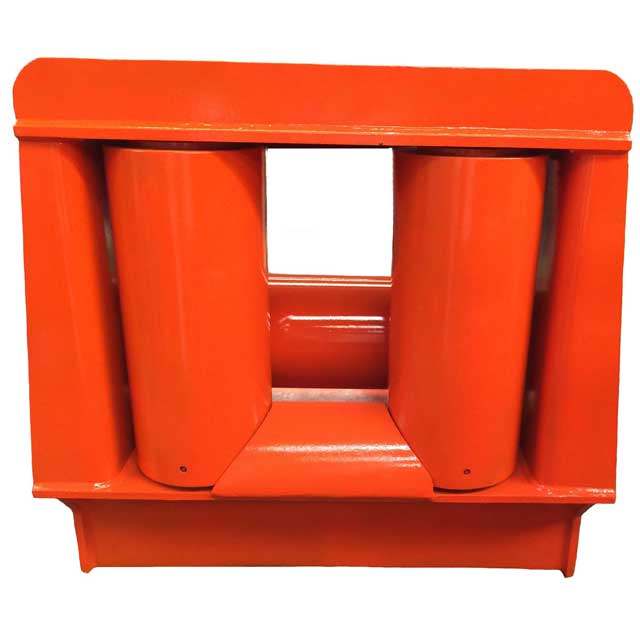
Roller fairleads are mechanical devices used to smoothly guide ropes, cables, or wires around bends or corners in a range of applications such as winches, cranes, and other heavy machinery. They are designed to reduce friction and wear on ropes and cables, allowing for more efficient and safe operation.
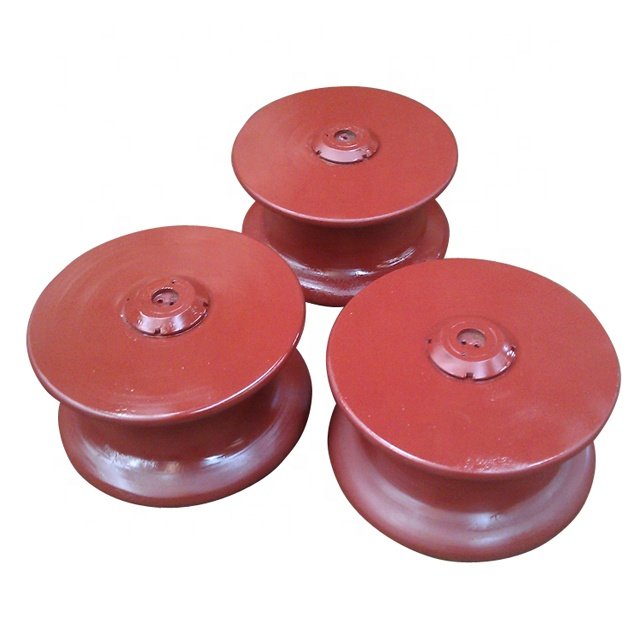
How Roller Fairleads Work
The working of roller fairleads is the utilization of a row or circular arrangement of cylindrical rollers. These rollers are often made of metal or other durable materials and are mounted on a frame or housing.
When a rope or cable passes through the roller fairlead, the rollers freely rotate, allowing the rope or cable to run smoothly and change direction with minimal friction. The rollers are usually spaced at regular intervals to keep the rope or cable properly aligned as it passes through the fairlead. This prevents the rope or cable from rubbing against sharp edges or surfaces, which would otherwise cause abrasion and damage.
Types of Roller Fairleads
Horizontal Roller Fairleads
The rollers are positioned horizontally in a row in these basic roller fairleads. Horizontal roller fairleads are frequently used to guide ropes or cables in straight lines or over minor bends.
Vertical Roller Fairleads
The rollers in this type of fairlead are arranged vertically, often in a round or semi-circular pattern. They are most commonly used in situations when the rope or cable must reverse direction in a vertical plane, such as ship mooring or lifting.
Angle Roller Fairleads
Angle roller fairleads guide ropes and cables around corners and sharp bends. They frequently have rollers that are oriented in the same direction as the rope or cable, allowing for smooth direction changes while reducing friction and wear.
Multi-Roller Fairleads
In these fairleads, many rows of rollers, often staggered, are employed to provide additional support and stability for the rope or cable. They are commonly used in heavy-duty applications demanding heavier loads or larger ropes/cables.
Swivel Roller Fairleads
Swivel roller fairleads are designed to rotate or swivel, giving you more freedom while guiding ropes or cables in different directions. They are frequently employed in applications where the pull direction varies, such as off-road winching or marine towing.
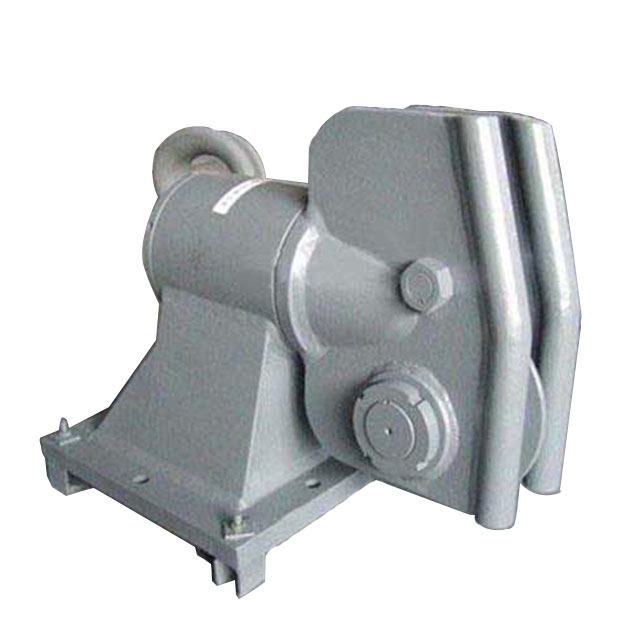
Combination Roller Fairleads
These fairleads combine several roller configurations, such as horizontal, vertical, and angle rollers, in a single unit. They offer adaptability and flexibility in steering ropes or cables in various directions and are frequently employed in complex applications requiring multiple changes in direction.
Construction and Components of Roller Fairleads
Roller fairleads are frequently built of durable materials such as steel, stainless steel, or other corrosion-resistant materials to withstand heavy loads, harsh environments, and extensive use.
Frame or Housing
The frame or housing is the basic component of the roller fairlead that holds and supports the rollers. It is often made of a robust material that is designed to withstand the loads and stresses delivered to the fairlead.
Rollers
The cylindrical components that guide the rope or cable through the fairlead are known as rollers. Depending on the type of fairlead, they are typically formed of metal or other sturdy materials and can be positioned horizontally, vertically, or at an angle.
Roller Bearings
Roller bearings allow the rollers in fairleads with rotating or swiveling rollers to operate smoothly. They are often placed within the rollers or the frame/housing and allow the rollers to revolve or swivel.
Mounting Brackets
Mounting brackets secure the roller fairlead to the equipment or structure to which it is mounted. They are often welded or fastened to the fairlead's frame or housing and provide stability and support while in use.
Guide Plates or Flanges
Certain roller fairleads may incorporate guide plates or flanges to assist in guiding the rope or cable onto the rollers and preventing it from falling off. They are often found at the fairlead's entry and exit points and can be adjusted or secured in place.
Grease Fittings
Grease fittings or lubrication points can be installed in the fairlead to enable frequent lubrication of the rollers and bearings, resulting in smoother performance and a longer service life.
Mounting Hardware
Mounting hardware such as bolts, nuts, washers, and other fasteners are typically used to secure roller fairleads to the equipment or structure.
Protective Coatings
Roller fairleads can be covered with corrosion-resistant coatings like paint or galvanization to increase durability, particularly in maritime or other severe environments.
Labels or Markings
Roller fairleads may include labels or markings that provide critical information like as load capacity, operating directions, or safety warnings to guarantee proper and safe operation.
Best Practices For Safe Operation And Maintenance
Follow Manufacturer's Instructions
When installing, using, and maintaining roller fairleads, always follow the manufacturer's instructions. This includes proper rope or cable attachment, alignment, and tensioning, as well as regular lubrication and inspection per the manufacturer's specifications.
Inspect Regularly
Regularly inspect the roller fairlead for signs of wear, damage, or corrosion. As needed, replace or repair any loose or missing bolts, damaged rollers, bearings, or other components. Because ropes and cables are prone to wear and breakage, special attention should be taken in areas where they enter or exit the fairlead.
Lubricate as Needed
Lubrication of rollers and bearings is vital for smooth functioning and reducing friction and wear. Follow the manufacturer's lubrication type and frequency requirements, and ensure that grease fittings or lubrication points are inspected and properly greased on a regular basis.
Avoid Overloading
Do not exceed the roller fairlead's load capability as specified by the manufacturer. Overloading can result in excessive wear, damage, or failure of the fairlead, jeopardizing safety. Always use the right size and type of rope or cable for the fairlead, and make sure it's correctly tensioned and aligned.
Operate Safely
Use safe operating methods when operating equipment with roller fairleads. Avoid sudden jerks or maneuvers that place too much strain on the fairlead, rope, or cable. Allowing ropes or cables to come into contact with sharp edges or corners can cause damage and reduce their service life.
Keep Clean
Maintain a clean roller fairlead free of dirt, debris, and other contaminants that can cause friction, wear, or corrosion. Clean the fairlead on a regular basis and remove any collected debris to ensure smooth operation.
Replace Worn or Damaged Parts
As soon as feasible, replace any damaged, broken, or missing roller fairlead components. Using defective or worn components might jeopardize the safety and functionality of the fairlead, resulting in accidents or equipment failure.
Proper Training Operators
Operators should be appropriately taught and instructed on how to operate and maintain roller fairleads safely. Ascertain that operators are aware of the equipment's capabilities, limits, and safe operating procedures. Encourage operators to report any faults or abnormalities to the fairlead as soon as possible so that they can be remedied.
Follow Safety Regulations
Follow all safety rules, standards, and guidelines for the industry or application in which the roller fairlead is used. Workplace safety and health organizations' legislation, industry standards, and local legislation may all be included.
Regular Maintenance
Create and adhere to a regular maintenance schedule for the roller fairlead. Routine inspections, lubrication, cleaning, and part replacement may be provided. Regular maintenance can assist in identifying and addressing possible faults before they become serious ones, guaranteeing safe and dependable operation.
Career and Combat Experience
After entering the Diablo 4, we naturally have to create a character, which is naturally better than the previous game. Then we must select one of five professions: Druid (transformation and elemental attacks), Necromancer (summon undead to fight together), Sorcerer (specializes in fire, ice, and thunder magic attacks), Rogue (proficiency with ranged weapons and combos).

Open World
Except for teleportation and entering specific dungeons, the open world map of "Diablo 4" is nearly seamless. Despite the fact that the game is an MMORPG, except in the main city, where you can meet a lot of friends, there will be no crowding in the wild, so don't worry about monsters. The player's collection and achievements are mainly arranged in the dungeon, the tiny dungeon is for everyone to go in and brush equipment, and the rewards are better. Large-scale dungeons are designed with more intricate processes and formidable bosses, with everyone's primary purpose in mind.

Limited Trading System
"Diablo 4" differs from its predecessor in terms of equipment transactions. There is a completely free trading system in "Diablo 2," and anything can be exchanged; in "Diablo 3," every item is bound. Yellow and blue equipment can be freely traded in "Diablo 4", while some Diablo IV items are bound, indicating a restricted trading mode. Whether such a model can be successful will take the test of time.
Skill Tree
The development team drew inspiration from the designs of many other competing goods on the market, abandoned skill runes in Diablo 3, and implemented a point-based skill tree system. For new players, the skill tree system can be overly complex, but it costs very few points at first. Furthermore, the settings in the skill tree work in tandem with the equipment gained by the player. A suitable legendary item combined with a suitable skill selection will have a significant impact.

Here, we mainly introduce the endgame systems in Diablo IV.
1. World Bosses
World bosses are large events found in the open world that you must defeat with a large number of players. At the start, three different world bosses will be available.
2. Nightmare Dungeons
Inspired by Diablo III's Greater Rifts, Nightmare Dungeons in Diablo IV are similar to regular dungeons but with added difficulty and dungeon properties. Each Nightmare Sigil represents a different dungeon. The difficulty levels are linked to the Nightmare Sigils and will increase indefinitely, determining the rarity of item drops. Dungeon affixes, which can also be found on Nightmare Sigils, modify the dungeons by altering the player, foes, and/or the environment. Here are a few dungeon affix examples:
These Nightmare Sigils can be gained by completing assignments at the Tree of Whispers. More information on the Tree of Whispers can be found in the next section. When you complete a Nightmare Dungeon you will be rewarded with a more powerful Nightmare Sigil.
Preparation and strategizing will be essential because you will know which dungeon you are entering, the monsters you will confront, the difficulty level, and which affixes you will face.
New Nightmare Dungeons will become available to explore as you progress through the World Tiers.
3. Whispers of the Dead - Tree of Whispers
The Tree of Whispers has frequently cycling world objectives, known as Whispers, that are displayed on your map and reward you with experience, gold, and varying amounts of Grim Favors. 10 Grim Favors can be exchanged for various loot and experience at the Tree of Whispers.
The types of Whispers on the map will vary regularly throughout the day and each will give a different set of rewards and experience for finishing it.
The Whispers of the Dead system will become available after completing a specific chapter of the main storyline.
4. Helltide
Helltide is a region-wide event that unlocks after completing World Tier Three: Nightmare difficulty. During the Helltides, the landscape will reflect demonic activity, and monsters will be more numerous and difficult to kill, but they will also drop better loot.
Monsters in a Helltide may drop Cinders, a currency that can be spent to open Helltide Chests scattered throughout the region. Helltide Chests grant you items that are unique to a specific item slot, such as Torso, Legs, or Two-Handed Weapon. If you die while carrying Cinders, they will fall to the ground and must be reclaimed.
5. World Tiers
World Tiers exist to ensure that the difficulty of the world matches your character level's power. When entering the game or at the World Tier Statue in major towns, the difficulty can be changed. To access the more difficult content, you must first prove your worth by completing a specific dungeon (with a difficult boss at the end).
Level 1 will grant access to World Tier 1 and 2. World Tier 1 is for newcomers to ARPGs and the franchise, while World Tier 2 is for veterans.
6. Leaderboards
Leaderboards will be more in the direction of the Diablo III Seasonal Conquest leaderboards, with a focus on relevant leaderboards for certain activities/challenges and a modest quantity of people competing for it. Rather than having players compete for the top spot out of a million. This is referring to Greater Rifts in Diablo III, which automatically put you into the tournament if you complete a level high enough to place among the top 1000 in a given bracket.
There are different types of springs that frequently play an important function. As a result, each spring has equivalent tight standards in the manufacturing process and must pass a series of strict testing to verify that it meets the standard performance.
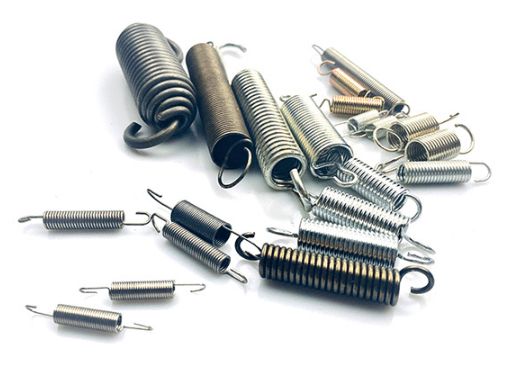
1. Spring fatigue performance and relaxation rate detection
These two factors, it may be argued, directly influence the spring's reliability and life, and are the key to the spring's quality. These two indicators can be acquired following specified cycle numbers of load-strain testing utilizing a spring fatigue testing machine.
Spring fatigue testing machine is used for testing.
2. Spring hardness test
Springs, particularly exceptionally big springs, are usually quenched. HRC44 to 52 is the typical hardness range for ordinary springs. And such an aircraft carrier-level spring will outperform HRC52 and possibly even HRC54.
The purpose of evaluating hardness is to evaluate the spring's failure performance.
Testing equipment: hardness tester.
3. Nondestructive testing of springs
Non-destructive testing includes visual inspection. Because of the various production procedures, it is possible that some flaws like as cracks, creases, delaminations, pits, pits, scratches, wire drawings, and other surface defects will occur during the spring's processing. These surface quality flaws are usually detectable through visual inspection or ultrasonic frequency.
Testing equipment: magnifying glass, microscope, ultrasonic detector.
4. Geometric size detection of springs
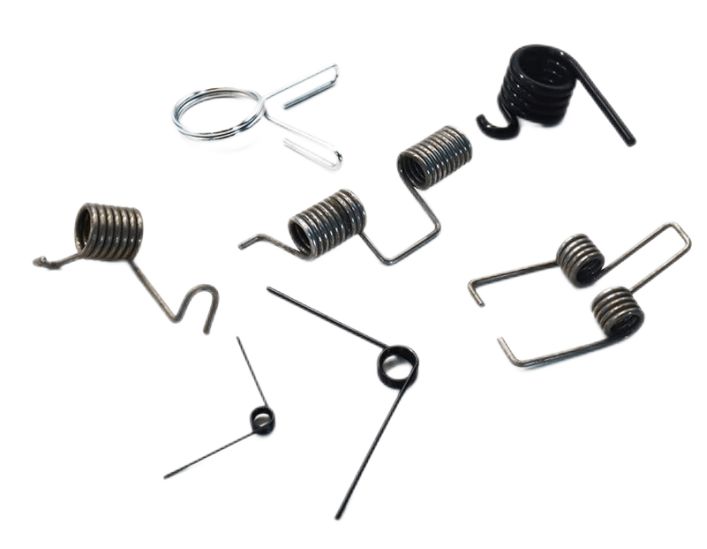
Size testing components primarily include the spring's material diameter, free length, free angle, spring diameter, total number of turns, length of torsion arm, bending angle of torsion arm, and so on. These are the fundamental spring testing items. discrepancies in size, especially with super-large springs, are likely to contribute to discrepancies in overall device performance.
Testing equipment: calipers, two-dimensional, three-dimensional, projector, etc.
5. Spring elasticity test
If the spring force value is clearly marked on the drawing, the matching spring force test must be performed. Typically, the elastic force tester can be used to detect the necessary elastic force; simply pay attention to the distance of pushing or stretching according to the drawing requirements and then check the relevant elastic force. This type of test is commonly used for slightly bigger springs, such as mechanical springs and engineering springs, whereas battery box springs or ultra-precise micro springs do not normally require it.
Testing equipment: elastic tester, tensile tester, etc.
6. Salt spray test of spring
The Salt spray test is also a popular test for spring items. Use varied hours of salt spray oil to prevent rust on the spring according to customer specifications, then take pictures and record the test results in 2/4/8 hours, and finally generate a test report.
If it fails the salt spray test, the spring must be treated with salt spray oil to meet the test criteria, preventing rust and deterioration during its service life and causing safety issues.
Testing equipment: salt spray tester.
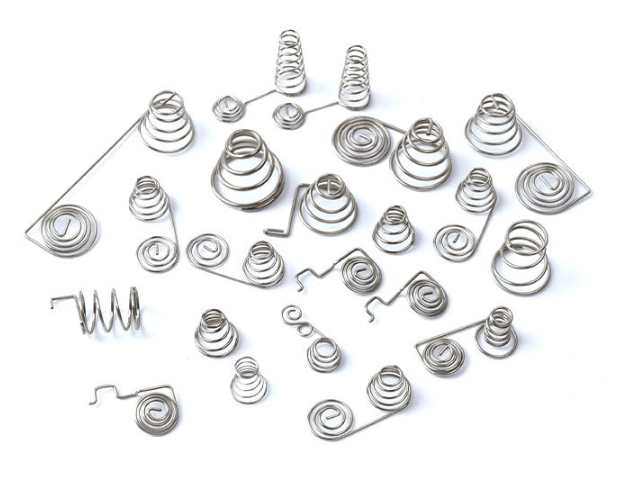
7. Impedance test
Impedance levels are commonly specified for battery box springs and springs with conductive applications. The requisite impedance test must then be performed in accordance with the specifications of the customer's designs. If the test fails, the impedance value
Testing equipment: resistance tester.
The things listed above are the most common spring detecting methods and associated equipment. You are welcome to submit supplements and ideas if there are any deficiencies!is normally adjustable by adjusting the material, inner and outer diameter, wire diameter, length, plating, and so on.