
The pop rivet, a dynamic variant of the traditional rivet, soars into prominence as a single-sided riveting solution. This innovative fastener necessitates a unique tool—the rivet gun (available in manual, electric, and automatic variants)—to facilitate its assembly.
Tailored for scenarios where conventional rivets prove cumbersome due to their dual-sided application, the pop rivet finds its niche across diverse sectors. Its widespread utility encompasses domains like construction, automotive manufacturing, maritime ventures, aviation, machinery, electrical appliances, furniture crafting, and an array of product fabrication.

Advantages Propelling Pop Rivet Equipment
The pop rivet's versatility lies in its capacity for swift and expansive riveting. This characteristic has galvanized processing and manufacturing industries nationwide. Key advantages encompass a broad scope for single-sided riveting, expedited installation, substantial clamping force, heightened seismic resistance, and robust locking prowess.
A Glimpse into the Standard Pop Rivet Installation Process
Embed the rivet within the nozzle of the rivet gun, guiding it into a pre-drilled aperture.
Activate the tool, prompting the rivet to expand and unfurl, snugly fitting into the void within the workpiece.
As the load attains a predetermined magnitude, the rivet's head breaks flush, while the rod secures itself within the rivet, locking the connection firmly.
Decoding the Ingenious Mechanism of the Pop Rivet
The pop rivet's operational essence hinges upon exerting force from within to outwardly pull its core head. Mastery over this mechanism holds the key to optimizing pop rivet application.
The open-type round-head pop rivets reign supreme in ubiquity. For scenarios demanding sleek surfaces, countersunk head pop rivets come to the fore. Conversely, closed-type pop rivets cater to high-load contexts and sealing prerequisites.
Unraveling the Art of Riveting with Pop Rivets
Riveting with pop rivets hinges on employing a metal cylinder or tube (the rivet) slightly smaller than the pre-drilled hole's diameter. This rivet passes through the workpieces, whereupon impacts or pressure exerted upon both ends deform the rivet's extremities, thickening the metal column or tube. This simultaneously forms rivet heads or caps, securing the workpieces and thwarting detachment. When external forces strain to separate the workpieces, the rivet's rod and cap withstand the ensuing shear force, a formidable bulwark against separation.
Cold riveting and hot riveting delineate two distinct methods. Cold riveting transpires at ambient temperatures, an efficient process for most riveting scenarios. Hot riveting emerges in contexts demanding heightened connection durability, such as the steel beam riveting in iron bridges. During hot riveting, preheated rivets—glowing red with heat—are inserted into rivet holes, creating rivet heads. The subsequent cooling process contracts the rivets, intensifying the connection's strength.
Simplifying the Complex through Single-Sided Riveting
Historically, riveting necessitated a dual-sided approach. However, the advent of the pop rivet has revolutionized this landscape, ushering in the simplicity of single-sided operation. The pop rivet epitomizes the confluence of innovation and efficiency, fostering ease within the realm of riveting.
Diablo IV has emerged as an electrifying action role-playing game, captivating the gaming community through its enthralling gameplay dynamics and breathtaking visual aesthetics. At the heart of this sensation lie the multiplayer features of Diablo 4, a realm where players can seamlessly unite with friends and strangers alike to traverse the game's world, combat adversaries, and uncover coveted treasures. This article embarks on a comprehensive journey to unravel the intricacies of Diablo IV's multiplayer features.

Forging Alliances with the Party System
Diablo IV's party system is ingeniously designed to facilitate effortless alliances, whether with close companions or fellow adventurers. The game permits the creation of a four-player party, wherein each participant wields their unique character. This system is meticulously engineered to infuse a sense of enjoyment and accomplishment into group endeavors. Players can collaboratively share loot, experience points, and embark on quests, fostering a camaraderie that enhances the overall gameplay experience.
Unveiling the Vast Open World
The upcoming Diablo installment is poised to unveil an open world architecture, beckoning players to embark on uncharted journeys across its expansive universe. The game's open world design empowers players to roam diverse terrains, accomplish diverse tasks, unearth concealed treasures, and engage in epic battles against formidable foes. This open-world approach inherently encourages collaborative efforts, as players can harmoniously collaborate to fulfill shared objectives, giving rise to a more immersive gaming encounter.
Converging PvP and PvE Realms
Diablo 4 introduces a harmonious blend of both PvE (Player vs. Environment) and PvP (Player vs. Player) gameplay modes. Within the PvE realm, players band together to conquer quests and vanquish adversaries, fostering teamwork and strategic synergy. In contrast, the PvP domain unleashes the thrill of combat as players clash head-on. These dual modes bestow distinct gameplay experiences, catering to diverse player preferences and ensuring a captivating and ever-evolving gameplay journey.
Communal Triumphs through Shared World Events
Diablo IV's innovation extends to shared world events, where players convene to participate in monumental battles against formidable adversaries. These spontaneous events offer a high-stakes scenario, demanding collective effort to overcome the odds. Those partaking in these grand showdowns reap the rewards of rare items and valuable experience points, cementing the significance of collaboration in attaining monumental victories.
The Essence of Cooperative Gameplay
Cooperative gameplay takes center stage in Diablo 4, a pivotal element that fuels the adventure. Players seamlessly join forces to surmount challenges, wage war against adversaries, and navigate the expansive game world. The mechanics intricately encourage cooperation, as those who synergize their efforts are rewarded with exclusive loot and invaluable experience points, reaffirming the game's emphasis on solidarity.
Uniting Platforms through Cross-Platform Play
A game-changing innovation in Diablo IV is the integration of cross-platform play, enabling players across diverse platforms to unite in their virtual pursuits. This innovation extends accessibility, allowing players to easily connect with others, thereby fostering a robust and expansive player community.
Matchmaking Efficiency
Diablo IV bolsters its multiplayer experience with an intricate matchmaking system, expediting the process of finding fellow adventurers. The matchmaking algorithm diligently considers elements such as player level, gear, and additional criteria, ensuring balanced and equitable gameplay experiences for all participants.

Cultivating a Social Realm with In-Game Economy
Diablo 4 introduces an in-game economy that facilitates item exchanges between players. Items in Diablo IV can be traded or sold for the in-game currency, enriching the interactive landscape and offering players additional avenues to enhance their character progression.
Culminating in the Richness of In-Game Economy
Diablo IV's in-game economy thrives as a pivotal feature, enabling players to engage in item trades and currency transactions. This dynamic addition augments the gameplay's depth, granting players varied routes to empower their characters while fostering an interactive and vibrant community.
A Multifaceted Finale
To conclude, Diablo IV's multiplayer features transcend mere functionality, immersing players in a world of shared conquests, battles, and camaraderie. Collaborative ventures unfold as players unite to surmount challenges, reaping the rewards of rare treasures and experience points. The fusion of PvP and PvE modes promises diverse gameplay, while the realm of open-world exploration embraces cooperative camaraderie. As cross-platform play unites players across platforms, and the in-game economy adds a social dimension, Diablo IV's multiplayer landscape is destined to captivate and captivate players for endless hours.
The backbone of the oil and gas industry lies in its profound reliance on the capabilities of the downhole operation simulator. This technological marvel equips operators with a virtual realm to forge and refine downhole activities, thus achieving optimal results in drilling, completion, and production endeavors.
Defining the Downhole Operation Simulator
The downhole operation simulator stands as a sophisticated computer-based simulation tool harnessed within the oil and gas domain to replicate downhole activities virtually. This intricate software program constructs a precise model of downhole conditions, orchestrating simulations of diverse drilling, completion, and production processes. Empowering operators to explore myriad scenarios and make informed decisions based on results, the simulator obviates the need for physical testing, safeguarding personnel and equipment. Its significance is paramount in the industry, fostering efficiency enhancements, cost curtailment, and heightened safety standards.

Diverse Applications of the Downhole Operation Simulator
A versatile ally, the simulator adeptly emulates a vast spectrum of downhole operations, rendering invaluable insights into the efficacy and proficiency of drilling, completion, and production activities.
Drilling Operations:
Within drilling operations, the simulator orchestrates a symphony of drilling scenarios, unveiling crucial data concerning drill bit performance, drilling fluid behavior, and rig efficiency. Operators are equipped to fine-tune drilling trajectories and wellbore positioning, thereby mitigating the risk of errors and boosting drilling effectiveness.
Well Completion Operations:
In the realm of well completion, the simulator crafts a canvas of diverse scenarios, unraveling the intricacies of completion tools and strategies. Operators gain the prowess to optimize completion equipment design and arrangement, encompassing elements such as packers, screens, and tubing. This orchestration maximizes output and concurrently minimizes expenditures.
Production Operations:
The simulator transcends into production operations, simulating diverse production scenarios while delivering insights into the comportment of production equipment, from pumps and valves to separators. By identifying production bottlenecks and optimizing rates, operators magnify overall system efficiency, thereby mitigating downtimes.
Training and Education:
As a conduit for training, the downhole operation simulator proves invaluable for fledgling operators and engineers, affording them a risk-free platform to amass downhole operation experience. Students and researchers equally reap its benefits, as it fosters a profound comprehension of downhole activities and the associated challenges.

Advantages Encompassing the Downhole Operation Simulator
Amplified Safety:
From blowout risks to equipment malfunctions, hazards pervade downhole operations. The simulator quashes these concerns by preemptively identifying potential threats, thereby forestalling accidents and protecting personnel and assets.
Heightened Efficiency:
Efficiency garners an upswing through simulation-powered optimization of various facets, including drilling trajectories and wellbore placement. This systematic approach hones productivity while trimming expenses, negating the necessity for field trial and error.
Mitigated Downtime:
In an industry where downtime begets substantial losses, the simulator emerges as a beacon of foresight. By prognosticating issues before their emergence, operators deploy preemptive measures that curtail downtime and its attendant production deficits.
Informed Decision-Making:
Operators wield the simulator to gauge the repercussions of decisions on downhole operations, fostering informed and judicious decision-making. This pivotal tool ensures the adoption of the most efficacious and streamlined strategies.
Industry Case Studies Showcasing the Downhole Operation Simulator's Prowess
Shell: In deepwater drilling, Shell harnessed the simulator to ascertain the prime approach to drilling deepwater wells. The simulation’s insights into drilling trajectories and wellbore placement optimized efficiency and minimized errors.
BP: BP harnessed the simulator to finesse well completion in unconventional reservoirs, optimizing completion equipment arrangement for maximum production with minimal expenses.
Total: Total adeptly identified bottlenecks in production scenarios and optimized rates, thanks to the simulator. This proactive approach minimized downtime and augmented overall operational efficiency.
Chevron: Utilizing the simulator as an educational tool, Chevron augmented novice operators' expertise while mitigating accidents and downtime risks.

Summary
As a dynamic force within the oil and gas industry, ushers in an era of efficiency optimization, by offering a virtual milieu for simulation and evaluation of diverse downhole processes, downhole operation simulator empowers operators to revolutionize their operations. This catalyst for streamlined activities, risk reduction, and cost containment embodies the industry's march toward heightened efficiency and productivity.
CO2 incubators have become a staple in laboratories around the world, playing a pivotal role in various scientific and research endeavors. In this article, we'll delve into the significance of CO2 incubators, their standout features, different types available, steps for proper operation, and a reliable source for obtaining these essential devices.
The Role of CO2 Incubators
CO2 incubators emulate the growth environment found within living organisms, making them indispensable tools for cell and tissue cultures, as well as the cultivation of specific microorganisms. Their applications extend to the study of cell dynamics, collection of mammalian cell secretions, investigating carcinogenic or toxicological effects, antigen production, tissue engineering, and drug screening, among other research fields.

Notable Features of CO2 Incubators
Advanced Carbon Dioxide Concentration Detection: Equipped with long-lasting and highly reliable thermal conductivity carbon dioxide concentration detectors.
Sterilization and Filtration: Incorporates UV lamp disinfection and a sterile air filtration system for maintaining a clean environment.
Efficient Heating: Utilizes an air jacket heating system for rapid heating without the need for frequent maintenance.
Robust Alarm System: Features a comprehensive sound and light alarm system that triggers for overheating, temperature probe damage, or water shortage.
Enhanced Humidity Control: The bottom of the unit functions as a reservoir, ensuring fast evaporation and rapid humidity recovery upon door closure.
User-Friendly: Designed with simple and intuitive operation for ease of use.
Three Types of CO2 Incubators
DCI Series CO2 Incubator:
Features RS485 and RS232 connectors for connectivity.
Equipped with a wireless alarm system, HEPA filter system, and automatic humidification system.
Requires self-sterilization at 90℃.
WJ-2 Series CO2 Incubator:
Incorporates a water jacket and air jacket structure.
Utilizes a PID microprocessor for precision control.
Includes sterile air filtration devices and a UV light system.
Available in chamber volumes of 80 L and 160 L.
WJ-3 Series CO2 Incubator:
The WJ-3 series CO2 incubator is Controlled by a microcomputer.
Features a water jacket and air jacket structure.
Utilizes LED indication for various working states.
Equipped with an imported infrared sensor for accuracy and longevity.

Operational Steps of CO2 Incubators
Thoroughly clean and disinfect the interior with alcohol, followed by ultraviolet or ozone sterilization before powering on.
Power on the unit, adjusting the temperature settings to the desired level (e.g., 37°C). The flashing light indicates that the incubator is heating. (Note: In high ambient temperatures, air conditioning can help maintain optimal conditions.)
Sourcing CO2 Incubators
For reliable CO2 incubator acquisition, Drawell stands out as a manufacturer of choice. Here's why:
Strength of Drawell:
With quality and customer service at the forefront, Drawell provides professional laboratory equipment to meet diverse research needs, offering solutions and services in primary research, biotechnology, and clinical applications. Variety of Incubators:
Drawell offers an array of incubators, including the mentioned CO2 incubator types, along with sharking incubators. This enables informed comparisons and optimal selection.
Competitive Pricing:
Drawell offers competitive factory prices without compromising quality, ensuring high-value CO2 incubators for various applications. In conclusion, CO2 incubators serve as indispensable tools in modern laboratories. Understanding their roles, features, types, proper operation, and reliable sourcing options, such as Drawell, empowers researchers to make informed decisions that contribute to successful scientific endeavors.
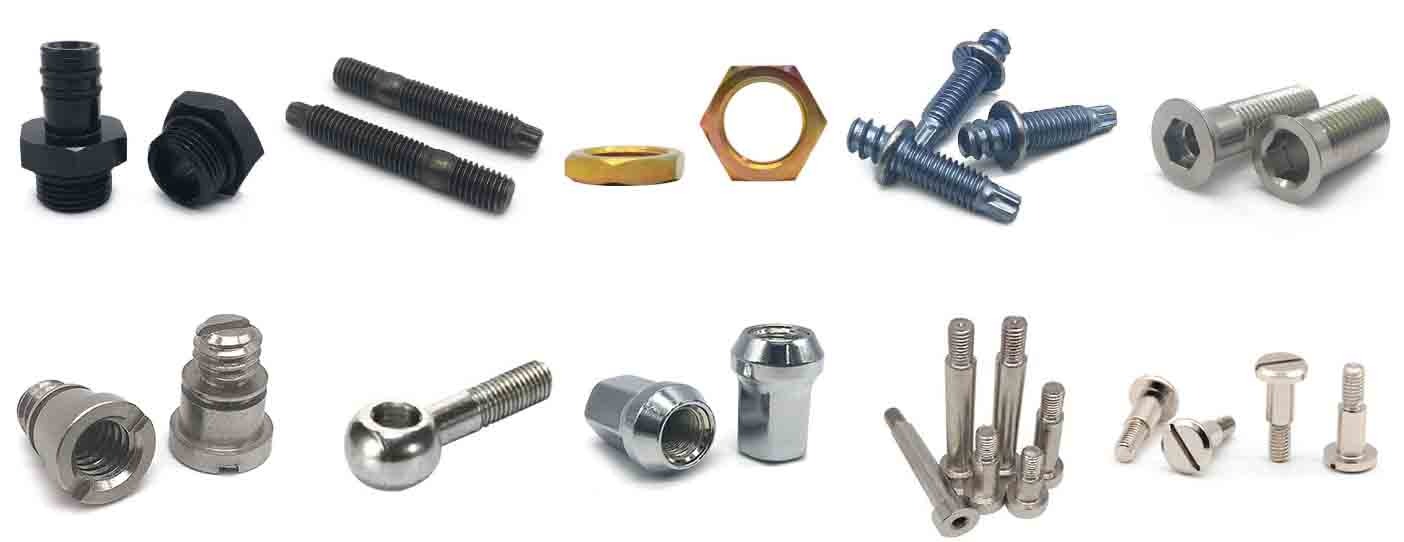
Cold heading is a widely used forging method in fastener manufacturing, where metal bars are upset using a mold at room temperature. This process is commonly used for creating the heads for various types of fasteners, and it offers advantages like reduced cutting requirements and a variety of forging material options, such as copper, aluminum, carbon steel, alloy steel, stainless steel, and titanium alloy. Cold heading is typically carried out using specialized machines that allow for continuous, multi-station, and automated production.

Key Characteristics of the Cold Heading Process:
Plastic Deformation: Cold heading involves applying pressure to the metal blank at room temperature, causing plastic deformation to occur in the mold cavity, resulting in the desired shape and size.
High-Quality Materials: Selecting metal materials with excellent plasticity, adhering to strict chemical composition and mechanical property standards, is crucial for successful cold heading.
Cold Heading Machinery: Specialized machines for bolt and nut manufacturing come in various models and series, offering reliable performance, high efficiency, and stable quality.
Forging Force: The process requires significant forging force, making the power equipment used in the process relatively expensive.
Surface Quality and Size Accuracy: Cold heading produces workpieces with excellent surface quality and high size accuracy, but excessive deformation should be avoided due to cold hardening.
Wide Application Scope: The cold heading process is suitable for large-scale production and a wide range of workpiece specifications.
Factors Influencing Cold Heading Accuracy:
Raw Material Chemical Composition: Pure metals generally have better plasticity than alloys, and impurities can reduce plasticity.
Metallographic Structure of Raw Materials: Different multiphase tissue characteristics impact plasticity, and defects like grains, mixtures, bubbles, and looseness can reduce metal plasticity.
Process Deformation Temperature: Plasticity increases with temperature, but this relationship is not strictly linear.
Metal Strain Rate: Strain rate changes can both increase and decrease metal plasticity, depending on the specific conditions.
Deformation Mechanics Conditions: Compression strain is favorable for plasticity, while stretching strain is not conducive to plasticity.
Other Factors: Discontinuous deformation can improve metal plasticity, especially during hot deformation for low-plasticity metals.
Choosing a High-Performance Cold Heading Machine:
To ensure precise and efficient cold heading, selecting the right machine is essential. Consider the following factors:
Wear-Resistant Alloy Copper Tile: The connection between the crankshaft, machine body, and impact rod should use high wear-resistant alloy copper tile for durability and low maintenance costs.
Alloyed Ductile Iron Body: The machine body should be cast from alloyed ductile iron, offering high tensile strength and wear resistance.
Two-Stage Gear Transmission: A two-stage gear transmission system with high efficiency and large transmission torque is ideal.
Pneumatic Clutch Brakes: Equipping the machine with pneumatic clutch brakes helps reduce motor power consumption.
Efficient Cutting System: A cutting system driven by a guide plate with a reciprocating movement ensures stability and good dynamic balance.
Multi-Station Design: Multi-station cold heading machines with tension closed clamp systems allow for flexible and efficient production.
Variable Frequency Speed Regulation: Variable frequency speed regulation devices offer versatile control options.
Safety Features: Including fault detectors and safety protection devices to safeguard equipment and molds.
Selecting Raw Materials for Cold Heading:
To achieve precision in cold heading, raw materials should meet certain criteria:
Spheroidizing Annealing Treatment: Raw materials must undergo spheroidizing annealing treatment to attain a spherical pearlite metallurgical structure.
Reduced Material Hardness: Lower material hardness is preferred to minimize cracking tendencies and extend mold service life.
Size Accuracy: Raw material size should align with product requirements and manufacturing processes.
High Surface Quality: Raw materials must have a dark color with a lubrication film and be free of defects like scratches, folding, cracks, rust, or oxidation.
Minimal Decarburized Layer: The total thickness of the decarburized layer in the raw material radius direction should not exceed 1% of the raw material diameter.
Surface and Core Hardness: Raw materials should possess a hard surface and a soft center to ensure cutting quality during cold forming.
Cold Heading Test: A cold heading test helps assess material performance, with lower sensitivity to cold hardening indicating better performance.
In conclusion, adhering to these key points will significantly enhance the cold heading accuracy for the fastener manufacturing process. By selecting suitable materials, utilizing high-performance machinery, and understanding the factors that influence accuracy, manufacturers can achieve precise and efficient production of various fasteners.