
Oil rigs play a pivotal role in the global energy industry, facilitating the extraction of essential fossil fuels that power our modern world. Despite their crucial role, working on an oil rig involves inherent risks, with potential consequences for both workers and the environment. This article explores the common causes of oil rig injuries, their repercussions, and preventive measures aimed at ensuring safer working conditions.

Common Causes of Oil Rig Injuries
Oil rig workers confront various hazards daily, requiring a comprehensive understanding to prevent accidents. The following are common causes of oil rig injuries:
Slips, Trips, and Falls:
Slippery surfaces, uneven walkways, and unpredictable weather conditions create an environment conducive to slips, trips, and falls.
Resulting injuries range from minor bruises to severe head injuries, with the proximity to the ocean heightening the danger.
Machinery Accidents:
Heavy machinery crucial for drilling and extraction, if not operated and maintained properly, can lead to crush injuries, amputations, or fatalities.
Fires and Explosions:
Flammable materials and chemicals make oil rigs susceptible to catastrophic fires and explosions, causing severe burns, smoke inhalation injuries, and fatalities.
Chemical Exposure:
Regular exposure to drilling, maintenance, and production chemicals can result in burns, respiratory problems, and long-term health issues.
Falling Objects:
Work at considerable heights increases the risk of falling objects, causing serious injuries, including head trauma and fractures.
Weather-Related Incidents:
Unpredictable and harsh offshore weather conditions can lead to accidents, including vessel collisions and equipment damage.
Consequences of Oil Rig Injuries
The repercussions of oil rig injuries extend beyond the injured workers, affecting families, colleagues, and the environment. These consequences include:
Physical Injuries:
Range from minor cuts and bruises to life-altering conditions like fractures, burns, amputations, and spinal cord injuries.
Emotional and Psychological Impact:
Traumatic events offshore can result in anxiety, depression, PTSD, and substance abuse among workers.
Financial Consequences:
Substantial medical bills, lost wages, reduced earning potential, and financial strain on families.
Environmental Impact:
Oil spills, chemical leaks, and other incidents can harm marine ecosystems, disrupting marine life and affecting coastal communities.
Preventive Measures of Oil Rig Injuries
To mitigate risks and ensure safety, the oil and gas industry has implemented preventive measures, including:
Training and Education:
Oil and gas simulators for emergency response, drilling operations, equipment operation, navigation, and safety protocols. Personal Protective Equipment (PPE):

Workers mandated to wear appropriate PPE to reduce the risk of injuries.
Equipment Inspection:
Regular safety inspections of equipment and machinery to identify and address potential issues.
Emergency Response Plans:
Comprehensive plans for fires, explosions, and critical incidents, with regular drills to familiarize workers.
Environmental Safeguards:
Measures to prevent and mitigate environmental impact, including containment booms and rapid response teams.
Improved Technology:
Advancements in drilling techniques, automation, and remote monitoring systems to enhance safety and efficiency.
Conclusion
Oil rig injuries pose serious risks, prompting the industry to adopt strict safety measures, extensive training, and advanced technology. By learning from past incidents and prioritizing safety, the industry aims to ensure the well-being of oil rig workers and protect the environment. As the demand for oil persists, these efforts contribute to making oil drilling safer and more sustainable for the future.
Securing vessels from potential threats in the maritime industry is of utmost importance, where safety is a paramount concern. Among the critical components ensuring safety and integrity at sea are marine watertight doors. These doors are specifically designed to resist water penetration during emergencies or severe conditions. This article delves into the design concepts that contribute to the success of marine watertight doors.
Purpose and Importance of Marine Watertight Doors
Watertight doors strategically placed throughout a ship are intended to compartmentalize it. Their primary purpose is to contain flooding in case of damage while maintaining the buoyancy and stability of the vessel. These marine doors act as barriers, limiting the movement of water and averting catastrophic consequences in emergencies.
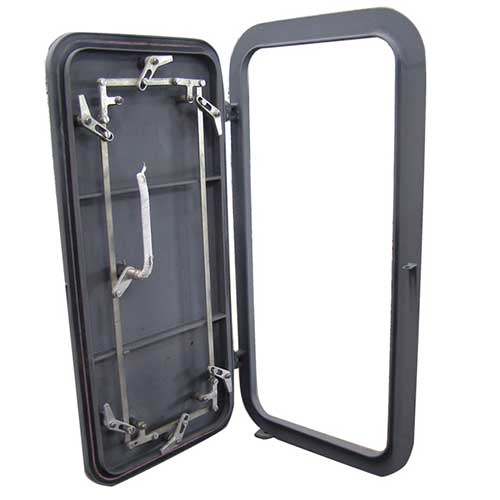
Key Considerations and Design Principles of Marine Watertight Doors
Marine watertight door design requires a blend of engineering expertise, adherence to safety regulations, and a deep understanding of the challenging marine environment.
Material Selection:
Corrosion Resistance: Marine settings are corrosive due to saltwater exposure. Choosing corrosion-resistant materials like marine-grade stainless steel or aluminum alloys ensures longevity and structural integrity.
Durability: Selected materials must endure physical loads and impacts during routine and emergency operations.
Sealing Mechanisms:
Compression Gaskets: Forming a tight seal when closed, compression gaskets prevent water infiltration. Tough materials retain their effectiveness even under high pressure.
Inflatable Seals: Advanced designs may incorporate inflatable seals that adjust to different pressures, adding an extra layer of protection.
Hinges and Locking Systems:
Heavy-Duty Hinges: Frequent opening and closing necessitate heavy-duty hinges for durability, longevity, and optimum alignment.
Secure Locking Mechanisms: Reliable and secure locking mechanisms prevent unintended door openings during normal or emergency operations.
Testing and Certification:
Rigorous Testing: Doors undergo rigorous testing simulating real-world conditions such as high-pressure water flow and shifting sea states.
Certification Compliance: Adherence to international norms, such as those defined by the International Maritime Organization (IMO), confirms doors meet safety and performance criteria.

Design for Easy Operation:
Ergonomics: Consideration for ease of operation is crucial, especially during emergencies where quick and efficient closure is vital.
Accessibility: Designing doors to be easily accessible and operable by the crew ensures effective response, considering factors like size, weight, and manual or automated operation.
Integration with Automation:
Remote Monitoring and Control: Automation technologies enable real-time monitoring and control, allowing quick responses to emergency situations and enhancing operational efficiency.
Maintenance Protocols:
Regular Inspection: Scheduled inspections and maintenance protocols identify and address issues promptly.
Training: Proper training of crew members on maintenance procedures and emergency protocols ensures effective functioning when needed.
Environmental Considerations:
Temperature Variations: Doors should endure frequent temperature fluctuations without compromising sealing capabilities.
UV Resistance: If exposed to sunlight, considering UV-resistant coatings or materials prevents deterioration over time.
Conclusion
Watertight design for marine doors is indispensable for maritime safety, acting as the first line of defense against potential flooding. Watertight doors, through meticulous material selection, rigorous testing, and modern sealing technology, play a crucial role in ensuring the safety and resilience of vessels at sea. The ongoing commitment to watertight door design remains vital to the overall safety and security of seafaring vessels and their crew as the maritime sector continues to evolve.
In the ever-evolving landscape of manufacturing and industrial processes, the quest for energy efficiency and material conservation has become increasingly central. One pivotal factor in achieving these goals is precise tension control, a crucial element across diverse industries such as textiles, paper, metals, and more. Maintaining exact tension levels not only streamlines production processes but also minimizes waste, contributing to a more sustainable and cost-effective operation.
Understanding Tension Control
The management and preservation of tension within materials as they traverse various stages of production constitute tension control. Attaining precise tension control is of paramount importance, directly impacting the quality of the final product, production speed, and resource consumption.
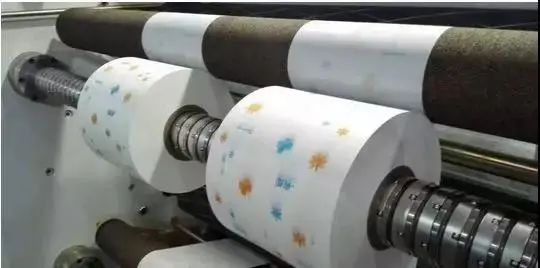
How Tension Control Influences Energy Efficiency
Motor Power Optimization:
Fine-tuning motor power based on production process requirements becomes possible with precise tension control.
Optimal tension levels enable motors to operate efficiently, reducing energy consumption and waste.
Reduced Heat Generation:
Inaccurate tension control can lead to excessive friction and heat within machinery.
Precise tension control minimizes strain on components, reducing energy losses due to heat.
Minimized Energy Waste:
Aligning energy input with production needs becomes more efficient with accurate tension regulation.
Reduces wasted energy when procedures run at higher-than-necessary power levels.
Optimized Production Speed:
Stable tension levels allow for optimizing production speeds without compromising product quality.
Operating machinery at optimal speeds ensures efficient energy use, contributing to overall savings.
Prevention of Abrupt Tension Changes:
Precise tension control prevents sudden tension fluctuations, reducing energy spikes and strain on equipment.
Promotes a stable and energy-efficient industrial environment.
Extended Equipment Lifespan:
Uncontrolled tension variations contribute to equipment wear and tear.
Accurate tension levels extend equipment lifespan, reducing the need for frequent replacements and associated energy costs.
Improved System Reliability:
Consistent tension control enhances the overall reliability of the production system.
Reliable web tension controllers result in fewer energy-consuming stoppages and lower error rates, contributing to improved energy efficiency.
Energy-Aware Control Systems:
Advanced tension control systems, combined with energy-conscious technologies, optimize tension levels in real-time.
Consideration of material properties and external factors further enhances energy efficiency.
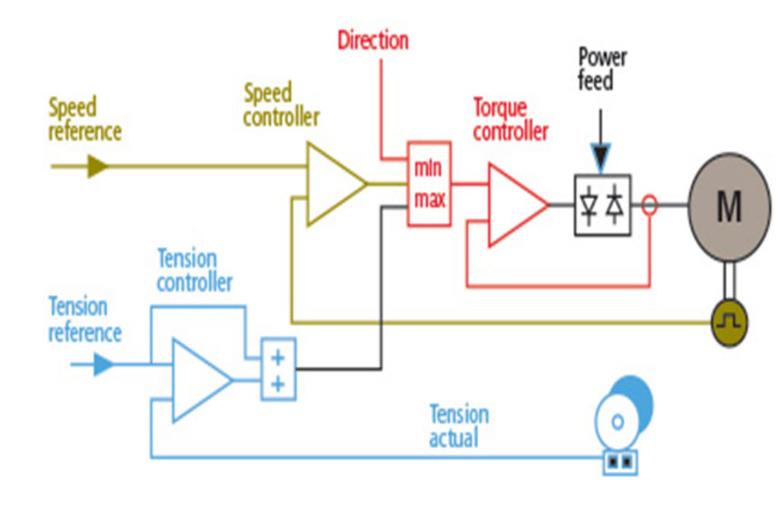
How Precise Tension Control Contributes to Material Savings
Waste Reduction:
Consistent tension control prevents material defects, misalignments, and breakages.
Minimizes material waste by maintaining uniform tension throughout the production process.
Optimized Yield:
Precise tension control allows machinery to operate at optimal speeds without compromising material integrity.
Results in higher yields and substantial material savings over time.
Enhanced Product Quality:v
Uniform tension ensures high-quality goods with minimal variance.
Critical for meeting or surpassing client expectations and minimizing faults.
Prevention of Overstretching or Distortion:
Precise tension control prevents overstretching or distortion, preserving material integrity.
Ensures materials are processed within specified limits.
Minimized Set-Up Scrap:
During setup and adjustment phases, precise tension control facilitates quicker and more efficient calibration.
Reduces scrap generated during initial production stages, contributing to material savings.
Extended Material Lifespan:
Maintaining ideal tension levels extends the lifespan of materials.
Reduces the need for frequent replacements and conserves material use.
Reduced Rejected Batches:
Critical in processes like printing or coating applications, precise tension control minimizes the likelihood of substandard batches.
Directly contributes to material savings by avoiding disposal of rejected products.
Improved Process Efficiency:
Precise tension control streamlines the entire production process, minimizing interruptions and errors.
Contributes to material savings by reducing the need for rework or additional raw materials.
Conclusion
Accurate tension control is indispensable for manufacturers committed to sustainability and operational efficiency. Investing in modern tension control systems enables businesses to improve energy efficiency, decrease material waste, and enhance product quality. Embracing precise tension control aligns with the global push toward sustainable and responsible manufacturing practices, making it a strategic business decision for a more sustainable, efficient, and economically viable future as industries continue to expand.
Soxhlet extraction stands as a well-established method widely employed in laboratories and industries to extract a diverse array of chemicals from solid samples. This article provides a comprehensive guide covering the steps involved in soxhlet extraction, factors affecting its efficiency, and essential safety considerations for a secure working environment.
Follow the Soxhlet Extraction Steps:
Soxhlet extraction is a continuous process involving the cycling of a solvent through a solid sample to extract the desired chemical. Follow these steps for effective Soxhlet extraction:
Prepare the Soxhlet Extractor: Assemble the apparatus, connect the condenser, and attach the syphon tube. Place glass wool or filter paper in the Soxhlet flask to prevent material escape.
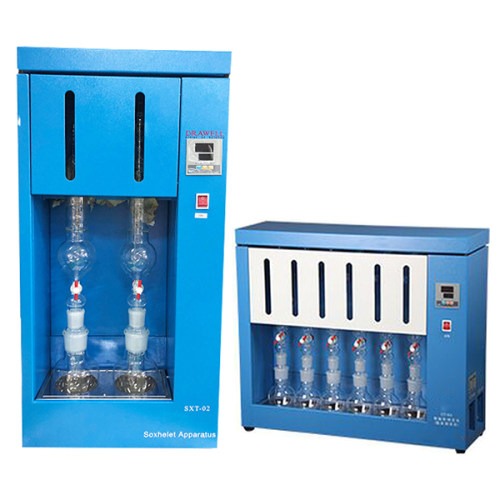
Weigh the Solid Sample: Measure an appropriate amount of the solid sample and insert it into the Soxhlet flask.
Add the Solvent: Pour sufficient solvent into the round-bottom flask to cover the solid material, choosing a solvent compatible with the target chemical.
Start the Extraction: Heat the round-bottom flask, causing the solvent to vaporize and extract the target component from the solid sample.
Continue the Extraction: Run the extraction for several hours or overnight, allowing the solvent to cycle through the sample, extracting the target chemical.
Collect the Extracted Solution: Once complete, separate the round-bottom flask with the solution from the Soxhlet flask containing the solid sample.
Remember the Efficiency Affecting Factors of Soxhlet Extraction:
Efficient Soxhlet extraction relies on understanding and optimizing various factors:
Sample Characteristics: Particle size, surface area, and composition influence extraction efficiency. Properly choose and prepare the sample for optimal contact with the extraction solvent.
Solvent Selection: Choose a polar solvent with a high boiling point, compatible with both the target chemicals and the solid material.
Extraction Time and Temperature: Manage the duration and temperature to balance extraction yields without degrading heat-sensitive chemicals.
Extraction Cycles: Determine the optimal number of extraction cycles for each sample and chemical to avoid diminishing returns.
Extraction Thimble: The type and condition of the extraction thimble impact extraction efficiency; choose the material and pore size carefully.
Agitation and Reflux Rate: Adjust the solvent cycling pace to promote sample-solvent interaction without causing packing or channeling.
Solvent-to-Sample Ratio: Optimize the ratio to ensure enough solvent for extraction without dilution, varying based on sample type.
Operator Skills and Experience: Operator proficiency and attention to detail during assembly and operation can influence extraction efficiency.

Take Safety Considerations During Soxhlet Extraction:
Prioritize safety during Soxhlet extraction with the following precautions:
Ventilation: Perform Soxhlet extraction in a well-ventilated space or under a fume hood to reduce solvent vapor exposure.
Personal Protective Equipment (PPE): Wear appropriate gear like gloves, goggles, and a lab coat to prevent solvent contact and splashes.
Solvent Selection: Choose solvents carefully, considering toxicity and combustibility, and follow proper handling, storage, and disposal practices.
Heat Safety: Use heat-resistant gloves, secure electrical connections, and employ heating equipment with temperature controls to prevent burns or fires.
Equipment Handling: Follow manufacturer instructions for proper handling, operation, and maintenance of soxhlet extractors.
Monitoring: Regularly check the extraction process for any leaks, blockages, or other issues.
Emergency Preparedness: Keep spill kits, fire extinguishers, emergency eyewash, and showers accessible, and know how to respond to accidents.
Training and Supervision: Only experienced individuals should operate Soxhlet extraction equipment, with supervision for novices.
Proper Cleanup and Disposal: Dispose of used solvents and debris according to local regulations and ensure proper equipment cleaning.
Conclusion:
Soxhlet extraction, when approached with knowledge, skill, and safety protocols, proves to be an efficient and secure method for extracting various chemicals from solid samples. Adhering to proper procedures ensures reliable results while minimizing risks in the laboratory environment.
In the intricate world of aviation manufacturing, aerospace fasteners play a crucial role in connecting myriad components of an aircraft, facilitating load transfer, and coordinating deformation during loading. This article delves into the standards governing aerospace fasteners and explores various types of nuts, washers, and screws commonly used in the aviation industry.
Standards for Aerospace Fasteners:
NAS (National Aerospace Standards):
NAS stands as the most influential standard for British fasteners in aviation manufacturing. It extends its coverage not only to commercial aircraft but also to military aircraft.
NASM (National Aerospace Standards Community):
Originally a military standard, NASM has transitioned into NASC (National Aerospace Standards Community) for continuous maintenance and development, essentially serving as the military standard within NAS.
NA / NAM:
NA corresponds to NAS standards, while NAM corresponds to NASM, both being public products associated with specific standards.
Common US Government Standards:
In addition to British standards, several US government standards are prevalent in the aerospace industry, such as MS and AN. MIL, the US military standard, is often used to define more detailed technologies.
Aerospace Nuts:
Standard Aerospace Nuts include:
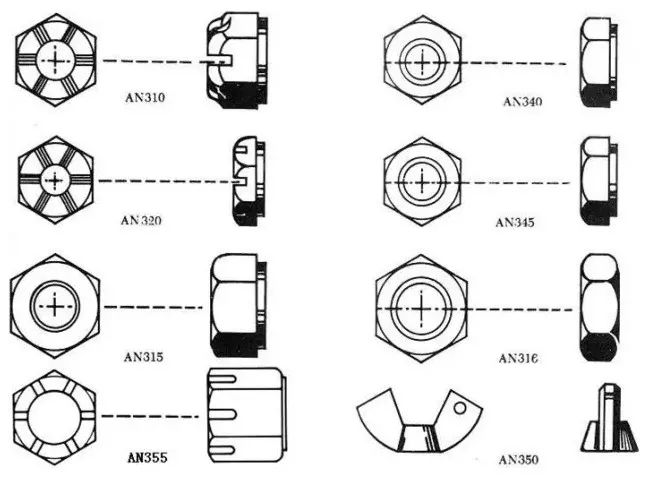
AN310 Castle Nut: Used in conjunction with AN3 to AN20 bolts, with materials like nickel alloy steel, stainless steel, and 2024 aluminum alloy.
AN320 Shear Castle Nut: Specifically designed for shear stress applications, used with AN2L to AN36 shaft pin bolts, primarily made of 2024 aluminum alloy.
AN315 Ordinary Nut: Used for parts subject to large tension, requiring anti-loose nuts or spring washers for fastening. Materials are similar to AN310 nuts, with both right-hand and left-hand threads available.
AN316 Lock Nut: A hexagonal lock nut adopting double nuts to prevent loosening, typically used with AN315 ordinary nuts.
Self-Locking Nuts:
Low-temperature self-locking nut models AN365 and AN364.
High-temperature self-locking nut model AN363.
Both types utilize elasticity to prevent loosening and are suitable for repeated use.
Aerospace Washers:
AN960 is a widely used standard aerospace washer, employed under hexagonal nuts, and is available in various materials such as carbon, steel, brass, stainless steel, and aluminum alloy. AN936 washers offer uniform elasticity and effective anti-loosening properties.
Aerospace Screws:
Categorized into mechanical screws, structural screws, and self-tapping screws, aerospace screws serve non-structural connections, fairings, and removable panels in non-main stressed structures.
Mechanical Screws:
Common models include AN500 and AN501 (coarse and fine round head screws), AN505 and AN507 (coarse and fine 82° countersunk screws), and AN515 and AN526 (coarse and fine round head screws).
Structural Screws:
AN509 (100° flat screw), AN525 washer head screw, AN502, and AN503 (round head screws) are among the common models. Structural screws, made of alloy steel, can be used as a structural bolt due to their polished rod section.
Self-Tapping Screws:
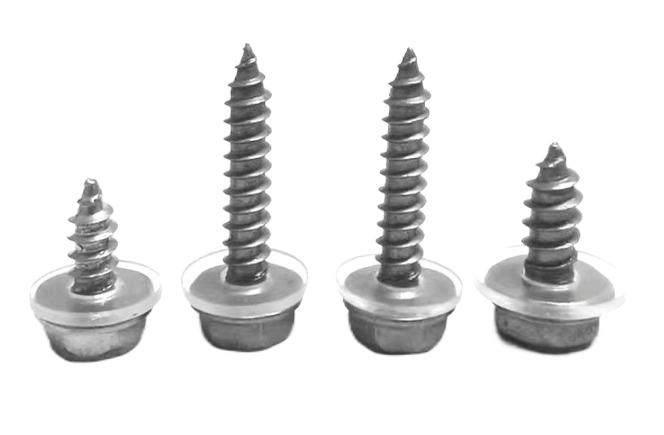
Characterized by fastening through tapping, self-tapping screws like AN504 and AN506 (for removable parts) and AN530 and AN531 (for metal plates) come in flat round head, 100° countersunk head, and large flat round head types.
Conclusion:
This article provides an overview of the fundamental aspects of aerospace fasteners, encompassing standards and various types of nuts, washers, and screws employed in the aviation manufacturing industry. Understanding these components is essential for ensuring the structural integrity and safety of aircraft.