
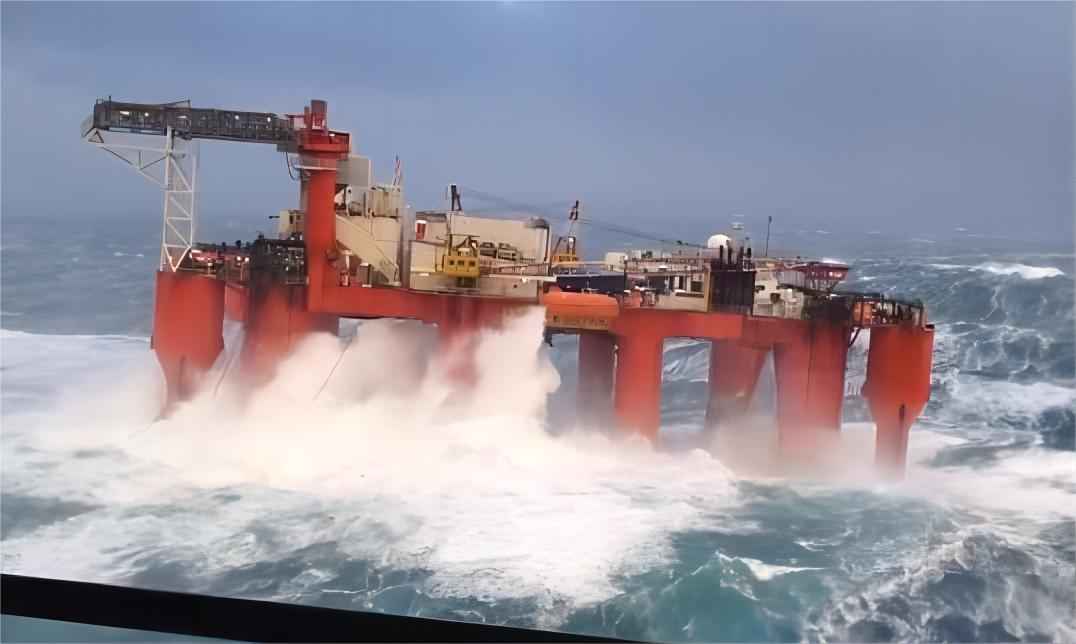
Oil rigs, those towering structures that adorn the oceans and seas, are pivotal to the global oil industry. These colossal platforms are designed to extract oil and natural gas from beneath the seabed, a process that's intricate and demanding. Among the questions often asked is whether oil rigs move during adverse weather conditions. In this piece, we'll delve into the factors influencing oil rig movement and the precautions taken to maintain their stability in challenging weather.
Understanding Oil Rig Movement:
Oil rigs are constructed to extract oil and natural gas from beneath the ocean floor. They vary in types such as fixed platforms, semi-submersible platforms, and floating production systems. Equipped with complex machinery, drilling equipment, and accommodation facilities, these platforms are often stationed in deep waters where they encounter the challenges of the open sea and unpredictable weather conditions.
Fixed Platforms vs. Floating Rigs:
The movement of oil rigs during bad weather depends largely on their type. Fixed platforms, firmly anchored to the seabed, remain stationary and unaffected by adverse weather. In contrast, floating rigs, equipped with dynamic positioning systems and thrusters, can maintain their position even in rough seas. They may sway or bob with the waves but generally stay put.
Factors Influencing Oil Rig Movement:
Several factors influence the movement of oil rigs during bad weather:
Rig Type:
Fixed platforms remain immobile, while floating rigs are designed to adapt to the ocean's dynamic conditions.
Wind Speed:
Strong winds exert lateral forces on oil rigs, more significantly impacting floating rigs than fixed platforms.
Currents:
Ocean currents can affect rig movement, with floating rigs capable of repositioning themselves to counteract strong currents.
Wave Height:
High waves can cause oil rigs to sway or pitch, potentially suspending drilling operations for safety reasons.
Ice and Cold Weather:
In Arctic regions, drifting ice and extreme cold temperatures pose challenges, requiring specially designed ice-resistant rigs.
Storms and Hurricanes:
Extreme weather events like hurricanes necessitate temporary suspension of drilling operations, with rigs evacuated to safer locations.

Precautions and Safety Measures:
To ensure safety and environmental protection during adverse weather, oil rig operators implement various precautions and safety measures:
Rig Design: Rig designs consider environmental factors to ensure stability.
Dynamic Positioning Systems: Floating rigs are equipped with dynamic positioning systems for stability.
Weather Monitoring: Vigilant monitoring of weather conditions to suspend operations if necessary.
Evacuation Protocols: Rig crews undergo training for evacuation procedures during severe weather.
Anchor Systems: Some floating rigs use anchor systems for added stability during unfavorable weather conditions.
Importance of Simulation Technology:
Simulation technology plays a crucial role in understanding oil rig behavior in challenging environments:
Design and Safety: Simulations aid in designing safer and reliable rigs.
Training and Learning: Realistic training experiences help crew members respond effectively during emergencies.
Risk Management: Simulations assess potential risks related to rig movement.
Dynamic Positioning Systems: Simulations fine-tune systems to keep the rig stable.
Real-time Monitoring: Combined with real-time data, drilling rig simulations aid in decision-making during bad weather.
Safety and Environmental Protection: Simulations help reduce the impact of accidents such as oil spills.
Conclusion:
Oil rigs are integral to the global energy industry, engineered to withstand offshore challenges. While they may experience some movement during bad weather, their stability is carefully managed to ensure safety. The industry's commitment to innovation and safety measures enhances the resilience of these offshore structures, ensuring safe and sustainable operations.
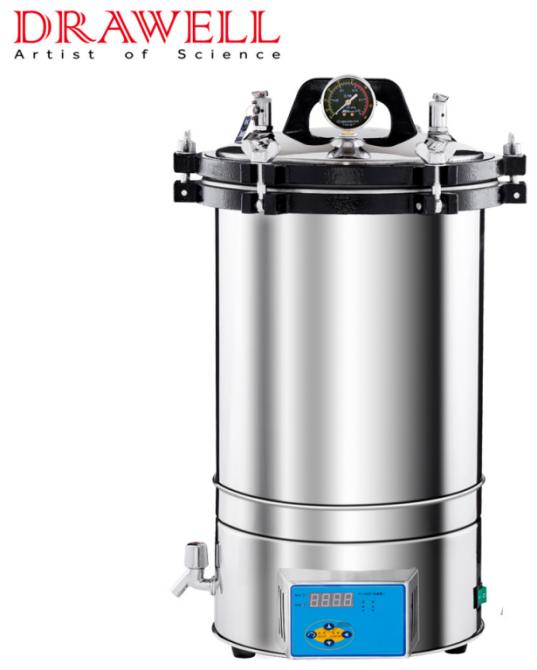
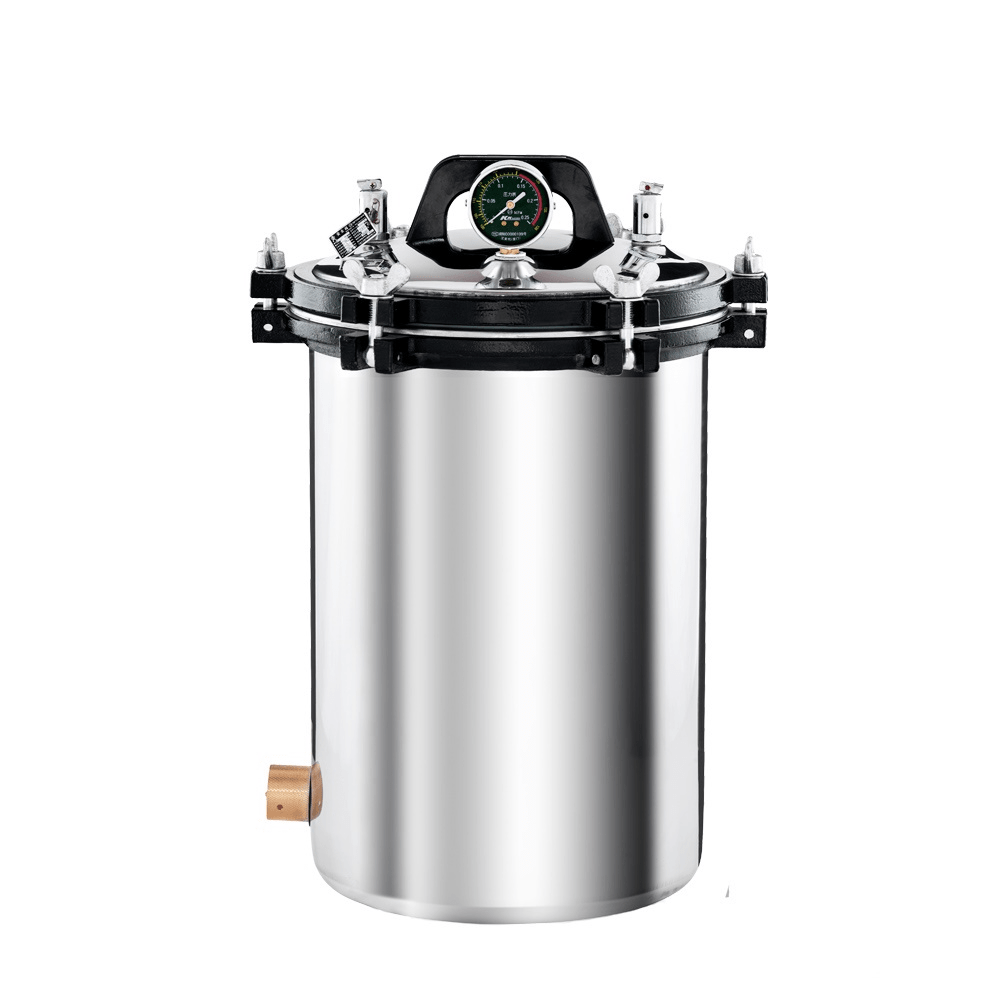
Sterilization is paramount for maintaining a safe and healthy environment across various industries. Portable steam autoclaves have emerged as versatile solutions, offering efficient sterilization capabilities in compact and mobile forms. These marvels have revolutionized sterilization practices across diverse sectors, including healthcare facilities, research expeditions, and beauty salons. This article explores the the advantages and applications of portable steam autoclaves, underscoring their importance in ensuring cleanliness, safety, and compliance in various settings.
Advantages of Portable Steam Autoclaves:
Mobility and Versatility:
Portable autoclaves are easily moved and used in different locations due to their compact and lightweight designs. This mobility makes them ideal for fieldwork, remote areas, or settings with limited space, ensuring sterilization can be conducted wherever needed.
Ease of Use and Quick Setup:
Designed to be user-friendly, portable autoclaves feature intuitive controls and simple operation. They offer quick setup times, facilitating efficient sterilization processes accessible to a wide range of users, including healthcare professionals, researchers, and technicians.
Effective Sterilization Capabilities:
Utilizing high-pressure saturated steam, portable pressure steam autoclaves offer highly effective sterilization. Steam can penetrate various materials, reaching challenging-to-access areas and eliminating bacteria, viruses, fungi, and other microorganisms, ensuring thorough sterilization of treated items.
Cost-Effectiveness and Time Efficiency:
Compared to larger, permanent autoclave systems, portable autoclaves offer cost savings in terms of initial investment and maintenance. Their efficient sterilization cycles reduce processing time, allowing for faster turnaround and increased productivity.
Energy Efficiency:
Many portable autoclaves are energy-efficient, consuming less power during operation. This feature is beneficial in environments with limited energy resources or when operating on battery power, contributing to sustainability efforts and reducing operational costs.
Compliance with Safety Standards:
Manufactured to meet safety standards and regulations, portable autoclaves incorporate safety features such as pressure and temperature sensors, automatic shut-off mechanisms, and door interlocks. These features prevent accidents and ensure operator safety during sterilization processes.
Applications of Portable Steam Autoclaves:
Medical and Healthcare Industry:
Widely used in hospitals, clinics, and healthcare facilities for sterilizing medical instruments, surgical equipment, dressings, and other reusable items, reducing the risk of infections and cross-contamination.
Dental Clinics and Laboratories:
Essential for maintaining strict infection control measures in dental practices and laboratories by sterilizing dental instruments, handpieces, probes, and other tools.
Field Research and Remote Locations:
Valuable in field research and remote locations where access to traditional sterilization facilities may be limited, enabling on-site sterilization of equipment and supplies for safe and hygienic procedures.
Veterinary Practices:
Used by veterinarians and animal clinics to sterilize surgical instruments, grooming tools, and equipment, preventing the spread of infectious diseases among animals.
Tattoo and Piercing Studios:
Essential for maintaining a sterile environment in the body art industry by sterilizing tattoo needles, piercing tools, and jewelry, minimizing the risk of infections and ensuring client safety.
Beauty and Spa Establishments:
Utilized in beauty salons, spas, and nail salons for sterilizing manicure and pedicure tools, hair cutting implements, and other reusable items, promoting cleanliness and hygiene.
Conclusion:
The advent of portable steam autoclaves has transformed sterilization practices across industries. Their mobility, ease of use, effective sterilization, cost-effectiveness, and energy efficiency make them invaluable assets in various settings. Whether safeguarding patient health in healthcare facilities, conducting research in remote locations, or prioritizing hygiene in beauty establishments, portable autoclaves play a vital role in ensuring the highest standards of sterilization. As industries continue to evolve, portable steam autoclaves will remain indispensable tools, promoting the well-being of individuals and communities through safe and efficient sterilization practices.
When it comes to hardware fasteners, nuts are essential components that hold structures and machinery together, ensuring stability and integrity. Among the myriad of nuts available, two commonly encountered options are hex nuts and square nuts. While both serve the purpose of securing fasteners, they possess distinct characteristics suitable for different applications.
Hex Nuts:
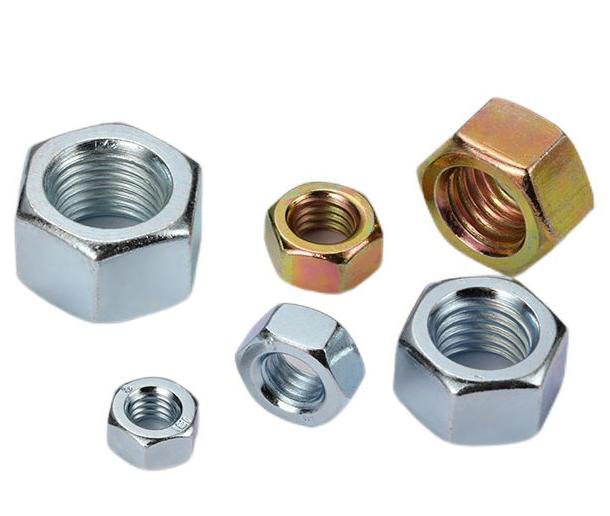
Hex nuts, characterized by their six-sided shape resembling a hexagon, are ubiquitous in construction, automotive, and industrial settings. These custom hex nuts come in various sizes and materials, typically metal like steel or brass, and feature internal threads to mate with external threads on bolts or screws. Hex nuts are versatile and find applications in assembling components, providing a stable and reliable connection crucial in diverse industries.
Advantages of Hex Nuts:
Versatility: Hex nuts are compatible with a wide variety of fasteners, making them suitable for diverse applications.
Secure Fastening: The six-sided design provides multiple contact points, ensuring a secure and tight connection.
Torque Distribution: Hexagonal shape allows for even distribution of torque during installation, reducing the risk of damage or stripping.
Ease of Use: Hex nuts can be easily tightened or loosened using standard wrenches or socket sets, making them convenient for assembly and maintenance tasks.
Common Availability: Hex nuts are widely accessible in hardware stores, making procurement easier compared to specialized nuts.
Limitations of Hex Nuts:
Limited Access: Hex nuts may be challenging to install or remove in tight spaces due to their design.
Angular Misalignment: Hexagonal shape may restrict movement or adjustment in situations requiring angular misalignment.
Surface Damage: Improper wrenching or excessive force can lead to surface damage, affecting nut integrity.
Corrosion Susceptibility: Depending on material and finish, hex nuts may be prone to corrosion, especially in harsh environments.
Square Nuts:
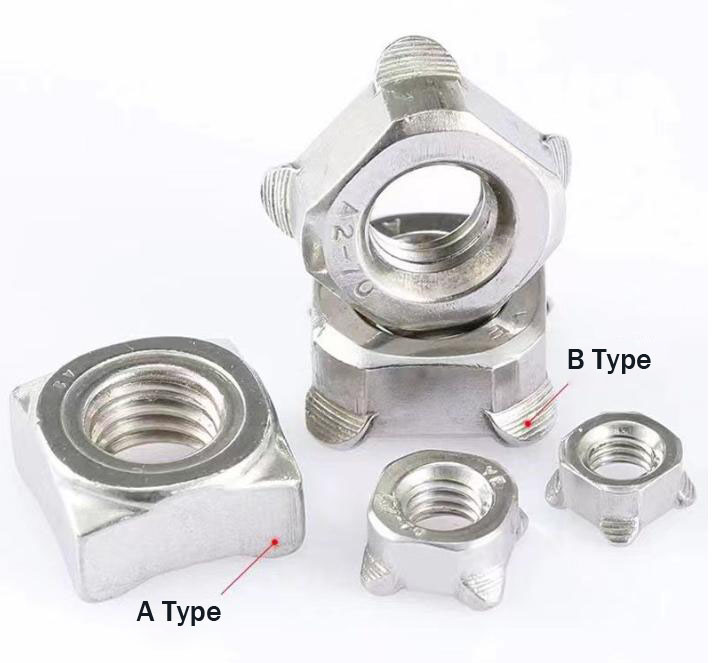
Square nuts stand out with their four equal sides and right angles, finding specific uses in woodworking, furniture assembly, and applications where stability and anti-rotation features are vital. Similar to hex nuts, square nuts are made of metal, commonly stainless steel or zinc-plated steel, and feature internal threads matching external threads on bolts or screws. They offer a secure grip and resistance to loosening due to their unique shape.
Advantages of Square Nuts:
Anti-Rotation Feature: Square shape prevents rotation when tightened, providing added stability to the connection.
Secure Fastening: Square nuts offer a firm grip and resist loosening due to vibration or torque.
Easy Alignment: Flat sides facilitate alignment during installation, making positioning and securing easier.
Enhanced Wrenching Surface: Larger surface area allows for better wrenching, reducing the risk of surface damage or stripping.
Aesthetic Appeal: Square nuts provide a unique visual element and are preferred in applications where appearance matters.
Limitations of Square Nuts:
Limited Availability: Square nuts may not be as widely available as hex nuts, making procurement slightly less convenient.
Tool Requirements: Specialized tools like square socket wrenches or pliers may be needed for installation and removal.
Compatibility: Square nuts may not be compatible with certain fasteners, requiring specific bolts or screws with matching square heads.
Accessibility Challenges: Similar to hex nuts, square shape may hinder installation or removal in tight spaces.
Conclusion:
Choosing between hex nuts and square nuts depends on project-specific requirements, including size, compatibility, strength, accessibility, and cost considerations. Hex nuts offer versatility and common availability, while square nuts provide anti-rotation features and enhanced stability. Understanding the differences between these two nut types allows for informed decisions, ensuring secure and reliable fastening solutions tailored to specific applications.
Oilfields stand as dynamic and demanding arenas where invaluable hydrocarbons are extracted. While these operations are essential for meeting global energy needs, they inherently harbor risks to workers, the environment, and the industry at large. Prioritizing oilfield safety is paramount, aiming to safeguard lives, prevent environmental catastrophes, and ensure the enduring viability of oil and gas endeavors. In this article, we delve into the significance of oilfield safety, the hurdles it faces, and the measures imperative for fostering a safe working environment amidst the complexities of this domain.
>
The Importance of Oilfield Safety
1. Protection of Human Lives
the presence of heavy machinery, high-pressure equipment, and exposure to hazardous chemicals, oilfield operations inherently pose dangers to workers. Stringent safety measures and extensive training are vital in mitigating the risks of accidents, injuries, and fatalities.
2. Prevention of Environmental Disasters
Oil spills, leaks, and pollutants from oilfield activities can wreak havoc on the environment, leading to degradation, water contamination, and adverse impacts on local communities. Adhering to rigorous safety protocols and robust environmental safeguards can significantly reduce the likelihood of such disasters.
3. Safeguarding the Industry’s Viability
Oilfield accidents can have severe economic repercussions, disrupting supplies, increasing market volatility, and inflicting financial losses. Ensuring safety is not only a matter of compliance but also pivotal for the industry's long-term sustainability and profitability.
4. Enhancing Reputation and Accountability
Maintaining a positive public image is essential for oil and gas companies. Safety breaches and accidents can tarnish reputation, erode trust, and expose firms to legal liabilities. Prioritizing safety demonstrates accountability and a commitment to ethical business practices.
5. Worker Well-being and Morale
Fostering a robust safety culture contributes to improved worker well-being and morale. When employees feel their safety is prioritized, they are more engaged, motivated, and committed to their tasks, resulting in a positive and productive workforce.
6. Compliance with Regulations
Regulatory authorities enforce stringent safety standards to protect workers, the environment, and the public. Compliance with these standards is not only a legal obligation but also a moral imperative for conducting business responsibly.
7. Risk Mitigation
Proactive measures, such as stringent safety protocols and risk assessments, aid in identifying and minimizing potential hazards. This approach reduces the likelihood of accidents and enhances emergency preparedness.
8. Sustainability and Longevity
The industry's ability to operate safely and ethically is crucial for its long-term viability. Demonstrating a commitment to safety is essential for maintaining social license to operate and ensuring the industry's survival.

Measures and Best Practices for Ensuring Oilfield Safety
1. Comprehensive Training
Continuous training on safety protocols, emergency response procedures, and proper equipment usage is essential for ensuring worker preparedness.
2. Safety Protocols and Procedures
Standardized safety policies covering all aspects of operations should be developed and implemented, with employees well-versed in these protocols. oil and gas simulation training system was designed to assist major drilling training facilities or petroleum schools in conducting training in various disciplines of the petroleum industry. The creation of these online simulation training systems has been critical to the growth of the petroleum sector and continuing education in the oilfield business.
3. Technological Advancements
Embrace innovative technologies like automation, remote monitoring, and robotics to enhance safety and reduce human intervention in risky situations.
4. Preventive Maintenance
Regular inspection and maintenance of equipment and facilities help identify and rectify issues before they escalate into accidents.
5. Safety Culture
Promote a culture of safety throughout the organization, encouraging active participation and accountability at all levels.
6. Regulatory Compliance
Adhere to local and international safety regulations, staying abreast of changes and using audits as opportunities for improvement.
7. Emergency Response Plans
Develop and maintain well-defined emergency response plans to effectively address various contingencies.
8. Environmental Safeguards
Implement preventive and response measures to mitigate environmental risks, including oil spills.
9. Risk Assessments
Conduct comprehensive risk evaluations to identify and address potential hazards.
10. Safety Audits and Oversight
Regular audits and reviews of operations ensure compliance and identify areas for improvement.
11. Health and Wellness Programs
Implement programs that address factors contributing to accidents, promoting overall well-being.
12. Communication and Reporting
Foster open communication channels for reporting safety concerns without fear of reprisal.
13. Continuous Improvement
Regularly review and enhance safety practices based on lessons learned and industry advancements.
14. Safety Performance Metrics
Use key metrics to track safety performance and identify areas for enhancement.
Conclusion
Prioritizing safety in oilfield operations is paramount for protecting lives, preserving the environment, and ensuring the industry's sustainability. By adhering to stringent safety standards, embracing technological advancements, and fostering a culture of safety, the oil and gas sector can create a safer working environment, mitigate risks, and secure its long-term profitability. Ultimately, investing in safety measures is not just a regulatory requirement but a moral obligation to uphold ethical business practices and safeguard the well-being of workers and ecosystems alike.
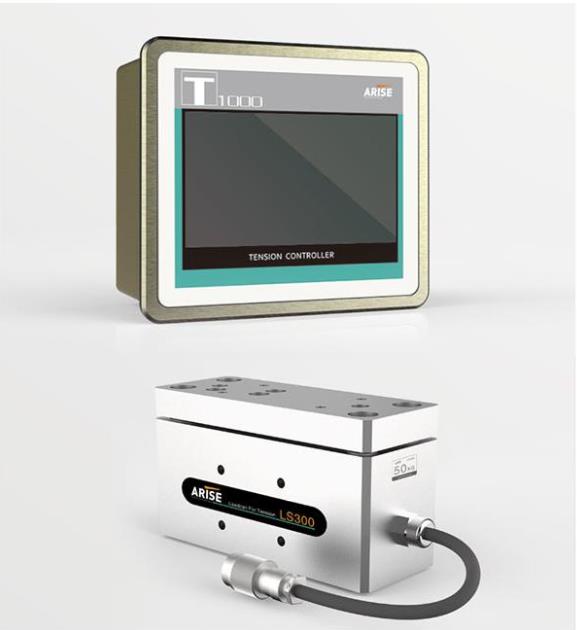
The realm of flexible packaging operates within a dynamic framework, demanding precision, consistency, and efficiency at every stage. Among the myriad components and technologies ensuring seamless operations, web tension controllers emerge as pivotal players. These controllers play a critical role in maintaining optimal tension levels throughout flexible packaging processes, leading to enhanced quality, minimized waste, and overall operational efficiency. In this article, we delve into the indispensable role of web tension controllers in flexible packaging processes, exploring their functionality, benefits, and transformative impact on the industry.
Functionality of Web Tension Controllers in Flexible Packaging Processes:
Flexible packaging involves handling materials inherently sensitive to tension variations, such as films, foils, and laminates. Consistent tension application is paramount to preserving material integrity across printing, laminating, slitting, and winding operations. Even minor tension imbalances can trigger issues like misalignment, wrinkles, and material breakage, jeopardizing packaging aesthetics, functionality, and operational efficiency.
At the core of optimal tension control lies the web tension controller. Serving as a diligent conductor, this device orchestrates the intricate dance of packaging materials throughout their journey. Leveraging advanced tension control algorithms and real-time data from strategically positioned sensors, these controllers make instantaneous adjustments to maintain precise tension levels. Continuously monitoring factors such as material tension, speed, and diameter, they ensure seamless material handling and processing.

Key Benefits of Web Tension Controllers in Flexible Packaging Processes:
Consistent Product Quality: Web tension controllers uphold uniform tension levels across flexible packaging materials, ensuring consistent product quality and minimizing defects like wrinkles or misalignment.
Reduced Material Waste: By optimizing tension levels, web tension controllers minimize material waste associated with defects, maximizing material utilization and reducing scrap rates.
Improved Machine Efficiency: These controllers enhance machine efficiency by eliminating tension-induced stoppages or jams, maximizing production throughput and minimizing downtime.
Enhanced Print Registration: Accurate tension control is crucial for precise print registration, resulting in sharp, aligned prints and high-quality packaging graphics.
Greater Process Flexibility: Web tension controllers offer flexibility to adjust tension settings based on specific material and process requirements, accommodating diverse substrates and production conditions.
Reduced Operator Intervention: Automated tension control systems minimize manual adjustment and monitoring, allowing personnel to focus on other critical tasks and improving overall efficiency.
Prevention of Machine Damage: By maintaining optimal tension levels, these controllers prevent excessive stress on machinery components, prolonging equipment lifespan and reducing maintenance costs.
Compliance with Quality Standards: Web tension controllers help meet stringent quality standards for flexible packaging products, enhancing customer satisfaction and brand reputation.
Conclusion:
Web tension controllers ensure the seamless flow of operations in the flexible packaging industry. Their role in maintaining ideal tension levels translates to superior product quality, minimized waste, and enhanced operational efficiency. As the flexible packaging industry continues to evolve, web tension controllers will remain at the forefront of innovation, driving advancement and contributing to the production of top-tier packaging materials that safeguard and elevate the items they encapsulate.