
Maritime safety is a critical aspect of seafaring, and the integration of vvarious marine life-saving equipment is crucial for enhancing the survival rates of individuals in emergency situations. Among these, inflatable life rafts play a pivotal role, offering immediate refuge in the event of ship abandonment. However, their effectiveness is significantly amplified when combined with other marine life-saving devices. This article explores the seamless integration of inflatable life rafts with other critical marine safety equipment, highlighting advancements, benefits, and best practices.

Integration of Inflatable Life Rafts with Various Marine Life-Saving Equipment
Personal Locator Beacons (PLBs) and Emergency Position-Indicating Radio Beacons (EPIRBs)
Integration: PLBs and EPIRBs can be pre-installed in life rafts or activated automatically when the raft is deployed.
Benefit: These devices send distress signals to satellites, providing precise location data to rescue services, which accelerates rescue operations.
Automatic Identification Systems (AIS)
Integration: AIS transponders can be included in life rafts, allowing them to broadcast their location to nearby ships and rescue teams.
Benefit: Enhanced visibility and tracking of the life raft by other vessels and rescue authorities improve coordination and response time.
Survival Suits and Thermal Protective Aids (TPAs)
Integration: Stored within the life raft, these suits help individuals retain body heat in cold water conditions.
Benefit: They significantly increase the chances of survival by preventing hypothermia, which is crucial in cold maritime environments.

Hydrostatic Release Units (HRUs)
Integration: HRUs automatically deploy life rafts when submerged in water.
Benefit: Ensures that life rafts are released and inflated even if the crew is incapacitated or unable to manually launch them, providing a critical safety net in fast-sinking scenarios.
Fire Detection and Extinguishing Systems
Integration: Portable fire extinguishers and integrated fire detection systems are included with the life raft deployment system.
Benefit: Immediate access to firefighting tools enhances safety by preventing fire damage to the life raft and protecting its occupants.
Best Practices for Achieving Optimal Integration of Inflatable Life Rafts with Marine Life-Saving Equipment
Regular Maintenance and Inspection
Routine Checks and Servicing
Regular Inspections: Conduct frequent inspections of life rafts and integrated equipment to ensure they are in good working condition.
Scheduled Servicing: Adhere to a strict maintenance schedule for all components, including inflation systems, hydrostatic release units (HRUs), and signaling devices.
Update Safety Equipment: Ensure all life-saving equipment is up-to-date and complies with the latest safety standards and regulations.
Importance: Regular maintenance ensures that life-saving equipment is ready for immediate deployment during emergencies, reducing the risk of malfunctions.
Comprehensive Training and Drills
Crew Training
Hands-On Training: Provide crew members with practical training sessions on deploying and using integrated life rafts and associated equipment.
Emergency Drills: Conduct regular emergency drills that simulate real-life scenarios, allowing the crew to practice and refine their response procedures.
Importance: Proper training ensures that crew members are familiar with the equipment and can act swiftly and efficiently in emergencies.
Utilizing Advanced Technology
Modern Communication and Tracking Systems
GPS and AIS Integration: Equip life rafts with GPS and Automatic Identification Systems (AIS) to enhance tracking and location accuracy.
Satellite Communication Devices: Integrate Emergency Position-Indicating Radio Beacons (EPIRBs) and Personal Locator Beacons (PLBs) for reliable distress signaling.
Advanced Safety Features
Thermal Protective Aids (TPAs): Include TPAs and survival suits within life rafts to protect occupants from hypothermia in cold water conditions.
Fire Detection and Extinguishing Systems: Integrate portable fire extinguishers and fire detection systems to address fire-related emergencies.
Importance: Leveraging advanced technology improves the effectiveness of life-saving equipment, enhancing the chances of timely rescue and survival.
Customization for Specific Vessel Needs
Tailored Solutions
Vessel-Specific Equipment: Customize the integration of life rafts and safety equipment based on the vessel type, size, and operational environment.
Environmental Considerations: Consider specific environmental conditions such as temperature, sea state, and geographical location when selecting and integrating safety equipment.
Importance: Tailored solutions ensure that the safety equipment is suitable for the specific needs of the vessel and its operational context, maximizing its effectiveness.
Regulatory Compliance and Certification
Adherence to Standards
Compliance with Regulations: Ensure that all life rafts and integrated equipment meet international maritime safety standards and regulations set by organizations such as the International Maritime Organization (IMO) and the United States Coast Guard (USCG).
Certification: Obtain certification for all integrated safety equipment from recognized regulatory bodies.
Importance: Compliance with regulations and obtaining certifications ensure that the safety equipment is reliable, recognized, and approved for use in maritime operations.
Integration Planning and Coordination

Strategic Planning
Integration Blueprint: Develop a comprehensive plan that outlines the integration process, including equipment specifications, installation procedures, and testing protocols.
Coordination with Manufacturers: Collaborate with manufacturers of life rafts and safety equipment to ensure compatibility and seamless integration.
Importance: Strategic planning and coordination ensure that the integration process is smooth, efficient, and effective, minimizing potential issues during deployment.
Conclusion
The integration of inflatable life rafts with other marine life-saving equipment represents a significant advancement in maritime safety. This comprehensive approach ensures that all critical aspects of survival—location tracking, signaling, thermal protection, and fire safety—are addressed effectively. By adopting these integrated solutions, maritime operators can create a robust safety framework that enhances the protection of crew and passengers, ultimately saving more lives during maritime emergencies.
The friction coefficient is defined as the force required to move one surface against another divided by the force pressing the two surfaces together. In the context of bolted connections, the friction coefficient refers to the resistance between the bolt and the mating surfaces of the nut and the joint. This friction coefficient is a crucial parameter that determines how much force is needed to tighten and loosen bolts.

Importance of Understanding the Factors Affecting the Friction Coefficient of Bolts
Proper Assembly
The friction coefficient plays a vital role in bolt tightening, requiring a specific amount of torque to achieve the correct tension. Ignoring the friction coefficient can lead to incorrect torque application, resulting in either joint failure or damage to the bolt and the materials it connects.
Safety
Bolts are often used in critical applications where safety is paramount, such as in bridges, airplanes, and automobiles. A proper understanding of the friction coefficient ensures bolts are tightened to the correct tension, preventing joint failure and potential catastrophic consequences.
Maintenance
Regular inspection and maintenance are essential for ensuring continued reliability of bolts. Understanding the factors that influence the friction coefficient can help identify potential problems and guide appropriate maintenance and replacement schedules.
Cost Efficiency
Improperly tightened fasteners can lead to unnecessary downtime and repair costs. By understanding the factors affecting the friction coefficient, engineers and technicians can optimize the assembly process, reducing the likelihood of failures and saving time and money in the long run.

Main Factors Affecting the Friction Coefficient of Bolts
Surface Finish
The surface finish of the bolt and mating surfaces significantly affects the friction coefficient. A rough surface finish increases the friction coefficient, making it harder to tighten or loosen the bolt. Conversely, a smooth surface finish lowers the friction coefficient, making it easier to handle the bolt. Therefore, it is crucial to ensure surfaces are properly machined and have the desired finish.
Lubrication
Lubrication of the mating surfaces can reduce the friction coefficient, facilitating easier tightening or loosening of the bolt. However, it is essential to use the appropriate lubricant for the application. For instance, high-temperature lubricants are necessary for bolts exposed to high temperatures.
Preload
Preload is the tension applied to the bolt when tightened. The friction coefficient is significantly influenced by preload. If the preload is too low, the friction coefficient is too low, causing the bolt to loosen over time. If the preload is too high, the friction coefficient becomes excessive, leading to bolt breakage or stripping.
Materials
The materials used in the bolt and mating surfaces can affect the friction coefficient due to their surface properties. For example, a stainless steel bolt will have a different friction coefficient compared to a carbon steel bolt. Selecting the right materials for each application is crucial.
Environmental Factors
Temperature: Temperature affects bolt friction coefficients through thermal expansion and relaxation. High temperatures cause the bolt and nut to expand, reducing clamping force and friction coefficient. Conversely, low temperatures increase clamping force and friction coefficient. This is critical in temperature-variable applications like car engines.
Humidity: Humidity can alter the properties of lubricants or anti-seize compounds, impacting the friction coefficient. High humidity can lead to oxidation or corrosion, increasing the friction coefficient and causing potential seizing of the bolt. Low humidity can cause lubricants to dry out, reducing the friction coefficient and potentially causing bolt loosening.
Summary
When selecting and installing bolts, it is essential to consider the factors affecting the friction coefficient to ensure they provide the necessary strength and stability to the overall system. By carefully examining these factors, the risk of bolt failure can be minimized, ensuring the safe and reliable operation of mechanical systems.
Food packaging printing stands at the crossroads of creativity, functionality, and compliance, ensuring products not only appear attractive but also meet strict safety standards.
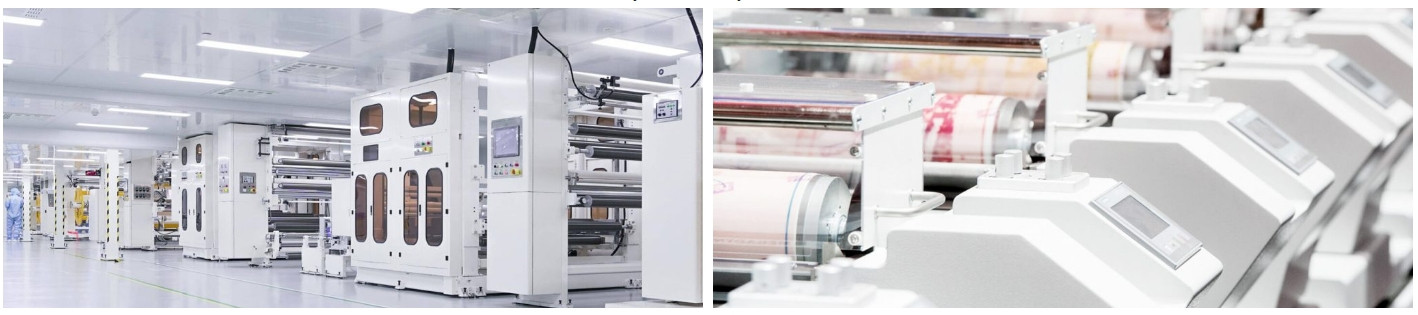
Addressing safety, regulatory compliance, quality, and sustainability, food packaging printers face numerous challenges to deliver packaging that satisfies both consumers and regulatory authorities. This article explores the key challenges in the food packaging printing industry and the innovative solutions to overcome them effectively.
Challenges in Food Packaging Printing
Regulatory Compliance
The foremost challenge in food packaging printing is adhering to regulatory standards. Different regions have varying regulations for food contact materials, including inks and substrates used in printing. These regulations aim to protect public health by preventing harmful substances from migrating into food products. Printers must stay informed about these regulations and select materials that meet the required safety criteria. Non-compliance can lead to costly recalls, legal penalties, and brand reputation damage.
Safety and Migration Concerns
Food packaging printing uses inks and coatings that must be safe for consumers. Ink components need careful selection to minimize migration—the transfer of substances from packaging into food. This involves thorough testing to ensure inks are safe and compatible with different packaging materials and food types. Factors like temperature, acidity, and moisture also influence migration risk, which printers must account for.
Adherence to Brand Guidelines
Beyond regulatory compliance and safety, food packaging printing is vital for branding. Printers must balance meeting regulatory requirements and adhering to brand guidelines, which include accurately reproducing brand colors, logos, and imagery. Achieving this balance requires advanced color management, high-quality printing equipment, and skilled personnel capable of executing complex designs precisely.
Sustainability and Environmental Concerns
Increasingly, there is a focus on sustainability in food packaging printing. Consumers are more aware of the environmental impact of packaging, prompting brands to adopt eco-friendly solutions. Printers must find sustainable alternatives to traditional materials and inks, such as recycled or biodegradable substrates and vegetable-based inks. Balancing sustainability with cost-effectiveness and performance remains challenging.
Technical Limitations and Compatibility Issues
Printing on diverse packaging materials presents unique technical challenges. Different substrates, like plastics, paperboard, and metals, require specialized printing techniques and inks for optimal results. The shape and surface texture of packaging containers also affect print quality and adhesion. Printers must have the technical expertise to overcome these challenges and deliver consistent, high-quality results across various substrates and packaging formats.
Supply Chain Complexity
Food packaging printing is part of a complex supply chain involving manufacturers, converters, printers, and brand owners. Coordination among these stakeholders is crucial for timely production, quality control, and specification compliance. Disruptions or miscommunications within the supply chain can lead to delays, errors, and increased costs. Effective collaboration and communication are essential for success.
Solutions to Address Challenges in Food Packaging Printing
Investment in Advanced Printing Technologies
Embrace advanced printing technologies like digital printing, flexography, and offset printing. These technologies offer precise color management, high-resolution printing, and faster production speeds, enhancing efficiency and quality.
Regulatory Compliance Management
Implement robust regulatory compliance management systems to ensure adherence to food safety regulations and packaging standards. Stay updated on regulatory changes and collaborate with experts to assess and mitigate compliance risks.
Quality Assurance Systems
Deploy comprehensive quality assurance systems and printing inspection technologies to monitor print quality, detect defects, and ensure consistency. Automated inspection systems identify issues in real-time, minimizing errors and reducing waste.
Sustainable Printing Practices
Adopt sustainable printing materials and processes to reduce environmental impact. Use eco-friendly substrates, biodegradable inks, and energy-efficient equipment to meet sustainability goals and consumer demand for eco-conscious packaging.
Collaboration Across the Supply Chain
Foster collaboration and communication among stakeholders in the food packaging supply chain, including suppliers, converters, printers, and brand owners. Streamline workflows, share best practices, and leverage collective expertise to optimize processes and address challenges collaboratively.
Investment in Training and Skill Development
Provide ongoing training and development for printing personnel to enhance technical expertise, regulatory knowledge, and problem-solving abilities. Empower employees to proactively identify and address challenges, driving continuous improvement.
Integration of Data Analytics and Automation
Utilize data analytics and automation tools to optimize printing processes, improve efficiency, and reduce errors. Analyze production data to identify trends, optimize workflows, and make data-driven decisions that enhance performance and quality.
Continuous Improvement Culture
Promote a culture of continuous improvement by encouraging feedback, implementing feedback loops, and celebrating successes. Encourage innovation, experimentation, and collaboration to drive ongoing advancements in food packaging printing practices.
How Printing Inspection Systems Address Challenges in Food Packaging Printing
Quality Control and Defect Detection
Printing inspection systems use advanced imaging technology to detect defects like misprints, smudges, streaks, and color variations on printed packaging materials. By scanning and analyzing substrates in real-time, these systems identify and rectify quality issues before they escalate, ensuring only flawless packaging reaches consumers.
 Color Consistency and Accuracy
Consistent color reproduction is crucial for maintaining brand identity and consumer trust. Printing inspection systems use color management algorithms to compare printed colors against reference standards and detect deviations. Monitoring color consistency throughout the printing process helps achieve accurate and uniform color reproduction across different substrates, batches, and printing runs.
Barcode and Text Verification
Accurate printing of barcodes, expiration dates, batch codes, and other essential text is critical for traceability and regulatory compliance. Printing inspection systems verify the readability and accuracy of printed text and codes using optical character recognition (OCR) and barcode verification algorithms, ensuring all necessary information is legible and correctly printed, reducing errors and regulatory non-compliance.
Regulatory Compliance Assurance
Food packaging printing must comply with strict regulations regarding ink migration, substrate suitability, and labeling. Printing inspection systems help ensure compliance by detecting issues like ink smudging, incomplete printing, or non-compliant materials. These systems provide objective evidence of compliance, mitigating the risk of penalties, recalls, and reputational damage.
Data Integrity and Documentation
Printing inspection systems generate detailed reports and documentation of inspection results, including images, measurements, and timestamps. This documentation serves as a comprehensive record of print quality and compliance, enabling traceability and accountability throughout the printing process. Accurate records facilitate audits, investigations, and continuous improvement, enhancing transparency and confidence in the printing process.
Real-time Monitoring and Intervention
By integrating with printing equipment and production workflows, printing inspection systems enable real-time monitoring and intervention in response to detected issues. Automated alerts notify operators of potential problems, allowing prompt corrective action. This proactive approach minimizes downtime, reduces waste, and optimizes production efficiency, ensuring timely delivery of high-quality printed packaging materials.
Process Optimization and Continuous Improvement
Printing inspection systems provide valuable data and insights into printing performance, including defect trends, error rates, and production bottlenecks. Analyzing this data helps identify root causes of quality issues, implement corrective actions, and optimize printing processes for greater efficiency and reliability. Continuous improvement efforts driven by printing inspection systems enhance print quality, reduce costs, and maintain compliance with evolving regulatory standards.

Conclusion
Food packaging printing is a complex process requiring careful consideration of regulatory requirements, safety concerns, quality control, sustainability, and collaboration across the supply chain. By adopting proactive measures, investing in technology, and focusing on sustainability and quality, the food packaging printing industry can evolve and meet the ever-changing demands of consumers and regulatory authorities.
Oil and gas exploration is a complex and vital element of the global energy economy, involving the systematic search for underground hydrocarbon reserves such as crude oil and natural gas. This article delves into the fascinating world of oil and gas exploration, examining the methods, technologies, environmental concerns, and future prospects of this essential industry.

The Fundamentals of Oil and Gas Exploration
Geological Surveys
Geologists conduct extensive research before any drilling begins to identify promising geological formations. These surveys examine rock layers, subsurface structures, and potential hydrocarbon source rocks. Seismic surveys play a crucial role in mapping these subsurface structures by using sound waves to create detailed images of underground formations.
Exploration Drilling
If a promising area is identified, exploratory drilling commences. This involves drilling exploratory wells to evaluate the presence and quantity of hydrocarbons. Core samples and data from these wells provide valuable insights into the reservoir’s characteristics, such as depth, pressure, and temperature.
Reservoir Evaluation
A comprehensive reservoir study is essential to determine a discovery's commercial viability. Engineers assess parameters such as porosity, permeability, and fluid properties. Advanced technologies like well logging and pressure testing help gather critical data to inform decision-making.
Technologies and Tools in Oil and Gas Exploration
Technological advancements have revolutionized the oil and gas exploration sector, enabling more efficient and accurate methods of identifying and extracting hydrocarbon sources. These technologies and techniques are crucial in reducing exploration risks and enhancing overall industry effectiveness.
Seismic Imaging
2D and 3D Seismic Surveys: These surveys send seismic waves into the ground and record the reflections to create detailed images of geological formations and potential reservoirs.
4D Seismic Monitoring: This advanced technique tracks changes in reservoirs over time, providing insights into reservoir behavior and optimizing production strategies.
Remote Sensing
Satellite Imagery: Satellites equipped with various sensors capture high-resolution images of the Earth's surface, monitoring changes in terrain, vegetation, and land use to identify potential exploration sites.
Aerial Surveys: Drones and aircraft with specialized sensors gather detailed data over specific areas, even in remote or inaccessible locations.
Well Logging
Wireline Logging: Logging tools are lowered into a well to measure rock density, porosity, resistivity, and fluid composition, helping determine the reservoir’s properties.
Mud Logging: Analyzing drilling mud for hydrocarbon content and geological information provides real-time data on subsurface conditions.
Directional Drilling
Rotary Steerable Systems: These systems allow operators to control the drill bit’s direction and trajectory, accessing reservoirs not directly beneath the drilling site.
Measurement-While-Drilling (MWD) and Logging-While-Drilling (LWD): These tools provide real-time data on drilling conditions, enabling operators to adjust the drilling process promptly.
Reservoir Simulation
Numerical Reservoir Modeling: Advanced software creates 3D reservoir models to simulate fluid flow and pressure changes, aiding in reservoir management and production strategy optimization.
Simulation Technology: Used for training in various petroleum operations, these drilling simulation systems help improve the skills needed for rig installation, well logging, and other essential activities.

Subsea Technologies
Remote Operated Vehicles (ROVs): ROVs inspect and maintain subsea equipment and pipelines, crucial for deepwater exploration.
Subsea Imaging and Mapping: Sonar and underwater cameras create detailed maps of the seafloor and underwater structures.
Geochemical Analysis
Geochemical Surveys: These surveys analyze soil, rock, and water samples to detect hydrocarbon indicators, providing information on potential oil and gas reservoirs.
Data Analytics and AI
Machine Learning: AI algorithms process vast amounts of exploration data to predict reservoir properties and drilling conditions.
Big Data Analytics: Analyzing large datasets from various sources helps identify exploration trends and optimize decision-making.
Environmental Monitoring
Environmental Sensors: Continuous monitoring of air and water quality and wildlife observations ensure compliance with environmental regulations and mitigate impacts on ecosystems.
Drilling and Well Completion Technologies
Advanced Drill Bits: Improved drill bit designs enhance drilling efficiency and longevity.
Casing and Completion Technologies: Innovations in casing materials and well-completion methods improve well integrity and production rates.

Future Prospects and Challenges in Oil and Gas Exploration
Future Prospects
Technological Advancements: Continued innovation in exploration technologies will lead to more precise and cost-effective methods for locating hydrocarbon reserves.
Unconventional Resources: Exploration of unconventional resources like shale gas and tight oil is expected to grow, significantly altering the energy landscape.
Deepwater Exploration: With shallower resources depleting, deepwater exploration is set to increase, aided by advances in subsea technology.
Renewable Energy Integration: Oil and gas companies are increasingly diversifying into renewable energy sources, creating new exploration opportunities and reducing the industry’s carbon footprint.
Global Energy Demand: Despite the rise of renewables, global energy demand will continue to grow, necessitating ongoing exploration for conventional hydrocarbons.
Future Challenges
Environmental Concerns: The industry faces pressure to reduce its environmental footprint through stricter regulations and increased public awareness of climate change.
Energy Transition: The shift to cleaner energy sources may reduce fossil fuel demand, impacting the economics of exploration projects.
Geopolitical Risks: Exploration in politically unstable regions poses risks related to conflicts, regulatory changes, and supply disruptions.
Resource Depletion: Discovering new, large, and easily accessible reserves is becoming more challenging.
Cost and Risk Management: Managing exploration costs and mitigating risks associated with drilling dry wells remain constant challenges.
Public Perception: Navigating negative public perceptions due to environmental concerns is crucial for maintaining a social license to operate.
Evolving Energy Markets: Fluctuations in energy prices and market dynamics can affect the economic viability of exploration initiatives.
Technological Uncertainty: Rapid technological advancements can complicate long-term investment decisions.
Resource Nationalism: Some countries are increasing governmental control over natural resources, presenting challenges for foreign oil and gas companies.
Conclusion
Oil and gas exploration remains a critical component of the global energy landscape, providing the resources that power our modern world. The industry continues to evolve through technological innovation, responsible practices, and a commitment to sustainability, adapting to the changing energy landsca
Vacuum drying ovens are indispensable in laboratories and industrial environments, providing efficient drying while minimizing the risk of damaging sensitive materials. Selecting the right vacuum drying oven involves addressing several crucial questions to ensure optimal performance and safety. Whether you're a seasoned researcher or new to vacuum drying, understanding key factors will help you make an informed decision.
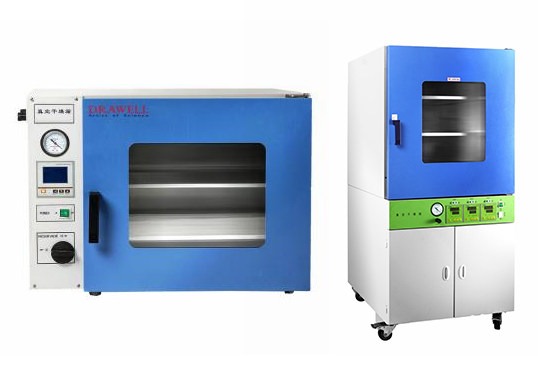
In this article, we'll explore the essential questions to consider when choosing a vacuum drying oven, focusing on aspects such as size, temperature range, required vacuum level, and suitable materials for drying.
1. What Size Vacuum Drying Oven Do I Need?
Determining the appropriate size for a vacuum drying oven depends on your specific requirements and the volume of materials you plan to dry. Consider the following factors:
Sample Volume: Assess the quantity of materials to be dried in a single batch. Large samples or significant volumes require a larger oven.
Available Space: Ensure the oven fits comfortably in your laboratory or workspace without obstructing other equipment or workstations.
Sample Size and Shape: The oven's chamber dimensions should accommodate your largest samples without crowding.
Throughput and Efficiency: For high sample volumes needing frequent drying, a larger oven with faster processing capabilities improves efficiency.
Future Needs: Anticipate potential increases in workload. An oven with extra capacity may be beneficial for future expansion.
Budget: Larger ovens typically cost more. Balance your budget with your requirements to find the most suitable size.
List the typical sizes and quantities of samples you'll be working with and consult with laboratory equipment suppliers or manufacturers to discuss your specific requirements. They can recommend an oven size that best suits your needs.
2. What Temperature Range Does a Vacuum Drying Oven Need to Maintain?
The temperature range required for a vacuum drying oven varies depending on the application and materials being dried. Generally, vacuum drying ovens offer precise temperature control, typically ranging from ambient temperature to around 200-250°C (392-482°F).
Low-Temperature Range: Operating from room temperature (20°C or 68°F) to 100°C (212°F), suitable for heat-sensitive materials that degrade at higher temperatures.
Medium-Temperature Range: Spanning from 100°C (212°F) to 150°C (302°F), covering a wide variety of materials for general drying applications.
High-Temperature Range: Reaching 150°C (302°F) to 200°C (392°F) or higher, suitable for materials requiring elevated temperatures.
Ultra-High-Temperature Range: Specialized ovens for specific industrial applications may reach up to 250°C (482°F) or more.
Choose a vacuum drying oven with a temperature range that matches your specific needs. Ensure accurate and reliable temperature control, especially for temperature-sensitive materials. Always follow the manufacturer's guidelines for operating within the specified temperature range.

3. What Level of Vacuum Does a Vacuum Drying Oven Need to Achieve?
The required vacuum level depends on the materials being dried and the drying process. Vacuum drying ovens can achieve various vacuum pressure ranges, typically measured in millibars (mbar) or torr:
Low Vacuum: 200 to 400 mbar (150 to 300 torr)
Medium Vacuum: 10 to 100 mbar (10 to 75 torr)
High Vacuum: 0.1 to 10 mbar (0.1 to 7.5 torr)
The specific vacuum pressure needed varies based on the materials and desired drying conditions. For heat-sensitive or volatile materials, a higher vacuum level may be necessary to minimize degradation or loss of volatile compounds. Some materials may require a lower vacuum level for efficient drying without damage.
Consider the vapor pressure of the substances you are drying and choose an oven that can achieve the required vacuum level for your application. Manufacturers typically provide information on their ovens' vacuum pressure capabilities.
4. What Type of Material Can I Dry in a Vacuum Drying Oven?
Vacuum drying ovens are versatile and can dry a wide range of materials across various industries. The controlled temperature and reduced pressure make them suitable for drying heat-sensitive, delicate, or volatile substances:
Heat-Sensitive Materials: Pharmaceuticals, chemicals, and biological samples that degrade at higher temperatures.
Organic Solvents: Gentle drying of low boiling point solvents to prevent excessive loss or unwanted reactions.
Pharmaceuticals and Intermediates: Drying products containing active pharmaceutical ingredients (APIs) without compromising integrity.
Laboratory Glassware: Ensuring completely dry surfaces, crucial for accurate measurements and precise experiments.
Electronic Components: Removing moisture to prevent potential damage during further processing or assembly.
Food Products: Drying fruits, vegetables, herbs, and other items while preserving color, flavor, and nutritional content.
Chemicals and Reagents: Effective for drying various chemicals, reagents, and mixtures.
Polymers and Plastics: Removing moisture before processing or molding to improve product quality.
Catalysts and Precursors: Enhancing stability and catalytic activity by drying in a vacuum oven.
Not all materials are suitable for vacuum drying, especially those that may react with reduced pressure. Verify compatibility and follow recommended procedures for safe and effective drying. Consult the manufacturer’s guidelines for appropriate drying conditions.
Conclusion
Selecting the ideal vacuum drying oven involves careful consideration of various factors to match your specific applications. From the oven size and temperature range to the vacuum level and suitable materials, each aspect plays a critical role in its effectiveness and efficiency. Prioritize safety by adhering to the manufacturer’s guidelines, ensuring proper maintenance, and using appropriate protective gear. By addressing the essential questions highlighted in this article, you can confidently make an informed choice and invest in a vacuum drying oven that meets your research or industrial needs, delivering reliable and precise results.