
Screws are indispensable components across various industries and DIY projects. Whether you're repairing furniture, assembling machinery, or working on a construction project, accurately measuring screw size is vital. This article provides a detailed guide on how to measure screws, including key measurements and the necessary tools for the task.

How to Determine the Screw Diameter
The diameter of a screw is a crucial measurement, as it represents the distance across the broadest section of its threads. Here’s how to measure it:
Using a Caliper
A caliper is a precision instrument widely used in engineering, woodworking, and metalworking for measuring screw diameter. Here’s how to use it:
Open the Caliper Jaws: Slide the upper jaw away from the lower jaw to fully open the caliper.
Place the Screw Between the Jaws: Insert the screw between the caliper’s jaws, ensuring the jaws make contact with the widest area of the screw's threads.
Close the Jaws Gently: Slowly close the caliper jaws until they snugly touch the screw, avoiding excessive pressure to prevent deforming the threads.
Read the Measurement: Check the caliper scale or digital display to determine the screw diameter, and note this value for future reference.
Using a Thread Gauge
If you don't have a caliper, a thread gauge is an alternative tool to measure screw diameter. A thread gauge has various blades or pins, each corresponding to a specific diameter. Here’s how to use it:
Select the Appropriate Blade or Pin: Choose a blade or pin from the gauge that fits snugly into the screw’s threads.
Match the Blade or Pin to the Threads: Insert the selected blade or pin into the screw threads, ensuring no gaps or excessive play.
Determine the Diameter: Read the measurement labeled on the corresponding blade or pin to find the screw's diameter and take note of this value.
How to Measure the Thread Pitch of a Screw
Thread pitch is the distance between neighboring threads, measured in threads per inch (TPI) for imperial screws or millimeters for metric screws.
Using a Thread Pitch Gauge
A thread pitch gauge is a tool designed to determine the pitch of screw threads. It consists of blades with varying thread pitches. Here’s how to use it:
Align the Gauge: Match the thread pitch gauge blades with the threads of the screw, ensuring they are parallel to the screw’s axis.
Test the Fit: Slide the blades along the threads until one fits snugly, without gaps or forcing.
Read the Measurement: Once the correct blade is found, note the TPI or millimeter measurement labeled on it, representing the screw’s thread pitch.
Using a Ruler
In cases where a thread pitch gauge is unavailable, a ruler with precise increments can estimate thread pitch:
Measure the Distance: Place a ruler alongside the screw threads.
Count the Threads: For imperial screws, count the number of threads within a one-inch span; for metric screws, count the threads within one millimeter.
Calculate the Thread Pitch: Divide the total number of threads by the measured span (one inch or one millimeter) to estimate the thread pitch.

How to Measure the Screw Length
Determining the correct screw length is crucial for ensuring it suits your specific application. Follow these steps to measure screw length:
Place the Screw on a Flat Surface: Position the screw on a flat surface with the head facing upwards, ensuring it’s fully extended.
Align the Ruler or Tape Measure: Place a ruler or tape measure alongside the screw, with the starting point aligned with the screw’s tip.
Measure from the Tip to the Screw Head: Measure the distance from the tip to the bottom of the screw head, keeping the measurement along the central axis of the screw.
Record the Measurement: Note the screw’s length, including both the threaded and unthreaded portions.
If the screw has a countersunk or flat head, measure from the tip to the top of the head rather than the bottom. For very long screws, a carpenter’s square or straight edge can help ensure accurate alignment.
Summary
Accurately measuring screws is essential for ensuring successful installation, compatibility, and overall project success. Proper measurements lead to more efficient and effective screw working, allowing you to make informed decisions when purchasing, replacing, or working with screws in any professional application. By understanding how to measure screw diameter, thread pitch, and length, you can enhance the precision and reliability of your projects.
Clinical trials are a pivotal phase in the development of new medical treatments, serving as the bridge between laboratory research and real-world patient care. Among the many tools that facilitate this transition, ELISA (Enzyme-Linked Immunosorbent Assay) microplate readers are essential. These devices are invaluable in drug and therapy development, enabling researchers to measure the concentration of specific substances in samples—such as blood—providing critical data on patient progress and the effectiveness of new drugs.

1. Biomarker Discovery and Validation Using ELISA Microplate Readers
ELISA microplate readers are indispensable in clinical trials for the measurement of various biomarkers—biological molecules that indicate disease progression or the efficacy of a treatment. Key biomarkers measured include:
Antibodies: These immune system proteins combat infections and can indicate immunity levels against specific diseases.
Cytokines: Small proteins involved in cell signaling, which help gauge the level of inflammation in a patient.
Hormones: Chemicals produced by the body’s glands, crucial for assessing specific hormone levels.
These devices also measure drug concentrations in patient blood samples, aiding in monitoring drug effectiveness and adjusting dosages as needed.
2. Monitoring Treatment Efficacy with ELISA Microplate Readers
In the dynamic environment of clinical trials, ELISA microplate readers are vital for tracking the efficacy of experimental treatments. Researchers can monitor biomarker level changes, gaining valuable insights into how a treatment affects the disease process.
3. High-Throughput Screening for Patient Stratification
Patients often respond differently to the same treatment, making it essential to identify subgroups that may benefit more from specific therapies. The high-throughput capabilities of ELISA microplate readers allow for large-scale screening of patient samples, helping researchers stratify participants based on biomarker profiles and tailor treatments to individual needs.
4. Ensuring Data Accuracy and Reproducibility
The accuracy and reproducibility of clinical trial data are critical, and ELISA microplate readers significantly contribute to this reliability. With precise measurement capabilities and standardized protocols, these instruments ensure consistency across multiple sites and studies, bolstering the robustness of clinical findings.
5. Multiplexing: A Comprehensive Approach
Modern clinical trials often require the analysis of multiple biomarkers simultaneously to gain a holistic understanding of a patient’s health. ELISA microplate readers equipped with multiplexing capabilities offer a cost-effective and efficient solution, allowing researchers to assess various biomarkers in a single run.

6. Future Directions and Integration with Precision Medicine
As the field of precision medicine advances, ELISA microplate readers are poised to play an even more significant role in tailoring treatments to individual patient profiles. Their integration with other technologies, such as genomics and proteomics, promises to further personalize clinical trials, leading to more targeted and effective therapies. Future developments may include:
New assays for measuring previously inaccessible biomarkers.
Single-cell analysis capabilities to measure drug concentrations within individual cells.
Real-time biomarker measurement, enhancing the immediacy and relevance of data collected.
Conclusion
ELISA microplate readers have become indispensable tools in the journey from laboratory research to clinical application. Their role in biomarker discovery, treatment monitoring, and patient stratification is crucial to the future of healthcare. As technology continues to evolve, these instruments will be at the forefront of advancing precision medicine and improving patient outcomes in clinical trials and beyond.
Workover operations are essential to maintaining the productivity and longevity of oil and gas wells. These operations involve a range of interventions designed to address issues that arise during a well's production lifecycle, ensuring optimal performance and extending the well's life. This article delves into the concept of workover operations, provides examples, outlines the steps involved, and underscores the importance of these procedures in the oil and gas sector.

Examples of Workover Operations
Workover operations are diverse, each tailored to address specific challenges within a well. Below are some common examples:
Pump Changeouts:
When a downhole pump, which is critical for a producing well, fails or wears out, workover operations are employed to replace it. Using techniques like coiled tubing, the old pump is carefully removed and a new one is installed, restoring the well’s productivity.
Tubing Changeouts:
Damaged or corroded tubing can obstruct fluid flow and pose safety risks. Workovers involve removing the compromised tubing and installing new, more robust tubing, thereby restoring the well's efficiency and safety.
Wellbore Cleaning:
Over time, wellbores can become clogged with scale deposits, paraffin buildup, or sand. Specialized tools like high-pressure jetting units or downhole milling tools are used in workover operations to remove these obstructions and ensure smooth production.
Casing Repairs:
Leaks in a well’s casing can be catastrophic, leading to environmental damage and loss of well integrity. Workover operations utilize tools like patchers and cementing equipment to seal these leaks, maintaining the well's structural integrity.
Artificial Lift Installations:
When natural pressure is insufficient to bring oil and gas to the surface, workover operations install artificial lift systems, such as gas lifts or electric submersible pumps, to boost production from deep reservoirs.
Wellbore Abandonment:
At the end of a well's life, workover operations ensure its safe and responsible closure. This includes isolating the well from the reservoir, plugging it with cement, and removing surface equipment to prepare the site for future reclamation.
These examples highlight the versatility of workover operations, which are adaptable to the specific needs of each well. Whether it's restoring production, enhancing safety, or unlocking new reserves, workovers are crucial to the ongoing success of the oil and gas industry.
Steps Involved in Workover Operations
Workover operations are complex and require careful planning, execution, and adaptation. The following steps are typically involved:
Pre-Job Planning:
Data Gathering and Analysis: Engineers review well history, production data, and geological surveys to identify issues and select the most effective tools and technologies.
Simulation and Modeling: Advanced workover operation simulators, anticipating challenges and optimizing equipment deployment, thereby minimizing risks.
Regulatory Compliance: All steps are aligned with safety and environmental regulations, ensuring that permits are obtained and protocols are in place.

Mobilization and Preparation:
Equipment Assembly and Inspection: All tools and technologies are inspected, tested, and assembled at the well site to ensure readiness.
Site Setup and Logistics: A temporary command center is established, complete with communication hubs and emergency response protocols.
Crew Briefing and Safety Training: The crew is thoroughly briefed on the plan, potential risks, and emergency procedures, ensuring a focus on safety.
The Intervention:
Deployment and Monitoring: Tools are deployed into the wellbore, with real-time monitoring by experienced technicians to ensure precision.
Problem-Solving and Adaptation: The crew remains flexible, ready to adapt the plan if unexpected challenges arise during the operation.
Data Collection and Analysis: Continuous data collection allows for real-time adjustments and optimization of the process.
Completion and Post-Job Analysis:
Retrieval and Restoration: Once the operation is complete, tools are retrieved, and the well site is restored to its original condition.
Production Monitoring and Optimization: The well is brought back online, with performance closely monitored and adjustments made to maximize efficiency.
Debriefing and Evaluation: The team reviews the operation, identifying areas for improvement and ensuring continuous learning for future workovers.
These steps provide a flexible framework for workover operations, allowing teams to adapt to the specific requirements of each well and the evolving demands of the industry.

The Importance of Workover Operations
Workover operations are vital to the oil and gas industry, playing a critical role in maintaining and enhancing well productivity. Their importance can be summarized as follows:
Maintaining Production Levels:
Workover operations address issues that could hinder production, such as reservoir changes or equipment failures, helping to sustain optimal production levels throughout a well's life.
Extending Well Life:
By resolving production issues, workovers can extend the economic life of a well, allowing for maximum hydrocarbon recovery and increased profitability.
Protecting Investment:
Wells represent significant capital investments. Workover operations ensure that wells operate efficiently, optimizing the return on investment by maximizing hydrocarbon production.
Conclusion
In conclusion, workover operations are essential to the oil and gas industry, providing the necessary interventions to maintain, optimize, and extend the life of wells. Through careful planning, advanced technologies, and a commitment to safety, workover operations ensure that wells continue to produce efficiently, protecting the substantial investments made in oil and gas exploration and production. As the industry evolves, the role of workover operations will remain crucial to the success and sustainability of oil and gas wells.
Web guiding systems play a crucial role in industries where continuous rolls of materials such as paper, plastic film, textiles, and metals are processed. By integrating these systems with production lines, businesses can achieve improved product quality, reduced waste, and enhanced operational efficiency. This article delves into the integration of web guiding system equipment with production lines, focusing on the benefits, challenges, and best practices.

Understanding Web Guiding Systems
Web guiding systems are engineered to maintain the alignment of moving web materials during various stages of production. These systems detect any deviations from the desired path and make real-time adjustments to correct the alignment, ensuring the smooth and accurate flow of materials through the production process.
Benefits of Integrating Web Guiding Systems with Production Lines
1. Enhanced Product Quality
Consistency: Web guiding systems ensure that web materials remain properly aligned, resulting in uniform and consistent product quality.
Precision: By minimizing defects such as wrinkles, folds, or uneven edges, these systems contribute to a higher quality finished product.
2. Reduced Waste
Material Savings: Accurate alignment reduces material wastage during production.
Operational Efficiency: Fewer defects and misalignments mean less rework and scrap, leading to overall material savings and improved efficiency.
3. Increased Production Speed
Optimized Processes: Precise alignment allows production lines to operate at higher speeds without sacrificing quality.
Reduced Downtime: Continuous monitoring and automatic adjustments help prevent issues that could cause stoppages, thereby enhancing production throughput.
4. Cost Savings
Lower Scrap Rates: Reduced waste and defects directly translate into cost savings on raw materials.
Maintenance: Proper alignment reduces mechanical stress on equipment, lowering maintenance costs and extending machinery lifespan.
5. Improved Efficiency
Real-Time Adjustments: Web guiding systems make real-time corrections to deviations, ensuring smooth and efficient production runs.
Automation: Automated web alignment reduces the need for manual intervention, improving labor efficiency and minimizing human error.
6. Better Control and Monitoring
Data Analytics: Advanced web guiding systems collect and analyze data on web alignment, providing insights to optimize the production process.
Remote Monitoring: Many modern systems offer remote monitoring capabilities, enabling operators to oversee and adjust processes from a distance.
7. Versatility and Flexibility
Multiple Applications: Web guiding systems can be integrated into various production lines, including those processing paper, plastic, textiles, and metals.
Adaptability: These systems can be adjusted to accommodate different materials and production requirements, enhancing the flexibility of the production line.
8. Enhanced Safety
Reduced Manual Handling: Automated adjustments minimize the need for manual intervention, reducing the risk of accidents and injuries.
Compliance: Web guiding systems help ensure compliance with safety standards and regulations, contributing to a safer working environment.
9. Competitive Advantage
Higher Quality Products: Consistent product quality enhances a company's reputation and market competitiveness.
Efficiency Gains: The overall improvements in efficiency and cost-effectiveness provide a competitive edge in production capabilities and profitability.

Challenges in Integrating Web Guiding System Equipment with Production Lines
1. Compatibility Issues
Legacy Systems: Integrating web guiding systems with older production lines can be challenging due to differences in technology and communication protocols.
Custom Requirements: Unique production line specifications may require tailored integration solutions to ensure compatibility.
2. Calibration and Tuning
Precision Calibration: Accurate calibration of sensors, controllers, and actuators is critical for precise web guiding.
Ongoing Tuning: Regular tuning and adjustments are necessary to maintain optimal performance, requiring specialized knowledge.
3. Training and Skill Development
Operator Training: Comprehensive training is essential for operators to effectively use and maintain new systems.
Technical Expertise: Specialized technical skills are required for integration and troubleshooting, potentially necessitating additional training or hiring.
4. Initial Costs
Investment: The initial cost of purchasing and integrating web guiding systems can be significant.
ROI Calculation: Careful analysis of expected benefits versus upfront and ongoing costs is necessary to determine the return on investment.
5. System Complexity
Integration Complexity: Integrating web guiding systems with existing production lines can be complex, involving coordination between different components.
Troubleshooting: Diagnosing and resolving issues in a complex integrated system can be challenging and require technical expertise.
6. Maintenance and Reliability
Regular Maintenance: Regular maintenance is essential to ensure web guiding systems function correctly, adding to operational costs and potential downtime.
Component Reliability: Ensuring the reliability of all components, such as sensors, controllers, and actuators, is crucial for continuous operation.
7. Environmental Factors
Harsh Conditions: Environmental factors like dust, moisture, temperature fluctuations, and corrosive materials can affect system performance and longevity.
Protection and Durability: Ensuring that web guiding equipment is durable enough to withstand production environments is essential.
8. Data Integration and Management
Data Compatibility: Integrating data from web guiding systems with existing data management systems can be challenging.
Real-Time Processing: Robust and reliable data integration and processing capabilities are required for real-time adjustments.
9. Customization and Flexibility
Tailored Solutions: Customizing web guiding systems to fit specific production needs can be resource-intensive.
Scalability: Ensuring that the system can be scaled or modified to accommodate changes in production requirements can be challenging.
10. Safety and Compliance
Safety Standards: Ensuring that the integrated system meets all relevant safety standards and regulations is crucial to avoid legal and operational issues.
Risk of Integration Errors: Integration errors can lead to safety risks, which must be carefully managed through rigorous testing and validation.
Best Practices for Integrating Web Guiding System Equipment with Production Lines
1. Comprehensive Planning
Assessment: Conduct a thorough assessment of the existing production line to identify specific needs and potential challenges.
Customization: Design the integration process to meet the unique specifications of the production line, considering future scalability and flexibility.
2. Collaboration with Experts
Vendor Support: Work closely with web guiding system vendors for proper installation, integration, training, and support.
Consultants: Consider hiring consultants with experience in web guiding system integration for complex projects, and engage with industry experts for tailored insights and best practices.
3. Pilot Testing
Prototype Integration: Implement a pilot test on a small scale to evaluate system performance and make necessary adjustments before full-scale integration.
Feedback Loop: Collect feedback from the pilot test to refine the system and integration process, continuously monitoring performance for iterative improvements.
4. Training and Skill Development
Operator Training: Provide comprehensive training for operators to ensure they understand how to use and maintain the systems, including hands-on sessions and detailed manuals.
Ongoing Education: Encourage continuous learning and skill development to keep pace with technological advancements, offering refresher courses and advanced training modules.

5. Regular Maintenance and Monitoring
Scheduled Maintenance: Implement a regular maintenance schedule to keep systems in optimal condition, performing routine checks on sensors, controllers, and actuators.
Real-Time Monitoring: Use real-time monitoring tools to track system performance and address issues promptly, employing predictive maintenance techniques to anticipate potential failures.
6. Data Integration and Management
Data Compatibility: Ensure that data from web guiding systems is compatible with existing data management systems, using standardized formats and protocols.
Real-Time Processing: Implement robust data processing capabilities to enable real-time adjustments and decision-making, using advanced analytics for system performance insights.
7. Safety and Compliance
Safety Protocols: Establish and enforce strict safety protocols to protect personnel and equipment during the integration process, conducting regular audits and inspections to identify and mitigate potential hazards.
Regulatory Compliance: Ensure compliance with relevant safety standards and regulations, staying updated on industry standards and incorporating best practices to maintain a safe working environment.
8. Continuous Improvement
Feedback and Lessons Learned: Collect feedback and lessons from each integration project to identify areas for improvement, implementing a continuous improvement process that adopts innovative solutions.
Research and Development: Invest in research and development to explore new technologies and techniques for web guiding systems, collaborating with industry partners and research organizations to drive innovation and share knowledge.
Conclusion
Integrating web guiding systems with production lines offers substantial benefits, including enhanced product quality, reduced waste, increased production speed, and cost savings. However, successful integration requires careful planning, addressing compatibility issues, precise calibration, and ongoing operator training. By following best practices and leveraging the expertise of vendors and consultants, manufacturers can effectively integrate web guiding equipment into their production lines, leading to significant improvements in efficiency and quality.
Marine lifeboats are essential safety equipment on ships, designed to ensure the survival of passengers and crew during emergencies. Over the years, advancements in the design of marine lifeboats have significantly enhanced safety, performance in harsh conditions, and deployment speed. These innovations are crucial for meeting international maritime regulations and addressing the evolving challenges faced at sea.
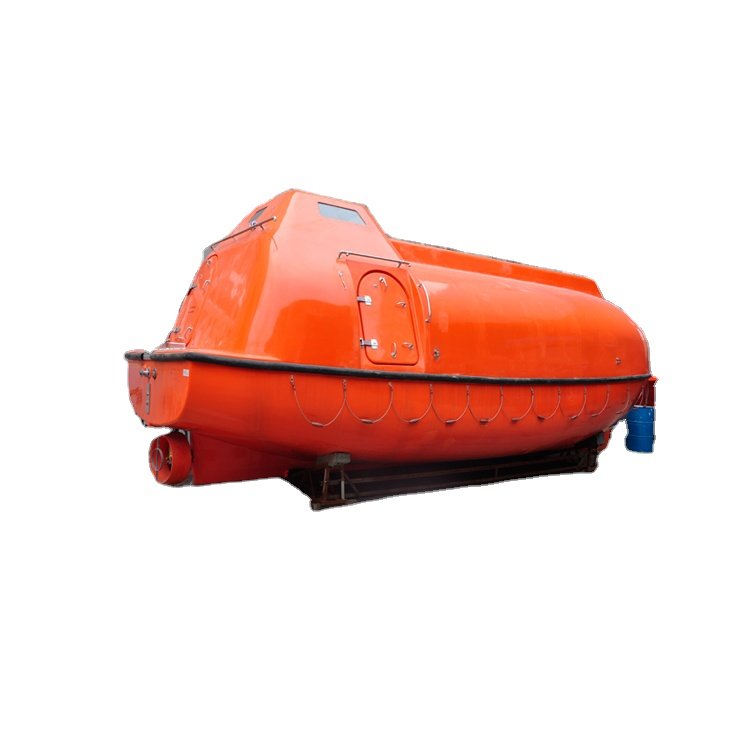
1. Self-Righting Capabilities
Modern lifeboats are equipped with self-righting features that address the vulnerability of traditional lifeboats, which could be capsized by large waves. By incorporating a low center of gravity and buoyant structures, contemporary lifeboats are designed to automatically return to an upright position if overturned. This critical improvement enhances the chances of survival in rough sea conditions.
2. Enhanced Material Durability
The materials used in lifeboat construction have undergone significant advancements. Today’s lifeboats are often constructed from high-strength, corrosion-resistant materials like fiberglass-reinforced plastic (FRP) and advanced composites. These materials not only extend the service life of lifeboats but also minimize maintenance needs. They offer excellent impact resistance, which is crucial for surviving collisions with debris or other vessels during emergencies.
3. Improved Launch and Recovery Systems
Quick and safe lifeboat deployment is vital in emergencies. Innovations in davit systems—used to lower lifeboats into the water—have made this process more reliable and efficient. Modern gravity-based and free-fall davit systems enable rapid deployment, even when the ship is listing or in rough seas. These systems are designed to minimize injury risks during launch, providing a safer and faster escape route for everyone on board.
4. Integrated Communication and Navigation Systems
Once in the water, effective communication and navigation are essential. Modern lifeboats come equipped with integrated communication systems, including VHF radios, Automatic Identification Systems (AIS), and satellite-based distress signaling devices. These systems ensure continuous contact with rescue teams and other vessels, improving the chances of a swift recovery. GPS-enabled navigation systems also help survivors navigate more effectively towards safety.
5. Thermal Protection and Insulation
Exposure to cold water and wind can be life-threatening, especially in polar or deep-sea environments. Innovations in lifeboat design now include enhanced thermal insulation and heat-reflective materials. Some lifeboats feature insulated canopies and integrated heating systems that protect occupants from hypothermia, crucial for improving survival rates in harsh weather conditions.
6. Energy-Efficient Propulsion Systems
Lifeboats are increasingly incorporating energy-efficient propulsion systems to ensure reliable operation over extended periods. Many modern lifeboats use hybrid propulsion, combining traditional diesel engines with electric motors powered by rechargeable batteries. This dual-system approach provides redundancy in case of system failure and reduces fuel consumption and environmental impact. Solar panels are also being integrated into some designs to provide a sustainable energy source for prolonged survival scenarios.

7. Ergonomic and Space-Saving Designs
Comfort and space are vital considerations, especially when survivors may need to remain onboard for extended periods. Innovations in ergonomic seating, optimized interior layouts, and modular storage systems have made modern lifeboats more comfortable and functional. These improvements reduce physical strain on occupants and allow for better organization of emergency supplies and equipment.
8. Smart Technology Integration
The integration of smart technology into lifeboat design is an emerging trend. Lifeboats are now equipped with sensors that monitor critical parameters such as structural integrity, water ingress, and engine performance in real-time. Data from these sensors can be transmitted to the ship or rescue teams, providing valuable information about the lifeboat’s condition and its occupants. Some designs also feature automated self-diagnostic systems that alert the crew to potential issues before they become critical.
9. Environmentally Friendly Features
Sustainability is becoming increasingly important in lifeboat design. Innovations such as biodegradable materials, eco-friendly paints, and energy-efficient systems help reduce the environmental impact of lifeboats. Additionally, advancements in waste management systems ensure that lifeboats remain compliant with environmental regulations, even during emergencies.
Conclusion
Advancements in materials, technology, and structural engineering have led to marine lifeboats that are more durable, reliable, and capable of withstanding harsh conditions. Features like self-righting capabilities, improved buoyancy, and enhanced stability have significantly increased the chances of survival in emergencies. These innovations not only improve the effectiveness of lifeboats but also contribute to safer and more efficient maritime operations.