
Operating web guide system equipment can pose significant hazards if not handled with care. To protect operators and maintain a safe working environment, it's imperative to prioritize safety measures. This article outlines key strategies for enhancing safety in web guide system operations.

1. Comprehensive Training and Education
Regular training: Ensure all operators receive thorough training on equipment operation, safety procedures, and emergency response.
Ongoing updates: Provide regular refresher courses to keep operators informed about new safety protocols and equipment advancements.
2. Rigorous Maintenance
Regular inspections: Conduct routine inspections to identify and address potential hazards, such as wear and tear or malfunctions.
Preventive maintenance: Adhere to a strict maintenance schedule to prevent unexpected web guiding equipment failures and ensure optimal performance.
3. Safety Features and Equipment
Emergency stop buttons: Make emergency stop buttons easily accessible and clearly marked.
Protective guards: Install protective guards around moving parts to prevent accidents.
Sensors and alarms: Utilize sensors and alarms to detect potential issues and provide timely alerts.
4. Safe Work Environment
Clear signage: Post clear and visible warning signs to indicate potential hazards.
Adequate lighting: Ensure proper lighting to prevent accidents caused by poor visibility.
Organized workspace: Maintain a clean and organized workspace to reduce the risk of slips, trips, and falls.
5. Personal Protective Equipment (PPE)
Appropriate gear: Provide and require operators to wear appropriate PPE, such as safety glasses, gloves, and protective clothing.
Regular inspection: Ensure PPE is in good condition and replace damaged items promptly.
6. Standard Operating Procedures (SOPs)
Clear guidelines: Develop and enforce SOPs for equipment operation, maintenance, and emergency procedures.
Risk assessment: Conduct regular risk assessments to identify and mitigate potential hazards.

7. Emergency Preparedness
Emergency plans: Create and practice emergency plans, including evacuation routes and first aid procedures.
Regular drills: Conduct regular emergency drills to ensure operators are prepared to respond effectively in case of an incident.
8. Continuous Monitoring and Feedback
Monitoring systems: Implement systems to monitor equipment performance and identify potential safety issues.
Feedback mechanisms: Encourage operators to report safety concerns and provide feedback for improvement.
9. Ergonomics
Ergonomic design: Design workstations and controls to minimize strain and discomfort.
Regular breaks: Encourage operators to take regular breaks to prevent fatigue and reduce the risk of injuries.
10. Compliance and Standards
Regulatory compliance: Ensure compliance with all relevant safety regulations and standards.
Internal audits: Conduct regular safety audits to identify and address compliance issues.

By implementing these strategies, organizations can create a safer working environment for operators and reduce the risk of accidents and injuries associated with web guide system equipment.
Square head bolts, also known as square head machine bolts or square head screws, are essential fasteners used in a wide range of applications. Their distinct square-shaped head sets them apart from other bolt types, offering unique advantages in specific scenarios. This article will delve into the materials used to manufacture square head bolts and explore their diverse applications across various industries.

Materials Used in Square Head Bolts
Square head bolts are produced using a variety of materials, each selected based on the specific requirements of the application. The choice of material directly influences factors such as strength, corrosion resistance, weight, and cost. Here are some commonly used materials:Carbon Steel: This is the most common material due to its widespread availability, excellent strength, and cost-effectiveness. Different grades of carbon steel, such as low-carbon steel (Grade 2), medium-carbon steel (Grade 5), and high-carbon steel (Grade 8), are used depending on the application's demands.
Stainless Steel: Stainless steel bolts offer exceptional corrosion resistance, making them ideal for use in environments exposed to moisture or corrosive elements. Common stainless steel grades include 18-8 (e.g., 304 or 316).
Brass: Brass bolts are known for their aesthetic appeal and corrosion resistance. They are often used in decorative projects and outdoor applications.
Aluminum: Aluminum bolts are lightweight and suitable for applications where weight reduction is crucial, such as in aerospace and automotive industries.
Bronze: Bronze bolts offer excellent strength and corrosion resistance, making them a popular choice for marine and outdoor applications.
Titanium: Titanium bolts provide an exceptional strength-to-weight ratio and excellent corrosion resistance, making them suitable for demanding environments like aerospace and medical implants.
Copper: Copper bolts are primarily used in electrical applications due to their excellent electrical conductivity.
Nickel Alloys: Nickel alloy bolts are known for their high-temperature and corrosion resistance, making them suitable for industries like aerospace, chemical processing, and power generation.

Applications of Square Head Bolts
Square head bolts are versatile fasteners used in numerous industries, including:
Construction: Timber construction, heavy machinery, and bridge building.
Transportation: Railroad and automotive industries.
Marine: Marine structures, fittings, and equipment.
Historical Restoration: Preserving the charm of historical buildings.
Utilities: Utility poles and bridges.
Agriculture: Farming machinery and equipment.
Plumbing: Pipe flanges and fixtures.
Conclusion
Square head bolts, made from a variety of materials, are indispensable fasteners in various industries. Their unique design and versatility make them well-suited for a wide range of applications, from construction to marine and electrical engineering. As technology advances, square head bolts will continue to play a vital role in building and maintaining structures across the globe.
Polarimetry, a valuable analytical technique, measures the optical rotation of polarized light to provide insights into a substance's chemical composition, concentration, and structure. Various types of polarimeters exist, each tailored to specific applications and requirements. This article explores these different types, their significance, and key factors to consider when selecting the most suitable polarimeter.

Types of Polarimeters
Simple Polarimeters: These are basic polarimeters often used in educational settings and introductory experiments. They typically consist of a polarizer, a sample tube, and an analyzer.
Manual Polarimeters: More advanced than simple polarimeters, manual instruments require manual adjustment of the polarizer and analyzer angles for precise measurements.
Automatic Polarimeters: Utilizing advanced technology, these instruments automate the polarizer and analyzer positioning, enhancing accuracy and reducing human error.
Digital Polarimeters: Combining automation with digital data acquisition and processing, digital polarimeters offer quick, consistent results and are ideal for applications requiring precision and repeatability.
In-line and Process Polarimeters: Designed for continuous monitoring in industrial settings, these polarimeters are integrated into production processes for real-time data on substance optical properties.
Multi-Wavelength Polarimeters: For substances exhibiting varying optical rotations at different wavelengths, these polarimeters enable measurements across multiple wavelengths, enhancing analysis specificity.
Ellipsometry: While not a polarimeter per se, ellipsometry measures changes in the polarization state of reflected light, providing complementary information to polarimetric data.

Key Factors for Polarimeter Selection
Application and Purpose: Determine the specific application and goals of using the polarimeter.
Accuracy and Precision: Consider the required level of precision and accuracy for measurements.
Sample Characteristics: Evaluate the nature of the samples to be analyzed, including their optical properties.
Throughput and Speed: Assess the necessary throughput and speed for measurements.
Ease of Use: Consider the user-friendliness of the polarimeter, especially for those with varying levels of expertise.
Data Handling and Analysis: Evaluate the polarimeter's capabilities for data storage, processing, and analysis.
Cost Considerations: Balance the required capabilities with the available budget.
Environmental Conditions: Consider the operating environment of the polarimeter, including temperature, humidity, and other factors.
Calibration and Maintenance: Assess the frequency and ease of calibration and maintenance.
Future Expandability: Consider potential future needs and the polarimeter's ability to accommodate them.
By carefully considering these factors, you can select the most appropriate polarimeter for your specific application and ensure reliable, accurate measurements.
As climate change alters the marine landscape, it significantly impacts the design, functionality, and usage of life jackets. This article explores how climate change is influencing marine life jackets and the necessary adaptations to enhance their effectiveness.

1. Changing Ocean Conditions and Life Jacket Design
Climate change has led to more extreme weather events, including stronger storms, rising sea levels, and changing ocean currents. These altered conditions necessitate life jackets that can withstand more intense and unpredictable environments. Traditional life jacket designs may no longer be sufficient in providing the necessary buoyancy and durability in rougher seas.
Increased Buoyancy Requirements: Climate change is affecting water salinity and temperature, impacting life jacket buoyancy. Modern designs incorporate smart foam technology and hybrid buoyancy systems to ensure optimal support in various conditions.
Durability in Extreme Weather: To withstand stronger storms and harsh conditions, life jackets are being made with abrasion-resistant materials and corrosion-resistant components.
2. Adaptation to Rising Sea Levels
Rising sea levels pose a direct challenge to marine safety. Life jackets must be designed to remain effective in environments where they may be submerged for longer periods or used in floodwater scenarios.
Flood-Resistant Designs: Life jackets are being designed to perform well in coastal and inland flood scenarios, incorporating features like rapid inflation mechanisms and better water drainage systems.
Visibility Enhancements: High-visibility colors, reflective materials, and built-in lighting systems are being incorporated to improve visibility in adverse conditions.
3. Integration of Advanced Technology for Enhanced Safety
Climate change has increased the need for life jackets that incorporate advanced technology. These innovations aim to improve rescue operations and ensure individuals are quickly located and recovered in emergencies.
GPS and Communication Systems: GPS trackers and communication devices can send distress signals directly to rescue teams, especially crucial in severe weather conditions.
Temperature Regulation Features: Insulating materials and thermal reactive fabrics help regulate body temperature, protecting the wearer from hypothermia or heat exhaustion.
Smart Sensors and Automation: Integrated sensors and automated features provide real-time data and automated responses in emergency situations.

4. Environmental Considerations in Life Jacket Manufacturing
Climate change has spurred a focus on the environmental impact of life jacket production. There is a growing movement towards using sustainable materials and manufacturing processes.
Eco-Friendly Materials: Biodegradable and recyclable materials are being used to reduce environmental impact.
Sustainable Manufacturing Processes: Companies are adopting greener manufacturing processes to minimize emissions and waste.
As ocean conditions continue to evolve, marine life jackets must adapt to meet the new challenges posed by climate change. By incorporating advanced technology, improving durability, and embracing sustainable practices, the marine industry is working to ensure that life jackets remain an effective and essential tool for survival.
The contemporary world relies heavily on the oil and gas industry to fuel industrialization, power transportation, and generate electricity. Both crude oil and natural gas, categorized as fossil fuels, play pivotal roles as primary energy sources on a global scale.

Crude oil, a naturally occurring liquid resource, is utilized in the production of gasoline, jet fuels, and various petroleum-based products. Natural gas, a gaseous state hydrocarbon, is abundant in the United States, often found in porous rock formations like shale. It contributes significantly to the nation's total energy consumption. The transportation of oil, its byproducts, and natural gas is facilitated through an extensive network of pipelines across the country.
Both natural gas and crude oil are acquired through distinct drilling methods: onshore and offshore. This article will delve into the fundamental aspects of these two methods, exploring the processes involved and examining the advantages and disadvantages associated with each approach.
Onshore Oil Drilling
Onshore oil drilling involves extracting oil and gas from land-based deposits. This process utilizes drilling rigs to bore deep into the earth, reaching reservoirs of these valuable resources. While crucial for meeting current energy demands, onshore drilling's impact necessitates careful consideration.
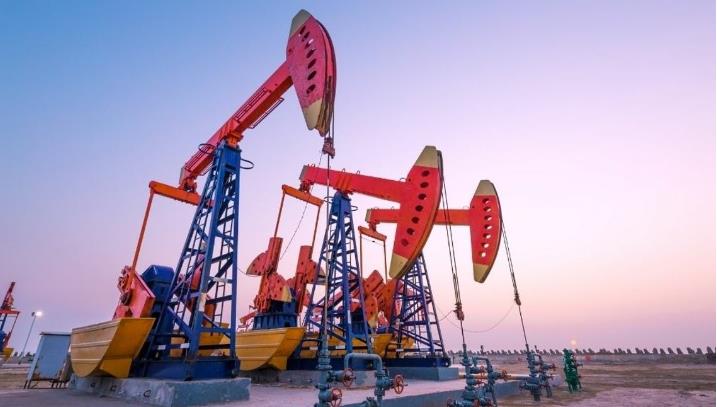
The environmental footprint of onshore oil drilling is undeniable. Land disturbance, water contamination, air and noise pollution are all potential consequences, requiring responsible management practices. Additionally, the social impact on communities, including concerns about land rights, cultural heritage, and health, needs to be addressed.
Stringent regulations govern onshore drilling activities to ensure environmental protection, worker safety, and responsible resource extraction. Advancements in technology, such as horizontal and directional drilling techniques, offer solutions to minimize environmental impact and improve safety standards.
However, the long-term future of onshore oil drilling faces challenges. Climate change concerns and the transition towards renewable energy necessitate a re-evaluation of our reliance on fossil fuels. As renewable energy sources become increasingly viable and cost-effective, the demand for onshore drilling may decrease.
Offshore Oil Drilling
Offshore oil drilling involves extracting oil and gas from beneath the seabed. It requires setting up platforms or drilling rigs in the ocean to tap into underground reservoirs, providing a significant portion of the world's oil and gas needs.
However, offshore oil drilling faces significant environmental challenges. Accidental spills, leaks, and equipment failures can cause devastating consequences for marine ecosystems, polluting delicate habitats and harming wildlife. The exploration and production process can also disrupt sensitive ecosystems and contribute to noise pollution.
Balancing the need for energy resources with environmental protection is a major concern. Strict regulations govern offshore drilling activities, requiring environmental impact assessments, safety protocols, and contingency plans for spill response. Technological advancements, such as subsea wellhead systems and improved drilling techniques, aim to minimize environmental risks.
The future of offshore oil drilling is uncertain. As renewable energy sources become increasingly viable and the world strives to achieve carbon neutrality, the demand for fossil fuels may decrease. However, in the near future, offshore oil drilling is likely to remain an important source of energy, requiring careful management and continuous efforts to minimize its environmental footprint.
Simulation Training: A Vital Tool
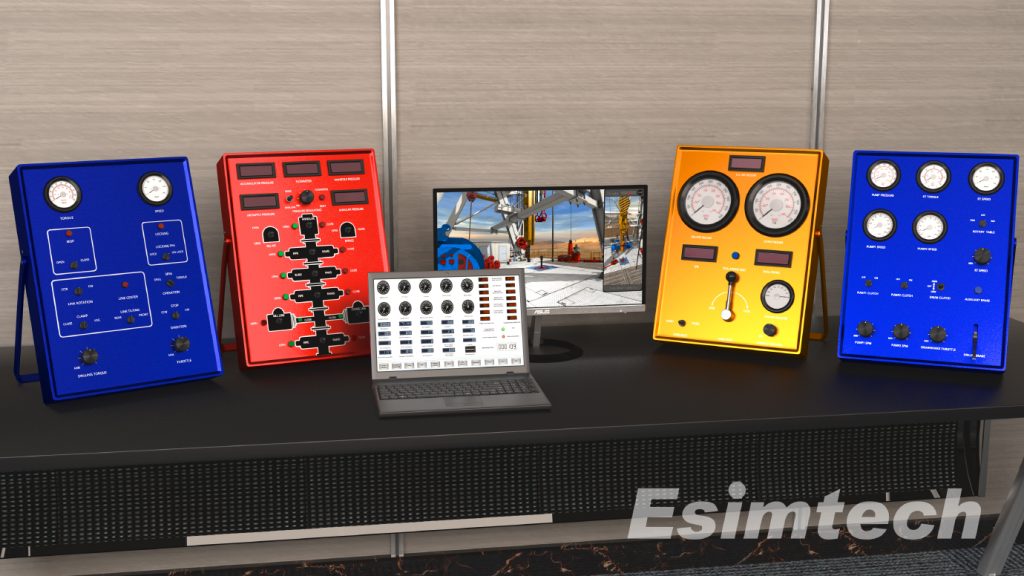
Drilling simulation training system plays a crucial role in both onshore and offshore drilling operations. By providing trainees with a safe and controlled environment to practice various procedures and emergency scenarios, simulation training can enhance skills, reduce risks, improve efficiency, and be more cost-effective than traditional training methods.
Conclusion
The choice between onshore and offshore drilling depends on various factors, including the location of oil and gas reserves, environmental considerations, and economic feasibility. By understanding the key differences between these two drilling methods, we can make more informed decisions about our energy future.