
In today's fast-paced printing industry, maintaining high standards of quality is paramount. Any deviation can lead to costly reprints, customer dissatisfaction, and damage to a brand's reputation. Integrating quality inspection systems seamlessly into printing workflows has become essential to ensure every product meets the highest standards. This article explores the importance of this integration, the technologies involved, the benefits it brings, and the challenges it faces.
The Importance of Quality Inspection
Quality inspection in printing ensures that each product meets predefined standards before reaching the customer. It involves checking for color consistency, print accuracy, material defects, and other critical factors. While traditional manual methods are still used, automated systems offer greater accuracy and efficiency.

Technologies Enabling Seamless Integration
Seamless integration relies on a combination of advanced technologies:
High-Resolution Cameras and Sensors: Capture detailed images and data for precise defect detection.
Machine Learning and Artificial Intelligence: Analyze data, identify patterns, and improve over time.
Real-Time Data Processing: Enable immediate defect detection and correction.
Interoperable Software Platforms: Facilitate communication between printing machinery and inspection systems.
Advanced Image Processing for Quality Inspection: Enhance accuracy in detecting and classifying print defects.
Connectivity and IoT: Enable remote monitoring, predictive maintenance, and data sharing.
Robotics and Automation: Streamline the inspection process, improving speed and reliability.
Cloud Computing and Big Data Analytics: Store and analyze vast amounts of inspection data.

Benefits of Integration
Enhanced Quality Control: Consistent and objective evaluations, high precision, and automated adjustments.
Increased Efficiency: Streamlined operations, reduced downtime, and automated adjustments.
Cost Savings: Reduced waste, lower labor costs, and minimized reprints.
Data-Driven Decision Making: Valuable insights, informed process enhancements, and resource allocation.
Compliance and Traceability: Regulatory compliance, traceability, and documented quality assurance.
Improved Customer Satisfaction: Higher quality products, consistent deliverables, and reduced defects.
Competitive Advantage: Market differentiation, enhanced reputation, and innovation leadership.
Challenges and Considerations
Initial Investment: Implementing advanced printing quality inspection systems can require a significant upfront investment.
Data Security: Protecting sensitive data generated by inspection systems is crucial.
Training and Skill Development: Operators may need training to effectively use and maintain these complex systems.
Integration Complexity: Integrating different systems and technologies can be challenging.

Conclusion
The seamless integration of quality inspection systems with printing workflows is essential for maintaining high standards, improving efficiency, and achieving a competitive advantage. By leveraging advanced technologies, companies can ensure that their products consistently meet customer expectations and regulatory requirements.
Rubber fenders play a crucial role in safeguarding ships and marine infrastructure from the harsh impacts that occur during docking and mooring operations. Advancements in design and material engineering have significantly enhanced the performance and durability of these essential components.

What are Rubber Fenders?
Rubber fenders are protective devices designed to absorb the kinetic energy of a vessel during berthing, preventing damage to both the ship and the dock. They are widely used in ports, harbors, and offshore platforms. These fenders are constructed from high-quality rubber, making them resistant to environmental factors such as UV radiation, abrasion, and chemical exposure. The shape and size of rubber fenders can vary to accommodate different vessel sizes, berthing velocities, and angles.
Common Types of Rubber Fenders
Cylindrical Fenders: These versatile fenders are simple in design and offer good energy absorption.
D-Shaped Fenders: Ideal for mounting on docks and ships, D-shaped rubber fenders provide moderate energy absorption and are space-efficient.
Cone Fenders: Known for their high energy absorption and low reaction force, cone fenders are suitable for large vessels and harsh conditions.
Arch Fenders: With a curved design, arch fenders offer excellent durability and resistance to high loads.
Cell Fenders: Highly efficient in energy absorption, cell fenders are often used for large vessels and provide excellent stability.

Key Advancements in Rubber Fender Design
Advanced Material Technology: Modern rubber fenders incorporate high-performance elastomeric compounds that enhance strength, flexibility, and resistance to wear and tear. These materials improve durability and reduce maintenance needs.
Enhanced Energy Absorption: Innovative designs and internal reinforcement techniques optimize energy absorption and load distribution, minimizing deformation and extending the service life of fenders.
Modular and Customizable Designs: Modular fender systems allow for easier maintenance and customization to meet specific vessel types and docking conditions.
Sustainability and Recyclability: The focus on sustainability has led to the development of recyclable and biodegradable materials, reducing the environmental impact of rubber fenders.
Smart Fender Technology: The integration of sensors and smart technology enables real-time monitoring of impact forces, wear levels, and overall performance, facilitating maintenance and improving operational efficiency.
Pneumatic and Hybrid Fenders: Pneumatic and hybrid fenders offer additional flexibility and adaptability, particularly for offshore applications.

Conclusion
The design of rubber fenders has evolved significantly, incorporating advancements in materials, energy absorption, modularity, sustainability, and smart technology. These innovations ensure that marine rubber fenders remain reliable, adaptable, and efficient in protecting vessels and port infrastructure. As technology continues to advance, we can expect even more innovative solutions to enhance the performance and sustainability of these critical components.
Automatic polarimeters are indispensable tools for measuring optical rotation, a property exhibited by chiral compounds. Chirality refers to molecules that are non-superimposable mirror images of each other. These instruments are widely used in various industries, including pharmaceuticals, food and beverage, and chemical analysis.
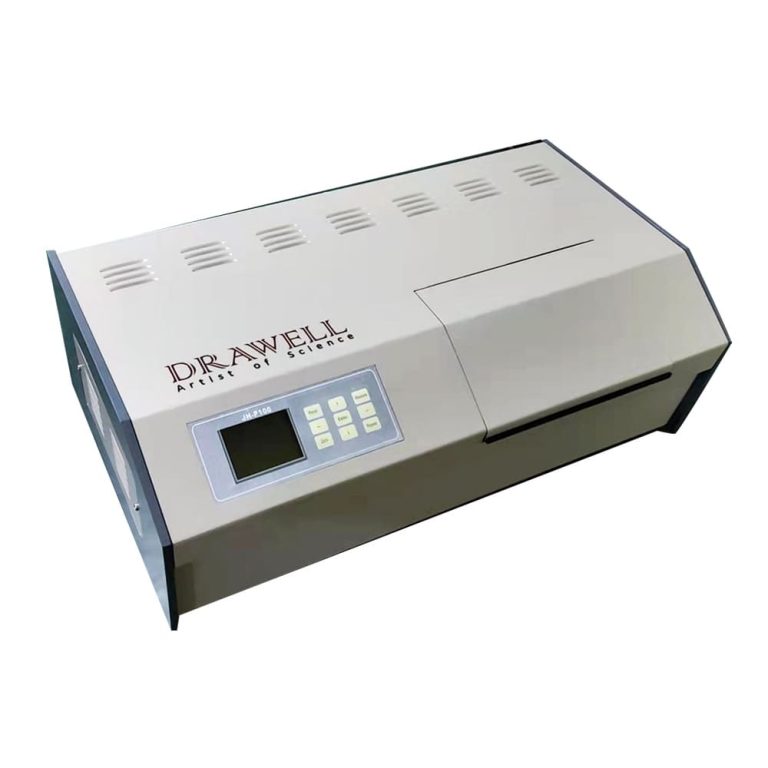
How Automatic Polarimeters Work
The working principle of automatic polarimeters revolves around the interaction of polarized light with chiral substances. A monochromatic light source generates a polarized light beam, which is then passed through a sample chamber containing the chiral compound. As the polarized light interacts with the sample, its plane of polarization rotates. This rotation is measured by an analyzer and converted into specific optical rotation values.
Key Components and Functions
Light source: Generates a polarized light beam.
Polarizer: Converts unpolarized light into polarized light.
Sample chamber: Holds the chiral sample.
Analyzer: Measures the rotation of the plane of polarization.
Detector: Detects the intensity of the transmitted light.
Data analysis: Calculates specific optical rotation values based on the measured rotation.
Applications of Automatic Polarimeters
Pharmaceutical Industry: Used to determine the purity and concentration of chiral compounds in pharmaceutical formulations.
Food and Beverage Industry: Analyzes sugars, sweeteners, and other chiral substances in food products.
Chemical Analysis: Studies the composition and behavior of chiral molecules in organic synthesis and stereochemistry.
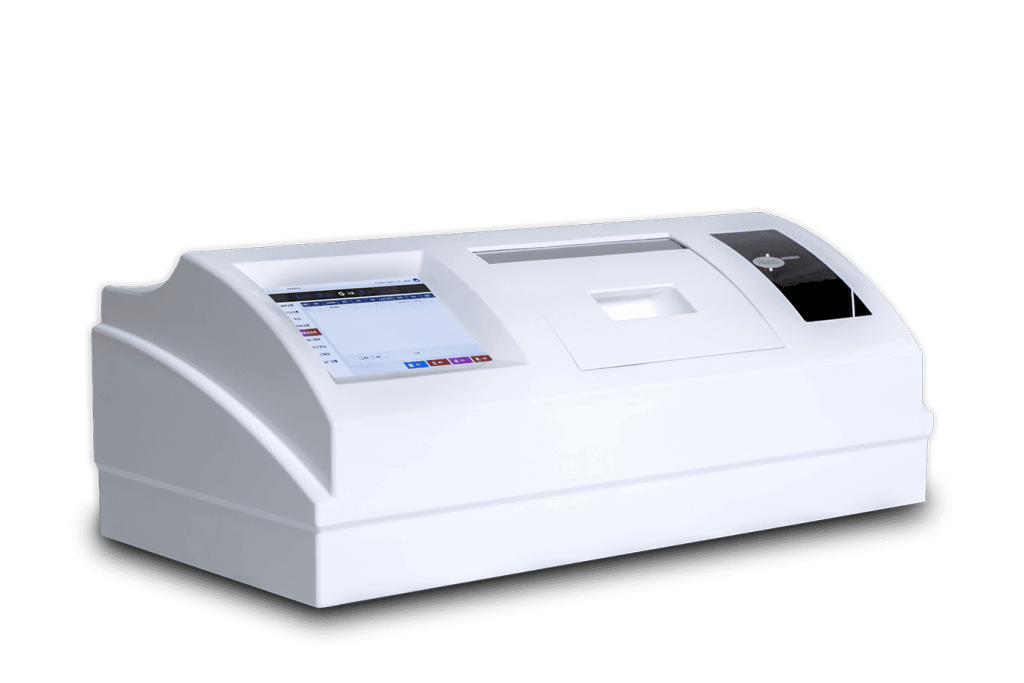
Advantages of Automatic Polarimeters
High precision: Delivers accurate and reliable measurements.
Time efficiency: Automation speeds up the measurement process.
Ease of use: User-friendly interface for operators of all levels.
Data management: Facilitates record-keeping and analysis.
Conclusion
Automatic polarimeters are essential tools for analytical science, offering precise and efficient measurements of optical rotation. Their applications extend across various industries, contributing to product quality, research advancements, and a deeper understanding of chiral compounds. As technology continues to evolve, automatic polarimeters are likely to play an even more pivotal role in the future of analytical chemistry.
A jack-up rig, or self-elevating unit (SEU), is a mobile offshore drilling platform designed to operate in shallow water depths. It's equipped with retractable legs that can be lowered onto the seabed, elevating the rig above the water's surface. This unique design allows it to access areas inaccessible to other drilling platforms.

Key Features and Advantages
Versatility: Jack-up rigs can be quickly mobilized and deployed to various locations, making them ideal for short-term projects or exploring new prospects.
Cost-effectiveness: Compared to fixed platforms, jack-up rigs have lower construction and installation costs, making them more economical for shallow water drilling.
Safety: Their elevated position provides a stable and safe working environment for crew members, even in rough sea conditions.
Accessibility: Jack-up rigs can access shallower areas than other platforms, unlocking previously untapped reserves.
Types of Jack-up Rigs
There are several types of jack-up rigs, each with its own unique design and capabilities:
Independent Leg Jack-up Rigs: This is the most common type, featuring three or four independent legs that are lowered individually onto the seabed.
Mat-Supported Jack-up Rigs: These rigs incorporate a large mat foundation to distribute the weight more evenly, making them suitable for softer seabed conditions.
Caisson-Supported Jack-up Rigs: This design uses large hollow structures called caissons for additional stability and lifting capacity, making them ideal for deeper waters and harsh environments.
Slot Jack-up Rigs: These rigs feature a slot in the platform deck for drilling operations, allowing for more efficient drilling, particularly for directional and horizontal wells.
Cantilever Jack-up Rigs: With a drilling derrick mounted on an extending arm, these rigs can drill beyond the footprint of the platform, offering greater flexibility for well positioning.

Functions of Jack-up Rigs
Jack-up rigs are versatile platforms used for a variety of offshore activities, including:
Exploration drilling: Discovering new oil and gas reserves in shallow waters.
Development drilling: Extracting discovered reserves.
Well completion and workover: Installing production equipment and maintaining wells.
Decommissioning: Removing old platforms and pipelines.
Wind farm construction: Installing offshore wind turbines.
Accommodation and support: Providing living quarters and logistical support for offshore personnel.
Scientific research: Supporting research activities in marine science and oceanography.
The Role of Simulation
Simulation technology has revolutionized jack-up rig drilling. It offers immersive training for critical procedures like well control and emergency response, reducing the risk of accidents. By optimizing drilling processes beforehand, drilling simulation system minimizes downtime and improves efficiency, leading to faster completion times and cost savings.

As technology advances, oil and gas simulation tools will continue to play a crucial role in enhancing training effectiveness and operational efficiency for jack-up rigs, ensuring the success of offshore drilling projects and shaping the future of this vital industry.
Operating web guide system equipment can pose significant hazards if not handled with care. To protect operators and maintain a safe working environment, it's imperative to prioritize safety measures. This article outlines key strategies for enhancing safety in web guide system operations.

1. Comprehensive Training and Education
Regular training: Ensure all operators receive thorough training on equipment operation, safety procedures, and emergency response.
Ongoing updates: Provide regular refresher courses to keep operators informed about new safety protocols and equipment advancements.
2. Rigorous Maintenance
Regular inspections: Conduct routine inspections to identify and address potential hazards, such as wear and tear or malfunctions.
Preventive maintenance: Adhere to a strict maintenance schedule to prevent unexpected web guiding equipment failures and ensure optimal performance.
3. Safety Features and Equipment
Emergency stop buttons: Make emergency stop buttons easily accessible and clearly marked.
Protective guards: Install protective guards around moving parts to prevent accidents.
Sensors and alarms: Utilize sensors and alarms to detect potential issues and provide timely alerts.
4. Safe Work Environment
Clear signage: Post clear and visible warning signs to indicate potential hazards.
Adequate lighting: Ensure proper lighting to prevent accidents caused by poor visibility.
Organized workspace: Maintain a clean and organized workspace to reduce the risk of slips, trips, and falls.
5. Personal Protective Equipment (PPE)
Appropriate gear: Provide and require operators to wear appropriate PPE, such as safety glasses, gloves, and protective clothing.
Regular inspection: Ensure PPE is in good condition and replace damaged items promptly.
6. Standard Operating Procedures (SOPs)
Clear guidelines: Develop and enforce SOPs for equipment operation, maintenance, and emergency procedures.
Risk assessment: Conduct regular risk assessments to identify and mitigate potential hazards.

7. Emergency Preparedness
Emergency plans: Create and practice emergency plans, including evacuation routes and first aid procedures.
Regular drills: Conduct regular emergency drills to ensure operators are prepared to respond effectively in case of an incident.
8. Continuous Monitoring and Feedback
Monitoring systems: Implement systems to monitor equipment performance and identify potential safety issues.
Feedback mechanisms: Encourage operators to report safety concerns and provide feedback for improvement.
9. Ergonomics
Ergonomic design: Design workstations and controls to minimize strain and discomfort.
Regular breaks: Encourage operators to take regular breaks to prevent fatigue and reduce the risk of injuries.
10. Compliance and Standards
Regulatory compliance: Ensure compliance with all relevant safety regulations and standards.
Internal audits: Conduct regular safety audits to identify and address compliance issues.

By implementing these strategies, organizations can create a safer working environment for operators and reduce the risk of accidents and injuries associated with web guide system equipment.