
Knurled screws are a specialized type of fastener distinguished by their textured, patterned surface. This knurled design, often a diamond or straight-line pattern, provides enhanced grip, allowing for easy manual tightening and loosening without the need for tools. Knurled screws are widely used in various industries for their functional design and versatility.
In this article, we will explore the features, types, applications, and advantages of knurled screws.

What Are Knurled Screws?
Knurled screws are fasteners with a cylindrical head designed for hand operation. The head is textured with a knurled pattern, which enhances grip and prevents slipping during manual adjustments. These screws come in various materials, including stainless steel, aluminum, brass, and plastic, and are available in different thread sizes and head shapes.
Types of Knurled Screws
Knurled screws are categorized based on their head design and application:
Feature a large, knurled head that can be turned easily by hand.
Commonly used in applications requiring frequent adjustments.
Available with flat or rounded heads for added versatility.
2. Knurled Cap Screws
Have a knurled cap that provides a secure grip for tightening or loosening.
Often used in machinery and equipment where manual operation is necessary.
3. Knurled Set Screws
Designed with a knurled head but typically lack a protruding head.
Commonly used to secure components within machinery or tools.
4. Custom Knurled Screws
Tailored to specific applications with unique sizes, knurling patterns, or materials.
Ideal for industries with specialized requirements.

Applications of Knurled Screws
Knurled screws are versatile fasteners used in a wide range of applications:
1. Electronics and Gadgets
Used for securing panels, covers, or components that require easy access.
Popular in assembling computer cases and electronic enclosures.
2. Medical and Laboratory Equipment
Allow for precise, tool-free adjustments of instruments and fixtures.
Commonly used in microscopes, spectrometers, and diagnostic devices.
3. Machinery and Tools
Used in industrial machinery for securing and adjusting parts.
Their easy-to-use design ensures quick and reliable operations.
4. Furniture and Fixtures
Found in adjustable furniture, display stands, and camera mounts.
Enable users to make ergonomic adjustments with minimal effort.
5. Automotive and Aerospace
Used in assembling dashboards, panels, and other components requiring frequent access.
Their durability and grip make them suitable for high-stress environments.

Advantages of Knurled Screws
Knurled screws offer several benefits that make them indispensable in many applications:
1. Tool-Free Operation
The knurled design enables users to tighten or loosen the screws without tools, saving time and effort.
2. Enhanced Grip
The textured surface ensures a secure grip, even in greasy or wet conditions.
3. Reusability
Designed for repeated use, knurled screws maintain their functionality and durability over time.
4. Aesthetic Appeal
Available in polished finishes, knurled screws can enhance the visual appeal of equipment or fixtures.
5. Versatility
With a variety of materials and designs, knurled screws can be adapted to suit diverse environments, from heavy-duty machinery to delicate instruments.
Factors to Consider When Choosing Knurled Screws
Selecting the right knurled screw depends on several factors:
Material: Choose a material compatible with the operating environment (e.g., stainless steel for corrosion resistance).
Size and Thread Type: Ensure the screw fits the components and meets the application's mechanical requirements.
Knurling Pattern: Opt for a pattern that provides the necessary grip while maintaining aesthetic compatibility.
Load Capacity: Consider the load the screw will bear and select accordingly.
Maintenance Tips for Knurled Screws
To ensure the longevity and performance of knurled screws:
Clean the screws regularly to remove debris that may affect grip.
Inspect for signs of wear or corrosion, particularly in high-stress or corrosive environments.
Use appropriate torque when necessary to avoid damaging threads.
Overall, Knurled screws combine functionality, durability, and ease of use, making them indispensable in various industries. Their unique design not only provides excellent grip but also enables tool-free operation, making them a reliable choice for applications requiring frequent adjustments. Whether for assembling electronic devices, adjusting laboratory equipment, or securing machine components, knurled screws are a practical and efficient solution for modern fastening needs. By choosing the right type and maintaining them properly, you can ensure long-lasting performance and efficiency in your operations.
In laboratory settings, maintaining a consistent and accurate temperature is crucial for ensuring the validity and reliability of experiments. From chemical reactions to biological processes, many scientific investigations require precise temperature control. This article will explore the importance of temperature control in laboratories, the types of temperature control equipment available, and their applications.
The Importance of Temperature Control in Laboratories
Temperature plays a pivotal role in numerous laboratory procedures. Variations in temperature can lead to changes in chemical reaction rates, biological activities, or the stability of samples. For instance:
Chemical Reactions: Temperature affects the speed and outcome of chemical reactions. Some reactions may require heating to reach activation energy, while others need to be kept cool to prevent decomposition.
Biological Processes: Enzymatic activities, cellular functions, and microbial growth are often temperature-sensitive, necessitating precise control to replicate conditions found in living organisms or controlled environments.
Sample Preservation: Many laboratory samples, such as enzymes, proteins, and DNA, require constant refrigeration or specific thermal conditions to maintain their integrity.
Therefore, to maintain experimental consistency and accuracy, laboratory professionals depend on a variety of temperature control equipment.
Types of Temperature Control Equipment
Laboratories require different types of temperature control systems depending on the specific needs of their experiments. Some of the key equipment includes:
1 Incubators
Laboratory incubators are widely used to maintain a stable temperature for growing cultures, cultivating microorganisms, or testing the effects of temperature on biological specimens. They offer precise temperature control, typically ranging from 5°C to 80°C. Some incubators also include features like humidity control, CO2 regulation, and forced air circulation for uniform temperature distribution.

Applications: Microbiology, cell biology, biotechnology, and pharmaceutical research.
2 Refrigerators and Freezers
Refrigerators and freezers are essential for storing temperature-sensitive biological samples, reagents, and chemicals. Laboratory refrigerators typically maintain temperatures between 2°C and 8°C, while freezers can be set to as low as -86°C for the long-term storage of biological materials. Specialized freezers such as ultra-low freezers are designed for extremely low temperatures, ideal for storing enzymes, vaccines, and other biological materials.

Applications: Sample storage, reagent preservation, biological specimen preservation.
3 Water Baths
Water baths provide a stable environment for incubating or heating samples at a constant temperature. They are particularly useful in applications where even heating is required, such as DNA denaturation, enzyme activity testing, or the preparation of media and buffers. Water baths offer temperatures from ambient to about 100°C, and some models can even provide temperature control within a precise range.

Applications: Molecular biology, biochemistry, and chemical synthesis.
4 Hot Plates and Magnetic Stirring Heaters
Hot plates are used to heat liquids or solids to a desired temperature, and magnetic stirrers are used to maintain uniform mixing while heating. Many hot plates come with built-in temperature controllers to ensure accurate heating. Magnetic stirring heaters combine both functions, providing an even heat distribution while simultaneously stirring the contents.
Applications: Chemical synthesis, heating solutions, sample preparation.
5 Thermometers and Temperature Probes
Accurate temperature measurement is just as important as temperature control. Thermometers and temperature probes are used to monitor the temperature of samples, incubators, freezers, and baths. Digital thermometers offer high precision and can be calibrated for more accurate measurements. Temperature probes, often used in conjunction with data loggers, provide real-time temperature data for various processes.
Applications: Quality control, monitoring and verification of laboratory equipment, sample testing.
6 Cryogenic Systems
Cryogenic temperature control systems, which reach extremely low temperatures (below -150°C), are essential for storing and handling certain biological samples, including stem cells, viruses, and plasma. Cryogenic freezers and liquid nitrogen storage tanks are designed to keep materials at temperatures suitable for preserving their properties for long periods.
Applications: Cryopreservation, biotechnology, and biomedical research.
Selecting the Right Temperature Control Equipment
Choosing the right temperature control equipment depends on several factors:
Temperature Range: Different experiments may require a wide range of temperatures. Select equipment based on the specific temperature requirements of your processes.
Uniformity and Precision: Some applications require strict temperature consistency, while others may tolerate small variations. It’s essential to assess whether the equipment meets the required level of accuracy.
Space and Capacity: Laboratory space constraints may limit the size of the equipment, and capacity needs will vary depending on the amount of material being processed or stored.
User Interface and Features: Digital interfaces, alarms, and automated logging features can enhance ease of use and monitoring. Consider the specific needs of your laboratory when selecting equipment.
Energy Efficiency: Laboratories often operate in a 24/7 environment, making energy-efficient equipment a key consideration for reducing operational costs.
Maintaining Temperature Control Equipment
Regular maintenance is essential to ensure the longevity and proper functioning of temperature control equipment. This includes:
Calibration: Ensuring that temperature settings remain accurate over time by calibrating equipment periodically.
Cleaning: Keeping incubators, refrigerators, and water baths clean and free from contaminants to ensure optimal performance and prevent sample contamination.
Servicing: Scheduling professional servicing for equipment such as freezers, cryogenic systems, and incubators to prevent unexpected failures.
To sum up, temperature control is indispensable for scientific laboratories, ensuring that experiments and sample storage are performed under precise conditions. With a wide variety of equipment options available—from incubators to cryogenic systems—laboratories can select the tools best suited for their needs. By maintaining temperature accuracy and consistency, temperature control equipment plays a vital role in advancing scientific research, from pharmaceuticals and biotechnology to environmental science and material testing.
In the challenging and often unpredictable marine environment, personal protective equipment (PPE) plays a crucial role in safeguarding the lives and well-being of individuals working on or near water. Marine PPE is specifically designed to address the unique hazards faced at sea, such as harsh weather, high humidity, and the risk of drowning. This article delves into the key types of marine PPE equipment, their applications, and the importance of proper usage and maintenance.

Key Types of Marine PPE Equipment
a. Life Jackets and Personal Flotation Devices (PFDs)
Purpose: Provide buoyancy to keep individuals afloat in water.
Features: Adjustable straps, reflective strips, whistle attachments, and automatic inflation systems.
Applications: Used by seafarers, fishermen, and recreational boaters.
b. Immersion and Survival Suits
Purpose: Protect against hypothermia in cold water environments.
Features: Waterproof, insulated life jackets with integrated gloves and boots.
Applications: Critical for offshore workers and rescue teams in extreme climates.
c. Marine Safety Helmets
Purpose: Protect the head from impacts, falling objects, and harsh weather.
Features: Lightweight, adjustable, and corrosion-resistant designs.
Applications: Essential for workers on deck, during docking operations, and in high-risk zones.
d. Protective Footwear
Purpose: Prevent slips, trips, and injuries on wet or uneven surfaces.
Features: Anti-slip soles, water-resistant materials, and reinforced toes.
Applications: Worn by crew members during deck operations and maintenance tasks.
e. Marine Gloves
Purpose: Provide grip and hand protection from cuts, abrasions, and chemical exposure.
Features: Available in thermal, waterproof, and chemical-resistant variants.
Applications: Used in handling ropes, machinery, and hazardous materials.
f. Eye and Face Protection
Purpose: Shield against UV rays, sea spray, and projectiles.
Features: Anti-fog, UV-protective lenses, and splash-resistant designs.
Applications: Used in welding, cutting, and deck operations.
g. Respiratory Protection
Purpose: Protect against harmful fumes, dust, and low oxygen levels.
Features: Includes masks, respirators, and SCBAs (Self-Contained Breathing Apparatus).
Applications: Vital in confined spaces and chemical handling areas.

Importance of Marine PPE
Marine environments pose unique hazards, such as drowning risks, hypothermia, and exposure to corrosive materials. Proper use of PPE significantly reduces these risks, ensuring safety and compliance with maritime regulations, such as the International Maritime Organization (IMO) guidelines and Safety of Life at Sea (SOLAS) requirements.
Selecting the Right PPE
Factors to Consider:
Nature of Work: Different tasks demand specific types of PPE.
Fit and Comfort: Ill-fitting PPE can compromise safety and performance.
Durability and Standards: Ensure equipment meets industry standards (e.g., CE, ANSI, ISO certifications).
Environmental Conditions: Choose materials that withstand marine elements like saltwater and extreme temperatures.
Maintenance and Inspection
Regular inspection and maintenance are crucial for PPE effectiveness:
Life Jackets and Suits: Check for tears, leaks, and proper inflation mechanisms.
Helmets and Gloves: Inspect for cracks, wear, and material integrity.
Respiratory Gear: Ensure filters are functional and replaceable.
Proper storage, such as keeping PPE dry and away from corrosive substances, extends its lifespan and reliability.
Emerging Trends in Marine PPE
Advancements in technology are driving innovations in marine PPE:
Smart PPE: Integration of GPS tracking, temperature sensors, and communication devices for enhanced safety.
Eco-Friendly Materials: Use of sustainable and biodegradable components in PPE manufacturing.
Enhanced Comfort: Lightweight and ergonomic designs tailored for prolonged use.

In summary, marine PPE is an indispensable part of maritime safety, offering protection against the unique challenges of working at sea. By selecting appropriate equipment, ensuring proper maintenance, and staying updated on advancements, marine professionals can work confidently and efficiently in their demanding environments.
In the oil and gas industry, maintaining well performance and maximizing hydrocarbon recovery are critical. Two essential operations, well workover and well intervention, play a pivotal role in achieving these goals. While they share similar objectives, their methods, tools, and scopes differ significantly. This article explores the distinctions between well workover and well intervention, their applications, and their impact on oilfield operations.
What Is Well Workover
Well workover refers to major maintenance or reconditioning operations performed on a well after initial drilling and completion. These are typically extensive activities aimed at restoring or enhancing a well's productivity. Workovers often involve significant equipment, downtime, and investment.
Common Applications of Well Workover:
Replacing or repairing production tubing.
Removing obstructions like scale or sand.
Converting a producing well to inject fluids (e.g., for water flooding).
Performing recompletion in a different reservoir zone.

What Is Well Intervention
Well intervention encompasses a broader range of maintenance, diagnostics, and minor repair operations conducted during a well's lifecycle. These activities are generally less intrusive than workovers and aim to maintain or optimize well performance without extensive downtime.
Common Applications of Well Intervention:
Logging and data collection to monitor well conditions.
Stimulating the reservoir with acidizing or hydraulic fracturing.
Cleaning the wellbore to remove debris or buildup.
Installing or repairing downhole equipment such as safety valves.
Key Differences Between Well Workover and Well Intervention
Definition
Well Workover: A major operation involving extensive repairs, maintenance, or modifications to restore or enhance well performance.
Well Intervention: A minor, targeted maintenance or diagnostic operation conducted to optimize production or address specific issues.
Scope of Operation
Well Workover: Covers large-scale operations such as replacing production tubing, recompletion, or significant structural repairs.
Well Intervention: Focused on less intrusive tasks like cleaning the wellbore, logging, or adjusting downhole equipment.
Tools and Equipment
Well Workover: Requires heavy machinery such as a workover rig or snubbing unit.
Well Intervention: Uses lighter tools like slickline, wireline, or coiled tubing.
Duration
Well Workover: Typically lasts days to weeks due to the complexity of the operations.
Well Intervention: Shorter duration, usually completed in hours to a few days.
Cost
Well Workover: More expensive due to extensive equipment, logistics, and downtime.
Well Intervention: More cost-effective and involves minimal production disruption.
Complexity
Well Workover: Handles severe well damage, obstructions, or major upgrades.
Well Intervention: Addresses minor issues or provides diagnostics for ongoing well maintenance.
Examples of Operations
Well Workover:
Tubing replacement.
Zone recompletion to tap new reservoir areas.
Removal of stuck equipment.
Well Intervention:
Acidizing or hydraulic fracturing for stimulation.
Wellbore cleaning.
Installing or repairing safety valves or other downhole components.
Impact on Production
Well Workover: Requires complete shutdown of production during the operation.
Well Intervention: Often allows partial or minimal interruption to production.
Differences Between Simulation Technologies Used for Well Workover and Well Intervention
Simulation technologies are vital for planning, training, and optimizing operations in well workover and well intervention. While they share overlapping objectives—enhancing safety, efficiency, and productivity—the simulation tools used for each process differ due to their unique operational scopes.
Differences Between Simulation Technologies Used for Well Workover and Well Intervention
Simulation technologies are vital for planning, training, and optimizing operations in well workover and well intervention. While they share overlapping objectives—enhancing safety, efficiency, and productivity—the simulation tools used for each process differ due to their unique operational scopes. Below is a detailed comparison of the simulation technologies for well workover and well intervention.
1. Purpose of Simulations
Well Workover:
Well workover simulations focus on modeling complex and large-scale operations such as tubing replacement, recompletion, and major well repairs. The emphasis is on predicting operational risks, equipment behavior, and downtime impact.

Well Intervention:
Simulations for well intervention prioritize real-time diagnostics, optimizing minor maintenance tasks, and evaluating well performance during operations like cleaning, logging, or minor equipment adjustments.
2. Complexity of Models
Well Workover:
Workover simulations often involve detailed models of the well's structural components, reservoir interaction, and mechanical systems. They simulate various scenarios, including equipment failure, workover rig operations, and reservoir inflow responses.
Well Intervention:
Intervention simulations are generally less complex, focusing on the dynamic behavior of specific tools like slickline, coiled tubing, or wireline. They model fluid flow, wellbore cleaning, and the impact of small-scale operations on production.
3. Simulation Tools and Technologies
Well Workover:
Common tools include:
Finite Element Analysis (FEA): To model mechanical stresses and failures in well components.
Reservoir-Well Interaction Models: To simulate how workover operations affect production.
Full Rig and Equipment Simulators: To train operators on complex workover rigs.
Well Intervention:
Common tools include:
Dynamic Flow Simulators: For analyzing fluid flow during wellbore cleaning or acidizing.
Coiled Tubing Simulators: To model tool deployment and retrieval.
AI-Enhanced Diagnostic Models: For real-time prediction and optimization during intervention.

4. Training Applications
Well Workover:
Training simulators for workovers focus on team coordination, handling large-scale equipment, and preparing for high-risk scenarios such as stuck pipe removal or pressure control failures.
Well Intervention:
Intervention simulations are designed for individual tool operators and focus on precision, monitoring, and troubleshooting lightweight equipment like logging tools or perforation devices.
5. Cost and Accessibility
Well Workover:
Workover simulations are generally more expensive due to the need for high-fidelity models and extensive computational resources. They are typically deployed in large-scale facilities or specialized training centers.
Well Intervention:
Intervention simulations are more affordable and portable, often utilizing compact setups or cloud-based solutions that allow for remote access and real-time updates.
6. Real-Time Feedback and Analytics
Well Workover:
Simulations often focus on pre-operation planning and post-operation analysis, providing detailed reports on operational feasibility, equipment performance, and risk mitigation strategies.
Well Intervention:
Real-time feedback is a core feature, enabling dynamic adjustments during interventions like acidizing or perforation. Intervention simulators often integrate with live well data for predictive insights.
7. Examples of Use Cases
Well Workover Simulations:
Modeling complex tubing replacement procedures.
Predicting reservoir responses during recompletion.
Simulating the impact of high-pressure, high-temperature (HPHT) conditions.
Well Intervention Simulations:
Simulating coiled tubing deployment and retrieval.
Optimizing fluid displacement during wellbore cleaning.
Evaluating the success of acid stimulation or other minor enhancements.
Conclusion
Both well workover and well intervention are indispensable for maintaining well integrity and optimizing production. While workovers address major well challenges, interventions provide a quicker, less intrusive solution for ongoing maintenance. Understanding their differences enables operators to choose the right approach for maximizing well performance while balancing costs and operational efficiency.
Simulation technologies for well workover and well intervention are tailored to the distinct challenges and complexities of each operation. Workover simulations emphasize detailed planning and risk management for large-scale tasks, while intervention simulations focus on precision, speed, and real-time adjustments for minor maintenance and diagnostics. Leveraging the right simulation tools for each operation ensures safer, more efficient, and cost-effective oilfield operations.
The printing industry is constantly under pressure to deliver flawless products that meet the highest quality standards. To achieve this, 100% inspection systems have become an indispensable part of modern printing quality control. Unlike traditional sampling methods, these systems inspect every single piece of printed material, ensuring unparalleled precision and reliability.

What Are 100% Inspection Systems
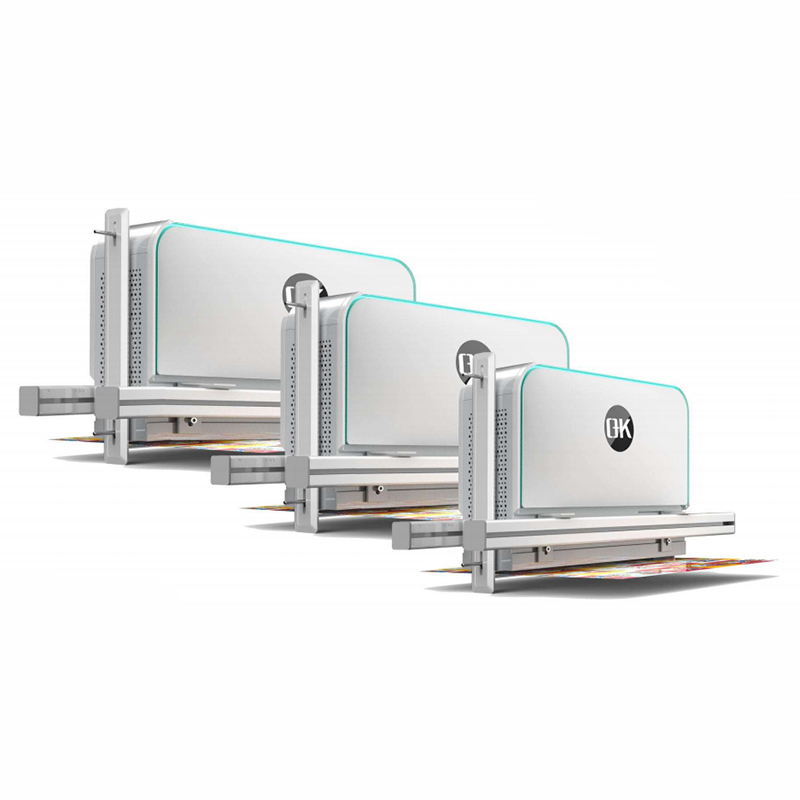
100% inspection systems are automated solutions designed to monitor, analyze, and detect printing defects in real time. These systems utilize advanced imaging technologies, such as high-resolution cameras, machine vision, and AI algorithms, to evaluate every printed piece against predefined quality standards.
Key Features of 100% Inspection Systems
High-Speed Operation
Modern inspection systems can seamlessly integrate with high-speed printing machines, ensuring no delays in production lines.
Defect Detection
They can identify various defects, including color deviations, registration errors, missing text, and surface imperfections.
Automated Data Collection
These systems generate detailed reports and statistical data for continuous process improvement.
Integration with Printing Equipment
Compatibility with various printing technologies (e.g., offset, digital, and flexographic) makes these systems versatile.
Advantages of 100% Inspection in Printing
Enhanced Product Quality
By ensuring each item meets the required standards, 100% inspection reduces customer complaints and returns.
Cost Savings
Early detection of defects prevents further processing of faulty items, reducing waste and rework costs.
Increased Productivity
Automated systems eliminate the need for manual inspection, freeing up resources and speeding up production.
Regulatory Compliance
In industries like pharmaceuticals or food packaging, where stringent regulations apply, 100% inspection ensures compliance.
Challenges in Implementing 100% Inspection Systems
Initial Investment
The cost of acquiring and integrating these systems can be high, but the return on investment often justifies the expense.
Complexity in Setup
Calibrating systems for different print jobs and materials requires skilled personnel.
Data Overload
While detailed reports are beneficial, managing and analyzing large volumes of data can be overwhelming without the right tools.
Applications of 100% Inspection Systems
Packaging Industry
Ensures labels, barcodes, and product information are accurate and legible.
Security Printing
Validates sensitive materials like currency and passports for authenticity and precision.
Commercial Printing
Checks for aesthetic defects in marketing materials such as brochures and posters.

Future Trends in 100% Inspection Systems
Artificial Intelligence and Machine Learning
AI is enhancing defect detection by learning from historical data to predict and prevent potential issues.
Real-Time Feedback Loops
Advanced print inspection systems now provide real-time feedback to printers, enabling immediate corrections and reducing downtime.
Cloud Integration
Cloud-based solutions facilitate remote monitoring, data storage, and analytics, empowering global operations.
Summary
As the demand for flawless printed materials continues to grow, 100% inspection systems are setting new standards in quality control. These systems not only safeguard brand reputation but also streamline production and improve profitability. Despite the challenges, advancements in technology are making them increasingly accessible, cementing their role as a critical asset in the printing industry.
For businesses aiming to stay competitive, investing in a robust 100% inspection system is no longer optional—it is a necessity.