
Well logging is a crucial technique in the oil and gas industry used to gather subsurface information about a well. By deploying specialized tools downhole, operators can measure various properties of the rocks and fluids in the wellbore, helping to evaluate the potential for oil or gas production, identify reservoirs, and guide drilling and completion decisions. Well logging has become an essential part of exploration and production, offering real-time data that drives decision-making throughout the lifecycle of a well.

In recent years, well logging simulations have gained popularity as powerful tools for enhancing well performance, improving accuracy, and optimizing well design. These simulations replicate real-world logging conditions in a virtual environment, providing valuable insights and aiding in risk mitigation and cost reduction.
This article explores the principles of well logging and how well logging simulations are transforming the industry.
What is Well Logging?
Well logging involves measuring the physical properties of rocks, fluids, and formations in a borehole using a variety of tools known as logging tools. These tools are typically lowered into the wellbore and then used to record data on parameters such as porosity, permeability, resistivity, temperature, and pressure.
Some of the common well logging techniques include:
Wireline Logging: A traditional technique where a logging tool is lowered into the well on a wireline cable. It provides high-quality data for subsurface evaluation.
LWD (Logging While Drilling): This method uses specialized tools that are integrated into the drill string, providing real-time logging data during the drilling process.
Mud Logging: Involves analyzing drilling fluid to gain information about the rock formations encountered during drilling.
Key types of well logs include:
Resistivity Logs: Measure the electrical resistance of the rock formations to infer the presence of hydrocarbons.
Gamma Ray Logs: Measure the natural radioactivity of rocks to identify lithology and distinguish between shale and non-shale formations.
Neutron Porosity Logs: Measure the hydrogen content in the formation, which is used to estimate porosity.
Density Logs: Measure the electron density of the formation to determine its density and porosity.
Sonic Logs: Measure the travel time of sound waves through the formation to calculate porosity and lithology.
Nuclear Magnetic Resonance (NMR) Logs: Provide detailed information on porosity and fluid distribution in the formation.
Importance of Well Logging
Well logging serves several vital functions in the oil and gas industry:
Formation Evaluation: Well logs provide valuable data that helps in identifying the formation’s properties such as porosity, permeability, and the presence of hydrocarbons.
Reservoir Characterization: Data from well logs can be used to map the reservoir, estimate the amount of recoverable resources, and design optimal production strategies.
Drilling Optimization: Well logging helps in making critical decisions about drilling parameters, wellbore stability, and the potential for encountering high-pressure zones.
Production Planning: By assessing formation characteristics, operators can design better production and completion strategies to maximize recovery and minimize costs.
Monitoring: Logging tools can also be used to monitor well integrity, fluid flow, and changes in reservoir conditions over time.
Well logs are the backbone of subsurface modeling and form the foundation for creating geological models, reservoir simulations, and production forecasts.
What Are Well Logging Simulations?
Well logging simulations are virtual models that replicate the conditions of a wellbore during the logging process. These simulations use advanced computer software to model how well logging tools would behave in different subsurface environments. By incorporating geological data, wellbore characteristics, and logging tool specifications, simulations can predict how real-world logging operations will unfold.
Well logging simulations offer several advantages over traditional logging techniques:
Cost Efficiency: Simulations allow operators to test logging scenarios without the need to deploy expensive tools downhole, reducing operational costs.
Risk Reduction: By simulating different scenarios, operators can identify potential issues, such as tool failure, downhole obstructions, or environmental challenges, before they occur in real life.
Training and Education: Simulations provide a safe and controlled environment for training new personnel on how to use logging tools and interpret data without risking real-world equipment or wellbore integrity.
Wellbore Design Optimization: Simulations can be used to evaluate various wellbore configurations and determine the most effective logging strategy for different types of reservoirs.
Enhanced Data Interpretation: Simulated data can help geologists and engineers better understand how logging tools interact with specific formations, improving the accuracy of well log interpretation.

How Well Logging Simulations Work
Well logging simulations involve creating a detailed digital model of the wellbore and the surrounding geological formations. Key components of a well logging simulation include:
Geological Data: Information about the rock formations, fluid properties, and environmental conditions are inputted into the simulation model.
Logging Tool Characteristics: The specifications of the logging tool, such as its resolution, sensitivity, and measurement capabilities, are incorporated into the simulation to replicate its behavior in different conditions.
Wellbore Design: The simulation includes the design of the wellbore, including casing, cementing, and drilling parameters, to evaluate how these factors affect logging performance.
Software Algorithms: Specialized algorithms are used to simulate the interaction between the logging tool and the formation. These algorithms take into account physical phenomena, such as fluid dynamics, electromagnetic properties, and acoustic waves, to generate realistic data.
Data Output: The simulation produces synthetic well log data that mimics what would be obtained from a real logging operation. This data can be analyzed to determine the effectiveness of various logging techniques and strategies.
Benefits of Well Logging Simulations
1. Improved Planning and Decision Making
Simulations allow engineers and geologists to predict how different logging techniques will perform in specific subsurface conditions. This predictive capability helps in:
Selecting the right logging tools: Engineers can test different tool combinations to determine which will provide the most reliable data for the formation being studied.
Optimizing wellbore designs: Simulations help assess how wellbore integrity and design will impact logging results, leading to better well planning.
Scenario testing: Operators can simulate various geological scenarios, such as varying pressure conditions, lithology changes, or presence of fractures, to anticipate challenges before they arise.
2. Enhanced Risk Management
simulating various downhole conditions, operators can identify potential risks that could lead to tool malfunctions or failure, such as:
High temperatures and pressures that may affect tool performance.
Obstructions in the wellbore, such as rock formations or debris, that could damage equipment.
Fluid migration that may interfere with tool calibration and data accuracy.
Simulations allow for early detection of these risks, reducing the likelihood of costly errors during actual logging operations.
3 Training and Skill Development
Well logging simulations provide a hands-on, risk-free environment for training drilling and logging crews. Engineers can practice interpreting simulated log data and troubleshooting issues without the need for live wells or costly field operations. This helps in:
Improving interpretation skills: Trainees can analyze simulated logs from various formations to gain a better understanding of how to interpret well data accurately.
Enhancing tool operation knowledge: Operators can learn the intricacies of different logging tools and their functionality in various geological environments.
Safe and effective learning: Simulation-based training avoids the high risks associated with on-the-job training in real wells.
Challenges of Well Logging Simulations
While well logging simulations offer significant benefits, there are some challenges to consider:
Complexity of Models: Creating accurate simulations requires high-quality geological data and advanced software, which can be difficult to obtain or expensive.
Software and Hardware Requirements: Simulations require robust computing power and specialized software, which may require significant investment.
Accuracy of Predictions: While simulations provide valuable insights, they are based on assumptions that may not always reflect real-world conditions, leading to potential discrepancies.
Summary
Well logging is an essential technique in the oil and gas industry, providing critical information about subsurface formations that guide drilling, production, and completion decisions. With the advent of well logging simulations, the industry has gained a powerful tool for improving the accuracy, efficiency, and cost-effectiveness of well operations.
Simulations enable operators to optimize well design, reduce operational risks, and enhance training programs, making them an invaluable part of modern exploration and production strategies. As technology continues to advance, well logging simulations will undoubtedly play a more prominent role in shaping the future of oil and gas exploration, offering smarter, safer, and more efficient ways to extract valuable resources from beneath the earth’s surface.
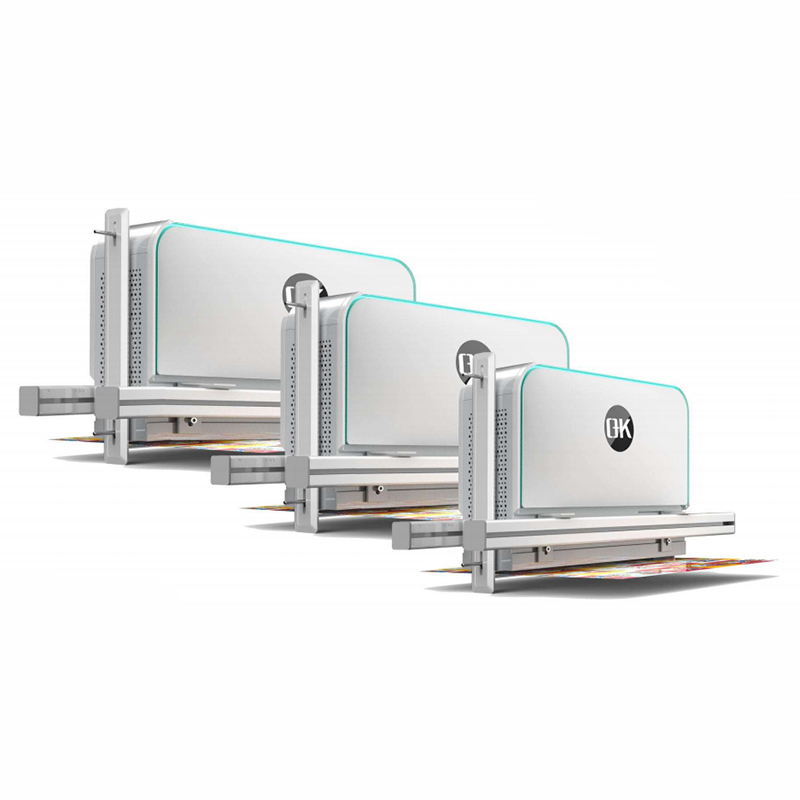
In the fast-paced world of printing, ensuring high-quality output is crucial for maintaining customer satisfaction, reducing waste, and staying competitive. Traditional methods of inspection, such as manual checks and visual spot inspections, are often time-consuming, prone to human error, and inefficient in detecting subtle defects. As the demand for higher print quality and consistency increases, the adoption of automated 100% inspection systems has become a popular solution. These systems use advanced technologies like cameras, sensors, and artificial intelligence to inspect every printed piece for defects, ensuring that only flawless products reach the market.

However, as with any significant investment, companies must weigh the costs and benefits of implementing such systems. This article provides an in-depth cost vs. benefit analysis of 100% inspection systems in the printing industry.
Initial Investment and Setup Costs
The upfront costs for implementing a 100% inspection system can be significant. These systems typically involve:
High-resolution cameras: The core component of the system, which can cost anywhere from a few thousand to tens of thousands of dollars, depending on the resolution and technology used.
Software for defect detection and analysis: These programs can range from specialized defect-detection software to AI-driven platforms that provide real-time analysis and reporting. Licensing fees, integration costs, and ongoing maintenance can add to the overall investment.
Integration into existing workflows: Retrofit and integration of the system into existing print lines, ensuring compatibility with other equipment, can incur additional installation costs.
Training and education: Employees will need to be trained on how to operate and maintain the system, which adds to both the time and cost required for deployment.
In total, a full 100% inspection system may require an investment of $50,000 to $250,000 or more, depending on the scale of the printing operation and the complexity of the system.
Operational Costs
Once the system is in place, operational costs are typically lower compared to manual inspection methods. These include:
Power consumption: The cameras and processing units used in the system may consume more electricity than traditional inspection methods, though this is usually a minor cost.
Maintenance and software updates: Regular maintenance of the system’s hardware and software updates are necessary to ensure peak performance, and ongoing support contracts may be required.
Technical support staff: Although the system reduces the need for manual labor, companies will need to allocate resources to monitor the system and address any issues that arise.
Overall, operational costs are generally lower than the manual inspection methods, which require a dedicated labor force to inspect and identify defects on each printed sheet.
Benefits of 100% Inspection Systems
1. Increased Quality Control
One of the most significant benefits of 100% inspection systems is enhanced quality control. These systems can detect even the smallest defects, such as color inconsistencies, misalignment, and print flaws, which human inspectors may miss. This results in:
Fewer defective products: By identifying issues early in the process, 100% inspection systems reduce the risk of defective products reaching customers.
Consistency across production runs: Automated systems ensure that quality standards are maintained consistently, even across large production volumes or long production runs.
2. Reduced Waste and Rework Costs
Defects caught early can be corrected before the product moves further down the production line, reducing the need for expensive rework. The result is:
Lower material wastage: Defective products can be identified and removed before they waste valuable raw materials.
Reduced downtime: Detecting defects in real-time allows for quicker adjustments, reducing the likelihood of production stoppages and unnecessary delays.
Lower scrap rates: Consistently high-quality prints mean fewer products are discarded, which contributes to better cost control.
3. Enhanced Efficiency and Faster Production Times
100% inspection systems operate continuously without breaks, which leads to:
Faster detection and resolution: Real-time analysis ensures that defects are caught instantly, leading to faster corrections.
Higher throughput: With the system running efficiently, the overall speed of production can increase, making better use of resources and reducing idle time.
4. Labor Cost Savings
By automating the inspection process, companies can:
Reduce the need for manual inspectors: The system eliminates the reliance on human inspectors, saving on labor costs and reducing the risk of errors due to fatigue or oversight.
Optimize workforce allocation: Employees can focus on higher-level tasks, such as maintenance and equipment optimization, rather than repetitive inspection duties.
5. Data and Reporting for Continuous Improvement
Modern 100% inspection systems come with robust data collection and reporting capabilities that allow companies to:
Track defects and trends: The printing quality inspection system records and categorizes defects, providing valuable insights into recurring problems and potential areas for improvement.
Generate reports for quality audits: The data collected can be used for internal quality audits, making it easier to ensure compliance with industry standards and customer requirements.
Cost Savings Over Time
While the initial investment is substantial, the long-term savings generated by 100% inspection systems often justify the expense. Over time, companies can expect:
A return on investment (ROI): For many printing operations, the cost savings from reduced defects, lower waste, and labor savings can quickly outweigh the initial investment.
Increased competitiveness: Consistent product quality and fast turnaround times can help a printing company stay competitive, attracting more customers and potentially commanding higher prices for its products.
Long-term scalability: As production volumes increase, the system can handle higher throughput without additional labor costs, allowing companies to scale up without significant additional investment.
Challenges to Consider
While the benefits are clear, there are challenges to consider when implementing 100% inspection systems:
High initial cost: Smaller printing companies may find it difficult to justify the upfront investment.
Integration with legacy systems: Some older printing equipment may not be easily compatible with modern inspection technologies, requiring expensive upgrades or replacements.
Learning curve: Employees may need time to adapt to new technologies, which could impact initial productivity.
The decision to invest in a 100% inspection system in the printing industry requires careful consideration of both costs and benefits. While the initial investment can be high, the long-term advantages—such as improved quality, reduced waste, enhanced efficiency, and lower labor costs—often result in a significant return on investment. For companies that prioritize quality control and aim for long-term growth, adopting a 100% inspection system can be a strategic move to enhance their competitive edge in an increasingly quality-conscious market.
经济学作为一门复杂的学科,涵盖了微观经济学、宏观经济学、计量经济学、国际经济学等多个领域,因此代考服务的质量直接影响最终的学术表现。然而,评估经济学代考的质量需要从多个维度入手,确保选择的服务能够提供高水准的支持。本文将从几个核心角度探讨如何评估经济学代考的质量。
1. 答案的准确性和专业性
经济学考试的答案通常需要逻辑严密、数据支持和专业术语。因此,评估代考质量的首要标准是答案的准确性和专业性:
计算准确性:核对计算题的步骤是否严谨,结果是否正确。
理论应用:分析题是否正确运用了经济学原理和模型,例如供需分析、IS-LM模型等。
语言表达:答案是否采用专业、清晰的经济学术语,而非模糊或随意的表述。
2. 内容的逻辑性和深度
高质量的经济学代考不仅需要准确的答案,还需体现逻辑性和思维深度:
论证结构:答案是否具有清晰的逻辑框架,例如从问题分析、假设设立到结论推导。
深度分析:对复杂问题的回答是否展现了对经济学概念的深入理解,而非表面化或简单化。
案例支持:论述是否结合真实案例或经济数据以增强可信度。
3. 代考者的专业背景
代考服务的质量很大程度上取决于代考者的专业背景:
学历资质:代考者是否拥有经济学相关学位,例如本科、硕士或博士学位。
实战经验:是否有过类似考试的经验或从事相关教学工作的经历。
擅长领域:是否能够胜任特定分支学科的代考,例如计量经济学建模或宏观政策分析。
4. 时间管理和完成效率
考试通常具有严格的时间限制,因此评估代考质量时需要关注时间管理能力:
答题速度:是否能够在规定时间内完成所有题目。
优先顺序:是否能够合理分配时间,优先完成分值较高或复杂的题目。
按时交付:在线代考或线下代考服务是否能在要求的时间内完成并提交答案。
5. 服务的隐私和安全性
评估代考质量时,也需要确保服务本身是安全且保密的:
隐私保护:客户个人信息是否得到妥善保护,避免泄露给第三方或学校。
安全支付:支付渠道是否可靠,防止资金损失或交易欺诈。
防抄袭措施:是否保证代考答案的原创性,避免因抄袭而引发学术纠纷。
6. 客户反馈与评价
客户反馈是评估代考服务质量的重要参考:
评价记录:在线查看过往客户对服务的评价和评分。
口碑和推荐:是否有同学或同行推荐该服务商,尤其是在类似课程中的表现。
投诉率:了解是否存在频繁的投诉或服务质量问题。
7. 答案与评分标准的契合度
评估代考质量时,需对比答案与课程评分标准的契合度:
符合考题要求:答案是否完全响应考题要求,避免偏题或漏答。
评分细节:是否覆盖评分标准中的关键要点,例如公式运用、图表绘制、论点支撑等。
8. 后续服务与支持
可靠的代考服务通常提供完善的售后支持:
问题解答:是否在代考后对答案进行详细解释,帮助客户理解问题。
修改服务:如有必要,是否能够根据客户反馈免费修改答案。
追加服务:是否提供后续的课程辅导或相关服务。

examgpa.com 是一家专注于提供经济学代考服务的专业平台,以高质量、专业性和可靠性著称。其团队由资深经济学学者和教学专家组成,能够覆盖微观经济学、宏观经济学、计量经济学等多领域,确保答案准确、逻辑严密。平台注重客户隐私保护,采用安全的支付和信息加密机制,承诺提供按时交付和高分保障的服务,是学术支持的理想选择。
综上所述, 评估经济学代考的质量需要从答案的准确性、逻辑性、代考者的专业性到服务的隐私安全等多方面综合考虑。高质量的代考服务不仅能够帮助完成任务,还能为客户提供可靠的学术支持。
随着计算机科学(CS)代写服务需求的增长,如何提高这类服务的质量成为业界和消费者关注的焦点。高质量的服务不仅能满足用户的需求,也能提升服务商的信誉和市场竞争力。本文将从明确需求、提升技术能力、加强沟通和注重后续服务四个方面,探讨提高CS代写服务质量的有效策略。
一、明确需求:精准匹配用户期望
深入理解任务要求
每个代写任务都有其特定要求,包括编程语言、功能需求、算法逻辑以及交付时间。服务提供者应仔细阅读用户提供的任务说明,并根据具体需求量身定制解决方案。
与用户确认细节
在开始任务前,与用户进行详细沟通,确保了解项目背景和期望。例如,用户可能对代码风格、注释质量或运行环境有特定要求,这些都应明确记录。
制定合理的交付计划
根据任务难度和时间限制,合理规划项目时间表,避免因赶工导致质量下降。
二、提升技术能力:专业化是关键
组建高水平团队
代写服务商应招聘具备扎实专业知识和丰富实战经验的技术人员,确保团队能够处理各种复杂任务,如高级算法设计、分布式系统开发等。
持续学习新技术
计算机科学领域技术更新迅速,代写服务团队应定期参加培训或学习新兴技术,如人工智能、区块链或云计算,以满足用户的多样化需求。
严格的质量审核机制
引入代码审查和测试机制,确保交付的代码不仅功能正确,还具备良好的可读性、扩展性和鲁棒性。
三、加强与用户的沟通:提升客户体验
保持透明沟通
在任务进行过程中,与用户保持及时沟通,定期汇报进展,并在必要时征求反馈。这有助于及时调整方向,避免偏离用户需求。
提供原型或阶段性成果
对于大型项目,可分阶段提交原型或中间成果,供用户审阅。这种方式不仅能增强用户信任,还能降低最终交付失败的风险。
耐心解答用户问题
交付完成后,用户可能对代码逻辑或功能实现有疑问。服务商应提供耐心解答,确保用户能够理解并使用所提供的成果。
四、注重后续服务:建立长期合作关系
提供售后支持
在代码交付后的一段时间内,为用户提供技术支持,例如修复Bug或进行小规模功能调整。这种贴心服务有助于提升客户满意度。
收集用户反馈
主动向用户征求反馈意见,了解服务中的优点和不足,并将其应用于未来的改进中。
打造品牌信誉
通过优质服务赢得口碑,逐步打造值得信赖的品牌形象,吸引更多回头客和潜在用户。
综上所述,提高CS代写服务的质量不仅需要技术能力的提升,还需注重与用户的沟通、任务管理和后续支持。通过不断优化服务流程,专注用户体验,服务提供者可以在竞争激烈的市场中脱颖而出,同时为用户提供真正有价值的服务。

Essay-one.com专注于提供高质量、个性化的计算机科学代写服务,涵盖编程作业、算法设计、数据结构等多领域需求。凭借经验丰富的专业团队、严谨的任务审核机制以及贴心的售后支持,essay-one.com 致力于帮助客户高效解决学术挑战,为每一位用户提供可信赖的优质服务体验。
Marine environments present unique challenges for lighting solutions, particularly when safety is critical in hazardous locations such as oil rigs, tankers, and refineries. Explosion-proof lighting has become essential in these environments to mitigate risks associated with flammable gases, vapors, and dust. Below, we explore the importance of explosion-proof lighting and the tailored solutions available for different marine settings.

The Importance of Explosion-Proof Lighting in Marine Environments
Explosion-proof lighting is designed to prevent ignition of combustible substances in hazardous areas. The key features include:
Robust Construction: Sealed enclosures to prevent sparks or heat from escaping.
Corrosion Resistance: Designed to withstand saline environments and harsh weather conditions.
Compliance with Standards: Certified to meet industry safety standards like ATEX, IECEx, or UL.
These lights ensure operational safety while providing reliable illumination for essential tasks.
Types of Marine Environments and Challenges
1. Offshore Platforms
Offshore platforms are prone to high concentrations of flammable gases and extreme weather conditions. Lighting must endure constant vibration, saline corrosion, and potential impact from tools or machinery.
Solution: Explosion-proof LED floodlights with marine-grade aluminum housing provide long-lasting, vibration-resistant lighting with minimal maintenance.

2. Tankers and Cargo Ships
Tankers often transport flammable materials, posing risks in confined spaces like cargo holds or engine rooms.
Solution: Compact marine explosion-proof lights with narrow beam angles ensure efficient illumination while minimizing energy consumption. Anti-vibration designs and IP66/IP67-rated enclosures offer enhanced durability.
3. Ports and Harbors
Ports and harbors experience high humidity, corrosive air, and frequent exposure to chemicals.
Solution: Corrosion-resistant explosion-proof lighting with high ingress protection ratings (IP68) ensures performance in wet and dusty environments.
4. Marine Refineries
Refineries handle combustible chemicals, requiring lighting to function in potentially explosive atmospheres.
Solution: Explosion-proof fluorescent or LED fixtures with advanced heat dissipation mechanisms provide stable illumination without overheating.
Key Features of Explosion-Proof Marine Lighting
LED Technology: Energy-efficient LED explosion-proof lighting with long lifespans, reducing maintenance in inaccessible areas.
Wide Temperature Range: Operates in extreme cold or heat, critical for Arctic or tropical environments.
Emergency Backups: Integrated battery systems ensure lighting continuity during power outages.
Dimming Capabilities: Adjustable brightness for specific tasks or energy conservation.

Choosing the Right Explosion-Proof Lighting
When selecting explosion-proof lighting, consider:
Hazard Classification: Match lighting to the zone (e.g., Zone 0, 1, or 2) based on the likelihood of explosive conditions.
Ingress Protection (IP) Rating: Choose a rating suitable for exposure to water and dust.
Material Durability: Opt for materials like stainless steel or marine-grade aluminum to resist corrosion.
Certification Compliance: Verify compliance with international safety standards.

Innovations in Explosion-Proof Lighting for Marine Use
Advancements in technology have made explosion-proof lighting more efficient and versatile:
Smart Control Systems: IoT-enabled lighting allows remote monitoring and control, reducing manual inspections.
Adaptive Lighting: Sensors adjust brightness based on ambient light and activity levels.
Solar-Powered Solutions: Sustainable options for isolated locations with limited power access.
Overall, explosion-proof lighting solutions are indispensable in safeguarding operations and personnel in various marine environments. By addressing specific challenges and leveraging modern technologies, these solutions ensure safety, reliability, and efficiency, even in the most demanding conditions. Investing in the right lighting not only protects lives but also enhances productivity in hazardous marine settings.