
Marine anchors play a crucial role in ensuring the stability and safety of vessels in varying aquatic conditions. However, these essential components are often subjected to harsh environments, including saltwater exposure, high humidity, and fluctuating temperatures, which accelerate corrosion. Developing corrosion-resistant marine anchors is vital for enhancing durability, performance, and safety. This article explores the significance, materials, and innovative approaches in crafting corrosion-resistant marine anchors for harsh environment.

Importance of Corrosion Resistance in Marine Anchors
Extended Lifespan: Corrosion-resistant materials significantly increase the operational life of marine anchors, reducing the frequency of replacements.
Operational Safety: Anchors exposed to corrosion risk failure, jeopardizing vessel stability and safety during adverse weather conditions.
Cost Efficiency: Minimizing corrosion reduces maintenance expenses, repair costs, and downtime for vessels.
Materials for Corrosion-resistant Anchors
The selection of marine anchor materials plays a pivotal role in combating corrosion. Commonly used corrosion-resistant materials include:
Stainless Steel: Renowned for its high resistance to rust and corrosion, stainless steel is widely used in marine environments. Grades such as 316 stainless steel offer excellent performance in saltwater conditions.
Galvanized Steel: Coating steel with zinc provides a protective layer against corrosion, making galvanized anchors a cost-effective option.
Aluminum Alloys: Lightweight and corrosion-resistant, aluminum anchors are ideal for smaller vessels and specific applications.
Titanium Alloys: While more expensive, titanium offers exceptional corrosion resistance, making it suitable for high-performance and long-term use.

Innovative Approaches in Anchor Design
Protective Coatings: Advanced coatings, such as epoxy, polyurethane, and fluoropolymer, create an impermeable barrier that prevents moisture and salt from reaching the base material.
Electroplating: Applying a thin layer of corrosion-resistant metal, like chromium or nickel, to the anchor's surface enhances its resistance to wear and corrosion.
Cathodic Protection: Sacrificial anodes made of materials like zinc or magnesium are attached to the anchor, diverting the corrosion process away from the main structure.
Smart Alloys: Research into self-healing alloys, which repair micro-cracks upon exposure to the environment, is paving the way for next-generation marine anchors.
Applications in Harsh Environments
Offshore Oil and Gas: Marine anchors used in offshore rigs face extreme environmental challenges. Corrosion-resistant solutions ensure long-term stability in these critical operations.
Marine Research Vessels: Anchors supporting underwater research platforms require high corrosion resistance to maintain precision and reliability.
Fishing and Cargo Ships: Durable anchors are essential for vessels operating in diverse oceanic conditions to secure mooring and operational efficiency.

Sustainability and Future Trends
As environmental concerns grow, the marine industry is increasingly prioritizing sustainable practices. Future developments may focus on:
Eco-friendly Coatings: Developing non-toxic, biodegradable coatings that do not harm marine ecosystems.
Recyclable Materials: Utilizing materials that retain high corrosion resistance while being recyclable at the end of their lifespan.
Nanotechnology: Incorporating nanomaterials into anchor surfaces to achieve superior corrosion resistance and durability with minimal material use.
Conclusion
Corrosion-resistant marine anchors are indispensable in maintaining vessel stability and operational safety in harsh environments. Advances in material science and innovative protective techniques continue to enhance their performance and longevity. By prioritizing corrosion resistance, the marine industry can achieve greater safety, cost efficiency, and sustainability, ensuring anchors remain reliable under the most demanding conditions.
Laboratory freeze dryers, also known as lyophilizers, are critical tools in industries like pharmaceuticals, food processing, and scientific research. Despite their reliability and efficiency, these sophisticated devices are not immune to issues that can disrupt operations. Understanding common problems and solutions of lab freeze dryers is essential for ensuring optimal performance and longevity.

Incomplete Drying of Samples
Problem:
Incomplete drying is one of the most frequent issues in laboratory freeze dryer. This occurs when residual moisture remains in the sample, compromising its stability and quality.
Causes:
Incorrect temperature settings.
Insufficient vacuum pressure.
Overloading the dryer with too many samples.
Solutions:
Optimize temperature and pressure settings based on the sample type.
Ensure proper loading techniques and avoid overloading.
Check the vacuum pump for efficiency and service it regularly.
Ice Build-Up in the Condenser
Problem:
Excessive ice accumulation in the condenser can hinder the freeze-drying process.
Causes:
High moisture content in the sample.
Prolonged operation without defrosting.
Solutions:
Pre-freeze samples to reduce moisture content before starting the process.
Defrost the condenser regularly and ensure the defrosting system functions correctly.
Vacuum Failure
Problem:
Failure to achieve or maintain a proper vacuum level interrupts the sublimation process.
Causes:
Leaks in the vacuum system.
Malfunctioning vacuum pump.
Blockages in the vacuum pathway.
Solutions:
Inspect seals, gaskets, and connections for leaks and replace faulty components.
Regularly maintain the vacuum pump and replace worn parts.
Clean vacuum lines to remove blockages.

Temperature Fluctuations
Problem:
Inconsistent temperature control affects the quality and efficiency of freeze drying.
Causes:
Malfunctioning sensors or controllers.
Poor insulation in the chamber.
Solutions:
Calibrate temperature sensors and replace defective ones.
Check insulation and repair or replace if necessary.
Oil Contamination in the Vacuum Pump
Problem:
Oil contamination in the vacuum pump reduces its efficiency and lifespan.
Causes:
Moisture infiltration into the pump oil.
Lack of regular oil changes.
Solutions:
Use high-quality oil designed for vacuum pumps.
Change oil at recommended intervals and monitor its condition.
Sample Collapse
Problem:
Samples collapse during the drying process, leading to structural loss and compromised quality.
Causes:
High shelf temperature during sublimation.
Inadequate freezing of samples before drying.
Solutions:
Optimize shelf temperature settings to prevent overheating.
Ensure thorough pre-freezing of samples at the correct temperature.
Noise and Vibrations
Problem:
Excessive noise and vibrations during operation indicate mechanical issues.
Causes:
Loose or worn components in the system.
Misalignment of moving parts.
Solutions:
Inspect and tighten loose parts.
Align and balance components as needed.
Maintenance Tips for Preventing Problems
Regular Maintenance
Schedule routine maintenance checks to identify and address issues before they escalate.
Training for Operators
Ensure all operators are trained to handle the equipment correctly and troubleshoot basic problems.
Proper Cleaning
Clean the freeze dryer after every use to prevent contamination and ensure smooth operation.
Follow Manufacturer Guidelines
Adhere to the manufacturer's recommendations for operation, maintenance, and servicing.

Conclusion
Lab freeze dryers are indispensable tools, but their efficiency relies on proper operation and maintenance. By understanding common problems and their solutions, lab personnel can minimize downtime, maintain sample quality, and extend the lifespan of their freeze dryers. Regular maintenance, operator training, and adherence to best practices will ensure the device continues to deliver reliable performance.
In the ever-evolving world of fashion, accessories have always played a pivotal role in personalizing and enhancing individual style. Among the trendiest and most versatile accessories today are custom plush keychains. These tiny, whimsical items have transcended their traditional function of keeping keys organized, emerging as creative and expressive fashion statements.

The Rise of Plush Keychains in Fashion
Unique Personalization
Custom plush keychains allow for unlimited creativity, making them perfect for expressing individuality. From miniature versions of beloved characters to custom designs reflecting hobbies or personal interests, these keychains are highly customizable. They provide a unique way to showcase personality through fashion.
Playful and Trendy Appeal
Plush keychains bring a playful touch to an outfit, making them popular among younger generations and trendsetters. Their soft textures, vibrant colors, and cute designs make them ideal for adding a fun twist to everyday attire or accessorizing bags, jackets, and even shoes.
Compact and Versatile
One of the best features of plush keychains is their compact size, which allows them to be clipped onto almost anything. Whether attached to handbags, backpacks, zippers, or belts, they blend seamlessly into any ensemble while adding an extra layer of charm.

Benefits of Custom Plush Keychains
Affordable Fashion Statements
Unlike high-end jewelry or branded accessories, custom plush keychains are affordable yet stylish. Their low cost and high impact make them accessible to a wide audience.
Brand Collaborations and Promotions
Many fashion brands collaborate with artists to design exclusive plush keychains that align with their collections. These keychains often become collectible items, merging the worlds of art, fashion, and function.
Eco-Friendly Options
With growing awareness of sustainability, custom plush manufacturers are offering keychains made from recycled or eco-friendly materials, appealing to environmentally conscious consumers.
Styling Tips for Plush Keychains
Bag Charms
Attach a vibrant plush keychain to your handbag or backpack to add personality and a pop of color. Opt for designs that contrast with the bag's color for a bold statement.
Layered Accessories
Combine multiple plush keychains with different themes or colors to create a layered, eclectic look. This is particularly effective when accessorizing plain or monochrome outfits.
Themed Collections
Use custom plush keychains to align with seasonal themes or trends. For instance, snowman or reindeer plush keychains for winter and tropical-themed designs for summer.

Conclusion
Custom plush keychains are more than just functional items; they are a creative medium for personal expression and a versatile addition to modern fashion. Their adaptability, affordability, and charm make them a must-have accessory for anyone looking to enhance their style with a touch of fun and individuality. As the demand for unique and customizable fashion grows, plush keychains are set to remain a staple in the world of trendy accessories.
Whether you're a designer, a brand, or simply a fashion enthusiast, embracing the playful charm of custom plush keychains can add an extra layer of joy and creativity to your style journey.
Onshore drilling plays a crucial role in meeting the world's growing demand for energy. It involves drilling into the Earth's surface to extract hydrocarbons like oil and natural gas. As one of the oldest methods of resource extraction, onshore drilling has evolved significantly over the years, embracing modern technologies and practices to improve efficiency, safety, and environmental sustainability.
What Is Onshore Drilling?
Onshore drilling refers to the process of extracting oil and gas from reserves located beneath the Earth’s surface on land. Unlike offshore drilling, which occurs in water bodies, onshore drilling operations are conducted on solid ground.

Key Components of Onshore Drilling
Drilling Rig: The central piece of equipment used to bore through the Earth’s crust.
Mud Systems: Used to cool the drill bit, stabilize the wellbore, and carry cuttings to the surface.
Casing and Cementing: Steel pipes and cement are used to reinforce the well and prevent contamination of groundwater.
Pump Jacks: Used in mature wells to extract oil when natural pressure decreases.
Types of Onshore Drilling Techniques
Vertical Drilling
The most traditional approach, where the wellbore is drilled straight down to the target reservoir.
Horizontal Drilling
After drilling vertically, the drill bit is angled to create horizontal wells, increasing contact with the reservoir and improving production.
Directional Drilling
Allows drilling at various angles, enabling access to multiple reservoirs from a single surface location.
Extended Reach Drilling (ERD)
A form of directional drilling that reaches resources located far away from the drilling site.
Advantages of Onshore Drilling
Cost-Effectiveness
Onshore drilling is typically less expensive than offshore drilling due to lower operational and logistical costs.
Easier Access
Drilling equipment and personnel can be transported more efficiently on land.
Proven Technology
Decades of advancements have made onshore drilling a reliable and efficient method for oil and gas extraction.
Scalability
Onshore fields can accommodate multiple wells, maximizing resource extraction.
Challenges in Onshore Drilling
Environmental Concerns
Land disruption, potential water contamination, and emissions are significant concerns.
Land Acquisition
Securing land rights can be complex and contentious, especially in populated or ecologically sensitive areas.
Geological Uncertainty
The unpredictability of subsurface conditions can complicate drilling operations.
Depletion of Resources
As easily accessible reserves are exhausted, drilling increasingly targets deeper or more challenging formations.
Innovations in Onshore Drilling
Automated Drilling Rigs
Modern rigs equipped with automation reduce human error and improve operational efficiency.
Hydraulic Fracturing (Fracking)
This technology has unlocked vast reserves of shale oil and gas, revolutionizing the energy industry.
Real-Time Monitoring
Sensors and data analytics provide insights into drilling performance, improving safety and decision-making.
Eco-Friendly Practices
Advancements in wastewater treatment, reduced emissions, and site reclamation aim to mitigate environmental impact.
Environmental and Social Considerations
As onshore drilling expands, so do concerns about its impact on the environment and local communities. Companies are adopting measures to address these challenges:
Minimizing Land Disruption: Using directional drilling to reduce the surface footprint.
Water Management: Recycling drilling fluids and treating wastewater to protect groundwater.
Community Engagement: Working closely with local communities to address concerns and share benefits.
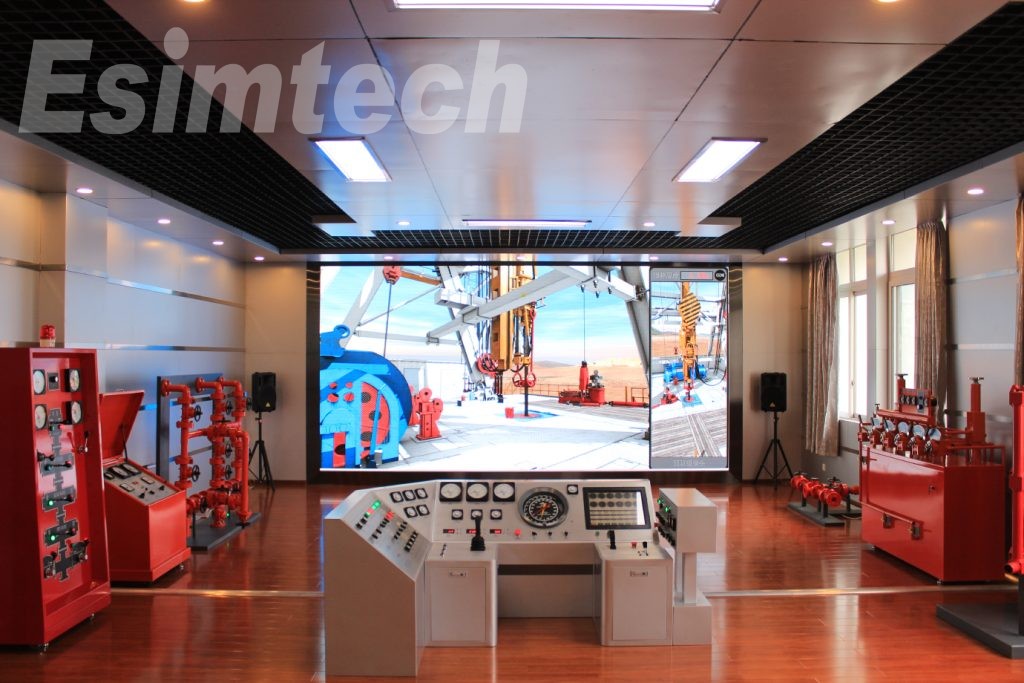
Simulations Used for Optimizing Onshore Drilling
Simulations have become an integral part of achieving these goals, offering virtual environments to model and analyze various aspects of drilling operations. From well design to real-time problem-solving, simulations play a critical role in optimizing onshore drilling processes.
Importance of Simulations in Onshore Drilling
Simulations provide a controlled and risk-free environment to test, refine, and optimize drilling strategies. They help operators:
Predict Outcomes: Simulate geological and operational scenarios to anticipate challenges.
Reduce Costs: Optimize resource utilization and minimize unnecessary expenditures.
Improve Safety: Identify potential hazards and implement preventive measures before actual drilling.
Enhance Training: Offer realistic training for personnel, improving skillsets and decision-making.
Types of Simulations in Onshore Drilling
Geological Modeling and Reservoir Simulation
Purpose: Understand subsurface geology and hydrocarbon distribution.
Benefits:
Identify optimal drilling locations.
Estimate recoverable reserves.
Plan effective extraction strategies.
Well Design and Planning Simulations
Purpose: Optimize well trajectory, casing design, and completion methods.
Benefits:
Reduce drilling time and costs.
Minimize risks of wellbore instability.
Enhance operational efficiency.
Drilling Dynamics Simulation
Purpose: Model the behavior of the drill string, bit, and fluids during operations.
Benefits:
Predict torque, drag, and vibration issues.
Optimize drilling parameters like weight on bit and rotational speed.
Prevent equipment failures.
Mud Circulation and Hydraulic Simulation
Purpose: Optimize drilling fluid properties and flow rates.
Benefits:
Prevent wellbore collapse and kick events.
Ensure efficient cuttings transport.
Optimize pressure control.
Fracture Modeling and Hydraulic Fracturing Simulation
Purpose: Simulate the creation of fractures for enhanced hydrocarbon flow.
Benefits:
Maximize well productivity.
Reduce environmental impact by optimizing water and proppant usage.
Predict fracture behavior in complex formations.
Real-Time Drilling Simulations
Purpose: Monitor and adjust operations dynamically based on real-time data.
Benefits:
Identify and mitigate risks like stuck pipe or blowouts.
Adapt drilling plans to unexpected conditions.
Minimize downtime.

Environmental Impact Simulations
Purpose: Assess and mitigate the environmental effects of drilling operations.
Benefits:
Ensure compliance with regulations.
Minimize surface and subsurface contamination.
Enhance community relations.
Personnel Training Simulations
Purpose: Provide realistic, scenario-based training simulations for drilling teams.
Benefits:
Improve operator decision-making skills.
Enhance understanding of complex drilling scenarios.
Reduce the likelihood of human errors.
Conclusion
Onshore drilling remains a vital part of the global energy supply chain. With ongoing advancements in technology and an increasing focus on sustainability, the industry is poised to meet energy demands while addressing environmental and social concerns. As we move forward, responsible practices will ensure that onshore drilling continues to contribute to global energy security.
By leveraging advanced modeling and real-time analysis, simulation tools help operators achieve greater efficiency, reduce costs, and maintain high safety standards. As the industry continues to evolve, simulations will remain at the forefront of innovation, driving the future of onshore drilling toward greater sustainability and performance.
In today’s manufacturing and production environments, quality assurance is paramount. Vision-based 100% inspection systems have emerged as critical tools for ensuring that every product meets stringent quality standards. These systems leverage advanced imaging technologies, machine learning, and artificial intelligence to deliver unparalleled accuracy and efficiency in detecting defects.

What Are Vision-Based 100% Inspection Systems?
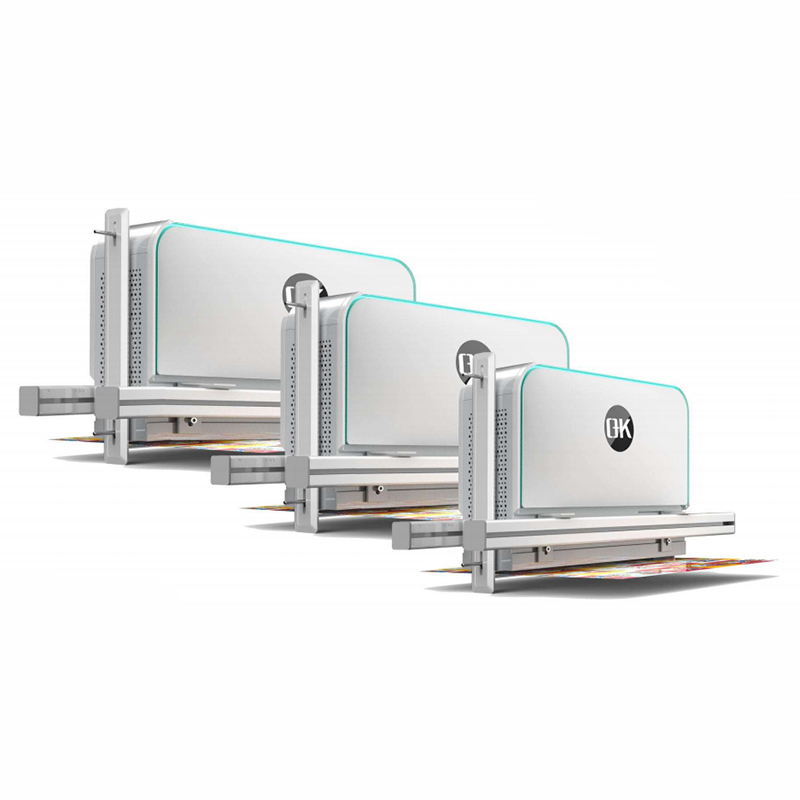
Vision-based inspection systems use cameras, lighting, and image-processing algorithms to inspect products during manufacturing. These systems provide a comprehensive, automated evaluation of every unit, ensuring consistent quality without the inefficiencies of manual inspection.

Key Features of Vision-Based 100% Inspection Systems
High-Speed Operation
Designed to integrate seamlessly with high-speed production lines, these 100% inspection systems can inspect thousands of products per minute without compromising accuracy.
Non-Contact Inspection
Vision-based systems use optical methods, ensuring that the products remain untouched, making them ideal for delicate or sensitive items.
Precision and Accuracy
With advanced algorithms and high-resolution cameras, these systems detect even microscopic defects.
Real-Time Analysis
Real-time feedback allows for immediate corrective actions, minimizing waste and downtime.
Scalability
These systems can be tailored to meet the specific needs of different industries, from small-scale operations to mass production lines.
Applications of Vision-Based Inspection Systems
Automotive Industry
Inspection of components such as gears, bearings, and seals for dimensional accuracy and surface defects.
Electronics Manufacturing
Ensures the correct placement of components on circuit boards and detects soldering defects or missing elements.
Pharmaceutical Industry
Verifies labeling, detects missing or broken tablets, and ensures product integrity in blister packs.
Food and Beverage Sector
Checks packaging for proper sealing, labeling, and contamination in food products.
Printing and Packaging
Ensures color consistency, correct alignment, and absence of printing errors on labels or packaging.
Benefits of Vision-Based 100% Inspection
Improved Product Quality
Detects defects and deviations early, ensuring only high-quality products reach the customer.
Cost Savings
Reduces the costs associated with recalls, rework, and waste.
Increased Productivity
Speeds up the inspection process while maintaining high accuracy, allowing manufacturers to meet tight deadlines.
Compliance Assurance
Helps manufacturers comply with regulatory standards by documenting and verifying product quality.
Enhanced Customer Satisfaction
Consistent quality leads to higher customer trust and loyalty.
Challenges in Implementing Vision-Based Inspection
Initial Investment
High upfront costs for equipment and integration may deter some businesses.
Complexity of Setup
Systems require careful calibration, proper lighting, and algorithm customization to achieve optimal performance.
Variability in Defects
Complex or subtle defects may necessitate advanced AI models and additional training data.
Innovations Driving Vision-Based Inspection Systems
Artificial Intelligence (AI) and Machine Learning
AI-powered systems can learn from data and adapt to new defect patterns, improving inspection accuracy.
3D Vision Technology
Advanced systems can analyze depth and surface profiles, enabling the detection of 3D defects.
Edge Computing
On-device processing reduces latency, enabling faster analysis and response times.
Cloud Integration
Allows for remote monitoring, data storage, and advanced analytics to optimize inspection processes.
Conclusion
Vision-based 100% inspection systems have revolutionized quality control across various industries. By ensuring precision, reducing costs, and enhancing productivity, these systems are indispensable in modern manufacturing. As technology evolves, the capabilities of vision-based inspection systems will only improve, making them a cornerstone of industry 4.0 and the future of quality assurance.