
Stainless steel bolts are a staple in construction, manufacturing, and other industries where strength and corrosion resistance are critical. Choosing the right grade of stainless steel bolt is essential to ensure optimal performance under specific environmental and mechanical conditions. This guide explores the different grades of stainless steel bolts, their properties, and their applications.

Why Choose Stainless Steel Bolts?
Stainless steel bolts offer a unique combination of durability, corrosion resistance, and aesthetic appeal.
Corrosion Resistance: Ideal for outdoor and marine environments.
Strength: High tensile and yield strength makes them suitable for heavy-duty applications.
Longevity: Resistant to rust, ensuring long-term reliability.
Aesthetics: Sleek, polished finish complements modern designs.

Understanding Stainless Steel Bolt Grades
Stainless steel bolt grades are classified based on their composition and performance characteristics. Here are the most common grades:
a. Grade 304 (A2)
Composition: Contains 18% chromium and 8% nickel.
Properties: Excellent corrosion resistance in mild environments.
Applications: Used in indoor applications, light construction, and automotive parts.
Limitations: Not suitable for marine or highly acidic environments.
b. Grade 316 (A4)
Composition: Contains 16% chromium, 10% nickel, and 2% molybdenum.
Properties: Superior resistance to corrosion, especially against chloride and saltwater.
Applications: Common in marine, chemical, and medical industries.
Special Note: Preferred for applications requiring resistance to harsh chemicals.
c. Grade 410
Composition: High chromium content with low nickel.
Properties: High strength and hardness with moderate corrosion resistance.
Applications: Suitable for high-stress applications like pumps, valves, and industrial machinery.
Limitations: Not as corrosion-resistant as grades 304 or 316.
d. Grade 2205 (Duplex Stainless Steel)
Composition: Balanced mix of austenitic and ferritic stainless steel.
Properties: Exceptional strength and resistance to stress corrosion cracking.
Applications: Ideal for oil and gas, offshore platforms, and chemical processing.
Advantages: Better cost-performance ratio compared to grade 316 in some environments.
e. Grade 17-4 PH (Precipitation Hardening)
Composition: Includes chromium, nickel, and copper.
Properties: High tensile strength, excellent corrosion resistance, and good wear resistance.
Applications: Aerospace, defense, and high-performance machinery.
Unique Feature: Heat treatment allows for customization of mechanical properties.
Factors to Consider When Choosing Stainless Steel Bolts
Selecting the right stainless steel bolt grade depends on several factors:
Environment: Exposure to moisture, chemicals, or extreme temperatures.
Load Requirements: Tensile and yield strength needed for the application.
Budget: Balancing cost with performance requirements.
Aesthetics: Importance of a polished or matte finish.
Marking Standards for Stainless Steel Bolts
To ensure compliance with standards, stainless steel bolts are marked with specific codes:
A2-70: Denotes grade 304 with a tensile strength of 700 MPa.
A4-80: Denotes grade 316 with a tensile strength of 800 MPa.
Other Codes: Indicate strength and corrosion resistance levels for other grades.
Applications Across Industries
Stainless steel bolts find applications in diverse sectors due to their versatility:
Construction: Structural frameworks, bridges, and facades.
Marine: Shipbuilding, docks, and underwater pipelines.
Automotive: Engine components, exhaust systems, and suspension systems.
Healthcare: Medical devices and surgical tools.
Energy: Wind turbines, solar panels, and oil rigs.

Maintenance and Longevity
Even though stainless steel bolts are durable, proper maintenance ensures extended lifespan:
Regular Inspection: Check for signs of corrosion or wear, especially in extreme environments.
Cleaning: Use non-abrasive cleaners to maintain the bolt’s finish.
Lubrication: Prevents galling, a condition where bolts seize due to friction.
Conclusion
Stainless steel bolt grades offer a range of options to suit various applications, environments, and budgets. Whether you need bolts for a mild indoor environment or a harsh marine setting, understanding the differences between grades like 304 and 316 is essential. Selecting the right grade not only ensures optimal performance but also guarantees long-term reliability and cost-effectiveness.
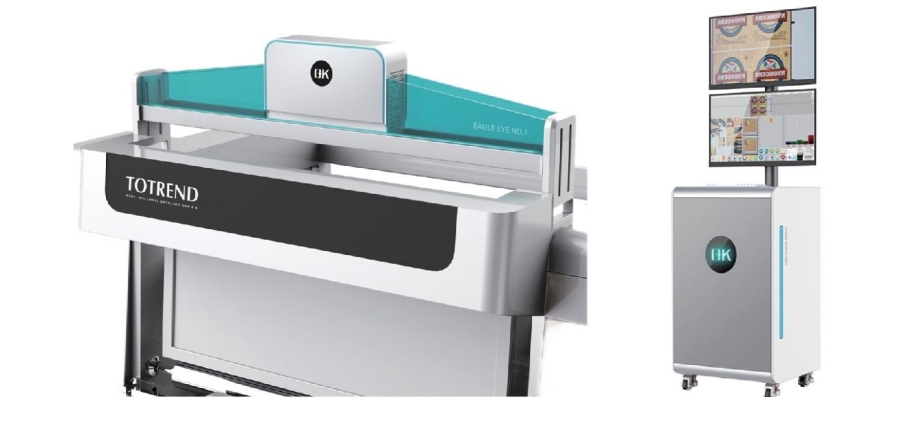
The demand for personalized products has skyrocketed in recent years, driven by advancements in digital printing technology and the growing consumer desire for unique, tailored items. Alongside this growth, ensuring the quality of these personalized products has become increasingly critical. Enter custom printing inspection systems which provide an innovative solution tailored to the challenges of inspecting customized goods. These systems enable businesses to maintain high-quality standards.
1. The Rise of Personalized Products
Personalization has permeated industries such as fashion, packaging, home décor, and promotional merchandise.
Small Batch and Single-Item Orders: Unlike mass production, personalized products are often created in limited quantities or as unique pieces.
Complex Designs: Custom designs may include intricate patterns, variable data (like names or serial numbers), or diverse materials.
2. Challenges in Inspecting Personalized Products
Traditional inspection methods often fall short when applied to personalized goods due to their variability. Key challenges include:
High Variation: Each item may have different text, colors, or graphics.
Precision Requirements: Even minor deviations in design, alignment, or color can impact customer satisfaction.
Speed and Scalability: Inspecting customized products manually is time-consuming and error-prone, especially at scale.

Key Features of Custom Printing Inspection Systems
Custom printing inspection systems are designed to address these challenges. They incorporate cutting-edge technology to ensure flawless quality.
a. Automated Detection
AI-Powered Vision Systems: Advanced algorithms analyze every aspect of the printed design to detect inconsistencies in real time.
Customizable Parameters: Users can set specific criteria for acceptable tolerances based on the product type and personalization.
b. Adaptability to Variable Data
Dynamic Inspection: Print inspection systems are capable of inspecting items with variable text, barcodes, or images without the need for reconfiguration.
Pattern Matching: Algorithms compare each piece to its corresponding digital file for accuracy.
c. High-Speed Processing
Real-Time Analysis: These systems operate at high speeds to inspect large volumes of products efficiently.
Scalability: They are ideal for both small businesses and large-scale operations.
d. Integration with Printing Workflows
Seamless Integration: 100% inspection systems can be integrated with digital printers, conveyors, and other production equipment.
Feedback Loops: Systems can provide real-time feedback to the printer, allowing for immediate corrections and reduced waste.
Industries Benefiting from Custom Printing Inspection Systems
The versatility of these systems makes them invaluable across various sectors:
Packaging: Inspecting labels, cartons, and wrappers for personalized branding.
Textiles: Ensuring accuracy in custom apparel and fabric prints.
Promotional Merchandise: Verifying the quality of custom pens, mugs, and other branded items.
Publishing: Inspecting personalized books, invitations, or stationery.
Advantages of Implementing Custom Printing Inspection Systems
Enhanced Quality Control: Reduces defects and ensures products meet customer expectations.
Cost Efficiency: Minimizes waste and rework by catching errors early.
Customer Satisfaction: Consistent quality boosts brand reputation and customer loyalty.
Time Savings: Automating inspection processes reduces lead times and increases production throughput.
Future Innovations in Printing Inspection Systems
As technology evolves, custom printing inspection systems will continue to advance:
Machine Learning Improvements: Systems will become more intelligent, learning from defects to improve accuracy over time.
Advanced Color Recognition: Enhanced capabilities for detecting subtle variations in hues and gradients.
IoT Integration: Connected systems will enable remote monitoring and predictive maintenance.
Sustainability: Improved systems will contribute to greener operations by reducing material wastage.

Conclusion
Custom printing inspection systems have become indispensable tools for businesses dealing with personalized products. By ensuring accuracy, efficiency, and high-quality standards, these systems address the unique challenges posed by customization. As personalization trends continue to grow, the adoption of these inspection systems will be key to meeting customer expectations and staying competitive in the market.
In recent years, custom plush toys have gained immense popularity as unique, personalized gifts and promotional tools. With the advent of advanced digital platforms, ordering and designing custom plush toys has become easier than ever. These platforms cater to various industries and individual customers, offering creative ways to bring plush ideas to life. Here's an overview of how custom plush online platforms are revolutionizing the market.

1. Ease of Design and Ordering
Custom plush platforms provide user-friendly interfaces that allow customers to design their plush toys effortlessly.
Interactive Tools: Many platforms feature drag-and-drop tools, templates, and 3D previews to ensure that designs meet customer expectations.
Guided Process: For those new to custom design, platforms often provide design assistance or pre-designed options that can be tailored.
2. Versatility for Different Needs
From corporate branding to personal gifts, these platforms cater to diverse purposes.
Promotional Products: Businesses can use custom plush toys as memorable marketing items.
Special Occasions: Individuals can create plush toys for weddings, anniversaries, or birthdays.
Merchandise: Artists, influencers, and brands use custom plush toys to extend their merchandise lines.
3. Customization Features
Modern custom plush platforms offer various customization options, including:
Materials: Choices include cotton, polyester, and eco-friendly fabrics.
Colors and Patterns: Customers can match their plush toys to specific themes or brand colors.
Details: Features like embroidery, accessories, and custom packaging add a personal touch.
4. Global Accessibility and Market Reach
With online platforms, customers can order from anywhere in the world.
Seamless Shipping: Many platforms provide worldwide delivery options.
Localized Design Support: Some platforms offer multilingual support and localized pricing for global customers.
5. Quality Assurance and Prototyping
High-quality production is a hallmark of reputable custom plush platforms.
Prototyping Options: Customers can review prototypes before mass custom plush production.
Stringent Quality Checks: Platforms ensure durable stitching, vibrant colors, and safe materials.

6. Cost-Effectiveness
Online platforms offer competitive pricing and transparent quotes.
Volume Discounts: Bulk orders often come with discounts, making them ideal for corporate use.
Flexible Pricing: Customers can adjust materials and features to suit their budgets.
7. Sustainability Initiatives
Many custom plush platforms are incorporating eco-friendly practices, such as:
Sustainable Materials: Organic cotton or recycled polyester options.
Ethical Production: Adherence to fair labor practices and reduced carbon footprints.
8. Innovative Applications
Custom plush toys extend beyond traditional purposes.
Therapeutic Use: Plush toys are increasingly used in therapy for comfort and emotional support.
Education: Schools and educational institutions use plush toys to create mascots or teaching aids.

Conclusion
Custom plush online platforms have transformed how people and businesses create personalized plush toys. Their user-friendly interfaces, wide customization options, and commitment to quality have made them the go-to solution for crafting meaningful, one-of-a-kind items. Whether for personal expression, business branding, or creative projects, these platforms make the process accessible, efficient, and enjoyable.
As technology advances, the custom plush industry is likely to continue growing, offering even more innovative ways to bring imagination to life.Explosion-proof lighting is essential in environments where flammable gases, vapors, dust, or fibers pose significant risks of ignition. These specialized lighting systems are engineered to prevent sparks or heat from causing explosions, ensuring safety and compliance with industrial standards. This article delves into the specific classifications of explosion-proof lighting, highlighting their types, applications, and standards.

Why Explosion-Proof Lighting is Crucial
Explosion-proof lighting plays a pivotal role in industries such as oil and gas, chemical processing, mining, and grain storage. By containing potential ignition sources, these lights prevent catastrophic events, protecting both personnel and infrastructure. Their robust construction and adherence to stringent safety protocols make them indispensable in hazardous locations.
Classification of Explosion-Proof Lighting
Explosion-proof lighting is classified based on the type of hazard, the environment, and the specific standards it adheres to. Below are the primary classifications:
1. Classification by Hazardous Zone
Explosion-proof lighting is categorized according to the risk levels in different hazardous zones:
Zone 0:
Environments where explosive gases are present continuously or for prolonged periods. Lighting used here must be intrinsically safe, ensuring no sparks or heat can ignite the surrounding atmosphere.
Zone 1:
Areas where explosive gases are likely to occur during normal operations. These lights are designed to operate safely under occasional exposure to flammable substances.
Zone 2:
Locations where explosive gases are unlikely to occur but may be present for short durations. Lighting here offers moderate protection against accidental ignition.
2. Classification by Protection Techniques
Explosion-proof lighting uses various protection methods to ensure safety:
Flameproof/Encapsulation (Ex d):
The fixture is enclosed in a robust housing that contains any internal explosion and prevents the propagation of flames to the external environment.
Increased Safety (Ex e):
These lights are designed with enhanced measures to prevent sparks, arcs, or excessive temperatures that could ignite hazardous materials.
Intrinsic Safety (Ex i):
The electrical and thermal energy within the fixture is kept low enough to prevent ignition, even in the event of a fault.
Pressurization (Ex p):
The fixture is maintained under positive pressure with clean air or inert gas to prevent the ingress of hazardous substances.
Dust Ignition Proof (Ex t):
For areas with combustible dust, these lights prevent heat or sparks from igniting the surrounding dust particles.
3. Classification by Material and Construction
The materials used in explosion-proof lighting contribute to their effectiveness and durability in hazardous conditions:
Aluminum Alloy:
Lightweight and corrosion-resistant, suitable for areas with minimal exposure to chemicals.
Stainless Steel:
Highly durable and resistant to extreme temperatures, ideal for offshore or chemical industries.
Polycarbonate/Tempered Glass:
Provides excellent impact resistance and protection against UV radiation.
4. Classification by Application
Explosion-proof lighting is further classified based on its specific use case:
Portable Explosion-Proof Lighting:
Designed for temporary or emergency use, these lights are lightweight and easy to transport.
Fixed Explosion-Proof Lighting:
Permanently installed in hazardous areas, commonly used in refineries, oil rigs, and chemical plants.
Emergency Explosion-Proof Lighting:
Equipped with backup power systems to ensure continuous illumination during power outages in hazardous zones.
Flood Explosion-Proof Lighting:
Provides wide-area illumination, often used in large industrial facilities.
5. Classification by Lighting Technology
Highly energy-efficient, durable, and capable of operating in extreme conditions.

Fluorescent Explosion-Proof Lighting:
Offers moderate energy efficiency and is suitable for less demanding environments.
High-Intensity Discharge (HID) Lighting:
Provides powerful illumination, typically used in large outdoor or industrial settings.
Standards Governing Explosion-Proof Lighting
To ensure safety and reliability, explosion-proof lighting must comply with international and regional standards, including:
ATEX (Europe):
Specifies requirements for equipment used in explosive atmospheres.
IECEx (Global):
Provides global certification for electrical equipment used in hazardous areas.
NEC/UL (North America):
Focuses on electrical equipment safety in hazardous locations.
CSA (Canada):
Ensures compliance with Canadian safety regulations for hazardous environments.

Choosing the Right Explosion-Proof Lighting
When selecting explosion-proof lighting, it is crucial to consider:
The type of hazardous material present (gas, vapor, dust).
The classification of the hazardous zone (Zone 0, 1, or 2).
Environmental factors such as temperature, humidity, and chemical exposure.
Energy efficiency and maintenance requirements of the lighting system.
Conclusion
Explosion-proof lighting is a cornerstone of safety in hazardous environments. By understanding its specific classifications, industries can select the appropriate lighting solutions to mitigate risks, enhance productivity, and ensure compliance with safety standards. As technology continues to evolve, explosion-proof lighting is becoming more efficient and versatile, reinforcing its critical role in industrial safety.
Managed Pressure Drilling (MPD) has emerged as a groundbreaking technique in the oil and gas industry, addressing some of the most pressing challenges in conventional drilling. MPD offers precise control over wellbore pressures, ensuring enhanced safety, cost-effectiveness, and efficiency. This article explores the fundamentals of MPD, its benefits, techniques, and applications in modern drilling.
What is Managed Pressure Drilling?
MPD is an adaptive drilling process designed to manage wellbore pressures dynamically. Unlike traditional drilling methods, MPD enables operators to adjust pressures in real-time, responding to changes in geological formations or unexpected events. This approach minimizes non-productive time (NPT) and reduces risks associated with kicks, losses, and stuck pipes.
The technique employs a closed-loop system that integrates specialized equipment, including a rotating control device (RCD), automated choke, and pressure monitoring tools. Together, these components maintain precise control over the annular pressure profile, ensuring optimal drilling performance.

Key Benefits of MPD
Enhanced Safety
MPD significantly reduces the risk of blowouts by providing real-time monitoring and adjustment of wellbore pressures. It also minimizes the exposure of personnel to hazardous conditions.
Cost Savings
By reducing non-productive time, MPD optimizes the drilling process and prevents costly incidents such as lost circulation or well control events.
Improved Drilling Efficiency
MPD enables operators to drill through challenging formations with greater precision, avoiding unnecessary sidetracks or delays.
Extended Reservoir Access
MPD facilitates drilling in narrow pressure margins, unlocking resources in high-pressure, high-temperature (HPHT) environments and depleted reservoirs.
Techniques in Managed Pressure Drilling
MPD encompasses various techniques tailored to specific operational challenges:
Constant Bottom-Hole Pressure (CBHP)
Maintains consistent pressure at the bottom of the well, minimizing fluctuations that could lead to kicks or losses.
Pressurized Mud Cap Drilling (PMCD)
Ideal for drilling in fractured formations, this technique uses a pressurized mud cap to control influxes while maintaining well stability.
Dual Gradient Drilling (DGD)
Employs two different pressure gradients to reduce the equivalent circulating density (ECD) and enhance control over deepwater wells.
Surface Back Pressure (SBP)
Adjusts surface pressure using an automated choke to manage wellbore conditions effectively.

Applications of MPD
MPD is widely used in various challenging scenarios, including:
Deepwater Drilling
The technique overcomes the complexities of narrow pressure margins in deepwater reservoirs.
HPHT Wells
MPD ensures well control in high-pressure, high-temperature environments, reducing the risk of formation damage.
Mature and Depleted Fields
By managing low reservoir pressures effectively, MPD unlocks production potential in aging fields.
Exploration in Complex Geologies
MPD addresses unpredictable pressure regimes in complex geological formations, enhancing exploration success rates.
Challenges and Future Outlook
While MPD offers numerous advantages, its implementation requires significant investment in specialized equipment and training. Additionally, real-time data analysis and decision-making demand advanced digital tools and skilled personnel.
Looking ahead, technological advancements in automation, data analytics, and artificial intelligence are expected to further enhance the capabilities of MPD. These innovations will make the technique more accessible and efficient, paving the way for safer and more sustainable drilling operations.
How Simulation Technologies are Used for Optimizing Managed Pressure Drilling
Simulation technologies in MPD drilling allow for the virtual modeling of wellbore conditions, enabling operators to anticipate potential challenges and design effective solutions before physical operations commence. These technologies incorporate mathematical models, data analytics, and advanced computational tools to replicate the dynamic environment of the wellbore.
1. Pre-Drill Planning and Design
Simulation tools are instrumental in the planning phase of MPD. By modeling the geological formations and fluid dynamics, operators can:
Determine the optimal mud weight and pressure windows.
Identify potential risks, such as kicks, lost circulation, and wellbore instability.
Develop a tailored MPD strategy to maximize operational efficiency.
2. Dynamic Pressure Control Modeling
Advanced simulation tools can predict the impact of changes in pressure, flow rate, and other variables during drilling. These models help in:
Testing different scenarios to refine pressure management strategies.
Reducing uncertainty by visualizing the effects of unexpected formation pressures.
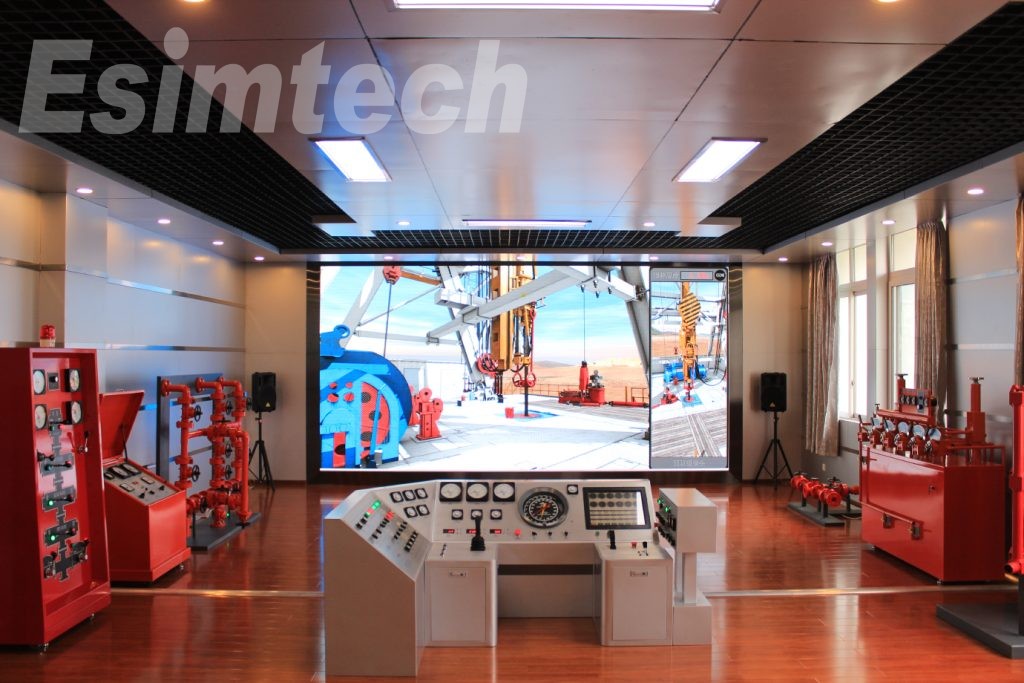
3. Training and Skill Development
Virtual drilling training environments powered by simulation technologies allow crews to practice MPD operations in a risk-free setting. These simulations replicate real-world conditions, enabling personnel to:Gain experience in managing pressure fluctuations.
Enhance decision-making skills under simulated well control scenarios.
Improve team coordination in high-pressure situations.
4. Real-Time Monitoring and Decision Support
Real-time drilling simulators are equipped with advanced sensors providing continuous updates on wellbore conditions. This allows operators to:
Compare actual well data with simulated models to identify deviations.
Implement corrective actions proactively to maintain well stability.
Optimize the use of drilling fluids and pressure control equipment.
5. Post-Operation Analysis and Optimization
After drilling operations, simulation tools analyze data to evaluate the performance of the MPD strategy. Insights from these analyses are used to:
Identify areas for improvement.
Refine models for future operations.
Reduce costs and enhance safety in subsequent projects.
Conclusion
Managed Pressure Drilling represents a paradigm shift in drilling technology, enabling operators to overcome complex challenges with precision and confidence. By offering unmatched control over wellbore pressures, MPD not only enhances operational efficiency but also ensures the safety and sustainability of oil and gas exploration.
Simulation technologies have become indispensable in optimizing Managed Pressure Drilling operations. By enabling precise planning, dynamic monitoring, and effective decision-making, these tools enhance safety, efficiency, and profitability.