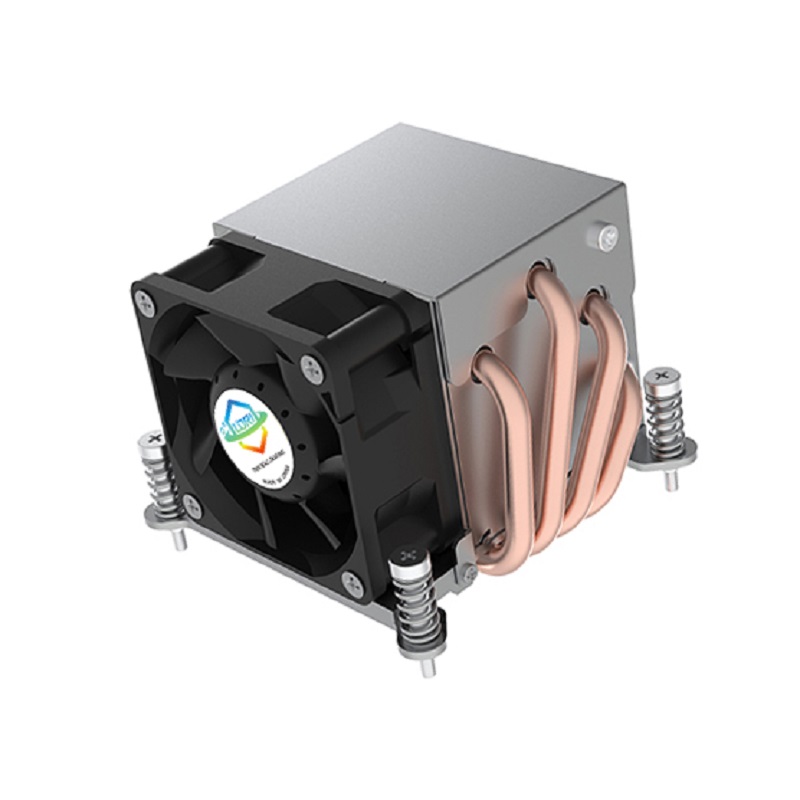
12 points flange bolts are specialized fasteners designed to deliver superior strength, precise torque control, and enhanced clamping efficiency in demanding industrial applications. Recognized for their unique head design and integrated flange, these bolts are widely used in the aerospace, automotive, energy, and heavy machinery sectors where reliability and performance are critical.
Design and Structure
A 12 points flange bolt, also known as a double hex bolt, features a head with twelve equally spaced points that resemble a star-shaped pattern. This design allows for engagement with a 12-point socket or wrench, providing a tighter grip and better torque distribution than standard hex bolts. The integrated flange acts as a washer, distributing the load evenly over the contact surface and preventing damage to connected materials.

Material Composition
12 points flange bolts are typically manufactured from high-strength materials such as alloy steel, stainless steel, or titanium. Depending on the application, they may also be heat-treated or surface-coated with zinc, black oxide, or cadmium for added corrosion resistance and durability.
Key Features
High Torque Transmission – The 12-point design enables secure engagement with tools, allowing higher torque application without rounding off the bolt head.
Integrated Flange Base – The flange eliminates the need for separate washers, simplifying installation and providing better load distribution.
Precision Fit – Designed for close tolerances, ensuring alignment accuracy in high-performance assemblies.
Enhanced Strength – Made from hardened materials that can withstand extreme mechanical stress and vibration.
Corrosion Protection – Surface treatments help resist oxidation and wear in harsh operating environments.
Advantages of 12 Points Flange Bolts
Compared to conventional hexagon bolts, 12 points flange bolts offer several advantages. The multi-point head allows for use in confined spaces where tool clearance is limited. The design ensures even pressure distribution, minimizing the risk of loosening under vibration. Additionally, the aesthetic finish and precise machining make them ideal for high-performance equipment where both functionality and appearance matter.

Common Applications
Aerospace Industry – Used in aircraft engines and structural assemblies where strength-to-weight ratio and reliability are paramount.
Automotive Engineering – Commonly applied in engines, transmissions, and suspension systems that require tight tolerances and high clamping force.
Heavy Equipment – Suitable for hydraulic systems, compressors, and turbines exposed to high pressure and temperature variations.
Oil and Gas Sector – Used in pipeline flanges, pressure vessels, and offshore platforms due to their resistance to corrosion and vibration.
Power Generation – Applied in turbines, generators, and high-load machinery components for secure fastening under dynamic loads.

Installation Considerations
When installing 12 points flange bolts, proper torque settings must be followed to achieve optimal clamping force. Using calibrated torque wrenches ensures accuracy and prevents over-tightening, which could lead to bolt fatigue or joint failure. Additionally, pairing these bolts with compatible high-strength nuts ensures reliable performance under heavy mechanical loads.
Summary
12 points flange bolts represent a blend of engineering precision, durability, and efficiency. Their unique head design, combined with robust materials and corrosion resistance, makes them indispensable in modern industrial and mechanical systems. Whether in aerospace, automotive, or energy industries, these bolts deliver the strength and reliability necessary for high-stress environments where safety and performance cannot be compromised.
Die casting is a metal casting process characterized by the use of a mold cavity to apply high pressure to melted metal. Molds are usually machined with higher strength alloys, in a process somewhat similar to injection molding. Most die casting castings are iron-free, such as zinc, copper, aluminum, magnesium, lead, tin, and lead-tin alloys and their alloys. Depending on the type of die casting, either a cold chamber die casting machine or a hot chamber die casting machine is required.
The cost of casting equipment and molds is high, so the die casting process is generally only used to mass-produce a large number of products. It is relatively easy to manufacture die-cast parts, which generally requires only four major steps and a low individual cost increment. Die casting is particularly suitable for manufacturing a large number of small and medium-sized castings, so die casting is one of the most widely used in various casting processes. Compared to other casting technologies, die casting has a flatter surface and a higher dimensional consistency.
On the basis of the traditional die casting process, several improved processes have been born, including the non-porous die casting process to reduce the casting defect exclusion porosity. Mainly used for processing zinc, which can reduce waste and increase the yield of direct injection process. There are also new die-casting processes such as precision and close die-casting technology and semi-solid die-casting invented by Lori.
The quality of bolts used in vehicle assembly significantly impacts the safety and reliability of the entire process. Selecting the right bolts is a crucial decision that involves considering various principles to ensure optimal performance. This article outlines key principles for bolt selection, the significance of surface treatment, and methods to prevent loosening of bolt threaded connections.

Principles for Bolt Selection
Priority Principle
Bolt selection is categorized into four priority levels. Whenever possible, opt for standard parts currently in production and use as long as they meet design requirements.
Generalization Principle
Minimize the introduction of new type bolts during early design stages. Particularly in the chassis section, reduce bolt variety and specifications to enhance assembly efficiency, minimize operator error, and streamline processes.
Principle of Reliability
Prioritize bolts that exhibit stability and dependability under normal working conditions, especially in critical areas like braking, suspension, and steering systems.
a. Loosening: Selected bolts should not loosen during reverse torque or fail in torque decay tests.
b. Hydrogen Embrittlement: Prevent hydrogen embrittlement-induced cracks that result from stress concentration.
c. Fatigue: Bolts must resist fatigue-induced failure.
d. Excessive Torque: Avoid selecting bolts prone to overtightening.
Application and Conservation Principles
Optimize standard part performance by selecting appropriate sizes and specifications that fulfill design functions and uphold product quality.
Selection of Bolt Head Structure
For bolts M10 and above:
Hexagonal flange surface with flat washer
Hexagonal flange surface
Hexagonal head with flat washer
Avoid using spring washers.
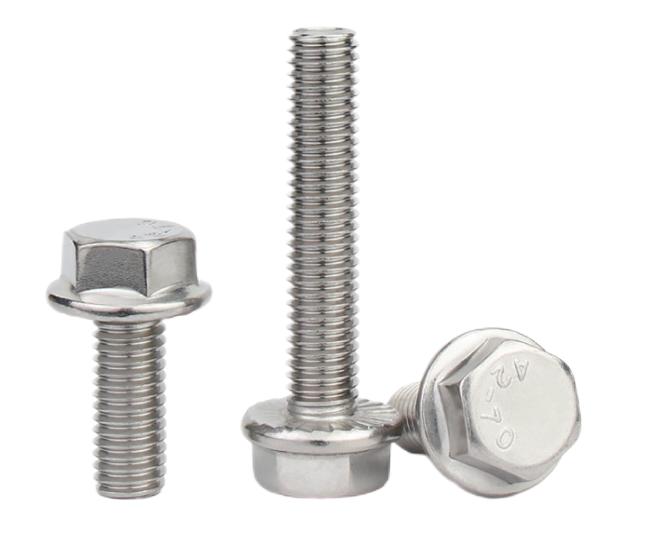
For bolts M6-M8:
Hexagonal head with flat washer and spring washer
Hexagonal flange surface
Hexagonal head with flat washer
Surface Treatment Selection for Bolts
Oil Coating for Rust Prevention
Ideal for welding bolts, nuts, and screws, oiling prevents rusting.
Electroplating
Suitable for welding studs, screws, bolts with a performance grade ≤8.8, grade 8 nuts, cap nuts, and wheel nuts.
Dacromet Coating
Use for bolts ≥8.8 performance grade and grade 8 nuts. Zinc-aluminum-chromium coating for non-passenger vehicles, and zinc-aluminum coating for environmental protection and passenger vehicles.
Anti-Loosening Methods for Threaded Connections
Riveting and Anti-Loosening
Incorporate methods like riveting or welding.
Friction Anti-Loosening
Options include double nuts, spring washers, lock nuts, and toothed lock washers.

Mechanical Anti-Loosening
Utilize methods like cotter pins, slotted nuts, lock washers, and tandem wire.
Thread Adhesive Anti-Loosening
Apply epoxy resin or anaerobic adhesive to the thread surface to increase loosening torque.
Anti-Drop Screw
Typically used for door locks.
Conclusion
Bolt selection is a critical aspect of vehicle assembly. This article serves as a concise guide to aid in choosing appropriate bolts for vehicle assembly. As manufacturing technology advances, the future of bolt development will undoubtedly focus on high-strength variants to meet evolving industry requirements.
LORI announced three LGA3647-4U-A31, LGA3647-4U-A32 and LGA3647-A35 4U quiet lga3647 cooler designed for the Intel LGA3647 platform as well as Intel scalable and Xlon melt core processors.

Applicable to Intel LGA3647 LGA3647-4U-A31, LGA3647-4U-A32 and LGA3647-4U-A36 4U quiet CPU coolers are based on sizes of 140 mm, 120 mm and 92 mm respectively. Covers everything from high-performance workstations to compact 4U servers. LORI's high-quality fans make them unusually quiet, ideal for use in noise-sensitive environments.

Lori has introduced three lga 3647 cpu coolers for the Intel LGA3647 platform. These new intel tower lga 3647coolers are dedicated solutions for the Intel LGA3647 platform and are ideal for scalable Xeon cpus based on skylake-SP and Xeon-Phi architectures. Its contact surface with the processor is 70×56 mm, more than double that of the standard model to ensure optimal cooling in these large processors. This custom design allows for optimal heat flow from the CPU to the aluminum cpu cooler of the heat pipe and heat sink.

Lori LGA3647-A35 4u cpu cooler is small and ideal for 4U rack-mounted servers that need to run quietly. The 12cm and 9cm models use a dual fan configuration to ensure excellent lga3647 cpu cooler performance despite a smaller size and surface area. They come with pre-coated thermal adhesive to ensure optimum joint line thickness and save installation time. Your SecuFirm2 mounting system includes two sets of brackets for supporting square and narrow LGA3647 sockets.
If you are interested in purchasing a new CPU cooler for your new Intel CPU using the LGA 1700 socket, then you should consider the following LGA 1700 cpu coolers.
The following are the LGA 1700 CPU coolers that we can recommend for Intel CPUs with LGA 1700 socket:
1. Lori LGA1700-A36-1 CPU cooler
The Lori LGA1700-A36-1 is a classic when it comes to custom PC builds and is a tried and tested CPU cooler that many enthusiasts can vouch for. This is a pretty beefy cpu cooler and should work fine with even the top-of-the-line Intel CPUs provided that you are not going to do any extreme overclocking.
The Lori LGA1700-A36-1 cpu cooler with 6 pcs 8mm heat pipes and a nickel-plated base. The fin design allows you to install RAM on either side. The LGA 1700 CPU cooler should blend in well with the rest of your build.
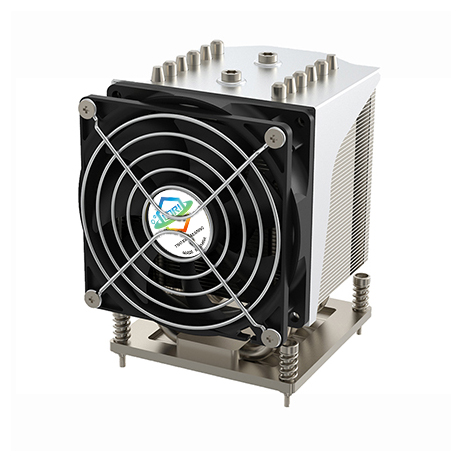
2. Lori LGA1700-A79 cooler
The Lori LGA1700-A79 cooler fills the gap between low profile cpu coolers and the really beefy dual tower cpu cooler models. Although the design is small and affordable, it comes with 5 heat pipes and a big aluminum base plate.
This is a small tower design cpu cooler with a 92mm fan. Even though this is a smaller CPU cooler it still competes well withthe larger cpu coolers that come with 120mm fans. The lga1700 cooler is 125.8 mm high and is meant for the smaller PC builds.
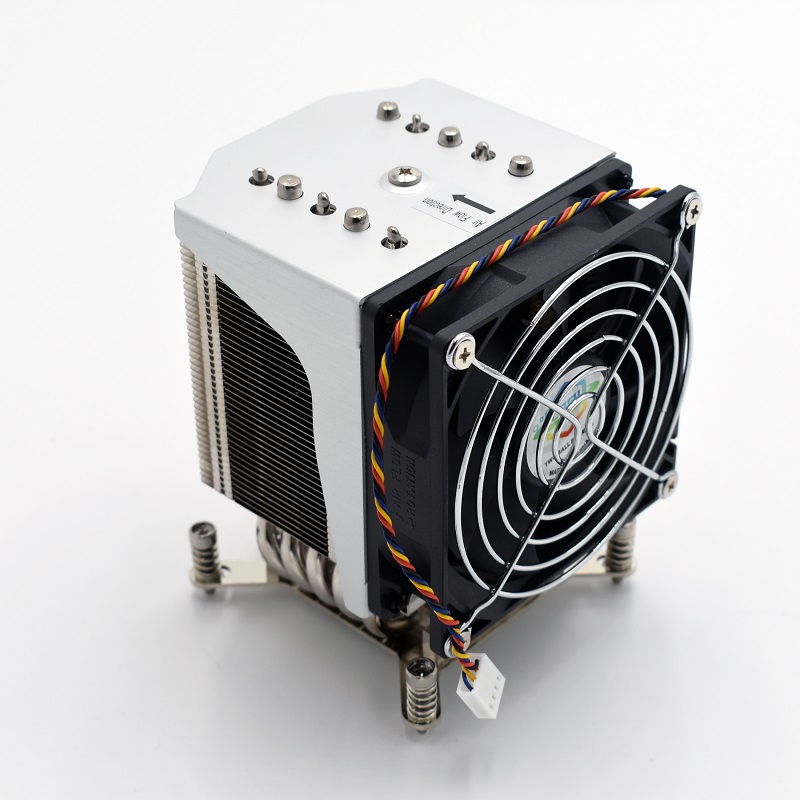
3. Lori LGA1700-A43 socket cooler (Best Small Form Cpu Cooler)
The Lori LGA1700-A43 is a thin and light CPU cooler that has a low profile and is aimed for small form factor PC builds. The high is just 67 mm and the weight is 306 grams with the fan installed. It has a single 120mm fan that can ramp up to 8000 RPM. There are rubber pads on the sides in order to reduce vibration and noise.