
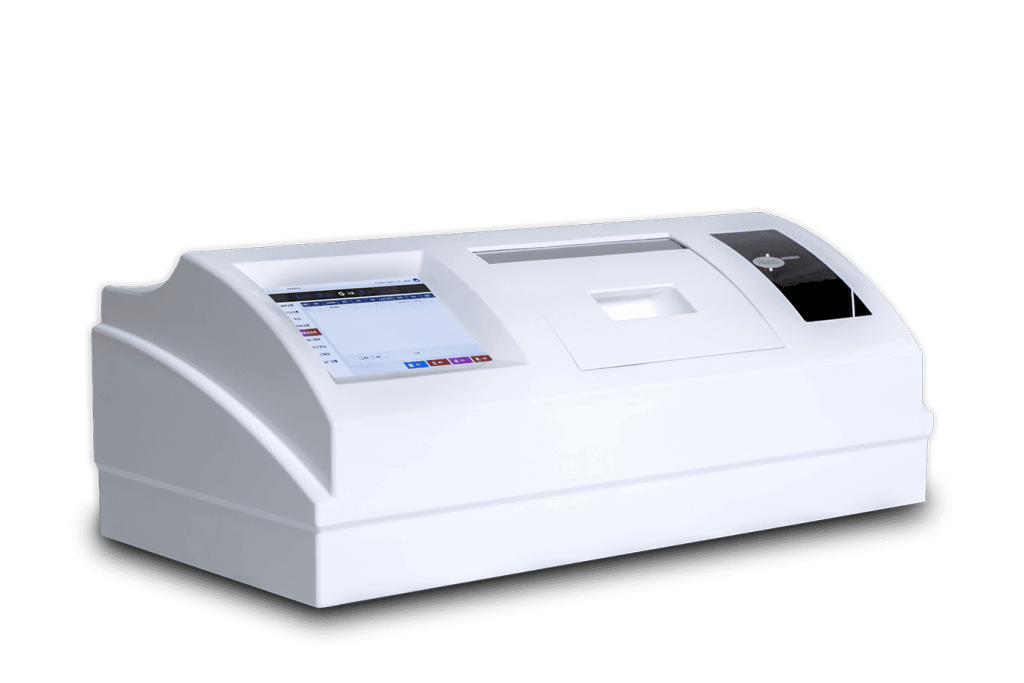
Automatic polarimeters are indispensable tools for measuring optical rotation, a property exhibited by chiral compounds. Chirality refers to molecules that are non-superimposable mirror images of each other. These instruments are widely used in various industries, including pharmaceuticals, food and beverage, and chemical analysis.

How Automatic Polarimeters Work
The working principle of automatic polarimeters revolves around the interaction of polarized light with chiral substances. A monochromatic light source generates a polarized light beam, which is then passed through a sample chamber containing the chiral compound. As the polarized light interacts with the sample, its plane of polarization rotates. This rotation is measured by an analyzer and converted into specific optical rotation values.
Key Components and Functions
Light source: Generates a polarized light beam.
Polarizer: Converts unpolarized light into polarized light.
Sample chamber: Holds the chiral sample.
Analyzer: Measures the rotation of the plane of polarization.
Detector: Detects the intensity of the transmitted light.
Data analysis: Calculates specific optical rotation values based on the measured rotation.
Applications of Automatic Polarimeters
Pharmaceutical Industry: Used to determine the purity and concentration of chiral compounds in pharmaceutical formulations.
Food and Beverage Industry: Analyzes sugars, sweeteners, and other chiral substances in food products.
Chemical Analysis: Studies the composition and behavior of chiral molecules in organic synthesis and stereochemistry.
Advantages of Automatic Polarimeters
High precision: Delivers accurate and reliable measurements.
Time efficiency: Automation speeds up the measurement process.
Ease of use: User-friendly interface for operators of all levels.
Data management: Facilitates record-keeping and analysis.
Conclusion
Automatic polarimeters are essential tools for analytical science, offering precise and efficient measurements of optical rotation. Their applications extend across various industries, contributing to product quality, research advancements, and a deeper understanding of chiral compounds. As technology continues to evolve, automatic polarimeters are likely to play an even more pivotal role in the future of analytical chemistry.
Polarimetry, a valuable analytical technique, measures the optical rotation of polarized light to provide insights into a substance's chemical composition, concentration, and structure. Various types of polarimeters exist, each tailored to specific applications and requirements. This article explores these different types, their significance, and key factors to consider when selecting the most suitable polarimeter.
Types of Polarimeters
Simple Polarimeters: These are basic polarimeters often used in educational settings and introductory experiments. They typically consist of a polarizer, a sample tube, and an analyzer.
Manual Polarimeters: More advanced than simple polarimeters, manual instruments require manual adjustment of the polarizer and analyzer angles for precise measurements.
Automatic Polarimeters: Utilizing advanced technology, these instruments automate the polarizer and analyzer positioning, enhancing accuracy and reducing human error.
Digital Polarimeters: Combining automation with digital data acquisition and processing, digital polarimeters offer quick, consistent results and are ideal for applications requiring precision and repeatability.
In-line and Process Polarimeters: Designed for continuous monitoring in industrial settings, these polarimeters are integrated into production processes for real-time data on substance optical properties.
Multi-Wavelength Polarimeters: For substances exhibiting varying optical rotations at different wavelengths, these polarimeters enable measurements across multiple wavelengths, enhancing analysis specificity.
Ellipsometry: While not a polarimeter per se, ellipsometry measures changes in the polarization state of reflected light, providing complementary information to polarimetric data.

Key Factors for Polarimeter Selection
Application and Purpose: Determine the specific application and goals of using the polarimeter.
Accuracy and Precision: Consider the required level of precision and accuracy for measurements.
Sample Characteristics: Evaluate the nature of the samples to be analyzed, including their optical properties.
Throughput and Speed: Assess the necessary throughput and speed for measurements.
Ease of Use: Consider the user-friendliness of the polarimeter, especially for those with varying levels of expertise.
Data Handling and Analysis: Evaluate the polarimeter's capabilities for data storage, processing, and analysis.
Cost Considerations: Balance the required capabilities with the available budget.
Environmental Conditions: Consider the operating environment of the polarimeter, including temperature, humidity, and other factors.
Calibration and Maintenance: Assess the frequency and ease of calibration and maintenance.
Future Expandability: Consider potential future needs and the polarimeter's ability to accommodate them.
By carefully considering these factors, you can select the most appropriate polarimeter for your specific application and ensure reliable, accurate measurements.
Polarimetry, a technique that measures the rotation of polarized light, plays a crucial role across various industries, including chemistry, pharmaceuticals, and food and beverage. Polarimeters are essential for determining the concentration, purity, and specific rotation of optically active substances. This article explores the practical applications of polarimeters and their significance in ensuring precision and accuracy across different fields.
Understanding the Basics of a Polarimeter
A polarimeter is an instrument that measures the rotation of plane-polarized light as it passes through an optically active substance, which can be in liquid, solid, or solution form. The degree of rotation depends on the concentration of the optically active compound and the length of the sample tube. The specific rotation, a critical parameter obtained through polarimetry, acts as a unique identifier for substances and is vital in numerous analytical processes.
Key Components of a Polarimeter
Polarizer: The polarizer generates plane-polarized light by allowing only light waves oscillating in a specific plane to pass through, creating a uniformly polarized beam.
Sample Tube or Cell: This clear container holds the substance being analyzed. The tube’s length and the substance’s concentration influence the degree of light rotation.
Analyzer: Positioned after the sample tube, the analyzer is another polarizing element that can be rotated to detect changes in the light's orientation caused by the optically active substance.
Light Source: A stable light source, typically a sodium lamp, produces the light beam that passes through the polarizer, sample, and analyzer. The wavelength is usually standardized for consistent measurements.
Readout Scale: The polarimeter includes a readout scale or digital display to indicate the angle of the analyzer’s rotation, which is then used to calculate the specific rotation of the sample.
Wide Practical Applications of a Polarimeter
Applications in Chemistry
Chiral Molecule Analysis: Polarimeters are crucial for studying chiral molecules with optical activity, particularly in the pharmaceutical industry, where the purity and concentration of chiral compounds affect drug efficacy.
Quality Control in Chemical Manufacturing: Polarimeters provide real-time data on chemical solution composition, ensuring that products meet strict quality standards.
Applications in Pharmaceuticals
Drug Development and Formulation: Polarimetry assists in accurately formulating drugs with specific concentrations of active ingredients, vital for the efficacy and safety of pharmaceutical products.
Quality Assurance in Pharmaceutical Production: Polarimeters verify the purity of raw materials and monitor the consistency of final products during the quality assurance process.
Applications in the Food and Beverage Industry
Sugar Content Determination: Polarimeters are widely used to measure sugar content, especially in the production of beverages, jams, and confectionery, ensuring consistent sweetness and product quality.
Quality Control in the Brewing Industry: Polarimetry monitors sugar concentration during fermentation, ensuring the production of high-quality beverages.
Applications in Instrumentation and Technology
Automatic and Digital Polarimeters: Modern automatic polarimeters feature automation and digital enhancements for more efficient and accurate measurements, improving usability and reliability.
Temperature Control Systems: Many polarimeters include temperature control systems, crucial for accurate and reproducible measurements across varying temperatures.
Educational and Research Use
Polarimeters are invaluable in educational settings and research laboratories, where they help students and researchers understand optical activity and conduct experiments that drive scientific advancements.
Conclusion
Polarimeters are indispensable tools in ensuring accuracy, quality, and efficiency across various industries. From pharmaceutical research to food and beverage quality control, these instruments continue to be essential for professionals and researchers dedicated to precision and reliability.
Various devices play an important role in measuring and quantifying features of substances in scientific analysis. A polarimeter is one such piece of equipment, widely used in the fields of optics and chemistry. It allows scientists and researchers to explore how light interacts with optically active compounds. This article provides a a comprehensive overview of polarimeters, including their definition, function, significance, and what they measure.
What is a Polarimeter?
A polarimeter is a device that measures the optical rotation of a substance. Optical rotation is the rotation of the plane of linearly polarized light as it passes through specific materials. These materials, known as optically active substances, have the ability to rotate the polarization plane of light due to their asymmetric molecular structures.
How Does a Polarimeter Work?
A polarimeter typically consists of a light source, polarizer, sample cell, analyzer, and detector. The device operates on the principle of optical rotation and utilizes polarized light to measure this phenomenon.
Light Source: The device emits light that is first filtered by a polarizer, which polarizes the light waves in a specific plane.
Sample Cell: The linearly polarized light then passes through a sample cell containing the optically active substance. As light interacts with the substance, its polarization plane rotates by an angle proportional to the substance's concentration and composition.
Analyzer: The rotated light is then passed through an analyzer set perpendicular to the initial polarization plane. The analyzer selectively transmits light based on its polarization direction.
Detector: The amount of transmitted light is detected by a photodetector, which converts it into an electrical signal. This signal is proportional to the degree of rotation caused by the optically active substance. The quantified signal can be used to determine several properties of the substance under investigation, such as concentration, purity, and specific rotation.
What Does a Polarimeter Measure?
An automatic polarimeter measures a substance’s optical rotation. When light interacts with optically active substances, such as chiral molecules or asymmetric chemical structures, the light’s polarization plane rotates by a certain angle. This rotation angle is quantified by the polarimeter, providing information about the substance under investigation. The measurement is commonly expressed in terms of specific rotation, which reflects the rotation angle in degrees per unit length or concentration of the material.
By measuring optical rotation, an automatic polarimeter can determine the concentration, purity, and specific rotation values of optically active substances. This capability is particularly useful for differentiating enantiomers (mirror-image isomers) and determining the chirality of compounds. Specific rotation values obtained through polarimetry are crucial in chemical analysis, pharmaceutical development, quality control, and research in fields such as organic chemistry, biochemistry, and material science.
The Importance of Polarimeters
Polarimeters provide vital information on the optical properties and features of substances. Here are some crucial points that emphasize the importance of a polarimeter:
Analysis of Optically Active Compounds
Polarimeters are widely employed to investigate optically active substances. These compounds interact with polarized light and cause the plane of polarization to rotate. By measuring the degree of rotation, scientists can identify, quantify, and analyze these substances, providing information about their chemical composition, purity, concentration, and structure.
Chirality and Enantiomer Differentiation
Polarimeters are essential in the study of chirality, a property of asymmetry in molecules. Enantiomers are the mirror-image counterparts of chiral compounds. Except for their interaction with polarized light, these enantiomers have identical physical properties. Polarimetry allows scientists to differentiate between enantiomers by measuring their optical rotations. This information is critical in pharmacological research, as enantiomers can have different biological activities and therapeutic effects.
Purity Assessment
An automatic polarimeter is commonly used to analyze the purity of substances in industries such as pharmaceuticals, food and beverages, and chemicals. Optically active impurities or contaminants can influence a sample’s optical rotation. Polarimeters help determine the purity of a substance by identifying the presence and concentration of impurities through specific rotation measurements.
Quality Control
Polarimeters are critical tools in quality assurance operations. In pharmaceutical manufacturing, polarimetry ensures the quality and uniformity of chiral medicines. By monitoring specific rotation, pharmaceutical companies can verify that produced medications meet regulatory standards, have the appropriate optical properties, and are consistent from batch to batch.
Research and Development
Polarimeters are used in various scientific fields for research and development. They allow scientists to study the behavior of light in different materials, investigate light-molecule interactions, and explore the optical properties of novel compounds. Polarimetry contributes to advancements in organic chemistry, biochemistry, material science, and optical physics.
Summary
Polarimeters are essential tools in optics and chemistry, providing crucial insights into the behavior of optically active compounds. By measuring optical rotation, polarimeters offer valuable information about a compound’s structure, purity, and concentration. Their applications span multiple sectors, playing a significant role in chemical analysis, pharmaceutical development, and quality control. Polarimeters, through their precise measurements, enhance scientific understanding and ensure the integrity of various substances in research and industry.
Polarimetry, a technique measuring the rotation of polarized light passing through a sample, finds applications across diverse industries. This article delves into the principles governing polarimetry, its widespread applications, and the dynamic trends shaping the industry.

Principles of Polarimetry:
Polarimetry operates on optical principles and the interaction between light and matter. A typical polarimeter comprises a light source, polarizer, sample holder, and analyzer. The polarizer and analyzer, perpendicular to each other, sandwich the sample. As polarized light traverses the sample, its plane of polarization undergoes rotation, the extent of which is proportional to the substance concentration and sample holder length.
Applications of Polarimetry:
Polarimetry serves various purposes across different fields:
Chemical Analysis and Quality Control:
Measures optical rotation of chiral molecules for pharmaceutical and agrochemical development.
Determines enantiomeric purity crucial for product quality.
Pharmaceutical Industry:
Assesses optical rotation of drug molecules for quality control.
Measures enantiomeric purity, vital for chiral drug development.
Sugar Industry:
Measures sugar content in fruit juices for quality control and desired sweetness.
Food and Beverage Industry:
Conducts quality control and authenticity testing for products like honey, wine, and fruit juices.
Identifies adulteration or dilution with water.
Biomedical Research:
Studies biomolecule structure and properties, aiding drug discovery.
Examines protein folding and conformational changes for understanding functionality.
Tips for Using a Polarimeter:
To ensure accurate results, follow these tips:
Regular calibration for precision.
Careful sample preparation to eliminate impurities.
Diligent data analysis, considering factors like solvent effects and instrument drift.
Polarimetry and the Industry Trends:
Industry trends in polarimetry include:
Advances in Technology:
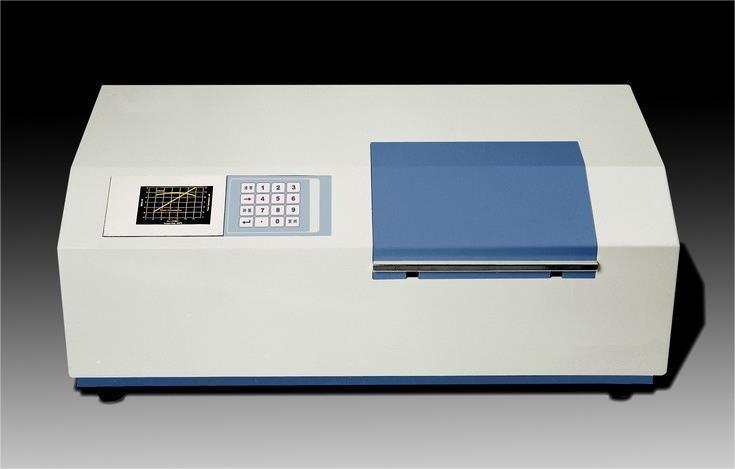
Ongoing advancements in automation and miniaturization enhance speed and ease of measurements.
Development of sophisticated polarimeters with heightened sensitivity and precision.
High-Throughput Screening:
Rising demand for high-throughput screening leads to polarimeters measuring multiple samples simultaneously.
Accelerates analysis and enhances laboratory efficiency.
Sustainability:
Growing emphasis on sustainability in chemical and pharmaceutical industries.
Polarimetry contributes by reducing reliance on costly and environmentally harmful separation techniques.
Measurement of enantiomeric purity aids waste reduction and process efficiency.
Automation and Data Analysis:
Increasing importance of automation and data analysis in polarimetry.
Automated sample handling boosts throughput and minimizes human error.
Advanced data analysis tools offer more accurate and reliable results.
Conclusion:
Polarimetry stands as a robust analytical technique with widespread applications. By adhering to best practices and staying abreast of evolving trends and technologies, researchers and industry professionals can unlock the full potential of polarimetry, contributing to advancements in various sectors.