
In laboratories and industrial environments, the muffle furnace stands as a stalwart tool for high-temperature applications. Whether it's heat-treating materials, conducting material testing, or executing ashing experiments, understanding the correct operation of a muffle furnace is paramount. This guide provides an in-depth walkthrough of utilizing a muffle furnace effectively, covering everything from setup procedures to temperature control and sample handling. By adhering to these steps, you can optimize the efficiency and safety of your experiments while ensuring precise and consistent results.
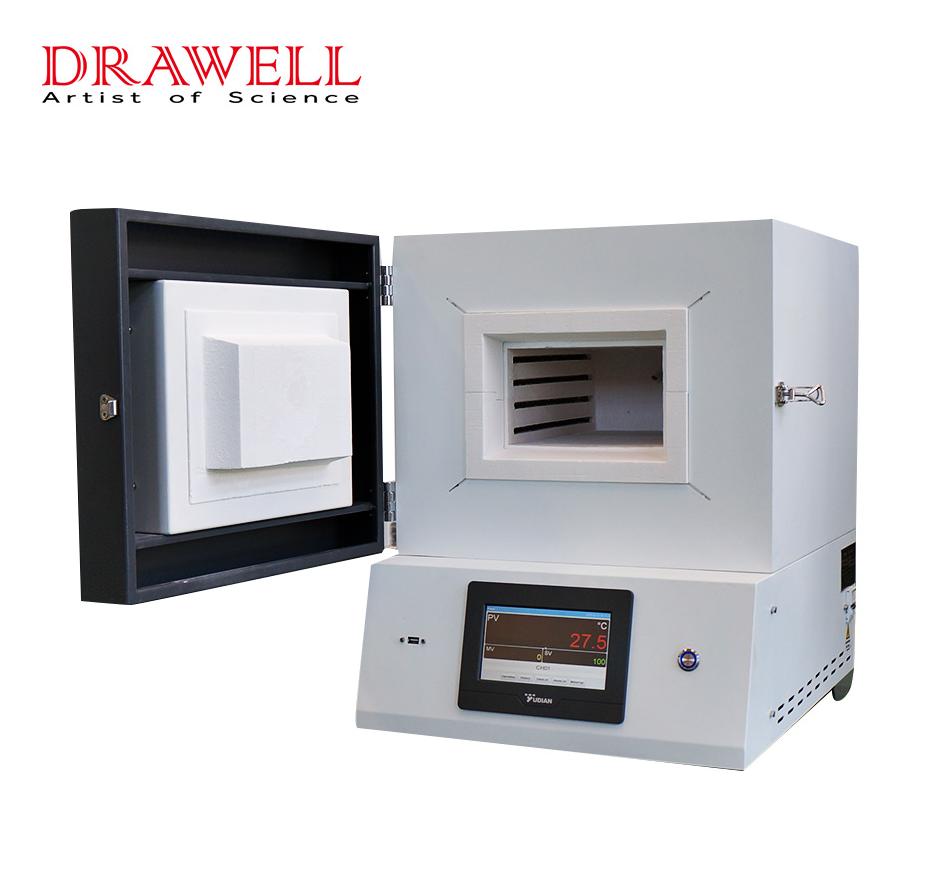
1. Safety Precautions:
Prioritize safety by donning appropriate personal protective equipment (PPE) such as heat-resistant gloves, goggles, and a lab coat.
Ensure the workspace is devoid of flammable materials and adequately ventilated.
Familiarize yourself with emergency shutdown procedures and the location of fire safety equipment.
2. Furnace Preparation:
Verify the power supply's integrity and ensure proper grounding.
Clean the muffle chamber meticulously, removing any debris or remnants of previous samples.
Confirm the secure insertion and closure of the muffle, the heating chamber, within the furnace.
3. Temperature Settings:
Refer to the operating manual specific to your muffle furnace model to comprehend its temperature control system intricacies.
Utilize temperature control knobs or digital displays to establish the desired temperature for your experiment.
Take note of any prescribed heating rates or ramping instructions pertinent to your application.
4. Sample Loading:
Prepare your sample meticulously in accordance with the experiment's specific requirements.
Employ suitable crucibles or containers capable of withstanding high temperatures.
Ensure precise positioning of the sample within the muffle chamber to facilitate accurate heating.
5. Furnace Closure:
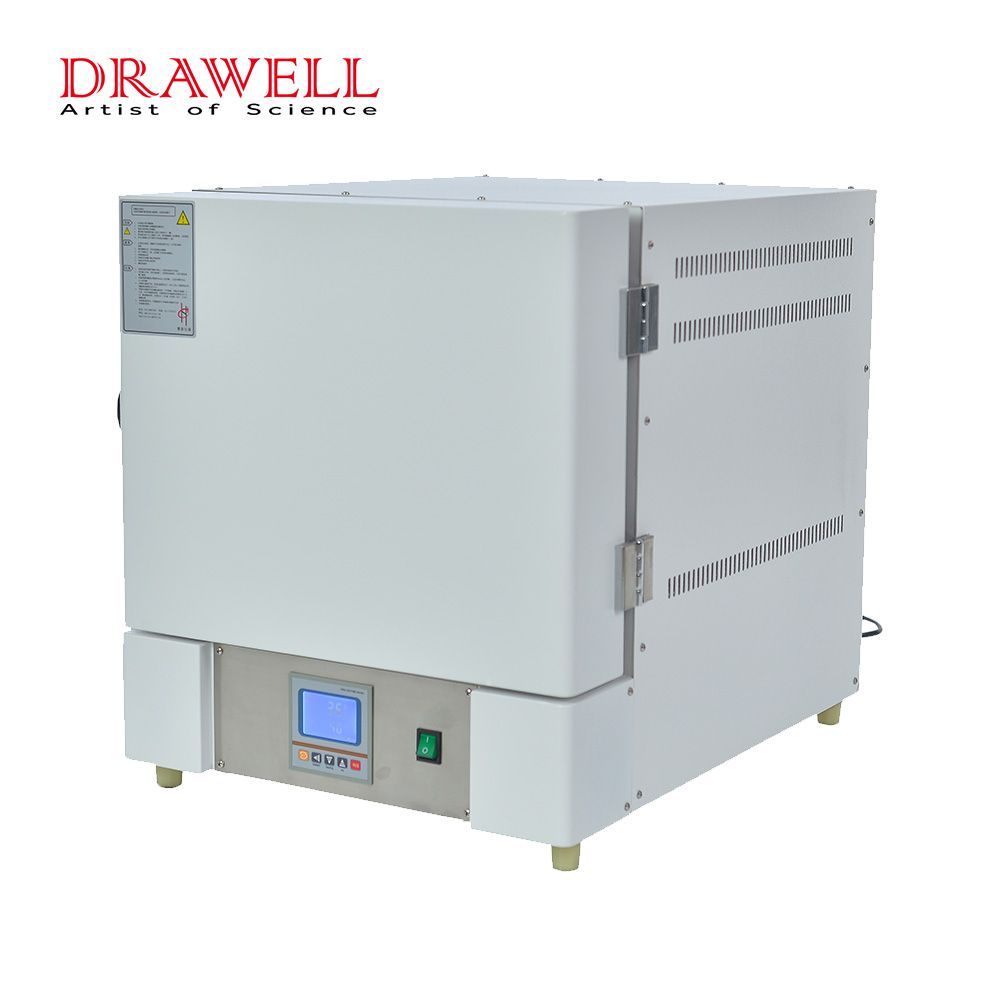
Securely seal the muffle furnace upon loading the sample to prevent any heat loss.
Verify tight sealing of the furnace door to maintain optimal operational conditions.
6. Initiation of Heating Process:
Activate the muffle furnace by following the manufacturer's stipulated instructions upon turning on the power supply.
Witness the commencement of heat generation by the heating elements, initiating the furnace's ascent towards the set temperature.
7. Process Monitoring:
Keep vigilant watch over the temperature display or indicator throughout the heating phase.
Regularly assess the temperature within the muffle chamber to ensure its alignment with the desired parameters.
Exercise restraint in opening the furnace door unnecessarily to forestall heat dissipation and temperature fluctuations.
8. Cooling Down Phase:
Upon completion of the heating cycle, gradually decrease the furnace's temperature in accordance with your experimental prerequisites.
Permit the furnace to cool to a safe level before contemplating opening the door.
9. Sample Retrieval:
With due caution, carefully open the furnace door once the cooling process has sufficiently progressed.
Employ appropriate tools such as tongs or heat-resistant gloves to extract the sample from the muffle chamber, mindful of its potentially elevated temperature.
10. Cleaning and Maintenance:
Following the experiment's conclusion, undertake thorough cleaning of the muffle furnace to eliminate any residue or debris left behind by the sample.
Adhere strictly to the manufacturer's guidelines delineating specific cleaning and maintenance procedures, thus ensuring the durable muffle furnace with long service life.
Conclusion:
In summary, proficiency in utilizing a muffle furnace is indispensable for conducting a myriad of high-temperature applications. By adhering meticulously to the steps outlined in this guide, you can ensure both the safe and efficient operation of your muffle furnace while upholding the integrity of your samples. Always prioritize safety precautions and consult the manufacturer's instructions pertinent to your furnace model. With consistent practice and adherence to proper techniques, you can wield the potency of a muffle furnace with confidence, accomplishing precise heat treatments, material tests, and other thermal processes adeptly.
High-temperature muffle furnaces have become indispensable tools in laboratories, facilitating a wide range of applications. This article aims to provide insights into the crucial considerations when selecting a high-temperature muffle furnace and outlines essential precautions for their safe and efficient use.
Factors to be Considered for Choosing High-Temperature Muffle Furnace
1. Temperature
Selecting the appropriate high-temperature muffle furnaces involves choosing a model with a maximum temperature (Z high temperature) that exceeds the intended operating temperature by 100°C-200°C. This ensures optimal performance and longevity.
2. Size
The furnace size should be determined based on the weight and volume of the sample to be burned. As a general guideline, the furnace volume should be at least three times the total volume of the sample to ensure uniform heating.
3. Power Supply Voltage
Before purchasing, confirm whether the muffle furnace operates on 380V or 220V to prevent any compatibility issues.
4. Price
Consider the price of the furnace in relation to your budget, ensuring that it aligns with the required specifications and quality standards. Value for money should be balanced with meeting application needs.
5. Furnace Material
Choose between fiber and refractory brick materials. Fiber materials offer lightness, soft texture, and good insulation, while refractory brick materials are heavier with a hard texture but provide general insulation.
6. Heating Element
Select the heating element based on sample burning requirements: resistance wire for temperatures below 1200°C, silicon carbide rod for 1300°C-1400°C, and silicon molybdenum rod for 1400°C-1700°C.
Precautions for the Use of High-Temperature Muffle Furnace
1. Initial Drying
When starting to use or after a long shutdown, dry the furnace at 200°C to 200°C for four hours. Avoid exceeding the rated temperature during use to prevent damage to the electric heating element.
2. Operating Environment
Ensure the muffle furnace and furnace controller work in environments with humidity below 85% and without conductive dust, explosive gas, or corrosive gas. Sealing containers during heating prevents damage to electric heating elements.
3. Heating Element Lifespan
The heating element’s lifespan depends on its oxide layer. Avoid shutdowns immediately after startup to prevent damage to the oxide layer.
4. Controller Usage Limits
Limit the use of the furnace controller within the ambient temperature range of 0°C-40°C. Avoid sudden thermocouple removal at high temperatures to prevent jacket explosions.
5. Safety and Heat Dissipation
Keep the muffle furnace away from inflammable materials, and ensure proper heat dissipation. Frequent monitoring is essential to prevent accidents caused by control failures.
6. Post-Use Cooling
After use, cut off the power supply, let the furnace cool naturally, and avoid opening the furnace door until the temperature drops below 200°C.
7. Regular Maintenance
Regularly check the wiring and controller, ensuring they are in good condition. Calibrate the instrument to account for potential errors caused by various factors.

In conclusion, selecting the right high-temperature muffle furnace is crucial for achieving accurate and repeatable results. Following these guidelines and precautions ensures not only optimal performance but also safety in laboratory environments. High-temperature muffle furnaces, when chosen and operated correctly, prove to be valuable assets across various scientific and industrial applications.
Muffle furnaces, known for their high-temperature heating capabilities, are indispensable tools in laboratories, catering to a wide range of applications. However, it's essential to use these furnaces correctly to prevent harm and ensure the safety of both operators and equipment. This article provides valuable insights into the structure, operation, and precautions associated with muffle furnaces.
Understanding the Structure of Muffle Furnaces
Muffle furnaces are typically box-shaped, designed for heating, heat preservation, and cooling processes. They feature a single door or slot for feeding and discharging materials, making them easy to operate and maintain.
The furnace itself is constructed with a stainless steel plate and includes a heating and hot air circulation chamber. This design allows for improved temperature uniformity within the furnace, making it ideal for a wide range of heat treatment processes.
The separation of the furnace chamber and frame is a notable feature, with the chamber placed on load-bearing rollers at the bottom of the frame. This design enables free movement along the length direction during heating, ensuring even heat distribution.
To prevent hot gas leakage from the furnace, there are two layers of seals at the furnace door. The inner seal consists of a ceramic fiber rope, while the outer seal employs a silicone rubber sealing ring. To extend the seals' lifespan, a stainless steel cooling water jacket is integrated into the furnace door seal for cooling. The door lock mechanism features a multi-point handwheel rotation locking system, providing uniform locking around the door. Additionally, a furnace door fixing device is installed on the furnace chamber's end face, utilizing a movable double-hinge mechanism to move seamlessly with the furnace's extension, thereby enhancing the sealing effect.
How to Operate a Muffle Furnace
Initial Inspection:
When your muffle furnace arrives, conduct a thorough inspection to check for any damage and ensure all accessories are present. The furnace typically requires no special installation and can be placed on a flat, stable surface. Keep the controller away from vibration and avoid placing it too close to the furnace to prevent overheating of internal components. Thermocouple Placement:
Insert a thermocouple into the furnace, ensuring it extends 20-50mm into the chamber. Fill any gap around the hole with asbestos rope. Ideally, use a compensation wire to connect the thermocouple to the controller, taking care to observe the correct polarity.
Safety Precautions:
Install a power switch at the power line's inlet to control the main power supply. Proper grounding of the electric furnace and controller is crucial for safe operation. Temperature Indicator Calibration:
Before use, calibrate the thermometer indicator to zero. If using a compensating wire and cold end compensator, adjust the mechanical zero point to match the cold end compensator's reference temperature. Without a compensating wire, adjust the mechanical zero point to the zero scale, noting that the indicated temperature represents the temperature difference between the measuring point and the thermocouple's cold end. Initial Heating:
After confirming the correct wiring and calibration, cover the controller housing. Adjust the temperature indicator's setting pointer to the desired operating temperature, and then power on the furnace using the power switch. The green light on the temperature indicator should illuminate, and the relay will start working. The ammeter will display the current, and as the furnace's internal temperature rises, the temperature indicator's pointer will gradually ascend. The green light indicates the temperature is rising, while the red light signifies the furnace is at a constant temperature.
Precautions for Muffle Furnace Operation
Stable Placement:
Always place the muffle furnace on a stable cement platform, with appropriate plugs, sockets, and fuses. Ensure proper grounding to avoid potential hazards. Safe Environment:
The working environment should be free of flammable substances, explosive materials, and corrosive gases. Avoid baking liquid samples like water and oil directly, and refrain from pouring various liquids or molten metals into the furnace to maintain cleanliness. Temperature Limits:
Do not exceed the furnace chamber's maximum temperature, and avoid prolonged operation at the rated temperature. During operation, remain present and vigilant to any temperature fluctuations. If abnormalities occur, immediately disconnect the power and seek professional maintenance. Gentle Handling:
Close the furnace door gently to prevent damage to the furnace components. When handling samples, use a crucible clamp with care to avoid damage to the furnace chamber. Avoid Opening at High Temperatures:
Do not open the furnace door when the temperature exceeds 600°C. Wait for the furnace to naturally cool down before accessing the interior. Safety during Sample Handling:
After an experiment, remove the sample from heating and turn off the power supply. When placing a sample into the muffle furnace, slightly open the furnace door and wait for the sample to cool before carefully securing it to prevent burns.
Prevent Moisture Damage:
When not in use, disconnect the power supply and close the furnace door to prevent moisture from eroding the refractory components.
By following these guidelines and adhering to safety precautions, you can effectively and safely operate a muffle furnace, whether in a laboratory, industrial setting, or any other application requiring high-temperature heating. Proper handling and maintenance will ensure the longevity and reliability of your muffle furnace.