
Rubber fenders play a crucial role in safeguarding ships and marine infrastructure from the harsh impacts that occur during docking and mooring operations. Advancements in design and material engineering have significantly enhanced the performance and durability of these essential components.

What are Rubber Fenders?
Rubber fenders are protective devices designed to absorb the kinetic energy of a vessel during berthing, preventing damage to both the ship and the dock. They are widely used in ports, harbors, and offshore platforms. These fenders are constructed from high-quality rubber, making them resistant to environmental factors such as UV radiation, abrasion, and chemical exposure. The shape and size of rubber fenders can vary to accommodate different vessel sizes, berthing velocities, and angles.
Common Types of Rubber Fenders
Cylindrical Fenders: These versatile fenders are simple in design and offer good energy absorption.
D-Shaped Fenders: Ideal for mounting on docks and ships, D-shaped rubber fenders provide moderate energy absorption and are space-efficient.
Cone Fenders: Known for their high energy absorption and low reaction force, cone fenders are suitable for large vessels and harsh conditions.
Arch Fenders: With a curved design, arch fenders offer excellent durability and resistance to high loads.
Cell Fenders: Highly efficient in energy absorption, cell fenders are often used for large vessels and provide excellent stability.

Key Advancements in Rubber Fender Design
Advanced Material Technology: Modern rubber fenders incorporate high-performance elastomeric compounds that enhance strength, flexibility, and resistance to wear and tear. These materials improve durability and reduce maintenance needs.
Enhanced Energy Absorption: Innovative designs and internal reinforcement techniques optimize energy absorption and load distribution, minimizing deformation and extending the service life of fenders.
Modular and Customizable Designs: Modular fender systems allow for easier maintenance and customization to meet specific vessel types and docking conditions.
Sustainability and Recyclability: The focus on sustainability has led to the development of recyclable and biodegradable materials, reducing the environmental impact of rubber fenders.
Smart Fender Technology: The integration of sensors and smart technology enables real-time monitoring of impact forces, wear levels, and overall performance, facilitating maintenance and improving operational efficiency.
Pneumatic and Hybrid Fenders: Pneumatic and hybrid fenders offer additional flexibility and adaptability, particularly for offshore applications.

Conclusion
The design of rubber fenders has evolved significantly, incorporating advancements in materials, energy absorption, modularity, sustainability, and smart technology. These innovations ensure that marine rubber fenders remain reliable, adaptable, and efficient in protecting vessels and port infrastructure. As technology continues to advance, we can expect even more innovative solutions to enhance the performance and sustainability of these critical components.
As climate change alters the marine landscape, it significantly impacts the design, functionality, and usage of life jackets. This article explores how climate change is influencing marine life jackets and the necessary adaptations to enhance their effectiveness.

1. Changing Ocean Conditions and Life Jacket Design
Climate change has led to more extreme weather events, including stronger storms, rising sea levels, and changing ocean currents. These altered conditions necessitate life jackets that can withstand more intense and unpredictable environments. Traditional life jacket designs may no longer be sufficient in providing the necessary buoyancy and durability in rougher seas.
Increased Buoyancy Requirements: Climate change is affecting water salinity and temperature, impacting life jacket buoyancy. Modern designs incorporate smart foam technology and hybrid buoyancy systems to ensure optimal support in various conditions.
Durability in Extreme Weather: To withstand stronger storms and harsh conditions, life jackets are being made with abrasion-resistant materials and corrosion-resistant components.
2. Adaptation to Rising Sea Levels
Rising sea levels pose a direct challenge to marine safety. Life jackets must be designed to remain effective in environments where they may be submerged for longer periods or used in floodwater scenarios.
Flood-Resistant Designs: Life jackets are being designed to perform well in coastal and inland flood scenarios, incorporating features like rapid inflation mechanisms and better water drainage systems.
Visibility Enhancements: High-visibility colors, reflective materials, and built-in lighting systems are being incorporated to improve visibility in adverse conditions.
3. Integration of Advanced Technology for Enhanced Safety
Climate change has increased the need for life jackets that incorporate advanced technology. These innovations aim to improve rescue operations and ensure individuals are quickly located and recovered in emergencies.
GPS and Communication Systems: GPS trackers and communication devices can send distress signals directly to rescue teams, especially crucial in severe weather conditions.
Temperature Regulation Features: Insulating materials and thermal reactive fabrics help regulate body temperature, protecting the wearer from hypothermia or heat exhaustion.
Smart Sensors and Automation: Integrated sensors and automated features provide real-time data and automated responses in emergency situations.

4. Environmental Considerations in Life Jacket Manufacturing
Climate change has spurred a focus on the environmental impact of life jacket production. There is a growing movement towards using sustainable materials and manufacturing processes.
Eco-Friendly Materials: Biodegradable and recyclable materials are being used to reduce environmental impact.
Sustainable Manufacturing Processes: Companies are adopting greener manufacturing processes to minimize emissions and waste.
As ocean conditions continue to evolve, marine life jackets must adapt to meet the new challenges posed by climate change. By incorporating advanced technology, improving durability, and embracing sustainable practices, the marine industry is working to ensure that life jackets remain an effective and essential tool for survival.
Lifeboats are essential safety devices on ships, designed to ensure the survival of crew members and passengers during emergencies. While safety is of utmost importance, the maritime industry also needs to manage costs effectively. Implementing cost-efficient solutions in marine lifeboats is crucial for upholding safety standards while controlling expenses in the maritime sector.
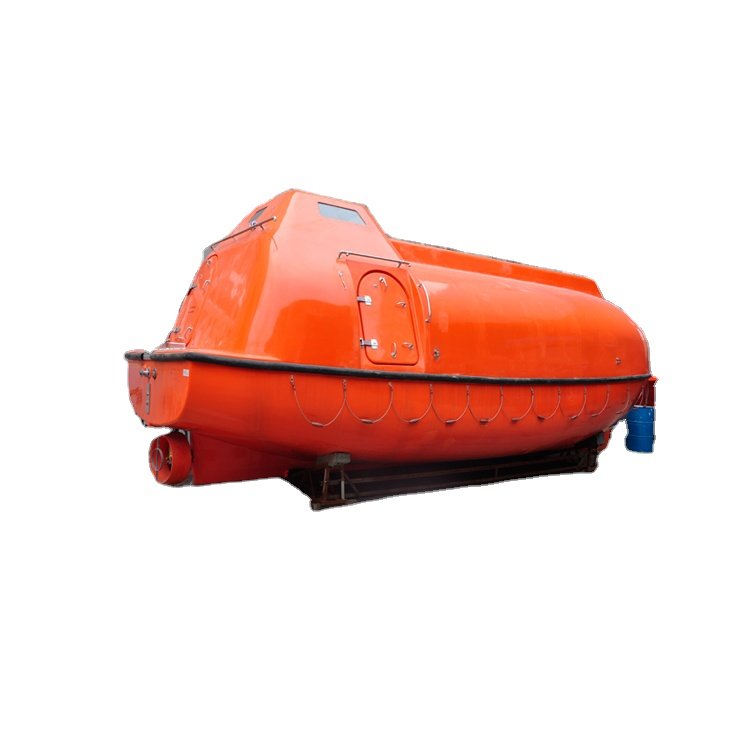
Key Strategies for Cost-Effective Marine Lifeboats
1. Innovative Materials and Design
a. High-Strength Lightweight Materials
Utilizing high-strength, lightweight materials such as reinforced fiberglass, aluminum alloys, and advanced composites can significantly reduce the weight of lifeboats. These materials are not only durable but also require less maintenance, leading to long-term savings.
Cost Benefits: Lighter materials decrease fuel consumption during operations, and their durability reduces the frequency and cost of repairs.
b. Modular Design
Lifeboats with modular designs allow for easy assembly, disassembly, and repairs. This approach simplifies the manufacturing process and reduces labor costs.
Cost Benefits: Modular components can be replaced individually, reducing the need for complete overhauls and minimizing downtime for repairs.
c. Simplified Hull Shapes
Simplifying the hull shape of lifeboats can reduce production costs by minimizing manufacturing complexity. Streamlined shapes also improve hydrodynamic performance, lowering fuel consumption during towing or deployment.
Cost Benefits: Reduced manufacturing complexity leads to lower production costs, while improved efficiency reduces operational expenses.
2. Efficient Production Techniques
a. Automation in Manufacturing
Incorporating automation in lifeboat production, such as robotic welding and automated assembly lines, can significantly reduce labor costs and increase production speed.
Cost Benefits: Automation ensures consistent quality, fewer errors, and lower labor costs, resulting in cost-effective production.
b. Bulk Purchasing and Standardization
Standardizing components across different marine lifeboat models and purchasing materials in bulk can lead to substantial cost savings. This strategy also simplifies inventory management and reduces lead times.
Cost Benefits: Bulk purchasing reduces material costs, and standardization lowers production and maintenance expenses.
c. Outsourcing and Collaboration
Outsourcing certain components or collaborating with specialized suppliers can reduce costs while maintaining high quality. By focusing on core competencies, manufacturers can achieve economies of scale.
Cost Benefits: Leveraging the expertise and economies of scale of specialized suppliers reduces production costs without compromising quality.
3. Low-Maintenance Features
a. Corrosion-Resistant Coatings
Applying advanced corrosion-resistant coatings to lifeboat surfaces and components can extend their lifespan and reduce the need for frequent maintenance.
Cost Benefits: Reduced maintenance frequency and extended lifeboat life lead to lower long-term costs.
b. Simple Mechanical Systems
Lifeboats equipped with simple, robust mechanical systems are less prone to failure and easier to repair. Reducing the complexity of these systems lowers both initial and ongoing maintenance costs.
Cost Benefits: Simpler systems reduce the likelihood of costly breakdowns and simplify repairs, leading to cost savings.
c. Durable Seating and Interiors
Using durable, easy-to-clean materials for seating and interiors reduces wear and tear, minimizing the need for replacements and cleaning.
Cost Benefits: Long-lasting interiors reduce the frequency of refurbishments and lower overall maintenance costs.
4. Energy-Efficient Technologies
a. Solar-Powered Systems
Integrating solar-powered lighting and communication systems into lifeboats reduces reliance on batteries or fuel-based power sources, lowering operational costs.
Cost Benefits: Solar power reduces energy costs and extends the life of onboard power systems, decreasing the need for frequent replacements.
b. Low-Emission Engines
Equipping lifeboats with low-emission, fuel-efficient engines reduces fuel consumption and operating costs while meeting environmental regulations.
Cost Benefits: Fuel-efficient engines lower fuel expenses and help avoid penalties for non-compliance with emission standards.
c. Hybrid Power Systems
Hybrid power systems combining traditional engines with electric motors offer cost-effective propulsion while reducing fuel consumption and emissions.
Cost Benefits: Hybrid systems provide long-term savings on fuel and maintenance and may qualify for environmental incentives.
5. Lifecycle Cost Management
a. Total Cost of Ownership (TCO) Analysis
Conducting a TCO analysis helps maritime operators understand the full cost implications of different lifeboat models, including purchase price, maintenance, fuel, and operational costs over the boat’s lifecycle.
Cost Benefits: TCO analysis enables more informed purchasing decisions, potentially leading to significant long-term savings.
b. Refurbishment and Upgrading
Refurbishing existing lifeboats or upgrading them with modern safety features can be more cost-effective than purchasing new ones. Upgrades may include installing new communication systems, retrofitting engines, or adding safety enhancements.
Cost Benefits: Refurbishment extends the service life of lifeboats and reduces the need for large capital expenditures.
c. Leasing and Financing Options
Exploring leasing or financing options can spread the cost of lifeboats over time, allowing operators to manage their budgets while still accessing high-quality equipment.
Cost Benefits: Leasing reduces upfront costs and provides flexibility to upgrade to newer models as needed.

Conclusion
Implementing cost-effective solutions in marine lifeboats involves a combination of innovative design, efficient production techniques, low-maintenance features, and energy-efficient technologies. These strategies not only benefit the bottom line but also enhance the overall safety and sustainability of marine operations.
Marine lifeboats are essential safety equipment on ships, designed to ensure the survival of passengers and crew during emergencies. Over the years, advancements in the design of marine lifeboats have significantly enhanced safety, performance in harsh conditions, and deployment speed. These innovations are crucial for meeting international maritime regulations and addressing the evolving challenges faced at sea.
1. Self-Righting Capabilities
Modern lifeboats are equipped with self-righting features that address the vulnerability of traditional lifeboats, which could be capsized by large waves. By incorporating a low center of gravity and buoyant structures, contemporary lifeboats are designed to automatically return to an upright position if overturned. This critical improvement enhances the chances of survival in rough sea conditions.
2. Enhanced Material Durability
The materials used in lifeboat construction have undergone significant advancements. Today’s lifeboats are often constructed from high-strength, corrosion-resistant materials like fiberglass-reinforced plastic (FRP) and advanced composites. These materials not only extend the service life of lifeboats but also minimize maintenance needs. They offer excellent impact resistance, which is crucial for surviving collisions with debris or other vessels during emergencies.
3. Improved Launch and Recovery Systems
Quick and safe lifeboat deployment is vital in emergencies. Innovations in davit systems—used to lower lifeboats into the water—have made this process more reliable and efficient. Modern gravity-based and free-fall davit systems enable rapid deployment, even when the ship is listing or in rough seas. These systems are designed to minimize injury risks during launch, providing a safer and faster escape route for everyone on board.
4. Integrated Communication and Navigation Systems
Once in the water, effective communication and navigation are essential. Modern lifeboats come equipped with integrated communication systems, including VHF radios, Automatic Identification Systems (AIS), and satellite-based distress signaling devices. These systems ensure continuous contact with rescue teams and other vessels, improving the chances of a swift recovery. GPS-enabled navigation systems also help survivors navigate more effectively towards safety.
5. Thermal Protection and Insulation
Exposure to cold water and wind can be life-threatening, especially in polar or deep-sea environments. Innovations in lifeboat design now include enhanced thermal insulation and heat-reflective materials. Some lifeboats feature insulated canopies and integrated heating systems that protect occupants from hypothermia, crucial for improving survival rates in harsh weather conditions.
6. Energy-Efficient Propulsion Systems
Lifeboats are increasingly incorporating energy-efficient propulsion systems to ensure reliable operation over extended periods. Many modern lifeboats use hybrid propulsion, combining traditional diesel engines with electric motors powered by rechargeable batteries. This dual-system approach provides redundancy in case of system failure and reduces fuel consumption and environmental impact. Solar panels are also being integrated into some designs to provide a sustainable energy source for prolonged survival scenarios.
7. Ergonomic and Space-Saving Designs
Comfort and space are vital considerations, especially when survivors may need to remain onboard for extended periods. Innovations in ergonomic seating, optimized interior layouts, and modular storage systems have made modern lifeboats more comfortable and functional. These improvements reduce physical strain on occupants and allow for better organization of emergency supplies and equipment.
8. Smart Technology Integration
The integration of smart technology into lifeboat design is an emerging trend. Lifeboats are now equipped with sensors that monitor critical parameters such as structural integrity, water ingress, and engine performance in real-time. Data from these sensors can be transmitted to the ship or rescue teams, providing valuable information about the lifeboat’s condition and its occupants. Some designs also feature automated self-diagnostic systems that alert the crew to potential issues before they become critical.
9. Environmentally Friendly Features
Sustainability is becoming increasingly important in lifeboat design. Innovations such as biodegradable materials, eco-friendly paints, and energy-efficient systems help reduce the environmental impact of lifeboats. Additionally, advancements in waste management systems ensure that lifeboats remain compliant with environmental regulations, even during emergencies.
Conclusion
Advancements in materials, technology, and structural engineering have led to marine lifeboats that are more durable, reliable, and capable of withstanding harsh conditions. Features like self-righting capabilities, improved buoyancy, and enhanced stability have significantly increased the chances of survival in emergencies. These innovations not only improve the effectiveness of lifeboats but also contribute to safer and more efficient maritime operations.
The harsh marine environment which is marked by saltwater, humidity, and extreme weather presenting significant challenges to the maintenance and inspection of marine lighting systems. Regular upkeep is crucial for ensuring reliable performance, preventing failures, and meeting international maritime regulations.

Key Maintenance Practices for Marine Lighting Systems
Regular Cleaning
Salt and Contaminant Removal: Lighting fixtures in marine environments are exposed to salt spray, dirt, and other contaminants that can reduce light output. Regular cleaning with fresh water and marine-safe cleaning agents helps maintain light clarity and effectiveness.
Lens Maintenance: Frequently clean lenses and reflective surfaces to ensure maximum light transmission. Avoid abrasive materials that could scratch or damage the lenses.
Corrosion Prevention
Anti-Corrosion Coatings: The marine environment accelerates corrosion, especially on metal components. Use anti-corrosion coatings or corrosion-resistant materials like stainless steel or marine-grade aluminum for fixtures and hardware.
Regular Inspections for Corrosion: Inspect all components for signs of rust, pitting, or corrosion. Address issues promptly by cleaning, treating, and recoating affected areas.
Electrical Connection Maintenance
Secure and Waterproof Connections: Moisture ingress and corrosion can compromise electrical connections. Ensure all wiring, terminals, and connectors are secure and protected with marine-grade waterproofing materials.
Routine Inspection: Regularly check for wear, corrosion, or looseness in electrical connections. Replace damaged parts and ensure connections are properly sealed to prevent water penetration.
Bulb and Fixture Replacement
Monitor Light Output: Over time, bulbs, especially traditional ones, may degrade, causing reduced brightness or flickering. Regularly check all fixtures and replace any dimming or failing bulbs.
Spare Parts Inventory: Keep spare bulbs, LEDs, and critical components on board for prompt replacement, especially for essential marine navigation lights and emergency lights.
Fixture Longevity: Inspect fixtures for signs of wear or damage. Replace fixtures as needed, particularly those exposed to harsh conditions.

Battery Maintenance
Check Battery Levels: For battery-operated lights, like emergency lighting, regularly check battery levels to ensure they are fully operational. Test battery performance under load to verify reliability.
Inspect for Corrosion: Examine battery terminals for corrosion, clean them as needed, and apply a protective coating to prevent further damage.
Regular Replacement: Follow the manufacturer's guidelines for battery replacement intervals, and replace old or depleted batteries promptly.
Sealing and Waterproofing
Inspect Seals and Gaskets: Ensure that all fixtures are properly sealed to prevent moisture ingress. Regularly inspect and replace worn or damaged seals, gaskets, and O-rings.
Re-sealing Fixtures: If any seals are compromised, re-seal the fixtures using marine-grade materials to protect electrical components from water damage.
Submersible Lights: Ensure underwater lights are properly sealed and rated for their environment. Regularly test seal integrity.
Routine Testing and Calibration
Functional Testing: Regularly test all lighting systems, including navigation, deck, and emergency lights, to ensure proper operation. Conduct tests in both daylight and low-light conditions.
Calibration of Sensors and Controls: Ensure that any automatic sensors or control systems are properly calibrated and functioning as intended, including automatic on/off functions.
Inspection Procedures for Marine Lighting Systems
Visual Inspection
Check for Corrosion and Damage: Start with a thorough visual inspection of all fixtures, brackets, and hardware. Look for signs of corrosion, rust, or physical damage.
Lens and Reflector Clarity: Ensure lenses and reflectors are clean and clear of contaminants.
Fixture Security: Confirm that all fixtures are securely mounted, and check that brackets and screws are tight and in good condition.
Operational Testing
Functionality Check: Test all lights, including navigation, deck, and emergency lights, for proper operation. Look for flickering, dimming, or other irregularities.
Simulate Emergency Conditions: Test emergency lighting by simulating power outages or other emergencies. Check backup power sources for readiness.
Nighttime Testing: Conduct tests in low-light or nighttime conditions to assess light visibility and effectiveness.
Insulation Resistance Testing
Megohmmeter Testing: Use an insulation resistance tester to check electrical circuits for any degradation that could cause shorts or failures.
Evaluate Readings: Compare readings to manufacturer specifications. Low resistance may indicate moisture ingress or aging insulation that needs attention.
Infrared Thermography
Detect Overheating: Use infrared thermography to identify hotspots in electrical connections, wiring, and fixtures. Address any overheating issues before they cause failures.
Analyze Thermal Images: Review thermal images for abnormal temperature patterns, and take corrective actions like tightening connections or replacing faulty components.
Vibration Analysis
Check for Vibration Issues: Conduct vibration analysis on lighting fixtures and mounts, particularly on vessels with heavy engine vibration or in rough seas. Secure any loose components.

Functional Checks for Automatic Systems
Sensor and Control Testing: Regularly test sensors and control systems to ensure they are correctly calibrated and functioning as intended.
Review Calibration: Adjust sensor settings and control systems as necessary to improve performance.
Battery and Power Source Inspection
Battery Condition: Inspect batteries for proper charge levels, corrosion, and overall condition. Replace any batteries nearing the end of their service life.
Backup Power Verification: Test backup power systems to ensure they are ready to activate if primary power fails. Verify automatic transfer switches are functioning correctly.
Documentation and Reporting
Maintain Records: Keep detailed records of all inspections, including dates, findings, and corrective actions. Documentation is crucial for tracking system condition and ensuring compliance with maritime regulations.
Report Findings: Report any issues or irregularities found during inspections to the appropriate personnel. Prioritize repairs or replacements based on severity.
Choosing Quality Marine Lighting with Strict Inspection from YSmarines
YSmarines provides high-quality marine lighting solutions designed to endure the most challenging maritime conditions. Their range includes navigation lights, deck lights, explosion-proof lighting, and marine searchlights, all crafted from durable materials and equipped with advanced technology for reliability and safety at sea. Every product undergoes rigorous inspection and testing to ensure it can withstand the demanding conditions of marine environments, enhancing visibility, safety, and operational efficiency for vessels of all sizes. Trust YSmarines for marine lighting that keeps your vessel illuminated and secure in any environment.