
Spending time on the water is a popular activity enjoyed by people of all ages, whether it’s for leisure, sport, or work. Ensuring safety while on the water is paramount, and marine life jackets play a critical role in preventing drowning and protecting lives. This article will explore the importance of life jackets, how to choose the right one for every age group, and features to consider when selecting a life jacket.
Why Marine Life Jackets Are Essential
Accidents on the water can happen unexpectedly due to sudden weather changes, strong currents, or equipment failure. Wearing a properly fitted life jacket can mean the difference between life and death in such scenarios. Life jackets are designed to keep the wearer’s head above water and provide sufficient buoyancy to prevent sinking, giving rescuers time to reach and assist those in need.
Choosing the Right Life Jacket by Age Group
Selecting the appropriate marine life jacket for different age groups ensures optimal safety and comfort. Here’s a guide on what to look for when choosing life jackets for various age categories:
1. Infants and Toddlers
Features to Prioritize: Life jackets for infants and toddlers should have head support to keep their heads above water, leg straps to prevent the jacket from slipping off, and a grab handle for easy retrieval.
Buoyancy Considerations: Ensure that the jacket has sufficient buoyancy for their weight category and is U.S. Coast Guard-approved or approved by the relevant local regulatory body.
Comfort and Fit: It’s important that the jacket fits snugly but allows for comfortable movement. An ill-fitting life jacket can be hazardous if it rides up or slips off in the water.

2. Children (Ages 4–12)
Safety Features: Look for children's life jackets with a secure fit, adjustable straps, and reflective patches for visibility. Some models come with whistles attached for alerting others in emergencies.
Style and Design: Bright colors and fun designs can encourage children to wear their life jackets willingly. Ensure the life jacket is easy to put on and remove, and check for a lightweight construction for comfort during prolonged use.
Testing: Always have children try on life jackets and test them in shallow water to ensure proper flotation and fit.

3. Teens and Adults
Type of Life Jacket: Depending on the activity (e.g., boating, kayaking, jet-skiing), select a life jacket that suits the purpose. Type II or Type III PFDs are common for recreational activities, while Type I life jackets are ideal for offshore or rough waters.
Adjustability: Look for adjustable straps to ensure a snug fit for different body shapes and sizes. The life jacket should not impede movement or feel restrictive.
Additional Features: For adults engaging in water sports or high-impact activities, choose life jackets with extra padding for shock absorption, pockets for storage, and a whistle or signal device for added safety.

Key Features to Consider in Life Jackets
Regardless of age, there are specific features to look for when purchasing a marine life jacket:
Certification and Approval: Always choose life jackets that meet safety standards set by the U.S. Coast Guard or other local maritime authorities.
Material and Durability: Life jackets made from strong, durable materials like nylon or neoprene offer better longevity and resistance to wear and tear.
Buoyancy Rating: Ensure that the life jacket provides sufficient buoyancy for the wearer’s weight.
Ease of Use: Quick-release buckles, zipper closures, and adjustable straps make life jackets more practical and user-friendly.
Visibility: Reflective elements and bright colors improve visibility in low-light or emergency situations.
Tips for Proper Use and Maintenance
To maximize the effectiveness of life jackets, follow these best practices:
Regular Checks: Periodically inspect life jackets for damage, wear, or tear and replace them if necessary.
Proper Storage: Store life jackets in a cool, dry place to prevent mold or mildew growth.
Routine Testing: Conduct float tests in shallow water to ensure the life jacket provides adequate buoyancy and fits well.
Educate and Practice: Teach children and adults how to properly put on and secure their life jackets. Regular practice can build confidence and reduce panic in an emergency.
5. Special Considerations for Individuals with Special Needs
For individuals with special needs, life jackets with custom or specialized support features are available. These may include additional head support, adaptive closures, or extra buoyancy tailored to specific physical conditions.
In summary, marine life jackets are a crucial safety tool that can protect individuals of all ages in aquatic environments. By understanding the specific needs of each age group and choosing life jackets with appropriate safety features, comfort, and certifications, you can ensure that everyone stays safe while enjoying activities on the water. Regular maintenance, fit testing, and education further contribute to making life jackets a reliable part of water safety.
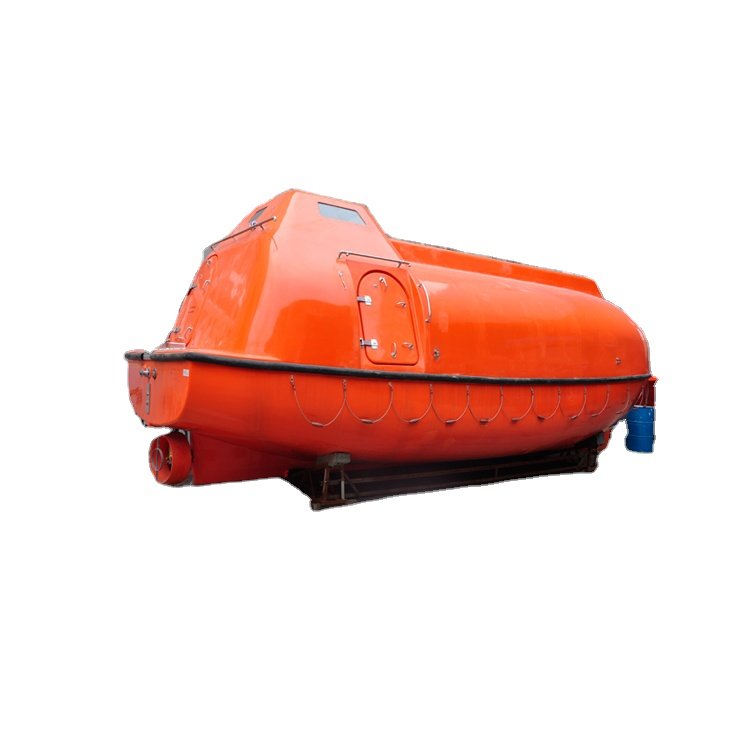
Communication systems for lifeboats are crucial for ensuring safety and coordination during emergencies at sea. These systems allow lifeboats to communicate with the ship from which they are launched, nearby rescue vessels, and coastal authorities to facilitate timely search and rescue operations. Here’s a detailed look at key components and modern innovations in lifeboat communication systems.

1. VHF Radio Systems
Purpose: VHF (Very High Frequency) radios are standard on lifeboats for two-way voice communication. They operate on frequencies designated for maritime use, enabling clear communication with the mother ship and other nearby vessels.
Features: Waterproof, shock-resistant designs and integration with built-in GPS for distress location transmission.
Recent Advances: Enhanced VHF systems now include digital selective calling (DSC) to send distress signals with precise location data.
2. Satellite Communication Systems
Functionality: Satellite phones and transceivers provide global coverage, allowing communication beyond the VHF range, especially critical in remote or open-sea scenarios.
Technology: These systems often utilize networks like Inmarsat or Iridium for reliable connectivity.
Innovations: Compact and energy-efficient satellite communication devices tailored for lifeboat installations have been developed, improving accessibility and usage during emergency conditions.
3. EPIRBs (Emergency Position Indicating Radio Beacons)
Role: EPIRBs automatically transmit a distress signal when activated, typically when a lifeboat is launched into the water or manually triggered by the crew.
Improvements: Modern EPIRBs are equipped with GPS capabilities that can provide an accurate location to search and rescue teams within a short timeframe.
Battery Life: Newer models feature extended battery life, ensuring signal transmission for longer periods.
4. AIS (Automatic Identification System) Transponders
Description: AIS transponders help lifeboats broadcast their position, course, and speed to nearby ships and coastal stations.
Usefulness: This enhances situational awareness for rescuers and aids in collision avoidance.
Technology Trends: Recent AIS systems come with integrated displays and the ability to share more detailed vessel information, improving communication clarity during emergency operations.
5. Handheld GPS and Locator Devices
Purpose: Portable GPS units provide real-time location tracking, essential for coordinating with rescuers.
Hybrid Devices: Some devices combine GPS functionality with shortwave communication, enabling updates to be sent to rescue operations while maintaining the lifeboat's position tracking.
6. Visual and Auditory Signaling Equipment
Examples: Flares, signal mirrors, and whistle devices are traditional but reliable methods for visual and auditory signaling.
Modern Enhancements: LED-based electronic distress lights have become more common, offering greater visibility and longer operational life compared to conventional pyrotechnic flares.
7. Integrated Communication and Monitoring Systems
Full Integration: Advanced lifeboats now come with fully integrated systems that combine GPS, AIS, VHF, and satellite communication into a single unit for easier operation.
Benefits: Streamlined interfaces ensure that even in high-stress situations, communication can be initiated quickly and efficiently.
Resilience: Systems are designed to be waterproof, impact-resistant, and able to operate in extreme temperatures.
8. Digital Solutions and Automation
Smart Systems: Some lifeboats are being equipped with digital monitoring solutions that automatically notify rescuers of the lifeboat’s status and position once deployed.
App-Based Integration: Mobile apps connected to onboard systems provide a secondary way to communicate and send updates if primary systems fail.
Emerging Trends and Future Developments
AI and Predictive Capabilities: Some prototypes and newer systems explore using AI to predict potential communication needs and optimize signal transmission based on environmental conditions.
Improved Power Sources: Solar panels and rechargeable batteries provide sustainable power options for long-term emergency readiness.
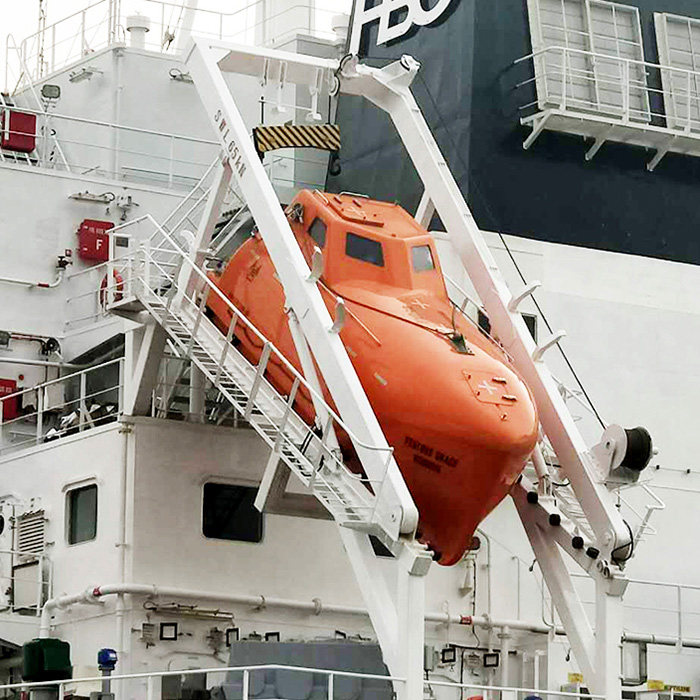
These systems collectively enhance the safety and survivability of lifeboat occupants by ensuring consistent and clear communication, essential for coordinating swift rescue operations.
Inflatable life rafts are crucial emergency devices designed to save lives during maritime emergencies. Their reliability is vital as they must deploy quickly, withstand harsh conditions, and provide essential protection for stranded passengers and crew until rescue. Over the years, advancements in materials, design, and maintenance practices have greatly improved the reliability of inflatable life rafts. This article explores the key areas of improvement, from modern materials to best maintenance practices, that enhance the performance and reliability of inflatable life rafts.
1. Advanced Materials and Durability
Modern inflatable life rafts are made from materials engineered for durability, flexibility, and resistance to extreme marine environments. Key material advancements include:
Hypalon and Neoprene Coatings: Many life rafts are now made with Hypalon or neoprene-coated fabrics, which are highly resistant to abrasion, UV exposure, and saltwater. This makes them durable enough to withstand prolonged exposure to sunlight, rough seas, and other challenging conditions without deteriorating.
Thermoplastic Polyurethane (TPU): TPU is a newer material used for high-performance life rafts. It offers excellent elasticity, puncture resistance, and resistance to cold temperatures, making it suitable for use in various climates and marine conditions.
Reinforced Seam Technologies: To prevent seam failure—a common vulnerability in inflatable products—manufacturers have introduced reinforced seams, double-stitching, and heat-welded seams. These improvements significantly enhance the structural integrity of the life raft and reduce the likelihood of leaks.
2. Improved Inflation Systems
Inflatable life rafts must deploy automatically and reliably when needed. Advances in inflation technology ensure faster, safer, and more reliable deployment:
Automated Inflation Mechanisms: Advanced self-inflating life rafts use automated inflation systems that activate when the raft is deployed in water, eliminating the need for manual activation. These systems utilize compressed gas cylinders, typically filled with CO₂, which are engineered to maintain optimal pressure and deploy rapidly when triggered.
Redundant Inflation Chambers: Many inflatable life rafts now feature multiple independent inflation chambers. If one chamber is punctured or fails, others remain functional, keeping the raft buoyant and safe.
Pressure Relief Valves: To prevent overinflation, which could lead to rupture, pressure relief valves are integrated into the inflation system. These valves release excess gas and maintain the raft's structural integrity in varying temperature conditions.

3. Enhanced Stability and Resilience
Stability is essential for life rafts, especially in rough seas. Modern life raft designs incorporate stability-enhancing features such as:
Ballast Bags: Ballast bags, or water pockets, are added to the bottom of life rafts to increase stability. These bags fill with seawater and help the raft resist capsizing by keeping its center of gravity low.
Canopy and Spray Shields: To protect occupants from waves, wind, and sunlight, life rafts are equipped with canopies and spray shields. Many newer models also feature built-in reflective materials to increase visibility for rescuers.
Insulation and Thermal Protection: In cold environments, hypothermia is a significant risk. Modern life rafts may include insulated floors and thermal protective covers, helping occupants maintain body temperature while awaiting rescue.

4. Improved Accessibility and Comfort Features
Making life rafts more accessible and comfortable is critical, especially when they are occupied for extended periods. Recent advancements include:
Ergonomic Design and Seating: Many life rafts are designed with ergonomic seating arrangements, which make them more comfortable and reduce fatigue among occupants.
Emergency Kits and Ration Storage: Inflatable life rafts come equipped with emergency kits containing essential survival supplies, such as water, food rations, first aid, signaling devices, and repair patches. In some cases, additional compartments are designed to protect these supplies from water and salt.
Efficient Ventilation and Moisture Control: Life rafts now often include ventilation ports to reduce condensation and improve air circulation, ensuring a healthier environment inside the raft.
5. Regular Maintenance and Inspection for Reliability
Routine inspection and maintenance are crucial for ensuring the reliability of inflatable life rafts. Following best practices for care and inspection minimizes the risk of malfunction:
Inspection and Servicing: Life rafts must be regularly inspected and serviced to ensure that the inflation system, seams, valves, and emergency kits are in good working order. These checks should follow manufacturer recommendations and international maritime safety standards.
Proper Storage and Environmental Control: When not in use, life rafts should be stored in a dry, temperature-controlled environment to prevent material degradation. Storing them in sealed containers helps protect them from sunlight, humidity, and contaminants.
Training and Familiarization: Crew members should be trained on proper deployment, handling, and maintenance procedures for life rafts. Familiarization with emergency procedures improves confidence and ensures that life rafts are deployed and used correctly in real emergencies.
6. Adherence to International Safety Standards
Ensuring that life rafts meet regulatory standards is essential for their reliability. Standards and certifications provide benchmarks for quality and performance, such as:
International Maritime Organization (IMO) Standards: The IMO sets safety and operational standards for life rafts through the Safety of Life at Sea (SOLAS) convention. Compliance with these standards ensures that life rafts are designed and tested to perform under various conditions.
ISO Certifications: ISO certifications, such as ISO 9650 for life-saving appliances, cover quality requirements for the materials, performance, and testing of inflatable life rafts. Manufacturers that follow these guidelines demonstrate a commitment to producing high-quality, reliable life rafts.

Overall, the reliability of inflatable life rafts has improved significantly due to advancements in materials, design, and automated inflation systems. Modern life rafts are built to withstand extreme conditions and offer stability, durability, and essential survival features to protect occupants in emergency situations. Regular inspection and adherence to safety standards are also key to ensuring that these life-saving devices remain dependable. With continued innovations and best practices in maintenance, inflatable life rafts will remain a critical tool for maritime safety, providing peace of mind to seafarers and passengers alike.
Ensuring safety on the water is essential for all maritime operators, from small boat owners to large shipping companies. The affordability of life-saving equipment is a critical concern, especially as advanced technology and materials become integral to modern maritime safety solutions. This article explores the factors affecting the affordability of key marine life-saving equipment, including lifeboats, personal flotation devices (PFDs), emergency position-indicating radio beacons (EPIRBs), and more, and examines ways to make these live-saving tools more accessible for various marine operation.

1. Lifeboats and Liferafts
Lifeboats and liferafts are fundamental to marine safety, providing a secure means of evacuation if a vessel becomes compromised. While mandatory for commercial vessels, they represent a significant investment. Several factors impact their affordability:
Construction Materials: Marine lifeboats are commonly made of durable, corrosion-resistant materials like fiberglass or reinforced steel, which increase their cost. However, manufacturers are exploring lighter composite materials that may reduce production costs without sacrificing durability.
Design and Features: Basic lifeboats are more affordable, but models with additional safety features like automated launching systems and self-righting capabilities can be costly. Affordable options can often be achieved by focusing on essential safety features rather than premium add-ons.
Manufacturing Innovations: Streamlining production techniques, such as modular design and 3D printing, is beginning to make lifeboats and liferafts more affordable. By standardizing certain design elements, manufacturers can reduce costs and pass these savings to the end user.

2. Personal Flotation Devices (PFDs)
PFDs, commonly known as lifejackets, are vital for every individual aboard a vessel, offering buoyancy and protection in emergencies. Advances in materials and design have made PFDs more effective, but affordability remains a priority.
Bulk Manufacturing: Due to high demand, many PFDs are manufactured in large quantities, which lowers the per-unit cost. Standard models with basic buoyancy functions are more affordable than advanced models with additional features, such as automatic inflation or thermal protection.
Regulatory Compliance: PFDs must meet safety standards set by international maritime organizations, which can add to their cost. However, manufacturers are developing compliant yet cost-effective materials that meet safety requirements without significantly raising prices.
Reusable Designs: Some PFDs now include reusable features, such as replaceable CO2 cartridges in inflatable models, which makes them more affordable over time as they reduce the need for frequent replacements.
3. Emergency Position-Indicating Radio Beacons (EPIRBs)
EPIRBs are critical in emergency situations, as they transmit distress signals to rescue authorities, helping to locate the vessel. Though EPIRBs were traditionally quite expensive, recent advances have improved affordability.
Miniaturization and Efficiency: Technological advancements have enabled manufacturers to create smaller, more efficient EPIRBs, which reduces the materials cost and overall price.
Extended Battery Life: Modern EPIRBs have long-lasting batteries, reducing the need for replacements and lowering lifetime ownership costs. Solar-powered options are also emerging, which can further reduce maintenance costs.
Subsidies and Financial Support: Some maritime safety organizations provide subsidies for EPIRBs, making them more accessible for smaller operators or individual boat owners. Additionally, governments in high-risk maritime regions often support EPIRB affordability programs to enhance overall maritime safety.
4. Fire Suppression Systems
Fire hazards pose a serious threat to vessels, making fire suppression systems essential. However, the price of these systems can be high due to their complexity.
Standardized Systems: Many manufacturers now produce standardized, scalable systems that fit a variety of vessel sizes and types, making fire suppression technology more affordable and accessible.
Affordable Refills and Maintenance: Fire suppression systems with easy-to-refill extinguishing agents and straightforward maintenance schedules reduce ongoing costs, making them more affordable over time.
Component Advancements: Improvements in materials and chemical agents for fire suppression systems have led to smaller, less complex systems that are still highly effective, allowing them to be priced lower without compromising safety.
5. First Aid and Medical Kits
No vessel should be without a first aid kit, yet these can be costly, especially for larger vessels that require more comprehensive kits.
Modular Kits: Many companies now offer modular first aid kits, allowing operators to purchase essential components and add on as needed, making it easier to invest in safety without a high upfront cost.
Bulk Purchase Options: For larger operators, bulk purchasing of standardized kits can significantly reduce costs, making it possible to equip multiple vessels affordably.
Making Life-Saving Equipment More Affordable: Industry and Policy Innovations
Ensuring that all vessels can access marine life-saving equipment regardless of budget is a key focus within the maritime industry. Some initiatives and approaches include:
Subsidies and Grants: Various organizations offer subsidies and grants to make life-saving equipment more affordable, especially for small businesses and individuals in high-risk areas.
Bulk and Cooperative Purchasing: Maritime cooperatives and industry groups often negotiate bulk purchasing agreements that reduce costs for members.
Buyback Programs: Some manufacturers and governments have implemented buyback programs for older safety equipment, enabling operators to trade in for newer, more affordable options.

Ovarall, the affordability of marine life-saving equipment is crucial to maritime safety. As technology advances and production methods improve, essential equipment like lifeboats, PFDs, EPIRBs, fire suppression systems, and medical kits are becoming more accessible. By focusing on affordability alongside effectiveness, manufacturers, policymakers, and maritime organizations can help ensure that vessels of all sizes and purposes are prepared for emergencies, enhancing overall safety across the industry.
To ensure the safety of crew members, passengers, and cargo in maritime operations, life-saving equipment plays a critical role. Advances in technology have driven significant innovations in this area, enhancing the effectiveness, reliability, and accessibility of life-saving equipment. This article explores key technological advancements in maritime life-saving equipment, highlighting their impact on improving safety at sea.
Importance of Life-Saving Equipment in Maritime Operations
Maritime environments present numerous hazards such as unpredictable weather, mechanical failures, and collisions, making effective life-saving equipment essential for mitigating risks. Marine life-saving equipment serves several key purposes:
Ensures Crew and Passenger Safety: During emergencies, life-saving equipment provides immediate protection, ensuring the survival of individuals in dangerous conditions at sea.
Facilitates Quick Evacuation: Equipment such as lifeboats, life rafts, and marine evacuation systems enable rapid evacuation in critical situations, minimizing injury or loss of life.
Improves Chances of Rescue: GPS-equipped life jackets and personal locator beacons (PLBs) help rescue teams quickly locate individuals in distress, reducing search times.
Mitigates Maritime Hazards: Life-saving equipment protects against fires, capsizing, collisions, and severe weather.
Ensures Regulatory Compliance: International maritime laws require vessels to be equipped with life-saving equipment to enhance operational safety and reduce fatalities during emergencies.
Supports Operational Safety: Reliable life-saving equipment ensures maritime operations can continue with confidence, knowing safety measures are in place to handle emergencies effectively.
Technological innovations in life-saving equipment have transformed maritime safety, enabling quicker and more effective responses to emergencies, improving rescue operations, and reducing human error.
Latest Advancements in Life-Saving Equipment for Maritime Operations
Smart Life Jackets Traditional life jackets have evolved into smart life jackets equipped with GPS, automatic inflation systems, and distress signal transmitters, improving safety and rescue efforts.
Automatic Inflation: These life jackets automatically inflate upon water immersion, ensuring immediate buoyancy for incapacitated or unconscious individuals.
GPS Tracking: Integrated GPS allows rescue teams to track the location of individuals, reducing search times.
Integrated Lights and Signals: LED lights and emergency beacons enhance visibility, increasing the chances of rescue in low-light conditions.
Self-Righting Lifeboats
Traditional lifeboats are prone to capsizing in rough seas, while self-righting lifeboats are designed to return to an upright position if overturned, improving safety.
Self-Righting Mechanism: These lifeboats feature specific hull designs and weight distribution, ensuring they flip back upright in turbulent seas.
Improved Navigation Systems: Equipped with advanced navigation tools, including radar and GPS, these lifeboats can signal for help and navigate toward safety.
Marine Evacuation Systems (MES) Marine evacuation systems (MES) have revolutionized rapid evacuation in large vessels like cruise ships and ferries.

Inflatable Chutes and Rafts: MES deploys inflatable slides guiding passengers into life rafts, allowing rapid evacuation of hundreds of people.
Automated Deployment: These systems deploy automatically during emergencies, reducing response time and minimizing human error.
Compact Design: Modern MES systems are compact, taking up minimal space while providing maximum safety.
Personal Locator Beacons (PLBs) Personal locator beacons (PLBs) are portable devices that transmit distress signals via satellite to alert rescue authorities.
Satellite Connectivity: PLBs use satellite systems such as COSPAS-SARSAT, ensuring global coverage in remote areas.
Enhanced Battery Life: Improved battery life allows PLBs to send distress signals over extended periods, crucial during long rescue missions.
Waterproof and Impact-Resistant: Built to withstand harsh maritime conditions, PLBs remain functional in water and after impacts.
Drones for Search and Rescue Drones are increasingly used in maritime search and rescue operations due to their ability to quickly cover large areas.
Aerial Surveillance: Drones provide real-time aerial footage, speeding up search efforts.
Thermal Imaging: Drones with thermal imaging technology detect heat signatures, even in low-visibility conditions.
Delivery of Emergency Supplies: Some drones are designed to drop flotation devices, first-aid kits, and communication tools to people in distress.
Autonomous Rescue Boats Autonomous rescue boats, which operate without a crew, offer a new level of safety in dangerous or inaccessible areas.
Remote Control and AI Navigation: These boats are equipped with artificial intelligence and remote control systems, enabling them to navigate independently and avoid obstacles while searching for survivors.
Quick Deployment: Autonomous rescue boats can be launched quickly, reducing response times in emergencies.
Assistance in Hazardous Conditions: These vessels can operate in dangerous areas, such as during severe storms or near hazardous debris, where it would be unsafe for human rescuers.
Improved Fire Suppression Systems Fires aboard ships are one of the most dangerous maritime emergencies. Innovations in fire suppression systems have improved the ability to detect, contain, and extinguish fires on vessels.
Water Mist Systems: These systems use fine water sprays to cool flames and displace oxygen, effectively suppressing fires in confined spaces.
Fire Detection Sensors: Sensitive smoke and heat sensors trigger alarms and activate suppression systems before fires spread.
Automatic Fire Doors: Ships are now equipped with automatic fire doors that contain fire-prone areas, preventing the spread of flames and allowing safe evacuation.

Technological innovations in life-saving equipment are transforming maritime safety by enabling faster and more effective responses to emergencies. From smart life jackets to autonomous rescue boats, these advancements improve rescue efficiency, reduce human error, and ultimately save lives at sea.