
Temperature control is crucial in laboratories to ensure the accuracy, reliability, and safety of experiments, sample preservation, and equipment performance. Various cooling machines are designed to serve distinct roles in lab environments, from storing sensitive biological samples to supporting high-precision instruments. This article provides a comprehensive overview of the most common types of cooling machines used in laboratories, highlighting their functions, features, and typical applications.
Purpose: To store temperature-sensitive materials at a stable, above-freezing temperature (usually between 2°C to 8°C).
Common Uses:
Vaccines and medications
Reagents and chemical solutions
Biological samples
Features:
Digital temperature control
Alarm systems for temperature fluctuations
Glass or solid doors
Optional lock mechanisms for security

2. Laboratory Freezers
Purpose: To preserve biological materials and chemicals at sub-zero temperatures, ranging from -10°C to -86°C depending on the model.
Types:
Standard Freezers (-10°C to -25°C): General lab use
Low-Temperature Freezers (-40°C): For long-term storage
Ultra-Low Temperature Freezers (-80°C to -86°C): For storing DNA, RNA, enzymes, and cell cultures

Features:
Dual-compressor systems (in ULT freezers)
Insulated chambers
Safety alarms and backup power compatibility
3. Circulating Chillers (Recirculating Chillers)
Purpose: To dissipate heat from laboratory instruments by providing a steady flow of temperature-controlled coolant.
Common Uses:
Spectrometers
Lasers
Rotary evaporators
Reaction vessels
Features:
Digital temperature control with narrow tolerance
High cooling capacity and stability
Eco-friendly refrigerants
Closed-loop systems to prevent contamination
4. Cooling Incubators
Purpose: To maintain a controlled environment for microbiological, biochemical, and pharmaceutical studies at or below room temperature.
Common Uses:
Incubation of temperature-sensitive organisms
Controlled enzymatic reactions
Stability testing
Features:
Wide temperature range (typically 5°C to 60°C)
Uniform temperature distribution
Interior lighting (for photostimulation studies)
Optional CO₂ and humidity control
5. Cold Traps
Purpose: To condense vapors and protect vacuum pumps during distillation or evaporation processes.
Common Uses:
Freeze-drying systems
Rotary evaporators
Vacuum distillations
Features:
Low temperature operation (as low as -50°C or lower)
Glass or stainless-steel design
Connection ports for integration with vacuum systems
6. Water Baths with Cooling Function
Purpose: Water baths are used to maintain samples at a constant temperature, including below room temperature using integrated cooling mechanisms.
Common Uses:
Enzyme reactions
Sample thawing and cooling
Quality control testing
Features:
Temperature range typically 0°C to 100°C
Stainless steel chambers
Digital controls with timers and alarms

7. Thermoelectric Coolers (Peltier-Based Systems)
Purpose: To cool or maintain samples at precise temperatures using solid-state thermoelectric modules.
Common Uses:
Portable sample storage
Point-of-care diagnostics
Niche lab applications
Features:
Compact and energy-efficient
Low noise
No refrigerant or moving parts
Summary
Choosing the right cooling machine for a laboratory depends on the specific application, required temperature range, and sensitivity of stored materials or supported equipment. Whether it's ultra-low temperature freezers for genetic samples or chillers for analytical instruments, the right cooling solution ensures safe, consistent, and efficient laboratory operations.
Medical refrigerators are critical components in healthcare and laboratory settings, ensuring the safe and effective storage of temperature-sensitive materials such as vaccines, blood, medications, and biological samples. Unlike household refrigerators, medical-grade units are engineered for precision, stability, and compliance with health regulations. Understanding the different types of medical refrigerators helps facilities choose the right solution for their specific needs.
1. Vaccine Refrigerators
Vaccine refrigerators are specifically designed to maintain consistent temperatures, typically between 2°C and 8°C, which is crucial for vaccine efficacy. These refrigerators often feature digital temperature monitoring, alarms for temperature excursions, and backup systems to ensure vaccines remain viable even during power outages. They are widely used in hospitals, clinics, and pharmacies and comply with WHO and CDC guidelines for vaccine storage.
2. Blood Bank Refrigerators
Blood bank refrigerators are built to store blood and blood products at a tightly controlled temperature range of 2°C to 6°C. They are equipped with temperature uniformity features, alarms, and safety systems to ensure the safe preservation of whole blood, plasma, and platelets. These units often include lockable doors and inventory management systems to ensure traceability and prevent cross-contamination.

3. Pharmacy Refrigerators
Pharmacy refrigerators are used to store temperature-sensitive medications, including insulin, hormones, and biologics. These units are designed to meet the stringent requirements of pharmaceutical storage with features like forced-air cooling, uniform temperature distribution, and temperature logging. Some models come with glass doors for visibility, reducing unnecessary door openings and maintaining internal temperature stability.
4. Laboratory Refrigerators
Laboratory refrigerators are intended for storing biological samples, reagents, and chemicals that require precise temperature control. Depending on the application, these units can range from general-purpose models to more advanced versions with adjustable shelving, microprocessor controls, and data logging for regulatory compliance. They are commonly used in research institutions, clinical labs, and biotech facilities.
5. Ultra-Low Temperature (ULT) Freezers
Though technically freezers, Ultra-low temperature freezers are essential in medical and scientific environments and often discussed alongside medical refrigerators. They can maintain temperatures as low as -80°C and are used for long-term storage of biological samples, vaccines, and even COVID-19 vaccines like Pfizer's, which require sub-zero preservation. These units feature specialized insulation and backup power systems to ensure constant performance.

6. Chromatography Refrigerators
These are specialized laboratory refrigerators designed for chromatography applications. They offer features such as built-in electrical outlets for running instruments inside the fridge and maintain consistent internal conditions to support analytical accuracy. Chromatography refrigerators are used in pharmaceutical labs, environmental testing labs, and food science facilities.
7. Explosion-Proof and Flammable Material Refrigerators
When storing volatile or flammable substances, explosion-proof or flammable material refrigerators are essential. These units are designed to prevent internal sparks and are compliant with OSHA and NFPA standards. They're commonly used in pharmaceutical manufacturing, forensic labs, and facilities handling solvents or hazardous chemicals.
Summary
Choosing the right type of medical refrigerator depends on the specific requirements of the stored contents, regulatory guidelines, and the operational setting. Each type—whether for vaccines, blood products, or laboratory reagents—is designed with unique features to ensure safety, reliability, and compliance. As technology advances, medical refrigeration continues to evolve, offering smarter controls, remote monitoring, and enhanced energy efficiency to meet the growing demands of modern healthcare and research.
In laboratory settings, maintaining a consistent and accurate temperature is crucial for ensuring the validity and reliability of experiments. From chemical reactions to biological processes, many scientific investigations require precise temperature control. This article will explore the importance of temperature control in laboratories, the types of temperature control equipment available, and their applications.
The Importance of Temperature Control in Laboratories
Temperature plays a pivotal role in numerous laboratory procedures. Variations in temperature can lead to changes in chemical reaction rates, biological activities, or the stability of samples. For instance:
Chemical Reactions: Temperature affects the speed and outcome of chemical reactions. Some reactions may require heating to reach activation energy, while others need to be kept cool to prevent decomposition.
Biological Processes: Enzymatic activities, cellular functions, and microbial growth are often temperature-sensitive, necessitating precise control to replicate conditions found in living organisms or controlled environments.
Sample Preservation: Many laboratory samples, such as enzymes, proteins, and DNA, require constant refrigeration or specific thermal conditions to maintain their integrity.
Therefore, to maintain experimental consistency and accuracy, laboratory professionals depend on a variety of temperature control equipment.
Types of Temperature Control Equipment
Laboratories require different types of temperature control systems depending on the specific needs of their experiments. Some of the key equipment includes:
1 Incubators
Laboratory incubators are widely used to maintain a stable temperature for growing cultures, cultivating microorganisms, or testing the effects of temperature on biological specimens. They offer precise temperature control, typically ranging from 5°C to 80°C. Some incubators also include features like humidity control, CO2 regulation, and forced air circulation for uniform temperature distribution.

Applications: Microbiology, cell biology, biotechnology, and pharmaceutical research.
2 Refrigerators and Freezers
Refrigerators and freezers are essential for storing temperature-sensitive biological samples, reagents, and chemicals. Laboratory refrigerators typically maintain temperatures between 2°C and 8°C, while freezers can be set to as low as -86°C for the long-term storage of biological materials. Specialized freezers such as ultra-low freezers are designed for extremely low temperatures, ideal for storing enzymes, vaccines, and other biological materials.

Applications: Sample storage, reagent preservation, biological specimen preservation.
3 Water Baths
Water baths provide a stable environment for incubating or heating samples at a constant temperature. They are particularly useful in applications where even heating is required, such as DNA denaturation, enzyme activity testing, or the preparation of media and buffers. Water baths offer temperatures from ambient to about 100°C, and some models can even provide temperature control within a precise range.

Applications: Molecular biology, biochemistry, and chemical synthesis.
4 Hot Plates and Magnetic Stirring Heaters
Hot plates are used to heat liquids or solids to a desired temperature, and magnetic stirrers are used to maintain uniform mixing while heating. Many hot plates come with built-in temperature controllers to ensure accurate heating. Magnetic stirring heaters combine both functions, providing an even heat distribution while simultaneously stirring the contents.
Applications: Chemical synthesis, heating solutions, sample preparation.
5 Thermometers and Temperature Probes
Accurate temperature measurement is just as important as temperature control. Thermometers and temperature probes are used to monitor the temperature of samples, incubators, freezers, and baths. Digital thermometers offer high precision and can be calibrated for more accurate measurements. Temperature probes, often used in conjunction with data loggers, provide real-time temperature data for various processes.
Applications: Quality control, monitoring and verification of laboratory equipment, sample testing.
6 Cryogenic Systems
Cryogenic temperature control systems, which reach extremely low temperatures (below -150°C), are essential for storing and handling certain biological samples, including stem cells, viruses, and plasma. Cryogenic freezers and liquid nitrogen storage tanks are designed to keep materials at temperatures suitable for preserving their properties for long periods.
Applications: Cryopreservation, biotechnology, and biomedical research.
Selecting the Right Temperature Control Equipment
Choosing the right temperature control equipment depends on several factors:
Temperature Range: Different experiments may require a wide range of temperatures. Select equipment based on the specific temperature requirements of your processes.
Uniformity and Precision: Some applications require strict temperature consistency, while others may tolerate small variations. It’s essential to assess whether the equipment meets the required level of accuracy.
Space and Capacity: Laboratory space constraints may limit the size of the equipment, and capacity needs will vary depending on the amount of material being processed or stored.
User Interface and Features: Digital interfaces, alarms, and automated logging features can enhance ease of use and monitoring. Consider the specific needs of your laboratory when selecting equipment.
Energy Efficiency: Laboratories often operate in a 24/7 environment, making energy-efficient equipment a key consideration for reducing operational costs.
Maintaining Temperature Control Equipment
Regular maintenance is essential to ensure the longevity and proper functioning of temperature control equipment. This includes:
Calibration: Ensuring that temperature settings remain accurate over time by calibrating equipment periodically.
Cleaning: Keeping incubators, refrigerators, and water baths clean and free from contaminants to ensure optimal performance and prevent sample contamination.
Servicing: Scheduling professional servicing for equipment such as freezers, cryogenic systems, and incubators to prevent unexpected failures.
To sum up, temperature control is indispensable for scientific laboratories, ensuring that experiments and sample storage are performed under precise conditions. With a wide variety of equipment options available—from incubators to cryogenic systems—laboratories can select the tools best suited for their needs. By maintaining temperature accuracy and consistency, temperature control equipment plays a vital role in advancing scientific research, from pharmaceuticals and biotechnology to environmental science and material testing.
Laboratory refrigerators, also known as laboratory freezers, play a crucial role in scientific, medical, and research environments by providing precise temperature control for the safe storage of perishable materials such as sensitive samples, reagents, vaccines, and medications. These lab refrigerators are designed with features like digital temperature display, alarms, energy-efficient technology, and compliance with regulatory standards to ensure optimal storage conditions.

Types of Laboratory Refrigerators:
General-Purpose Laboratory Refrigerators:
Commonly used for general storage of samples, reagents, vaccinations, and perishable products.
Temperature range typically from 2 to 8 degrees Celsius.
Available in various sizes and capacities.
Flammable Material Storage Refrigerators:
Designed with spark-free interiors and specialized ventilation systems.
Mitigates the risk of fire and explosions when storing combustible goods.
Explosion-Proof Refrigerators:
Intended for use in potentially explosive situations.
Features spark-free interiors, explosion-proof components, and safety measures.
Pharmacy/Vaccine Refrigerators:
Specifically built for vaccines, pharmaceuticals, and temperature-sensitive medications.
Accurate temperature control, alarm systems, and backup power supply.
Ultra-Low Temperature (ULT) Freezers:
Capable of reaching extremely low temperatures (-40 °C to -86 °C).
Used for the long-term preservation of temperature-sensitive items.
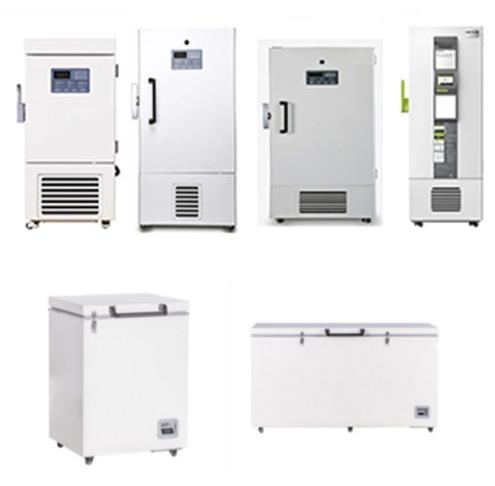
Blood Bank Refrigerators:
Designed for the safe storage of blood and blood products.
Equipped with precise temperature control and specialized compartments.

Chromatography Refrigerators:
Exclusively built for the storage of chromatography columns used in analytical chemistry.
Features accurate temperature control and specialized storage designs.
Maintenance and Best Practices:
Regular Temperature Monitoring:
Monitor temperature frequently with a calibrated thermometer or a monitoring system.
Proper Cleaning:
Regularly clean the interior and exterior to prevent dirt accumulation.
Proper Storage Organization:
Organize samples for optimal storage, preventing cross-contamination.
Avoiding Overloading:
Do not exceed recommended capacity to maintain optimal performance.
Regular Defrosting:
Defrost regularly to prevent ice buildup and ensure effective cooling.
Door Management:
Avoid frequent and extended door openings to maintain temperature stability.
Regular Maintenance Checks:
Schedule inspections to evaluate and calibrate temperature sensors, test cooling systems, and inspect seals.
Power Outage Preparedness:
Install backup power sources to maintain temperature stability during power outages.
Compliance with Manufacturer’s Recommendations:
Follow manufacturer's guidelines for operation, maintenance, and safety precautions.
In summary, laboratory refrigerators are indispensable tools in maintaining the integrity and viability of stored samples, contributing to accurate experimental results and research outcomes in laboratory settings. Adhering to proper maintenance practices ensures optimal performance and extends the lifespan of these crucial devices.
Ultra-low temperature freezers, also known as ULT freezers, play a crucial role in scientific research by providing a reliable and consistent storage solution for samples at extremely low temperatures. These specialized refrigeration systems are designed with a focus on achieving and maintaining temperatures as low as -86°C. The construction of ultra-low temperature freezers involves heavy-duty insulation, high-quality materials, and advanced refrigeration systems, with the cascade refrigeration system being the most commonly used for achieving ultra-low temperatures.
These freezers are essential for various applications in scientific and research contexts, including biomedical research, pharmaceuticals, clinical laboratories, forensics, and environmental research. In biomedical research, ULT freezers preserve biological samples such as tissues, cells, blood, and plasma. In the pharmaceutical industry, they are critical for storing sensitive medications and vaccines. Clinical laboratories use these freezers to store patient samples for diagnostic tests, while in forensics, they are employed to keep biological evidence intact for DNA profiling and other forensic studies. ULT freezers also contribute to environmental research by preserving samples like soil, water, and air for long-term analysis.
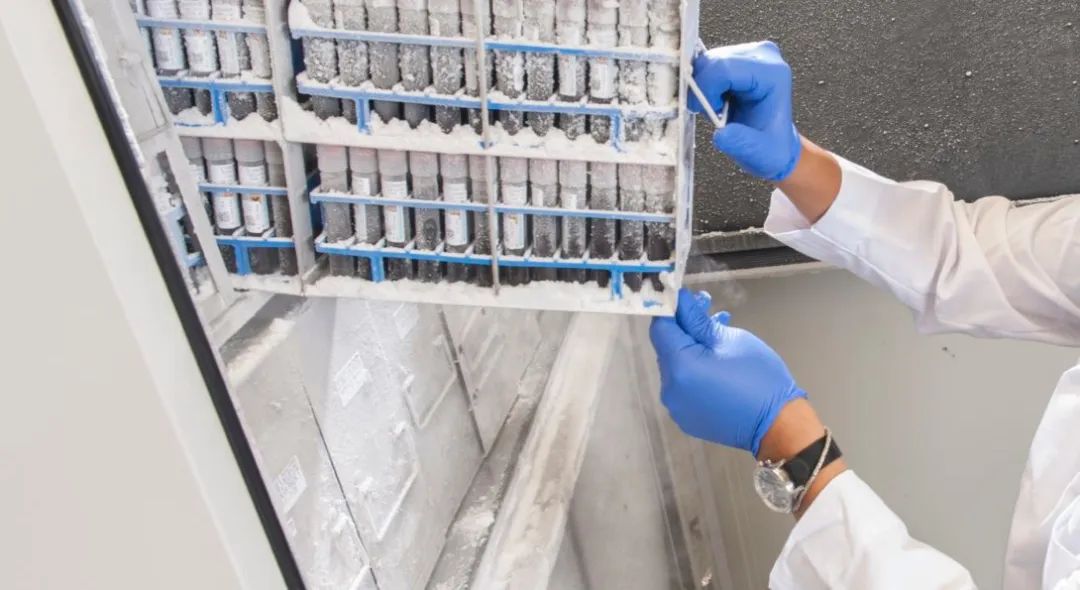
The advantages of ultra-low temperature freezers include their ability to preserve samples for extended periods without degradation, their reliability with superior temperature control systems, and their adaptability to hold various sample types and sizes. Energy efficiency is addressed through features like high-efficiency compressors, improved insulation, and LED lighting. Additionally, advanced features such as touch-screen interfaces, remote monitoring, and backup power supply options enhance convenience and ease of use.
When choosing ultra-low temperature laboratory freezers, researchers need to consider factors like cost, energy consumption, space requirements, and maintenance. Prices can vary, and researchers must evaluate their budget and funding availability. Energy consumption is a significant consideration due to operational costs, and researchers should opt for energy-efficient models when possible. The physical space available in the laboratory must be assessed for proper installation and ventilation. Regular maintenance, including defrosting, cleaning, and temperature sensor calibration, is necessary for ensuring optimal operation and accurate temperature management.
In summary, ultra-low temperature freezers which provide the necessary conditions for the consistent and dependable storage of samples at ultra-cold temperatures, are indispensable tools in contemporary scientific research.