
Fume hoods are indispensable pieces of equipment in laboratory settings, providing crucial protection for researchers and lab personnel against hazardous gases, vapors, and airborne particles. These enclosed workspaces play a pivotal role in maintaining a safe and controlled environment when handling chemicals, volatile compounds, or biological agents. In this article, we delve into the workings of fume hoods, shedding light on their operational principles and processes aimed at ensuring the health and well-being of laboratory workers.
Fundamental Operational Principle of Fume Hoods
At its core, a fume hood operates by capturing, containing, and expelling dangerous airborne substances away from the user. By regulating airflow, fume hoods effectively prevent the dispersion of hazardous compounds into the laboratory environment, thereby minimizing the risk of exposure.
The Working Process of Fume Hoods
To facilitate the safe handling of hazardous materials, fume hoods employ a combination of containment mechanisms, airflow regulation, and exhaust systems.
Containment:
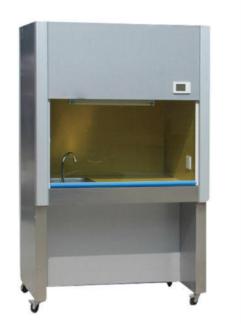
Fume hoods are constructed as enclosed spaces where hazardous compounds are managed. They typically feature a box-like structure with sides, a rear panel, and a front opening covered by a sash. The sash can be raised or lowered to control access to the workspace. Internally, fume hoods are lined with chemical-resistant materials to prevent corrosion and facilitate easy cleaning.
Airflow Regulation:
Critical to maintaining a controlled atmosphere within the workspace is the airflow control system integrated into fume hoods. This system comprises an exhaust fan, ductwork, and filters.
Exhaust Fan: Generating negative pressure within the fume hood, the exhaust fan draws air and pollutants towards the exhaust system.
Ductwork: Fume hoods are connected to either the building's exterior or a designated ventilation system through ductwork, which facilitates the removal of contaminated air from the laboratory.
Filters: Often incorporated into exhaust systems, filters remove impurities from the air before its release into the environment. Common filter types include activated carbon filters for chemical adsorption and HEPA filters for particulate filtration.
Airflow Patterns:
When the exhaust fan is activated, it creates negative pressure within the fume hood. This negative pressure draws air from the laboratory into the fume hood through the front opening, before expelling it out through the rear.
Capture Velocity:
The capture velocity refers to the controlled rate at which air is drawn into the fume hood to capture and contain harmful chemicals. This velocity is adjusted based on the types of compounds being handled and specific laboratory requirements.
Baffles:
Strategically positioned within the fume hood, baffles disrupt the straight-line airflow, creating turbulence. This turbulence facilitates the mixing and dilution of hazardous compounds, aiding in their collection and containment.
Exhaust System:
Following containment and dilution, the exhaust fan evacuates the trapped pollutants and air from the fume hood. Linked to a ducting system, the exhaust fan transports contaminated air either outside the building or into a designated ventilation system. Before release, exhaust air may undergo filtration to remove residual impurities.
Sash Positioning:
The positioning of the sash plays a crucial role in maintaining fume hood functionality. By adjusting the sash height, users can manage airflow and maintain the desired capture velocity, ensuring an effective barrier between themselves and hazardous substances.
Safety Measures:
Modern fume hoods often incorporate monitoring and safety features to optimize performance and ensure human safety. These may include airflow sensors to maintain required capture velocities, alarms to signal low airflow or malfunctions, and indicators to monitor filter saturation or system status.
In Summary
Fume hoods serve as indispensable safeguards in laboratory environments, shielding personnel from potentially harmful gases, vapors, and particles. Through the integration of airflow control, containment mechanisms, and exhaust systems, fume hoods effectively capture, contain, and eliminate airborne contaminants. Understanding the operational principles of fume hoods is crucial for their correct usage, maintenance, and adherence to safety protocols, thereby fostering a secure and controlled atmosphere for scientific research and experimentation.
A fume hood is a critical component of laboratory safety, providing researchers with a controlled environment to handle potentially hazardous compounds. These specialized ventilation devices are designed to manage and eliminate toxic fumes, gases, vapors, and particulate matter produced during laboratory processes. In this article, we'll delve into the purpose of a fume hood, exploring its versatility and significance in ensuring a safe laboratory environment.
Purpose of a Fume Hood:
Protection of Personnel: The primary purpose of a fume hood is to safeguard laboratory staff from exposure to harmful substances. Fumes and vapors produced by chemicals or volatile substances can pose significant health risks if inhaled or come into contact with the skin or eyes. Fume hoods create a physical barrier between workers and hazardous materials, minimizing the risk of direct exposure and ensuring the safety of laboratory personnel.
Containment of Hazardous Substances: Fume hoods are essential for containing hazardous pollutants within the laboratory environment. They provide a safe workspace for conducting chemical reactions, sample preparations, and other laboratory activities involving volatile or caustic compounds. By utilizing a clear sash or sliding door, fume hoods prevent the escape of fumes, gases, or particulate matter, ensuring containment and safety.
Ventilation and Exhaust: Fume hoods utilize a ventilation system to maintain controlled airflow within the workspace. Air from the laboratory is drawn into the hood, capturing and trapping hazardous gases and chemicals. The trapped fumes are then safely expelled to the outside environment through a duct system by the ventilation system. This continuous airflow minimizes the accumulation of harmful substances in the workspace, promoting a safe working environment for laboratory personnel.
Environmental Protection: In addition to protecting workers, fume hoods play a crucial role in environmental protection. The exhaust system of a fume hood ensures that harmful vapors and substances are safely removed from the laboratory and released outside the building. This helps maintain air quality and reduces the risk of contamination or pollution by preventing the release of hazardous compounds into the environment.
Compliance with Safety Regulations: Fume hoods assist laboratories in meeting regulatory requirements and standards for occupational health and safety, environmental protection, and laboratory operations. Regulatory authorities and organizations have specific criteria and rules for fume hood design, installation, operation, and maintenance. Compliance with these regulations ensures that laboratories maintain a safe working environment and adhere to best practices when handling dangerous compounds.
Applications and Versatility of a Fume Hood:
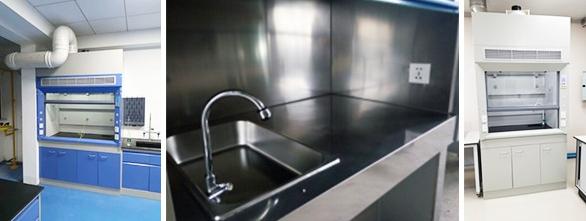
Chemical Handling and Analysis: Fume hoods are commonly used for chemical handling and analysis in laboratories. They provide a safe environment for working with volatile, poisonous, or caustic substances, ensuring that reagents, solvents, acids, bases, and other chemical compounds are handled safely.
Biological Safety: In biosafety applications, fume hoods with adequate filters or ventilation systems are utilized. These hoods provide a controlled environment for working with infectious materials, biological agents, or genetically modified organisms (GMOs), safeguarding researchers from biological hazards.
Pharmaceuticals and Drug Development: Fume hoods play a crucial role in pharmaceutical research and development, providing a secure environment for working with active pharmaceutical ingredients (APIs), powerful chemicals, and pharmaceutical formulations.
Industrial Research and Development: Fume hoods are utilized in industrial research and development settings across various industries, including chemical manufacture, materials science, and product development. They enable scientists to work safely with hazardous materials, conduct experiments, and optimize processes.
Research Laboratories: Fume hoods are essential in research laboratories across scientific disciplines such as chemistry, biochemistry, molecular biology, and environmental science. They offer a flexible and adaptable workspace for conducting experiments, handling samples, and operating with hazardous substances.
Education and Training: In educational institutions, fume hoods are used for teaching and training purposes during laboratory experiments and demonstrations. They ensure the safety of students and teachers, allowing hands-on experience with chemicals and hazardous materials while adhering to safety protocols.
Specialty Applications: Fume hoods find applications in various specialty fields and research areas, providing a safe environment for conducting specialized experiments and handling specific types of hazardous substances.
In summary, fume hoods are indispensable tools in laboratory safety, offering protection for personnel, containment of hazardous substances, ventilation, environmental protection, and regulatory compliance. Their versatility and significance extend across a wide range of applications, ensuring a safe and secure working environment in laboratories worldwide.