
Diablo IV's primary world is a massive open world medieval apocalypse with gnostic mood, blood, gore, and dark comedy. Sanctuary is a location of calamity, degradation, and pain.
1. Open World
Diablo IV is a medieval role-playing game influenced by occult, demonic, and biblical elements rather than standard high fantasy. The globe will be bigger than ever, with regions 10-20 times larger than in previous Diablo games.
2.Regions in Sanctuary and Hell
In the open world, there are five separate, contiguous regions: Fractured Peaks, Scosglen, Dry Steppes, Kehjistan, and Hawezar. We shall also visit the Hell dimension. More regions may be added after the initial launch.
3.Local Events
There are several activities available in the open world. Events range from everyday occurrences, such as the Drowned attacking the coastline, to world boss occurrences, such as Ashava, the Pestilent.
4. Towns and Strongholds
Over 100 settlements of varying sizes, including Towns and Strongholds, are scheduled for deployment. Major towns are the game's social hubs, where you can find quests, vendors, a waypoint, and other players. You can examine other players, trade with them, or search for a group.
5.Waypoints
Waypoints are back as a quick way to travel long distances.
There is a navigation system in the open world that allows you to mark a location on the map, which will show the shortest route to that destination on the map.
6.Story and Campaign of Diablo IV
Diablo IV is set decades after the events of Diablo III: Reaper of Souls. Malthael's campaign wiped out 90% of Sanctuary's people and devastated the world. The Angels have abandoned humanity, and Heaven's gates are closed.
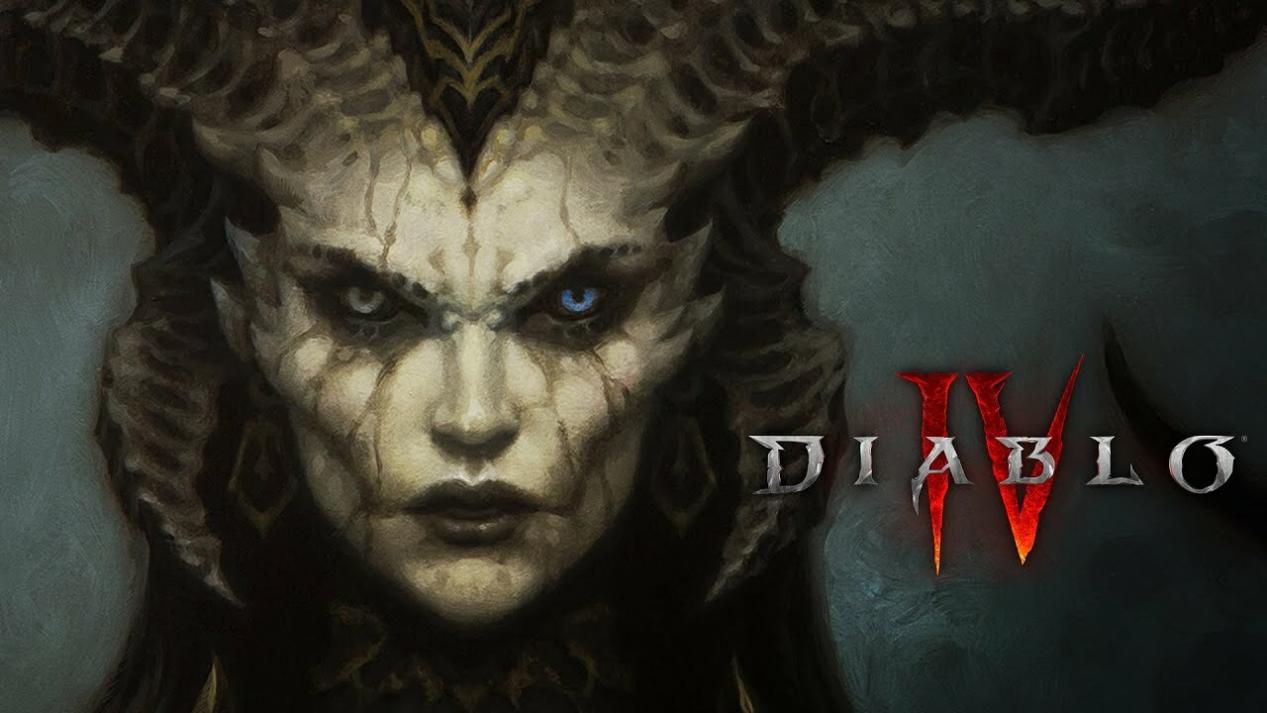
Lilith (Daughter of Mephisto, Mother of Sanctuary and Humanity) was summoned to Sanctuary by a wicked ritual for which the Triune is accountable after ages in exile.
Career and Combat Experience
After entering the Diablo IV game, we naturally have to create a character, which is naturally better than the previous game. Then, we have to choose from five professions: Barbarian (melee expert with weapons), Druid(transformation and elemental attacks), Necromancer (summon undead to fight together), Sorcerer (specializes in fire, ice, and thunder magic attacks), Rogue (proficiency with ranged weapons and combos).
Open World
The open world map of “Diablo 4” is basically seamless, except for teleportation and entering certain dungeons. Although the game is mmorpg, but except in the main city can meet a lot of friends, there will be no crowding in the wild, so don't worry no monsters.The player's collection and achievements are basically arranged in the dungeon, the small dungeon is for everyone to go in and brush equipment, and the rewards are better. Large-scale dungeons are set up with more complex mechanisms and powerful bosses, which are the main goals of everyone.
Limited Trading System
In equipment transactions, "Diablo 4" is different from its predecessor. In the "Diablo 2" , there is a completely free trading system, and anything can be exchanged; in the "Diablo 3", every item is bound. In the "Diablo 4" , yellow and blue equipment of Diablo IV can be traded freely, while some items are also bound, which can be regarded as a restricted trading mode. Whether such a model can be successful will take the test of time.
Skill Tree
The development team referred to the designs of many other competing products on the market, abandoned the skill runes in Diablo 3, and adopted a skill tree system that requires points. The skill tree system can be overly complex for new players, but at the beginning, it costs very little point. In addition, the settings in the skill tree have a synergistic effect with the equipment obtained by the player. A suitable legendary equipment paired with a suitable skill selection will have a great effect.
Game Modes: Normal, Hardcore, Solo Self-Found, and Offline Play
Diablo IV will offer a variety of game modes to cater to different player preferences. The traditional Normal mode will be available, where characters can face challenges without the fear of permanent death. Hardcore mode, on the other hand, remains true to its roots, where characters will be permanently lost upon death. Unlike games like Path of Exile, there are no plans for characters to be converted to Normal mode after dying.
In addition to Normal and Hardcore modes, Diablo IV introduces Solo Self-Found mode, catering to players who prefer a completely self-reliant and solo gameplay experience. This mode restricts trading and sharing of items between players, allowing for a more personal and challenging journey.
For players who prefer to embark on their adventures offline, Diablo IV offers an Offline Play mode. This allows players to enjoy the game's content without the need for an internet connection, providing flexibility and accessibility.
Grouping vs. Solo Play
Diablo IV allows players to form groups of up to four players to tackle challenges together. Staying close as a group grants a beneficial buff, providing bonus XP ranging from 5% to 11%, depending on the number of players nearby. The campaign and world state of the party leader will be used for the group's progress.
While group play is encouraged and rewarding, the developers understand the importance of solo play. They aim to ensure that solo play is equally fulfilling and satisfying. However, if there are discrepancies between solo and group play, they lean towards favoring group play to maintain a healthy multiplayer experience. Regardless of the chosen playstyle, all content progression and items will be available to all players.
Mounts
Introducing a new feature to the Diablo universe, mounts offer a means of traversing the vast regions of Sanctuary with style and efficiency. Players can obtain various horse breeds and other mounts through completing puzzles, discovering hidden locations, and defeating specific monsters, among other methods.
Mounts in Diablo IV can equip equipment that not only enhances their stats but also alters their appearance. For example, equipping hoof plates increases the mount's speed, while trophies serve as a visual symbol of completing challenging tasks, catching the attention of other players.
Vertical and Horizontal Movement
Diablo IV brings both vertical and horizontal movement to the game, allowing players to explore and navigate the game world in more dynamic ways. This opens up new possibilities for encountering hidden secrets, reaching elevated areas, and engaging in thrilling combat scenarios.
Achievements
In Diablo IV, achievements are referred to as Challenges and are categorized into various sections such as Classes, Crafting, Open World, and more. Completing these Challenges not only provides a sense of accomplishment but also rewards players with unique player titles, showcasing their dedication and prowess.
Clans
Clans in Diablo IV serve as the game's equivalent of guilds, fostering a sense of community and cooperation among players. Clans come with their own banner and bank, providing a central hub for members to gather and strategize. While clan leaderboards are being considered, they have not been confirmed at this time. Additionally, player and clan housing is not currently planned for the game. To facilitate communication within clans, Diablo 4 will feature in-game voice chat, including clan and party voice chat options.
Death Penalty
In Normal mode, when a character dies, they will respawn at the last checkpoint with their gear intact. This allows players to quickly get back into the action and continue their journey without significant setbacks.

Diablo IV will have five classes: Barbarian, Druid, Warlock, Rogue and Necromancer at launch.
1.Barbarian class in Diablo IV
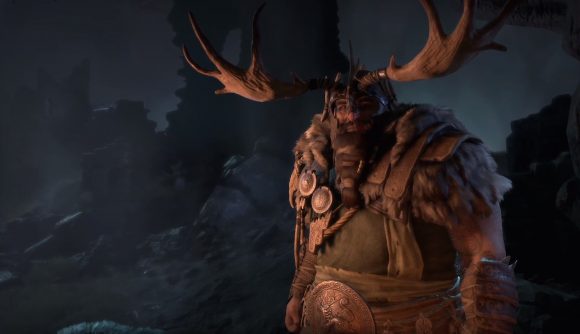
Popular among fans, the Barbarian focuses on brutal, physical combat. Most of the barbarian's abilities will be familiar to players of the Diablo universe.
The barbarian is one of the most iconic classes in the Diablo series. These huge Nordic berserkers have an arsenal of powerful weapons and a well-deserved reputation for their ferocity and relentlessness in combat. For players who like to take on their enemies in close combat, the barbarian fulfills every aspect of this amazing class fantasy. This class offers a wide range to satisfy all types of physical combat, from the classic whirlwind to frenzy and berserk to rending enemies to spill their blood on the battlefield. Get ready!
2.The Druid Class in Diablo IV
The iconic Druid returns from Diablo II with a familiar mix of elemental, shapeshifting, and summoning abilities. Shapeshifting occurs seamlessly through the use of specific abilities associated with a particular form (Werewolf or Werebear).
Druids are an extremely versatile class with many ways to play them. Do you like the spellcasting, elemental effect of a wizard? Do you want to turn into a wolf to shred your enemies with fast and fierce claws, or into a bear to resist the hardest blows? Why do not you combine them in new and exciting ways?
Unlike the Druid in Diablo II, the Druid in Diablo IV is fluid. You can choose both wolf and bear forms and seamlessly switch between them to create a fast-attacking wolf with the survivability of the biggest, baddest bear. You can combine the elemental powers of wind, earth and air to confuse and destroy your enemies -- you can even combine a shapeshifter with a wizard if you want. There are a variety of companions to choose from, or you can even select more than one -- swarming ravens, focused empowering wolves or poisonous immobilizing tendrils.
3.Warlock Class in Diablo IV
The powerful but fragile sorcerer uses elemental magic to destroy enemies from afar. Skills can light up dark rooms.
We love the wizard because we long for the life of a master of arcane elements and ancient knowledge, fighting alone in the wilderness against demons and ravenous beasts. Whether you conjure the flames of hell to burn your enemies, summon cataclysmic lightning to tear them to pieces, or freeze them to the core with the power of ice and blizzard, this class has something for you.
However you choose to play the class, some things will always be the same. You can do massive damage, but you can not absorb much of it yourself. In general, you should stay in range rather than going confrontational. And you should focus a lot on your synergies, equipment, and skills to get the most out of your class. A legendary item that works well for a fire wizard may be useless for one who prefers to use frost or shock.
4.Rogue Class in Diablo IV
The rogue is a high mobility class that kills with finesse and speed. It is both a ranged and melee DPS that uses swords, daggers, bows and crossbows to defeat enemies. This class has elements familiar to both the assassins from Diablo II and the demon hunters from Diablo III.
The rogue is making a comeback after taking a break in the Diablo franchise for a few titles. Combining the lessons he learned from the Assassin and Demon Hunter, the Rogue from Diablo IV is back in fine form. With ranged and melee abilities and access to stealth, traps, and decent defensive gear, the highly mobile rogue is fearsome in both group and single player content. The rogue is capable of taking on just about anything you put in front of it, in whatever form the player prefers, and with so much variety that a different build can almost feel like a different class. Whether it's stealth and shadows, bows and traps, poison or ice, the rogue is out quickly and has done its job well.
5.Necromancer Class in Diablo IV
The legendary necromancer is a scythe wielder who summons death. A summoner who is proficient in blood, shadow, and bone magic. He is a ranged and melee DPS and is supported by his army of the dead. You can be a summoner or choose to play with no minions at all. This class has elements familiar to necromancers from Diablo II and Diablo III.
The Necromancer in Diablo IV will feel both familiar and new to those who have played this class in previous games in the Diablo series. You'll be able to summon a platoon of undead minions and golems to accompany you across the Broken Peaks and beyond once the full game is released, while casting curses, dealing spell damage through darkness, corruption, bone and blood, and summoning bone spears and walls to further harass or even destroy those who dare oppose you.
We assume that there are many different ways to play this class, but all aspiring necromancers will have similar experiences in some way. When playing a Necromancer, you will need to carefully consider how you balance your offensive and defensive abilities; you are lightly armored and very weak compared to Lilith's servants. You'll probably find that groups of less powerful enemies are easy fodder for you, but strong individual bosses are more challenging. And of course, your equipment and legendary items of Diablo 4 are of utmost importance and must be chosen carefully.
Diablo IV is an action role-playing game developed by Blizzard Entertainment. The game is set in a dark, gothic world full with demons, monsters, and other strange creatures. One of the most exciting aspects of Diablo 4 is the vast array of in-game items and weaponry that players may collect and use to defeat their opponents.
Weapons of Diablo IV
Diablo IV comes with a plethora of weapons, each with its own set of attributes and powers. Legendary and set items, which have particular traits that can provide players with a significant advantage in combat, are among the game's most potent weaponry.
The sword is one of the most iconic weapons in Diablo 4. Swords vary in size and shape, ranging from tiny blades to massive two-handed weapons. They are capable of delivering rapid, precise strikes as well as enormous, sweeping attacks that damage multiple opponents at once. Two of the game's most lethal weapons are the legendary Blade of the Immortal King, which grants the user increased attack speed and critical hit probability, and the set item The Slanderer and Little Rogue, a pair of daggers that improve the player's damage and defense when used together.
Another common weapon type in Diablo 4 is the bow. Bows are long-ranged weapons that allow players to attack from a distance, making them ideal for destroying enemies before they get too close. The legendary Windforce, which knocks foes back with each strike, and the set item Natalya's Vengeance, which improves the player's critical hit probability and damage, are two of the most powerful bows in the game.
Aside from swords and arrows, Diablo IV contains a wide variety of weaponry such as axes, maces, spears, and more. Each weapon has unique characteristics that can be adjusted to the player's liking.
Armor of Diablo IV
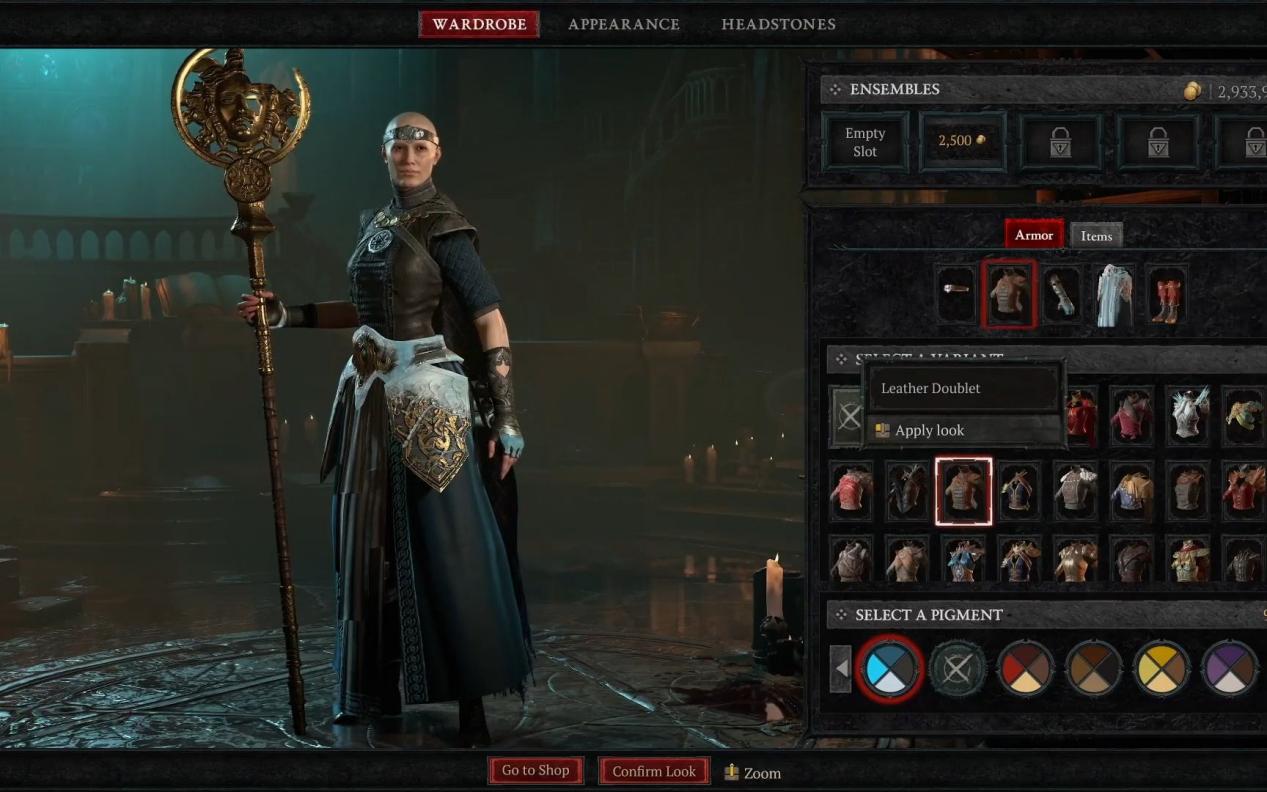
Armor is another important aspect of Diablo IV because it defends the player from enemy attacks and may be used to improve the character's attributes and skills. Armor, like firearms, comes in a wide range of types, from light leather to heavy plate. Legendary and set pieces are among the most powerful armor in the game, as they can provide players exceptional powers and bonuses.
The Immortal King armor set is one of Diablo 4's most popular. This set includes a helmet, gloves, chest armor, and boots, each of which provides the player with a unique set of benefits. When worn together, the outfit improves damage and protection while also allowing the player to summon a powerful Ancient to battle with them.
Another strong armor set is the Tal Rasha set. This outfit includes a helmet, amulet, chest armor, belt, and boots, all of which improve elemental damage. The outfit enhances elemental damage and the player's ability to perform powerful spells when worn together.
Diablo IV includes a variety of armor parts, including shields, bracers, and rings, as well as armor sets. Each piece of armor can be customised with jewels and other objects to improve its attributes.
Consumables Items of Diablo IV
In addition to weapons and armor, Diablo IV offers a variety of consumable items that can provide players with a temporary boost in combat. These contain health and mana potions, as well as elixirs and scrolls.
Health potions are possibly the most important consumable item in Diablo 4, allowing players to replenish health instantly while battling. Mana potions are also useful since they allow players to recover their mana while continuing to cast spells.
Consumable items in Diablo IV include elixirs, which offer temporary benefits to the player's stats, and scrolls, which allow players to cast powerful spells without the consumption of mana.
Summary
Diablo IV includes a plethora of in-game items and weaponry that may be customized and modified to the player's liking. Players have a plethora of options for battle gear, ranging from deadly swords and bows to legendary armor sets. With the game's release date approaching, fans of the franchise are eager to explore the game's world and discover all of the interesting riches that it has to offer.