
The adventure motorcycle segment is fiercely competitive, but VOGE has thrown down the gauntlet with the DS800X Rally—a hardcore, rally-inspired machine designed for long-distance exploration and extreme off-road terrain.

Design
Rally-Inspired Aesthetics
Dakar-style beak front fender and high-mounted mudguard
Steel-aluminum hybrid frame balances weight (220 kg wet) and durability
Factory-equipped with skid plates, crash bars, and spoke wheels
Ergonomics for Adventure
Adjustable seat height (860mm, with low-seat option)
Upright riding position and narrow fuel tank for better standing control
Engine Performance
The VOGE DS800X Rally is based on VOGE’s proven 800 cc parallel-twin engine, renowned for its smooth power delivery, strong mid-range torque, and reliable performance across varied conditions. Equipped with ride-by-wire throttle and multiple ride modes, it’s tuned for rally-inspired riding—balancing on-pavement usability with off-road agility.
Suspension & Off-Road Capability
KYB 43mm inverted forks (220mm travel) + linkage rear suspension (200mm travel)
260mm ground clearance, 850mm water-fording depth
21-inch front / 18-inch rear spoked wheels with tubeless Continental TKC 80 tires
Electronics: Smart Adventure Tech
6-axis IMU for lean-sensitive ABS and traction control
5 ride modes (including full-off-road mode with rear ABS disable)
7-inch TFT display with smartphone connectivity & navigation
Adaptive cornering LED headlights
Target Riders
Hardcore adventurers – Built for deserts, mountain trails, and remote expeditions
Long-distance tourers – 30L fuel tank for 500+ km range
Riders upgrading from mid-capacity ADV bikes – Balances power and manageability

Market Potential & Challenges
Strengths
Disruptive pricing – 30-40% cheaper than comparable imports
Localized support – Loncin’s dealer network for specialized servicing
Questions Remaining
Long-term durability under extreme conditions
Electronics reliability in harsh environments
Final Thoughts
The VOGE DS800X Rally isn’t just another adventure bike and it’s a statement. By offering rally-spec hardware, cutting-edge tech, and an unbeatable price, VOGE is forcing the big players to take notice. For riders who demand serious off-road capability without the premium price tag, this might be the most compelling ADV motorcycle of 2024.
The global demand for tissue paper products—ranging from toilet paper and facial tissues to napkins and paper towels—continues to grow with population expansion and rising hygiene awareness. However, traditional tissue paper manufacturing has often been criticized for its environmental impact, including deforestation, high water and energy usage, and chemical pollution. As sustainability becomes a priority across industries, manufacturers are seeking and adopting greener practices to reduce their ecological footprint without compromising product quality.

Environmental Challenges in Traditional Tissue Paper Manufacturing
Tissue paper production typically involves the use of virgin wood pulp, which contributes to deforestation and biodiversity loss. The process is energy-intensive and consumes large quantities of water and chemicals such as bleaching agents and softeners. Additionally, wastewater discharge and carbon emissions pose serious threats to local ecosystems and global climate goals.
Key Sustainable Solutions in the Industry
To address these concerns, tissue paper manufacturers are increasingly integrating sustainable solutions throughout the production lifecycle—from raw material sourcing to end-product packaging.
1. Recycled and Alternative Fiber Usage
One of the most effective ways to reduce environmental impact is to use recycled paper or non-wood alternative paper products, such as bamboo tissue paper. These materials:

Require less energy and water to process
Minimize reliance on deforestation
Support circular economy initiatives by repurposing waste streams
Innovations in pulping and cleaning technologies have also improved the softness and strength of recycled-fiber-based tissues, making them a viable alternative to virgin pulp products.
2. Water and Energy Efficiency
Modern tissue mills are investing in closed-loop water systems that reduce freshwater intake and minimize effluent discharge. Technologies such as dry creping and through-air drying (TAD) can improve energy efficiency significantly. Additionally, the use of renewable energy sources—like biomass boilers, wind, or solar—helps reduce carbon emissions and reliance on fossil fuels.
3. Eco-friendly Chemicals and Bleaching Processes
Traditional bleaching often involves chlorine-based agents that can produce harmful dioxins. Manufacturers are now adopting:
Totally Chlorine-Free (TCF) or Elemental Chlorine-Free (ECF) bleaching
Biodegradable softeners and binders
Enzymatic treatments that reduce chemical usage while enhancing fiber bonding and tissue softness
These innovations lead to safer production and more biodegradable end products.
4. Sustainable Packaging Solutions
The environmental impact of tissue paper does not end with the product itself. Manufacturers are reducing plastic use by switching to:
Compostable or recyclable paper-based packaging
Biodegradable films made from plant starch
Minimalistic or bulk packaging to reduce overall waste
This not only enhances sustainability but also appeals to environmentally conscious consumers.
5. Carbon Footprint Reduction and Green Certifications
Many manufacturers are now conducting lifecycle assessments (LCAs) to track emissions and identify areas for improvement. By optimizing logistics, using low-emission transportation, and adopting energy-saving infrastructure, the overall carbon footprint can be reduced.
Certifications such as:
FSC® (Forest Stewardship Council)
PEFC™ (Programme for the Endorsement of Forest Certification)
EcoLabel
CarbonNeutral®

Benefits Beyond the Environment
Sustainable tissue manufacturing is not only environmentally responsible but also economically advantageous in the long run. Companies that invest in green technology benefit from:
Operational efficiency and cost savings
Compliance with evolving environmental regulations
Enhanced brand reputation and consumer loyalty
Access to growing eco-conscious markets
Summary
Sustainability in tissue paper manufacturing is evolving from a niche concern to a core operational strategy. Through the use of recycled fibers, clean energy, water-saving systems, eco-friendly chemicals, and sustainable packaging, manufacturers can significantly reduce their environmental impact. As global awareness and regulatory demands continue to grow, adopting sustainable solutions is no longer optional and it’s essential for a resilient and responsible future.
Swing bolts, also known as swing clamps or swing-eye bolts, are specialized fastening devices used in applications where quick access and secure closure are essential. Their unique design allows for easy manual operation while providing a strong and stable clamping force. The swing bolts are widely used in industrial machinery, pressure vessels, equipment enclosures, and various maintenance-intensive assemblies.

What Are Swing Bolts?
A swing bolt is a mechanical fastener that features a pivoting or swinging eye, head, or arm attached to a threaded shaftt. Instead of being removed entirely from the assembly like a standard bolt, the swing bolt can pivot out of the way once loosened. This allows the fastener to remain attached to one part of the assembly while enabling quick access or disassembly of the connected components.The primary components typically include:
Threaded shank – screws into a tapped hole or is used with a nut.
Swinging head or arm – pivots to release or secure a mating surface.
Retaining structure – often includes a washer or shoulder for guided movement.
Key Features and Advantages
Swing bolts offer several functional and practical advantages:
Quick Operation: The swinging mechanism enables rapid opening and closing, ideal for frequent assembly/disassembly without removing the bolt entirely.
Retained Fastening: The bolt stays attached to the equipment, reducing the risk of loss or misplacement during servicing or maintenance.
Durability: Typically made from robust materials such as stainless steel, carbon steel, or alloy steel, swing bolts are designed to endure high mechanical loads and challenging environments.
Custom Fit: Many swing bolts are available in various lengths, thread sizes, and head styles, with options for custom modifications to suit specific mechanical assemblies.

Common Applications
Swing bolts are used in a variety of industries and settings, including:
Pressure Vessels and Flanged Closures: Offering quick yet secure closure for inspection hatches and manways.
Industrial Equipment Maintenance: Ensuring tool-free and time-saving access to internal components.
Molds and Dies in Manufacturing: Clamping workpieces or fixtures securely in place during machining or molding operations.
Military and Aerospace Equipment: Providing reliable fastening in vibration-prone or high-load applications.
Power and Utility Cabinets: Allowing frequent yet secure access to electrical or mechanical enclosures.
Types of Swing Bolts
Several variations exist depending on the application:
Eye Swing Bolts: Featuring an eye loop that swings to engage or release.
T-bolts with Swinging Clamps: Common in machine tool setups.
Cam-Action Swing Bolts: Use a cam mechanism for fast and strong locking with minimal tightening.
Customized Designs: Tailored to meet specific alignment, sealing, or ergonomic requirements.
Considerations for Selection
When selecting a swing bolt for an application, several factors must be taken into account:
Load capacity and tensile strength
Thread compatibility
Environmental conditions (e.g., temperature, corrosion exposure)
Frequency of use
Material compatibility with other components
Proper selection ensures both safety and longevity in use, especially in mission-critical assemblies.

Summary
Swing bolts are an efficient and reliable fastening solution where speed, safety, and simplicity are essential. Their versatile design makes them ideal for applications requiring frequent access or repositioning, all while maintaining structural integrity and preventing fastener loss. As industries continue to prioritize productivity and ease of maintenance, swing bolts remain a valuable component in many mechanical and structural systems.
In the demanding world of maritime operations, safety is paramount. One of the critical elements in safeguarding vessels and crew is the integration of fire and watertight rated marine doors. These specialized doors play a crucial role in maintaining structural integrity, preventing the spread of fire, and stopping water ingress in emergency situations.
The Importance of Fire and Watertight Marine Doors
Ships and offshore platforms operate in environments where fire and flooding pose severe threats. Whether it's a cargo ship, naval vessel, offshore rig, or passenger cruise liner, maintaining compartmentalization is essential for both safety and operational stability. Fire and watertight marine doors are designed to resist extreme conditions and provide secure separation between compartments.
These marine doors are engineered to meet rigorous international maritime safety standards, including those from the International Maritime Organization (IMO) and classification societies such as DNV, ABS, Lloyd’s Register, and CCS.

Fire-Rated Marine Doors
Fire-rated marine doors are designed to contain and resist fire for a specified duration, typically 30, 60, or 120 minutes. These doors are essential for:
Preventing fire propagation between engine rooms, control centers, accommodation areas, and escape routes.
Protecting vital equipment and systems critical to vessel operation.
Allowing safe evacuation time for crew and passengers.
Constructed using fire-resistant insulation, steel plating, and intumescent seals, fire-rated doors undergo rigorous testing to ensure they withstand intense heat and pressure.

Watertight Marine Doors
Marine watertight doors are built to withstand water pressure and prevent water ingress between compartments. They are vital in scenarios involving hull breaches, flooding, or rough sea conditions. Common features include:
Compression sealing systems with gasket-lined edges.
Heavy-duty dogging mechanisms or hydraulic operation for secure closure.
Strengthened steel structures to resist deformation under pressure.
Watertight doors are typically installed below the waterline or in areas prone to exposure to seawater, such as bulkheads, engine rooms, and cargo holds.
Combined Fire and Watertight Doors
Some marine doors are certified as both fire-rated and watertight, providing comprehensive protection in a single unit. These are especially critical in spaces where dual threats—such as fire and flooding—are present, like engine control rooms or battery storage compartments.

Types and Operating Mechanisms
Marine-rated doors come in various configurations, including:
Hinged or sliding designs
Manually operated or hydraulic/electrically driven systems
Single or double leaf structures
Depending on the door’s function and location, operation may require rapid manual access or be automated for remote control in restricted or hazardous zones.
Compliance and Certification
To be installed on a certified vessel, fire and watertight doors must:
Be tested and certified according to SOLAS regulations and IMO Fire Test Procedures Code (FTP Code).
Display appropriate type approval and be manufactured under quality assurance systems audited by class societies.
Final Thoughts
Fire and watertight rated marine doors are more than just access points—they are essential safety components designed to protect life, cargo, and the vessel itself. As ship design becomes more advanced and risks evolve, these doors continue to be engineered for higher resilience, smarter integration, and faster response. Investing in high-quality, certified doors is not just a regulatory requirement—it’s a commitment to safety at sea.
Looking for a compact and fully automated concrete solution? A self loading concrete mixer for sale might be exactly what your construction site needs. This type of mixer combines the functions of a wheel loader, concrete mixer, and transport vehicle — all in one unit. It's ideal for remote locations, narrow job sites, and small to medium-sized construction projects where traditional batching plants and transport mixers are not feasible.
At Daswell Machinery, we offer a full range of self loading concrete mixers that are engineered to save time, labor, and cost. These machines automatically load materials, weigh and mix them on the go, and rotate the drum up to 270° for precise discharge. Available in capacities from 1.2 m³ to 6.5 m³, they offer unmatched versatility for jobs like rural road paving, residential foundations, and hillside construction.
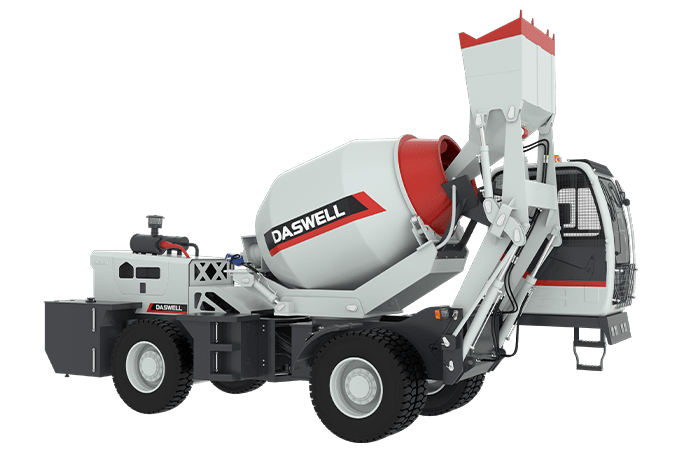
Self loading concrete mixers are used for a wide range of applications, including:
Compared to separate equipment, the concrete mixer pump is better suited for urban high-rise or long-distance pumping jobs, while the self loading mixer is ideal for fully independent mixing in hard-to-reach sites.
With over 20 years of experience in the construction and mining equipment industry, Daswell Machinery delivers reliable, high-performance machines for real jobsite demands. Our main products include Self Loading Concrete Mixers, Concrete Mixer Pumps, and a variety of Concrete Pumps.
We also manufacture and supply a broad range of equipment like Concrete Batching Plants, Mobile Crushing Plants, Grinding Mills, and Crushing Equipment.
Our new solutions include advanced Drilling Rigs, Overhead Cranes, and Gantry Cranes, expanding the scope of construction and industrial applications.
We also serve projects with supporting equipment such as Road Machines, Engineering Machinery (excavators, loaders), Brick Machines, Powder Coating Systems, and Special Vehicles.
Daswell is your trusted partner in:
Visit our official website: https://www.daswell.com
Contact us for a free quote or consultation today!