
Simulation software, specifically designed for the oil and gas industry, empowers engineers and operators with valuable insights into the behavior of reservoirs, prediction of production outcomes, and optimization of exploration and production activities. Petroleum simulators serve as indispensable tools for understanding complex reservoir dynamics, identifying potential hazards, improving operational efficiency, and maximizing resource recovery. Moreover, they play a pivotal role in testing and advancing new technologies, driving innovation, and fostering competitiveness within the industry.

Types of Petroleum Simulators
Petroleum simulators encompass various types, including reservoir simulators, wellbore simulators, process simulators, and integrated asset simulators. Each type offers distinct capabilities and finds applications in different areas.
Reservoir Simulators:
Reservoir simulators are sophisticated programs that replicate the behavior of oil and gas reservoirs. These simulators take into account parameters such as rock properties, fluid characteristics, and fluid flow. They are instrumental in forecasting reservoir performance, optimizing production strategies, and evaluating the impact of different production scenarios.
Reservoir simulators excel in assessing unconventional reservoirs, such as shale gas and tight oil deposits, which possess intricate geology and challenging reservoir characteristics. By reducing uncertainty and aiding in the optimization of drilling and completion operations, reservoir simulators greatly enhance decision-making processes.
Wellbore Simulators:
Wellbore simulators focus on modeling the behavior of oil and gas wells. They consider factors like fluid generation, gas flow, and pressure variations. Wellbore simulators contribute to enhancing production efficiency, optimizing well design, and predicting well performance.
These simulators are particularly effective in optimizing output from horizontal wells, which are commonly utilized in unconventional reservoirs. Given the complexities associated with such wells, including hydraulic fracturing requirements, wellbore simulators prove instrumental in optimizing fracturing operations and maximizing production rates.
Process Simulators:
Process simulators are employed for modeling refining processes, encompassing activities such as distillation, cracking, and chemical reactions. By simulating these processes, they assist refineries in optimizing operations, minimizing energy consumption, and improving product quality.
Process simulators offer significant advantages in assessing the impact of changing feedstock compositions on refining operations. As refineries frequently encounter crude oil with varying compositions, process simulators enable the optimization of refinery processes to accommodate such fluctuations.
Integrated Asset Simulators:
Integrated asset simulators merge reservoir, wellbore, and process modeling into a unified framework. These comprehensive simulations allow companies to optimize the entire value chain, from exploration to refining. Integrated asset simulators contribute to increased resource recovery, reduced operating costs, and optimized production rates.
Integrated asset simulators are particularly valuable in assessing the implications of production decisions across the complete value chain. By optimizing manufacturing and refining activities, these simulators enhance profitability and maximize resource utilization.

Benefits of Petroleum Simulators
Improving Reservoir Characterization:
One of the primary advantages of petroleum simulators lies in their ability to enhance reservoir characterization. By considering factors such as rock properties, fluid characteristics, and fluid flow, reservoir simulators simulate the behavior of oil and gas reservoirs. This reduces uncertainty in reservoir characterization and improves predictions of reservoir performance.
Enhanced reservoir characterization brings several benefits, including more accurate resource estimation, more efficient drilling and completion operations, and reduced risks in exploration and production activities.Optimization of Production Rates:
Petroleum simulators enable the optimization of production rates. Wellbore simulators replicate the behavior of oil and gas wells by considering elements like fluid output, gas flow, and pressure variations. These simulators aid in optimizing well design, predicting well performance, and increasing production efficiency.
Optimizing production rates leads to increased resource recovery, improved reservoir management, and lower operating costs.Reduced Operating Costs:
Another advantage of petroleum simulators is their ability to reduce operating costs. Integrated asset simulators combine reservoir, wellbore, and process modeling into a single model, enabling companies to optimize the entire value chain. Integrated asset simulators contribute to increased resource recovery, reduced operating costs, and optimized production rates.
Reduced operating costs offer multiple advantages, including improved profitability, reduced environmental impact, and enhanced safety.Increasing Profitability:
Petroleum simulators play a crucial role in driving profitability. Economic simulators replicate the economic aspects of oil and gas production, encompassing factors such as project costs, cash flow, and profitability. They enable the examination of project sustainability and the evaluation of the influence of price fluctuations on project economics.
Increased profitability brings numerous benefits, including improved financial performance, increased shareholder value, and enhanced flexibility for future investments.In summary, petroleum simulators are indispensable tools within the oil and gas industry. They enable organizations to make informed decisions, optimize operational performance, increase profitability, and gain a comprehensive understanding of complex geological and technical scenarios. By leveraging the power of simulation software, the industry can unlock significant benefits and drive continuous progress.
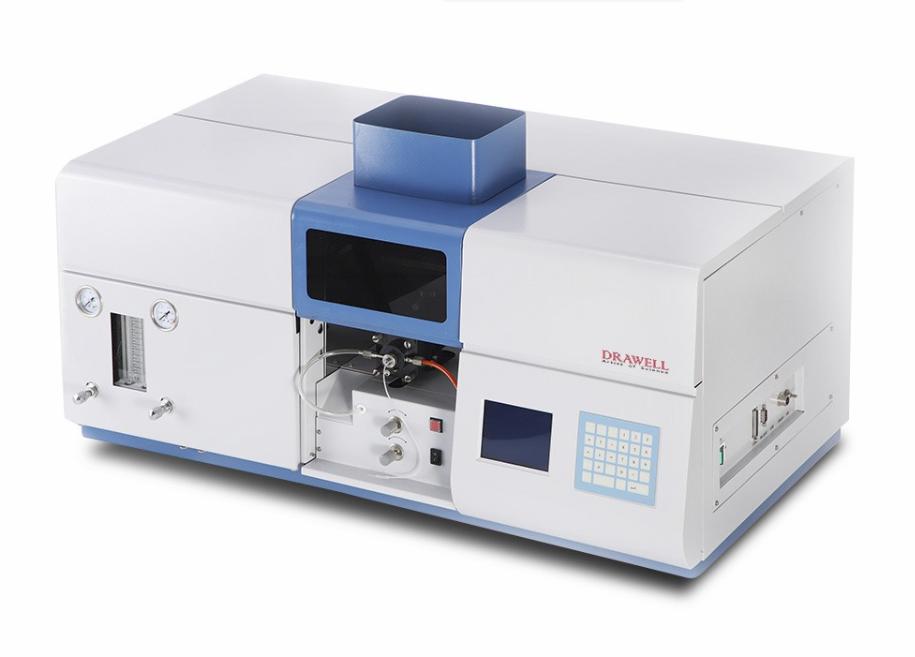
The pretreatment of samples is a complex task when analyzing test substances, and it holds significant importance in the overall analysis and detection process. It also plays a crucial role in identifying the source of detection errors. This article aims to summarize four fundamental pretreatment methods used for samples in atomic absorption spectrometry (AAS) analysis. Additionally, it discusses the basic detection methods for six types of samples commonly encountered in routine analysis and detection. These methods are practical and can serve as valuable references for users of AAS instruments.
Wet Digestion Method:
For samples weighing approximately 0.1000 to 0.5000g, the commonly used approach involves utilizing mixed acids. The following acid ratios are often employed:
(1) HNO3:HCLO3 = 5:1
(2) HNO3:H2SO4 = 5:1
(3) HNO3:HCl = 5:1
(4) Pure HNO3
Note: It is crucial to avoid the presence of volatile (acetone, ether, ethanol, etc.), flammable, and explosive substances during the digestion process. The wet digestion method is widely employed and well-known, so further elaboration is unnecessary.
Dry Ashing Method:
Typically, samples weighing between 2.000 and 5.000g are treated using the dry ashing method, which prevents volatilization. The procedure involves placing the sample in a porcelain crucible, adding a few drops of water to wet it, followed by a small amount of concentrated nitric acid. Heat is then applied to carbonize the sample over a low flame. The crucible is subsequently transferred to a muffle furnace for ashing at approximately 550°C for 2 to 4 hours. After cooling, the ash (colorless or light in color) is dissolved using other acids, often in a 1:1 ratio with nitric acid (varies depending on the sample). The solution is then filtered, adjusted to volume, and aliquoted into 10mL, 25mL, and 50mL portions for further use.
High-Pressure Tank Method (Using a Lidded Tank Made of Polytetrafluoroethylene):
When the sample weighs less than 0.3000g, this method is employed. It involves adding 6mL of mixed acid and 1mL of HF(H2O2) to the sample. The autoclave is sealed, and the sample is heated at 160°C for 5 hours. After cooling, the solution is filtered and adjusted to the desired volume for subsequent analysis.
Microwave Digestion Method:
The microwave digestion method utilizes commonly used mixed acids, including:
(1) HNO3:HCLO3
(2) HNO3:H2SO4
(3) Pure HNO3
Note: The choice of specific acid for digestion varies depending on the sample. Readers are encouraged to select the appropriate acid accordingly.
AAS Analysis and Detection Methods for Various Samples:
Analysis of Pb, Cd, As, Mo, Cr, etc. (Graphite Furnace AAS Method):
For Pb analysis, a 1.0mL sample is diluted to 10mL with 1% HNO3. The linear range is 0 to 20ng/mL, with drying temperature set between 80 and 100°C, ashing temperature at 200°C, and atomization temperature at 1500°C.
For Cd analysis, a 1.0mL sample is diluted to 10mL with deionized water. The linear range is 0.1 to 0.4ng/mL, with the same drying, ashing, and atomization temperatures as Pb.
For As analysis, a 1.0mL sample is combined with 100μL of Ni (2mg/mL) and diluted to 10mL with 1% HNO3. The linear range is 0 to 4ng/mL, with the same drying, ashing, and atomization temperatures as Pb.
For Mo analysis, a 1.0mL sample is diluted to 10mL with 1% HNO3. Pd is used as the modifier, and the linear range is 0 to 20ng/mL, with the same drying, ashing, and atomization temperatures as Pb.
For Cr analysis, 1mL of the sample is diluted to 100mL with deionized water. The linear range is 0 to 40ng/mL, with the same drying, ashing, and atomization temperatures as Pb.
Bolts are common multi-notched parts, and the fatigue strength of bolts is significantly influenced by various factors, including size, structure, material, and manufacturing process. Understanding the concept of fatigue strength and fatigue failure is crucial when evaluating bolt performance.
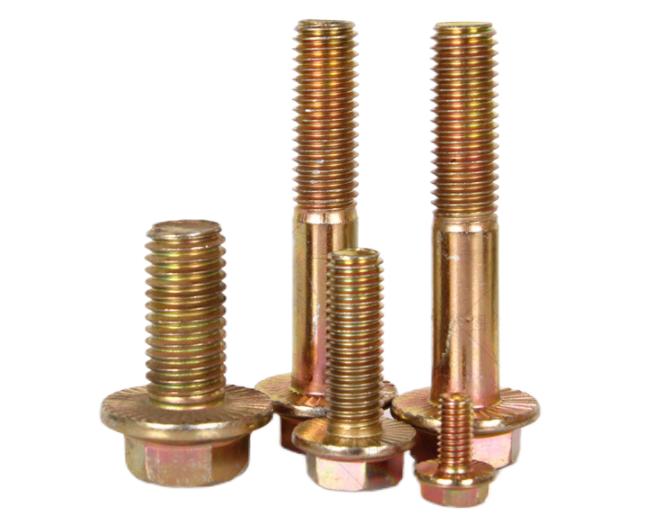
Fatigue strength refers to the maximum stress a material can withstand under infinitely repeated loads without failure, commonly known as the fatigue limit. Mechanical parts such as shafts, gears, bearings, blades, and springs experience periodic stress changes during operation. This stress that fluctuates over time is referred to as alternating stress or cyclic stress. Over an extended period of time, under the influence of alternating stress, cracks may develop or the part may suddenly rupture, a phenomenon known as metal fatigue.
Fatigue failure is a significant cause of mechanical part failures, accounting for more than 80% of such occurrences. Fatigue failures often result in major accidents as there is no noticeable deformation prior to failure.
Therefore, when selecting materials for shafts, gears, bearings, blades, springs, and other components subjected to alternating loads, it is essential to choose materials with superior fatigue strength.
Characteristics of Fatigue Failure Strength:
Fatigue failure exhibits suddenness, localized occurrence, and sensitivity to environmental factors and defects.
Due to the difficulty in early detection, fatigue failure can lead to accidents.
Factors Affecting Bolt Fatigue Strength:

Surface Quality of the Thread:
Smaller surface roughness reduces stress concentration and increases fatigue strength. As surface roughness increases, the fatigue limit decreases.
Different steel grades and manufacturing methods can result in varying degrees of fatigue limit reduction. For example, a change in roughness from 0.08-0.16 to 0.63-1.35 in an M6-1.0 40CrNiMo steel bolt reduces fatigue strength by 33%. In bolts with an M1.2-1.5 thread, a roughness change from 0.08-0.16 to 0.16-0.32 leads to a 21% decrease in fatigue strength.Surface treatments such as grinding, shot blasting, and rolling can improve the fatigue strength.
Influence of the Thread-Rolling Process:Thread rolling produces a deformation-strengthened layer and residual compressive stress, effectively preventing fatigue crack initiation and early growth.
Thread rolling reduces valley surface roughness, which improves fatigue strength.
Note:
If the thread is roll-pressed and subsequently heat treated, the favorable factors mentioned above are nullified. For improved fatigue performance, the thread should be roll-pressed after heat treatment.
Heat treatment can increase the hardness of bolts, especially high-strength bolts, potentially reducing the lifespan of the thread-rolling die. Poor-quality thread rolling can result in micro-cracks or peeling similar to contact fatigue, which may reduce or negate the improvement in fatigue performance.Distance Between Nut Face and Thread:
Tests have shown that the closer the nut face is to the threading location, the earlier bolt failure may occur.
Material Defects:
Bolts that are not machined after cold heading or cold drawing may retain surface defects from the raw material. These defects can serve as sources of fatigue cracks, leading to premature fatigue failure.
Thread Valley Shape:
Stress concentration occurs at the thread valley during bolt loading, with the shape of the valley playing a significant role. A smoother valley groove results in reduced stress concentration and higher fatigue strength.
Gold holds immense value as a resource in Diablo 4, serving various purposes such as purchasing and selling items, repairing gear, gambling for items, and paying for services like crafting and enchanting. Its importance in the game cannot be understated, as Diablo IV gold is essential for progression and makes gameplay more manageable.

The economy of Diablo 4 is heavily influenced by gold, which acts as the primary currency. The value of gold is determined by the principles of supply and demand. When more gold enters the economy, its value decreases, whereas when gold leaves the economy, its value increases.
Several factors impact the supply and demand of gold in Diablo 4, including:
Number of players: The number of players actively participating in the game is a significant factor affecting the supply and demand of gold. As the player base increases, the supply of gold also increases. This is because more players engage in activities that reward them with gold, such as killing monsters and completing quests. As a result, the increased supply of gold leads to a decrease in its value.
Game difficulty: The difficulty level of the game directly influences the supply and demand of gold. As the game becomes more challenging, the demand for gold increases. Players require more gold to purchase better items and repair their gear to overcome the higher difficulty. Consequently, the increased demand for gold leads to an increase in its value.
Availability of items: The availability of items affects the supply and demand of gold. If items are easily accessible or plentiful, the supply of gold increases. This is because players are less likely to rely on purchasing items with gold. As the supply of gold increases, its value decreases.
Cost of items: The cost of items directly impacts the supply and demand of gold. When items are expensive, the demand for gold increases as players require more of it to make purchases. This increased demand for gold subsequently leads to an increase in its value.
Understanding the impact of gold on the economy allows players to make informed decisions regarding its usage in Diablo 4. Gold plays a vital role in enhancing gameplay and character progression. By utilizing gold effectively, players can acquire better items, repair gear, gamble for items, and pay for services such as crafting and enchanting.
Here are specific examples of how gold impacts gameplay in Diablo 4:
Buying better items: Players with a substantial amount of gold can purchase superior items, making progression easier. Investing in a better weapon, for instance, grants the ability to defeat enemies more efficiently, leading to faster progress and increased gold earnings.
Repairing gear: Ample gold reserves enable players to repair their gear promptly, which is crucial for survival. Damaged gear makes players more vulnerable to enemy attacks, hindering progress. By repairing gear, players can maintain their survivability and continue advancing.
Gambling for items: Players with abundant gold have the option to gamble for items, offering a chance to obtain superior gear. Although gambling carries risks, it presents an opportunity to acquire valuable items in Diablo 4 without extensive gold expenditure. A fortunate outcome in gambling can significantly aid progression.
Paying for services: With a surplus of gold, players can afford services such as crafting and enchanting. These services allow for easier gear enhancement, leading to smoother gameplay. For example, paying a blacksmith to craft a better weapon empowers players to overcome challenges more effectively and earn additional gold.
In addition to its impact on gameplay, gold can also be used to purchase cosmetics like mounts and pets. Furthermore, gold can fund player-versus-player (PvP) battles, contributing to the dynamic nature of the game.
In conclusion, gold holds immense value in Diablo 4, significantly influencing the economy and gameplay. Its utilization allows for character and gear improvement, making gameplay more manageable. Players who accumulate a substantial amount of gold gain a considerable advantage over those with fewer resources, facilitating smoother progression and enhanced gameplay experiences.
The oil and gas industry is known for its intricate and ever-changing processes involved in exploration, production, and transportation. Professionals in this field face the challenge of visualizing these complex procedures effectively. Fortunately, the emergence of oil and gas animation has provided an efficient solution for simplifying and communicating these intricate concepts. By leveraging animation, the industry can improve efficiency, safety, and environmental awareness. This article will delve into the various applications, advantages, types, and working processes of oil and gas animation.
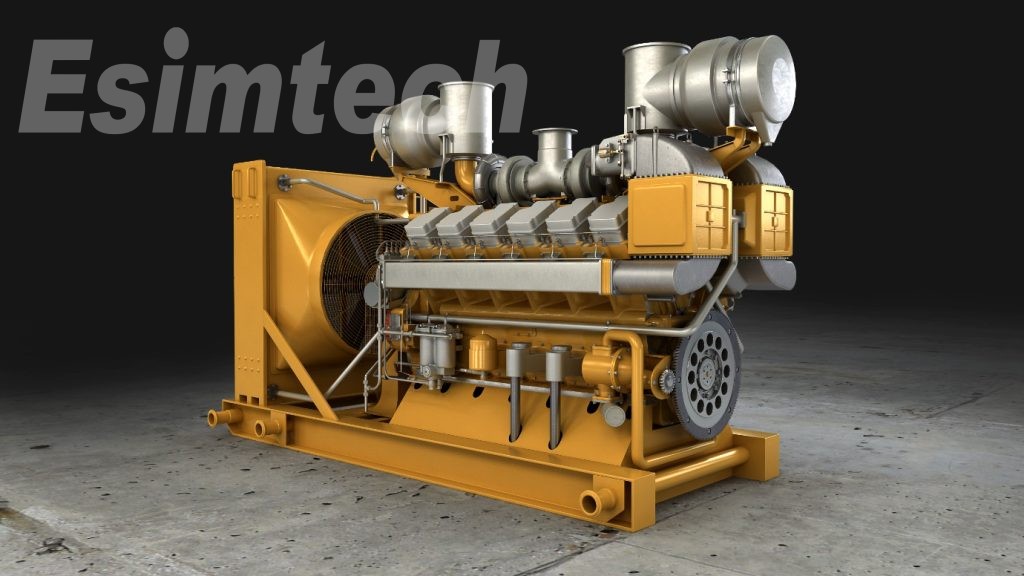
Oil and gas animation is a valuable tool for the industry as it offers a visually comprehensible representation of intricate processes and procedures. Its benefits include enhanced visualization, improved safety measures, optimized efficiency, and the ability to promote environmental awareness. The applications of oil and gas animation are diverse and range from training and marketing to planning and environmental analysis. However, it is essential to acknowledge that creating oil and gas animation can be a costly, time-consuming, and complex endeavor, often requiring specialized training for workers. Nevertheless, continued investment in oil and gas animation will undoubtedly play a significant role in driving the industry's future growth and ensuring its long-term sustainability.
The primary purpose of oil and gas animation is to enhance efficiency, safety, and environmental awareness within the industry. By providing a visual representation of complex processes and procedures, animation enables stakeholders to gain a better understanding of how the industry operates.
Animation can optimize processes and procedures such as well placement and production facility design, leading to cost reductions and increased efficiency. It also contributes to improved safety by simulating hazardous operations, allowing workers to familiarize themselves with procedures and identify potential hazards before executing them in real life.
Moreover, oil and gas animation can play a crucial role in promoting environmental awareness. Given the industry's significant impact on the environment, visualizing the processes and procedures involved can help educate stakeholders about the environmental consequences of oil and gas production. Animation can also be employed to advocate for sustainable practices and aid the industry in developing solutions to minimize its environmental footprint.
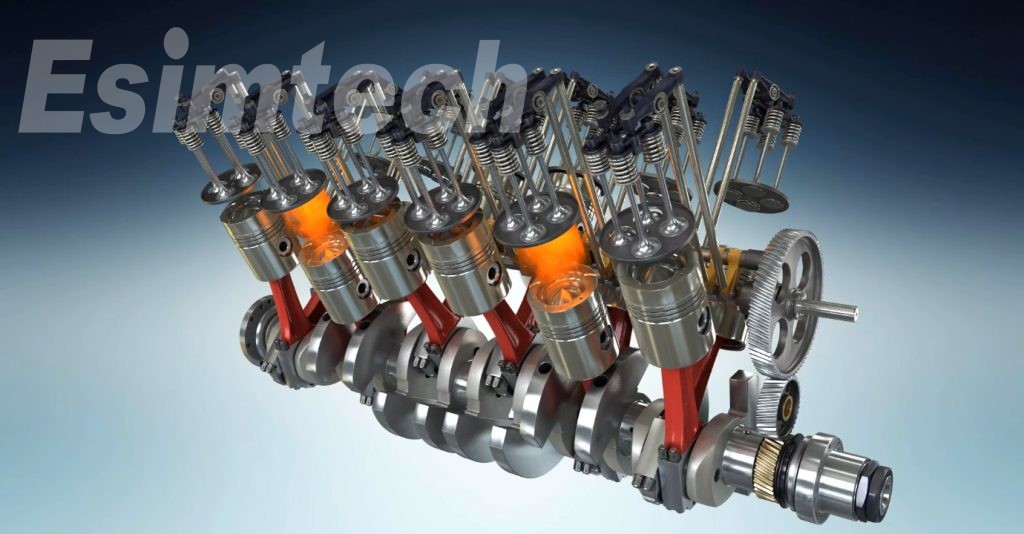
The benefits of oil and gas animation can be summarized as follows:
Enhanced Visualization: Oil and gas animation excels at providing easy-to-understand visual representations of complex industry processes. From drilling wells to transporting oil and gas through pipelines, animation can vividly and realistically depict each step, aiding stakeholders in grasping the intricacies involved.
Improved Safety: The industry entails various hazardous processes that pose risks to worker safety. Oil and gas animation enables workers to receive training on proper procedures and familiarize themselves with potential hazards before engaging in real operations. By simulating hazardous operations and identifying potential risks, animation enhances safety for workers.
Optimized Efficiency: Animation can contribute to the optimization of processes and procedures, such as well placement and facility design. Through these visualizations, the industry can analyze and refine its operations, ultimately reducing costs and increasing overall efficiency.
Environmental Awareness: Animation serves as a powerful tool to raise awareness about the industry's environmental impact, including effects on wildlife habitats and carbon emissions. By illustrating the impact of oil and gas production on the environment, animation can support the industry in developing sustainable practices and effectively communicating them to stakeholders.
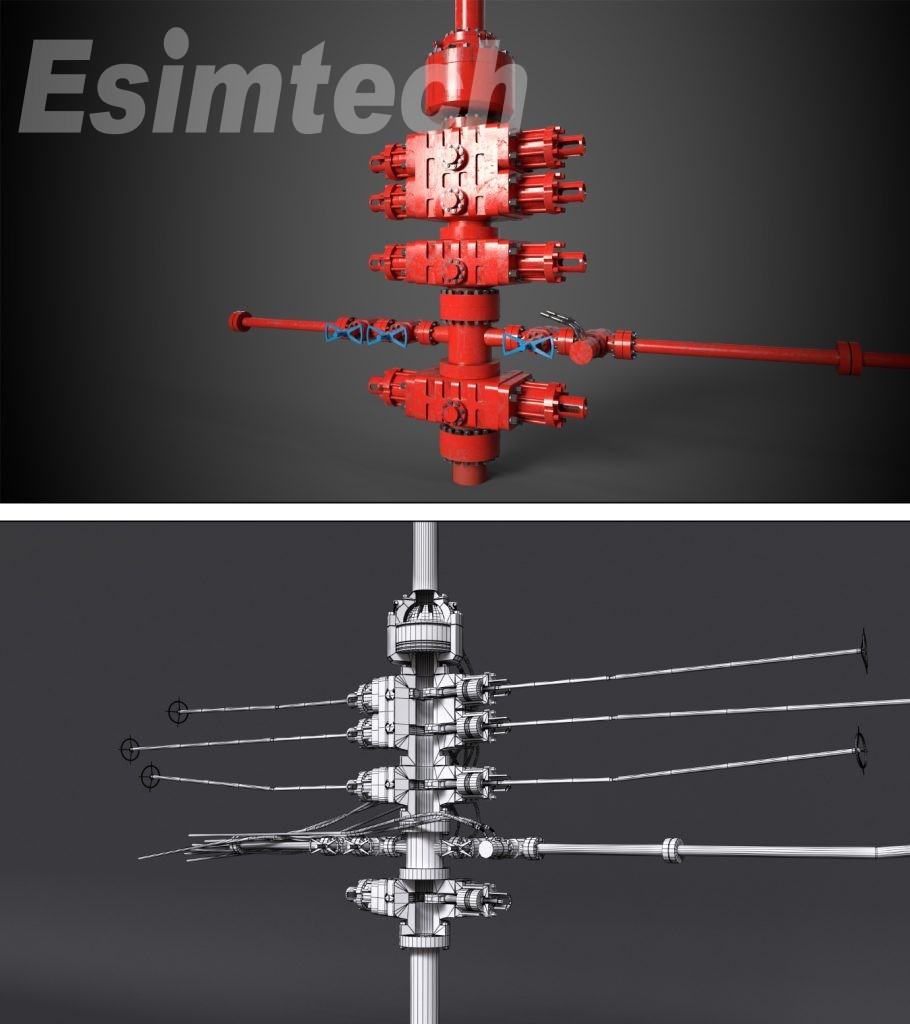
There are different types of oil and gas animations, including:
2D Animations: These animations create simple visualizations of oil and gas processes, making them suitable for training and educational purposes.
3D Animations: This type of animation generates realistic and interactive visualizations of oil and gas operations, commonly used for presentations, marketing, and educational initiatives.
Virtual Reality Animations: Virtual reality animations enable stakeholders to experience oil and gas operations within a virtual environment. This immersive approach helps simulate hazardous operations and identify potential risks before real-world execution.
Augmented Reality Animations: Augmented reality animations provide real-time visualizations of oil and gas operations. This technology proves useful for training purposes and on-site analysis.
The creation process of oil and gas animation involves several steps:
Concept Development: The initial step involves developing the concept for the animation, focusing on a specific process or procedure within the industry, such as drilling or transportation.
Storyboarding: A storyboard is created, which consists of a sequence of images illustrating how the animation will unfold. This step allows for the identification of any gaps or issues before the actual creation process begins.
Modeling: The modeling phase entails creating 3D models of the objects involved in the animation, such as drilling equipment, pipelines, and reservoirs. Specialized software is used to craft these models.
Texturing: Texturing involves applying colors and textures to the 3D models to achieve a realistic appearance. Surfaces can be textured to resemble materials such as metal or rock, enhancing the visual quality.
Animation: This phase brings movement to the 3D models by animating object behaviors, such as drilling or the flow of oil and gas through pipelines.
Lighting: Setting up the lighting for the animation is essential for creating a realistic appearance. This involves positioning lights, adjusting their intensity and color to achieve the desired visual effect.
Rendering: The final step involves rendering the animation, which converts the 3D models and animation into a finished video or image sequence. The rendering process can be time-consuming, depending on the animation's complexity.
In conclusion, oil and gas animation has proven to be a valuable tool for the industry, enhancing efficiency, safety, and environmental awareness. Its ability to simplify complex processes and procedures through visual representations benefits stakeholders in various ways. By investing in oil and gas animation, the industry can optimize operations, improve safety measures, and actively promote sustainable practices, ultimately ensuring future growth and sustainability.