
Diablo IV has captivated the gaming community with its intense gameplay and stunning visuals, and one of the most exciting aspects of the game is its multiplayer features. In this article, we will delve into the multiplayer features of Diablo IV and what makes them so appealing to players.

Party System: Creating Alliances Made Easy
Diablo IV's party system allows players to easily form alliances with friends or other players. A group of up to four players can team up, each utilizing their own character. This system enhances the enjoyment and rewards of playing together, as players can share loot, experience points, and complete quests as a cohesive unit.
Open World Exploration: Boundless Adventures Await
In Diablo IV, an open world architecture awaits players, granting them the freedom to explore the vast game universe. Players can venture into different areas, undertake tasks, uncover secret treasures, and engage adversaries. This open world approach also encourages collaboration among players to achieve common objectives.
PvE and PvP Modes: Diverse Gameplay Experiences
Diablo IV offers both PvE (Player vs. Environment) and PvP (Player vs. Player) modes. In PvE mode, players unite to complete tasks and defeat foes, while in PvP mode, they engage in combat against each other. These distinct gameplay experiences ensure that gamers remain engrossed in the game, whether they prefer cooperative or competitive challenges.
Shared World Events: Epic Battles and Rich Rewards
The inclusion of shared world events in Diablo IV adds excitement to the gameplay. Players can participate in large-scale battles against formidable foes, with these events occurring randomly. Cooperation is vital to overcoming these challenges, and participants are rewarded with rare items and experience points for their efforts.

Cooperative Gameplay: Strength in Unity
Cooperative gameplay is a cornerstone of Diablo IV. By joining forces with other players, gamers can complete tasks, battle enemies, and explore the game environment together. The game's mechanics actively encourage cooperation, rewarding players with rare loot and experience points for their collaborative efforts.
Cross-platform Play: Connecting Players Across Platforms
Diablo IV embraces cross-platform play, allowing players from different platforms to interact with one another. This feature facilitates the discovery of fellow gamers to play with, thus expanding the game's player base and fostering a more connected gaming community.
Matchmaking: Swiftly Finding Like-minded Players
Diablo IV boasts a robust matchmaking system, ensuring players can quickly and easily find others to play with. The algorithm considers factors such as player level and gear to provide a balanced and fair gameplay experience.
Social Features: Enhancing Player Interaction
The game's in-game economy enables players to trade items in Diablo 4 with each other, fostering a vibrant player-driven marketplace. Items can be exchanged for in-game currency or sold, offering diverse ways for players to advance their characters and engage with one another.
In-Game Economy: A Layer of Richness
The in-game economy of Diablo 4 brings depth to the game, providing more avenues for players to progress and thrive within the virtual world.Conclusion
Diablo IV's multiplayer features are designed to heighten the game's enjoyment, engagement, and rewards. Whether players choose to cooperate or compete, the multiplayer experience offers endless hours of thrilling gameplay. Joining forces, battling foes, and exploring the expansive world with fellow adventurers make Diablo IV a multiplayer marvel that will captivate players for years to come.
The oil and gas industry is witnessing a significant transformation with the growing adoption of Virtual Reality (VR) technology, particularly in training and simulation applications. VR has emerged as a game-changer in drilling and well control training, offering trainees a safe, controlled, and immersive learning environment to develop their skills.
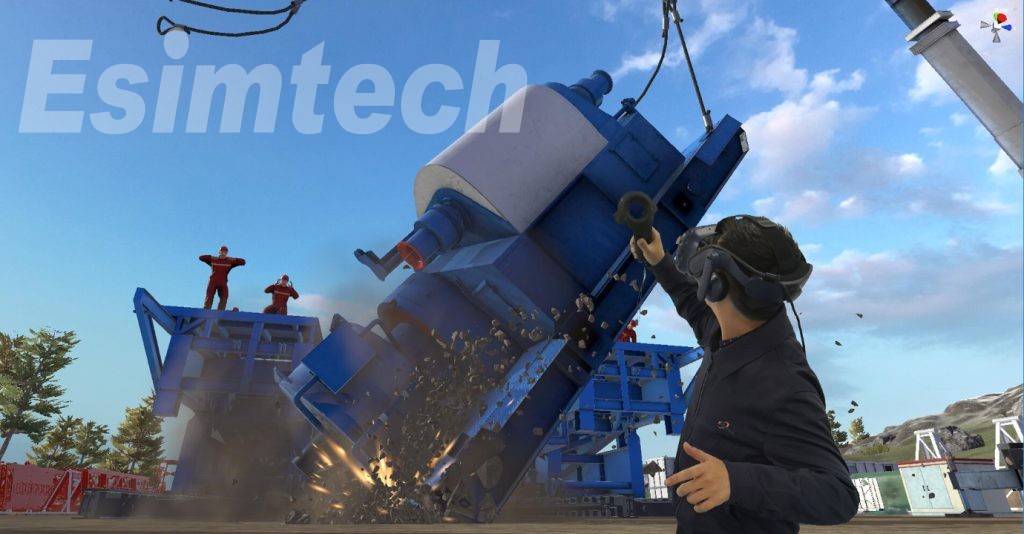
Traditionally, drilling and well control training involved live sessions on actual oil rigs, which came with inherent risks, high costs, and time-consuming logistics. However, VR technology has revolutionized this training process by providing trainees with a realistic simulation of an oil rig, ensuring they can learn and practice without any real-life dangers.
One of the most significant advantages of VR technology is its ability to create 3D virtual environments that accurately replicate real-world oil rigs. The simulator can be programmed to emulate various drilling scenarios, enabling trainees to practice and refine their skills in a controlled setting. Moreover, it can recreate hazardous situations that are challenging or impossible to replicate in reality, allowing trainees to practice emergency procedures and responses without any actual risks.
The adoption of VR technology in drilling and well control training offers several benefits, including:
Improved Safety: Safety is paramount in the oil and gas industry, known for its hazardous work environments. Live training on real oil rigs exposes trainees to potential dangers, even with strict safety protocols. VR technology provides a safer alternative by enabling trainees to experience realistic scenarios without physical risks. They can practice handling emergencies, such as well control incidents, with accurate representations of hazards and appropriate responses, reducing the risk of injuries and equipment damage.
Realistic Scenarios: Realism is essential for effective training. VR technology empowers training programs with highly authentic 3D virtual environments that mimic actual oil rigs. Trainees can experience various drilling scenarios, drilling in different formations, handling different drilling fluids, and responding to different well control incidents. This immersive experience allows them to gain valuable expertise and confidence before applying their skills in real-life situations.
Enhanced Training: VR technology enhances the training experience by providing personalized feedback and coaching to trainees. The simulator can offer detailed performance analysis, enabling trainees to identify areas for improvement. Instructors can monitor progress and tailor training programs to individual needs, leading to more effective learning outcomes.
As VR technology continues to evolve and become more accessible, its role in the oil and gas industry is expected to grow even further. Beyond drilling and well control training, VR is finding applications in maintenance and inspection, where simulations can train workers to conduct safe and effective equipment and structural maintenance.
In conclusion, the integration of VR technology into drilling and well control training is revolutionizing the oil and gas industry's approach to skill development. The safety, cost-effectiveness, realistic scenarios, and enhanced training experience offered by VR make it a valuable asset in fostering a skilled and competent workforce. As technology progresses, VR is poised to drive positive change across various aspects of the oil and gas industry, empowering the industry to meet its challenges with confidence and expertise.
In the realm of the semiconductor industry, Raman spectrometers play a pivotal role in examining the fundamental properties of semiconductor materials. These materials encompass single elements such as silicon (Si) and germanium (Ge), as well as more complex compositions like zinc selenium (ZnSe) and gallium arsenide (GaAs) semiconductors. The characteristics of these semiconductor materials during manufacturing significantly impact the quality of subsequent processes like wafer manufacturing and IC packaging, making this stage absolutely critical.
Utilizing Raman spectrometers as tools for process analysis and quality control during wafer manufacturing can lead to improved product quality, increased yield rates, and ultimately higher overall productivity.
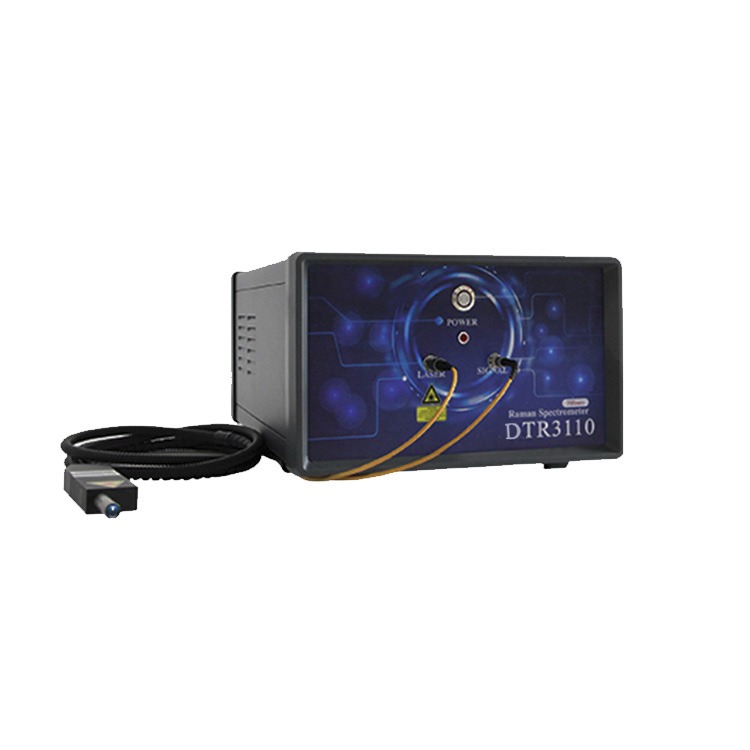
Presently, Raman spectrometers find various applications in the semiconductor industry, including:
Material purity analysis
Identification of contaminants
Determining alloy compositions
Analyzing superlattice structures
Studying characteristic factors of intrinsic stress and strain
Defect analysis
Investigating semiconductor heterostructures
Examining doping effects of heterojunctions
What is ZnSe?
ZnSe stands as a prototypical II-VI semiconductor material, possessing a zinc blend structure and a direct band gap. At room temperature (300K), its band gap is 2.698eV, and at low temperatures (<10K), it increases to 2.821eV, corresponding to blue light with a wavelength of 459.4nm.
Applications and Research of ZnSe
Researchers have employed thermal evaporation of ZnSe powder in a high vacuum for various applications. Deposition of ZnSe monolayers with thicknesses ranging from 30 nm to 1 µm on c-Si and glass substrates has been achieved at room temperature.
Furthermore, researchers have investigated SiOx/ZnSe periodic multilayer films using the same deposition technique, with ZnSe layer thicknesses of 2 and 4 nm. The Raman spectra, measured at 295K with various laser lines, revealed distinct Raman signatures corresponding to multiple optical phonon (1LO to 4LO) light scattering and randomly oriented crystalline ZnSe grains in both monolayers and multilayers.
Notably, relatively large line widths of the 1LO band (approximately 15 cm-1) were observed, which were associated with lattice distortions in the grains and the presence of amorphous phases in layers thinner than 100 nm.
The Behavior of ZnSe in Raman Analysis
During the experiments, all measurements were conducted in air at room temperature, and the spectra were plotted on the same graph with consistent scaling.
In the upper panels, Raman spectra of 1 µm (a) and 30 nm (b) ZnSe monolayers and SiOx (4 nm)/ZnSe (4 nm) multilayers (c) were measured under three different laser excitations.
Figure 1a showcases three Raman spectra of a 1 µm-thick ZnSe layer deposited on a Corning 7059 glass substrate. Superior resolution was obtained with excitation conditions near the resonance Raman scattering conditions.
The most substantial enhancement of the Raman signal was observed when the excitation light closely matched the material's optical bandgap, Eg0. This aligns with prior findings indicating that for a 1 µm-thick ZnSe layer, the optical absorption follows the laws of directly allowed electronic transitions in crystalline semiconductors.
Figures b and c exhibit the Raman spectra of a 30 nm-thick ZnSe layer and a SiOx (4 nm)/ZnSe (4 nm) multilayer, respectively, both deposited on a c-Si substrate. In these spectra, a narrow solid band peaked at 521 cm-1 appeared due to scattering from the substrate. The 1LOZnSe band intensity increased with decreasing excitation wavelength, and a series of 4 peaks were visible only in the spectrum excited by the 457.9 nm line.
In practical applications, SiOx/ZnSeML (with various thicknesses between 2 and 10 nm) were characterized using Raman spectroscopy with the 442 nm line, revealing resonance behavior in the Raman spectrum associated with size-induced variation of the bandgap energy with layer thickness.
The Raman spectra of ZnSe monolayers with four different thicknesses are depicted, showing that the 30 nm layer's 1LO band exhibited significantly higher intensity than the other samples. The results indicate that ZnSe layers with thicknesses less than 50 nm can exhibit excellent chemical sensitivity due to their small grain size.
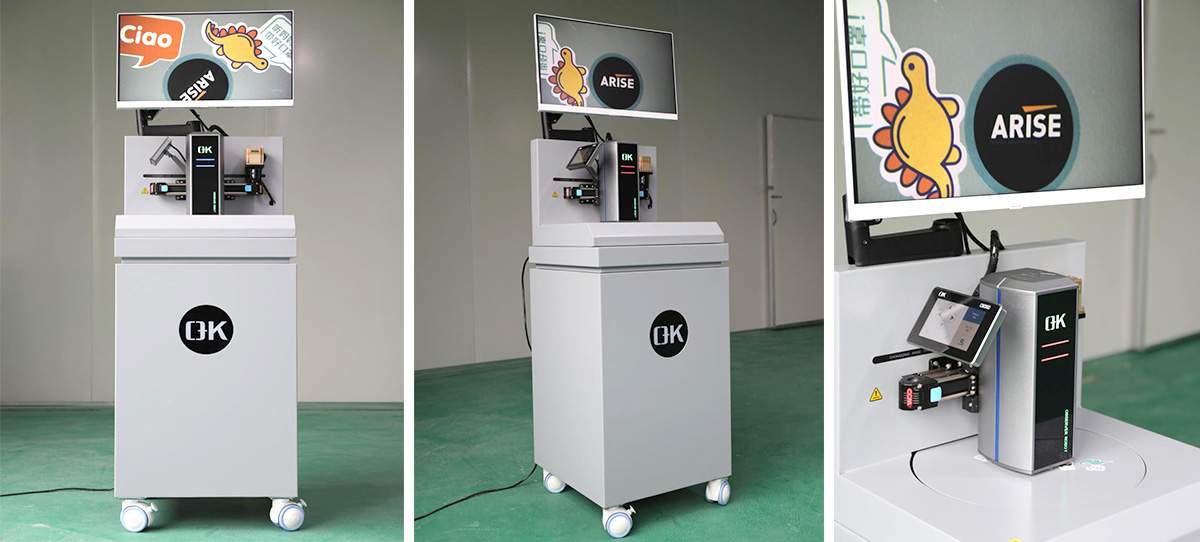
In the fast-paced world of printing, maintaining high-quality standards is essential, where accuracy and precision are paramount. The advent of a printing quality inspection system has revolutionized how printing companies ensure top-notch print output. This article delves into the significance of a printing quality inspection system, its key components, and the advantages it brings to the printing process.

What is a Printing Quality Inspection System?
A printing quality inspection system is a sophisticated software-based solution integrated into the printing process to automatically examine and verify the quality of printed documents. This cutting-edge system conducts real-time evaluations of print samples, comparing them against predetermined quality metrics, using advanced technologies such as computer vision, image processing, and artificial intelligence.
Key Components of a Printing Quality Inspection System:
Camera or Image Sensor:
An integral part of the system, the camera or image sensor captures high-resolution photographs of printed materials, enabling the system to thoroughly assess print quality. Multiple cameras may be strategically positioned to cover various sections of the print for a comprehensive inspection.
Image Processing Software:
At the heart of the system lies the image processing software. It analyzes the images acquired by the camera or image sensor, extracting vital features and properties of the printed materials. Sophisticated algorithms scrutinize the photos for faults, color variations, alignment issues, and other quality-related concerns.
Artificial Intelligence (AI) and Machine Learning (ML):
In modern printing quality inspection systems, AI and ML algorithms play a crucial role. These technologies allow the system to learn from previous print samples, adapt to different print types, and improve its accuracy over time. An AI-powered system enhances its ability to detect and identify flaws, leading to more effective quality control.
Quality Metrics and Thresholds:
The system is configured with quality measurements and thresholds serving as benchmarks for acceptable print quality. These metrics may include color accuracy, alignment, print resolution, and other printing-specific factors. Whenever the actual print quality deviates from these predefined standards, the system notifies the user to take corrective action.
Light Source and Illumination System:
To achieve optimal image capturing, a suitable light source and illumination system are essential. Consistent and controlled lighting conditions are crucial for reliable analysis of printed materials. Depending on the printing method and materials, various lighting strategies like back lighting or diffuse lighting may be employed.
User Interface:
A user-friendly interface simplifies the interaction between operators and the system. The interface monitors the inspection process in real time, displays inspection results, and allows operators to review quality reports. Additionally, operators can make adjustments to system settings, calibration, and quality parameters.
Data Storage and Analytics:
A data storage capability is typically included in a printing quality inspection system to save inspection results and historical data. This information can be utilized for performance analysis, trend detection, and process optimization. Integrated analytical tools can extract valuable insights for continuous improvement.
Integration with Printing Equipment:
The quality inspection system can be seamlessly integrated with the printing equipment or control system, streamlining the printing workflow. This interface enables automatic printing inspection, reducing downtime and optimizing quality control procedures.
Benefits of a Printing Quality Inspection System:
Improving Printing Quality:
The primary advantage of a quality inspection system is the enhancement of print quality. The system can detect even minor flaws, such as misprints, color variances, streaks, and smudges. By identifying these issues early in the printing process, the system allows for quick corrective action, resulting in flawless print output.
Increasing Productivity:
Automating the quality inspection process with a dedicated system reduces the need for manual examination. This saves time and resources, making printing companies more productive. The system can analyze prints at a much higher speed than human inspectors, thereby expediting the production process.
Waste Reduction:
A printing quality inspection system reduces waste by identifying and rejecting faulty prints at an early stage. This helps avoid the production of poor or unusable prints, which can be costly in terms of materials and time. Waste reduction contributes to cost savings and promotes environmentally friendly printing practices.
Consistent Output:
By using the precision of a quality inspection system, printing companies can maintain consistent print quality across all print runs. The system adheres to preset quality requirements and measurements, eliminating print output variations. This consistency enhances the brand's reputation and customer satisfaction.
Real-time Monitoring and Reporting:
Operators can monitor the inspection process in real time through a user-friendly interface. They can review quality reports, monitor the performance of the printing process, and make swift adjustments if necessary. This proactive approach ensures effective quality control during production.
Enhancing Customer Satisfaction:
Consistently producing high-quality prints can exceed customer expectations. Satisfied customers are more likely to return for future projects and recommend the printing company to others, leading to positive word-of-mouth and business growth.
Continuous Improvement:
A web inspection system for printing quality provides valuable data and insights through analytics. Operators can monitor performance patterns, identify areas for improvement, and optimize printing processes over time. Continuous improvement initiatives result in increased efficiency and quality gains.
In conclusion, maintaining impeccable print quality is crucial for success in the competitive printing industry. A printing quality inspection system, empowered by innovative technology, offers a comprehensive solution to achieve and uphold the highest printing output standards.
The heat treatment process involves three main steps: heating, heat preservation, and cooling. It is used to enhance the properties of materials such as steel, aluminum alloy, copper alloy, and titanium alloy. Different heat treatment processes include quenching, tempering, normalizing, and annealing.
Quenching:
Quenching steel involves heating it to a temperature above the critical temperature Ac3 (for hypo-eutectoid steel) or Ac1 (for hyper-eutectoid steel). The steel is then kept at this temperature for a specific period to fully or partially austenitize it. Afterward, the steel undergoes a rapid cooling process, below the Ms temperature (or isothermally near Ms), at a cooling rate higher than the critical cooling rate. This results in the formation of martensite or bainite, leading to significant changes in the steel's properties.
The purpose of quenching includes improving the mechanical properties of metal products or parts, enhancing the material properties of certain steels (e.g., corrosion resistance in stainless steel), and achieving high hardness and wear resistance in tools and bearings.
Tempering:
Tempering is a heat treatment process that follows quenching. In this process, the quenched metal product or part is heated to a specific temperature and held for a certain duration. It is then cooled in a controlled manner. The main purposes of tempering are to reduce internal stress and brittleness, adjust the mechanical properties of the workpiece (e.g., hardness, strength, plasticity, and toughness), and stabilize the metallographic structure.
The function of tempering is to improve the stability of the structure, eliminate internal stress, and adjust the mechanical properties of steel to meet specific application requirements. As the temperature rises during tempering, atomic activity increases, allowing for rearrangement and combination of atoms, resulting in the transformation of unstable structures into stable ones.
There are different tempering requirements for workpieces depending on their intended use. Low-temperature tempering (below 250°C) is used for tools, bearings, and carburizing and quenching parts. Medium-temperature tempering (350-500°C) is suitable for springs and forging dies, while high-temperature tempering (500-650°C) is used for gears and crankshafts.

Normalizing:
Normalizing is a heat treatment process that enhances the toughness of steel. It involves heating the steel components to a temperature slightly above the Ac3 temperature and then air-cooling. The cooling rate during normalizing is faster than annealing but slower than quenching. The process refines the crystal grains of the steel, resulting in improved strength and reduced cracking tendency.
Annealing:
Annealing is a metal heat treatment process in which the metal is slowly heated to a certain temperature, kept for a sufficient time, and then cooled at an appropriate rate. The purpose of annealing is to improve or eliminate various structural defects and residual stresses in the material, soften the workpiece for cutting, refine the grain and improve its structure to enhance mechanical properties, and prepare the tissue for final heat treatment (e.g., quenching and tempering).
There are various annealing processes, including fully annealing, spheroidizing annealing, isothermal annealing, recrystallization annealing, graphitization annealing, diffusion annealing, and stress relief annealing. Each process serves specific purposes and is applied based on the characteristics and requirements of the material or workpiece being treated.
KENENG is a professional manufacturer of fastener, spring, magnet, and battery holder. If you want to learn more about our production procedures, heat treatment processes, and surface treatment processes, please contact us.