
Self-tapping screws are versatile fasteners that offer convenience and efficiency in various DIY and construction applications. Unlike typical screws, self-tapping screws have a sharp, pre-formed thread that allows them to create their own mating threads when driven into a material. This article provides a detailed step-by-step guide on using self-tapping screws effectively to ensure successful and secure installation.

Importance of Using Self-Tapping Screws Effectively
Strong and Secure Fastening
Proper use of self-tapping screws ensures a strong and secure attachment between components. Applying steady pressure and avoiding overtightening maximizes their holding ability, which is crucial for the integrity of the built structure or equipment.
Time and Cost Efficiency
Self-tapping screws eliminate the need for pre-drilling pilot holes, speeding up the installation process. Their reusability allows for changes and disassembly, reducing material waste and the need for extra fasteners.
Versatility in Various Materials
These screws are compatible with a variety of materials, including wood, plastic, metal, and composites. Choosing the right screw size and type for each material ensures excellent performance and a secure connection.
Adaptability to Different Projects
Self-tapping screws are suitable for diverse tasks in woodworking, construction, automotive, and electronics industries. Their dependable fastening solution meets the specific needs of each project.
Reduced Risk of Loosening
Correct usage of self-tapping screws minimizes the risk of loosening over time. Ensuring proper insertion depth and tightness, and selecting the appropriate screw size and type for the material, maintains a secure connection, especially in applications subject to vibrations, movement, or dynamic loads.
Ease of Installation
Effective use of self-tapping screws enhances installation convenience. Understanding basic installation practices, such as starting gently and aligning the screw precisely, ensures a smooth and efficient process. Their ease of use makes them accessible to both experts and DIY enthusiasts.
Reliable Performance
Following optimal procedures ensures long-term dependability. Proper installation techniques help preserve structural integrity and prevent issues like stripped threads or early failure, which are crucial for the safety and performance of the connected components or structures.

A Step-by-Step Guide to Using Self-Tapping Screws Effectively
Choose the Right Screw for the Job
Select the correct self-tapping screw based on material compatibility, screw size and length, and required strength and holding power. Consult manufacturer recommendations or hardware store specialists to ensure you have the right screw for your project.
Prepare the Materials
Ensure the materials are clean and free of debris. If necessary, pre-drill pilot holes using a drill bit that matches the diameter of the screw’s core to guide the screw and prevent material damage.
Positioning and Alignment
Insert the self-tapping screw at the specified spot, ensuring it is aligned with the desired path and angle. Use a screwdriver or power drill with a matching bit for better control.
Start Slowly and Apply Steady Pressure
Begin driving the screw slowly and apply steady pressure. Avoid excessive force to prevent stripping or damaging the screw or material. Do not overtighten, especially with softer materials.
Monitor Depth and Screw Tightness
Keep an eye on the screw’s depth. Avoid driving it too deeply, which can weaken its hold. Stop when the screw is flush with or slightly below the material surface.
Repeat the Process
For multiple screws, follow the same steps for each one, maintaining consistent alignment, pressure, and depth to ensure uniformity and stability.
Finishing Touches
Inspect the installed screws to ensure they are secure and flush with the surface. Make any necessary adjustments or tighten loose screws. For a visible polished appearance, can use the cap socket head self-taping screws.
Safety Considerations
Prioritize safety by wearing appropriate protective gear such as safety glasses, gloves, and ear protection when using power tools. Be aware of your surroundings and the potential for injury when handling tools and materials.

Summary
Self-tapping screws are extremely useful fasteners that simplify the installation of various projects. By following the step-by-step approach outlined in this article, you can securely connect components and ensure a reliable and durable fastening solution.
Conventional rotary drilling is the most common drilling method used in the oil and gas industry. It involves rotating a drill bit at the end of a drill string to penetrate the earth. The drill string consists of a series of hollow pipes connected together. Drilling fluid is pumped down the drill string and out of the drill bit to cool and lubricate the bit, remove cuttings, and maintain hydrostatic pressure.
The drill bit is rotated by a top drive, a powerful electric motor mounted at the top of the drill rig. The top drive transmits torque through the drill string to the drill bit. As the drill bit rotates, it cuts into the earth, creating a wellbore.

Advantages and Disadvantages of Conventional Rotary Drilling
Advantages:
Versatile and Reliable:
Can be used to drill various wells, including oil and gas, water, geothermal, environmental, and construction wells.
Suitable for drilling in a range of formations, from soft to hard.
Relatively Simple and Inexpensive:
The drilling method is well-understood and the required equipment and expertise are widely available.
Generally, a cost-effective method compared to other advanced drilling techniques.
Disadvantages:
Can Be Slow and Expensive for Deep Wells:
The continuous rotation of the drill bit and the need for a large amount of drilling fluid can make the process slow and costly, especially for deep wells.
Not Well-Suited for Complex Formations:
Struggles with complex or challenging formations, such as those with high levels of H2S or narrow pressure margins. Specialized drilling methods are often required in these cases.
Alternatives to Conventional Rotary Drilling
In recent years, several alternatives to conventional rotary drilling have been developed to enhance efficiency and effectiveness, particularly in complex or challenging formations:
Directional Drilling:
Allows for drilling wells that deviate from the vertical plane, targeting reservoirs at angles or buried deep below the surface. Enables drilling multiple wells from a single pad.
Horizontal Drilling:
A type of directional drilling used to drill wells parallel to the surface, particularly useful for unconventional reservoirs like shale and tight oil formations.
Managed Pressure Drilling (MPD):
Allows precise control of wellbore pressure, useful for wells with narrow pressure margins or high levels of H2S.
Underbalanced Drilling (UFD):
Involves drilling with lower wellbore pressure than the surrounding formation pressure, beneficial for high reservoir pressure or low permeability wells.
Coiled Tubing Drilling (CTD):
Uses coiled tubing drilling instead of drill pipe, ideal for shallow wells or those with complex trajectories.

Percussion Drilling:
Uses a hammer to drive the drill bit into the ground, effective for hard formations or formations with a lot of debris.
Laser Drilling:
Uses a laser to cut through the formation, suitable for very hard formations or those sensitive to heat.
Application of Oil and Gas Drilling Simulation
Oil and gas drilling simulation is a powerful tool that improves the safety, efficiency, and cost-effectiveness of drilling operations. It can be used to:
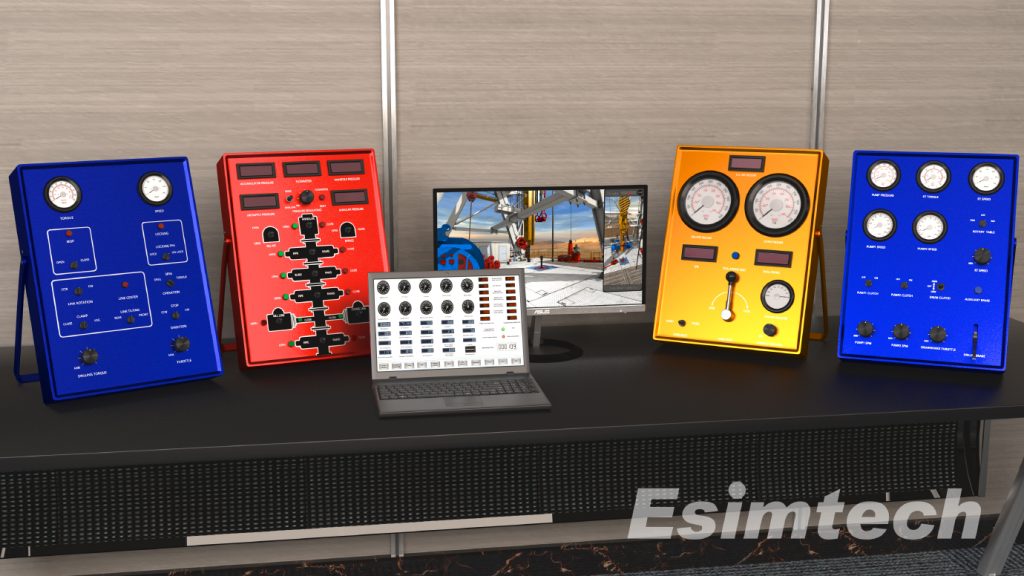
Plan and Design Wells:
Model the drilling process and predict the performance of different methods and equipment to design optimized wells.
Train Drill Crews:
Train crews on operating various drilling equipment and responding to different scenarios, enhancing safety and efficiency.
Monitor and Troubleshoot Operations:
Real-time monitoring to identify potential problems before they occur, preventing accidents and reducing costs.
Optimize Drilling Parameters:
Optimize parameters such as weight on bit, rotary speed, and mud flow rate to improve performance and reduce costs.
Conclusion
Conventional rotary drilling remains the most common method in the oil and gas industry, but it has limitations. Alternatives like directional drilling, horizontal drilling, managed pressure drilling, and underbalanced drilling offer improved efficiency, increased production rates, and reduced risk.
Oil and gas drilling simulation is a crucial tool for enhancing the safety, efficiency, and cost-effectiveness of drilling operations through planning, training, monitoring, and optimization.
The future of oil and gas drilling will likely see a continued shift towards more advanced and efficient methods, with alternatives to conventional rotary drilling and simulation technologies playing a major role.
The web guide system is an indispensable part of industrial automation, primarily used for the automatic detection and adjustment of lateral deviations of conveying materials on production lines. This ensures product quality and production efficiency. Proper installation and debugging of the web guide system are crucial for its normal operation. This article discusses the installation steps, debugging methods, precautions during installation and debugging, as well as the daily maintenance of the web guide system.
Detailed Installation Steps of the Web Guide System
Preparation Stage
Tasks: Prepare all necessary tools and accessories. Check the foundation's firmness according to design requirements.
Installation Phase
Installing Sensor: Follow the instructions to fix the web guide sensor in the appropriate position, ensuring it can accurately detect the position of the coil.
Installing the Driver: Position the driver suitably and connect all wires and pipelines.
Installing Actuator: Usually a hydraulic or electric actuator needs to be installed where it can adjust the web materials.

Connection Stage
Electrical Connection: Connect the power and signal lines correctly according to the drawings and manual.
Hydraulic or Pneumatic Connection: For hydraulic correction systems, connect oil and gas pipes to ensure a smooth flow of the medium.
Debugging Methods of Web Guide Systems
Checking Wiring: Ensure all wiring is correct, especially the signal wires of sensors and the control wires of actuators.
Parameter Setting: Set appropriate parameters based on the production line's specific situation, such as sensor thresholds and actuator speeds.
System Testing: Test the web guide system in an actual production environment to observe its effectiveness in correcting coil deviations. Conduct tests under no-load or light load conditions.
Fault Diagnosis: Identify and repair potential issues if the system does not work during testing.

Precautions for Installation and Debugging
Preparation Before Installation:
Ensure all components and accessories are complete. Inspect the equipment for damage from transportation. Prepare suitable installation tools and necessary auxiliary equipment.
Basic Preparation and Installation:
Construct the foundation according to the manufacturer's basic drawings. Ensure the web guide machine is placed on a sturdy and flat surface. Stability is crucial for normal operation and longevity.
Electrical System Connection:
Connect the electrical system, including the motor, sensors, and control panel. Check for correct electrical connections to ensure proper power-up. Adhere to wiring specifications to avoid electrical faults.
Debugging Steps:
Adjust the mechanical transmission system, including gears, chains, and belts. Conduct a test run to check if all web guiding roller frames work properly without any load. Gradually increase tension and speed, checking the equipment's guiding effect and making necessary adjustments.
Common Fault Analysis and Solutions:
Address faults like slow guiding response or low accuracy. Perform fault analysis and timely solutions, such as cleaning or replacing the electric eye if its sensitivity decreases.
Daily Maintenance of the Web Guide System
Regular Inspections:
Conduct regular inspections, including appearance checks, working status confirmation, and functional testing of components. Ensure the power switch, indicator light, and coordination between the electric eye and motor are normal.
Cleaning Work:
Regularly clean dust and impurities from the machine. Avoid using hard objects to prevent damage during cleaning.
Lubricating Maintenance:
Regularly add lubricating oil to moving parts such as gears, bearings, and screw rods to reduce friction and wear.
Environmental Maintenance:
Install the system in a dry, dust-free, and corrosion-free environment. Avoid extreme temperatures for prolonged periods.
Safety Requirements:
Implement a fixed person and machine system and a shift handover protocol. Familiarize personnel with the maintenance structure and comply with operating procedures.

Summary
The installation and debugging of the equipment in a web guide system are complex processes that require comprehensive consideration of various factors, including physical installation, electrical connections, and parameter settings. Through strict debugging and testing, the web guide machine can maximize its efficiency in production, improving product quality and production efficiency.
Design and implementation of crashworthy seating are crucial for ensuring passenger safety in marine environments. Enhancing the safety and crashworthiness of marine passenger seats involves a combination of engineering, material science, ergonomic design, and compliance with safety regulations.

Importance of Crashworthy Marine Passenger Seats
Crashworthy marine passenger seats are specifically designed to protect occupants during collisions, sudden stops, or other impact events.
Passenger Protection
Minimizing Injury Risk: The primary purpose of crashworthy seats is to minimize the risk of injury to passengers during an accident. By absorbing and dissipating impact forces, these seats help reduce the severity of injuries, which can range from minor bruises to life-threatening conditions.
Energy Absorption: Crashworthy seats are equipped with energy-absorbing materials and structures that deform in a controlled manner during a collision. This absorption capability is crucial in protecting passengers from the full force of an impact.
Securing Passengers: Features such as integrated seat belts and harnesses ensure that passengers remain securely seated, reducing the likelihood of being thrown from their seats during sudden maneuvers or impacts.
Compliance with Safety Standards
Regulatory Adherence: Marine passenger seats must comply with international and national safety standards, such as those set by the International Maritime Organization (IMO) and other regulatory bodies. Compliance ensures that the seats meet minimum safety requirements, providing a baseline level of protection.
Testing and Certification: Crashworthy seats undergo rigorous testing and certification processes to verify their effectiveness in protecting passengers. These tests simulate real-world impact scenarios, ensuring that the seats perform as expected under various conditions.
Reputation and Trust: Vessels equipped with compliant, crashworthy seats enhance the reputation of the operator by demonstrating a commitment to passenger safety. This builds trust and confidence among passengers and regulatory bodies.
Enhancing Travel Experience
Passenger Comfort: While safety is paramount, crashworthy seats are also designed with passenger comfort in mind. Ergonomic designs and adjustable features help ensure that passengers remain comfortable during their journey, even under rough sea conditions.
Confidence and Peace of Mind: Knowing that the seats are designed to protect them in the event of an accident gives passengers peace of mind. This confidence can enhance their overall travel experience, making them more likely to choose marine transportation in the future.
Reducing Anxiety: Passengers are less likely to experience anxiety related to safety when they are aware that the seats are designed to provide protection. This can lead to a more relaxed and enjoyable journey.
Operational and Economic Benefits
Reduced Liability: By investing in crashworthy seats, vessel operators can potentially reduce their liability in the event of an accident. Effective passenger protection can lead to fewer injuries and, consequently, fewer legal and financial repercussions.
Maintenance and Durability: Crashworthy seats are often built to withstand harsh marine environments, contributing to their durability and longevity. Regular maintenance and proper care further extend their service life, providing long-term economic benefits to operators.
Market Competitiveness: Operators who prioritize passenger safety through the use of crashworthy seats can differentiate themselves in a competitive market. Highlighting safety features can attract safety-conscious passengers and improve market share.
Key Strategies to Enhance Safety and Crashworthiness of Marine Passenger Seats
Advanced Materials
High-Strength Alloys
Usage: Utilize high-strength aluminum or stainless steel alloys for seat frames.
Benefits: Provides robust structural integrity while keeping weight manageable, enhancing overall safety without compromising vessel performance.
Composite Materials
Usage: Incorporate advanced composites like carbon fiber reinforced polymers (CFRP).
Benefits: Offer high strength-to-weight ratios and excellent energy absorption characteristics, crucial for impact scenarios.
Shock-Absorbing Foam
Usage: Use shock-absorbing foam in seat cushions.
Benefits: Helps dissipate impact energy, reducing the force transferred to passengers and minimizing injury risk.
Ergonomic Design
Proper Seat Geometry
Usage: Design seats with appropriate dimensions and contours.
Benefits: Ensures passenger comfort and proper posture, which can help mitigate injury during impacts.
Adjustable Features
Usage: Incorporate adjustable headrests, armrests, and recline mechanisms.
Benefits: Accommodates different body sizes and enhances comfort and safety.
Harness Systems
Usage: Integrate seat belts or harness systems.
Benefits: Secures passengers during turbulent conditions or collisions, significantly reducing injury risk.
Energy-Absorbing Structures
Crushable Zones
Usage: Design marine passenger seat structures with crushable zones that deform predictably under impact.
Benefits: Absorbs energy and reduces the force transmitted to passengers, enhancing safety.
Deformable Elements
Usage: Incorporate deformable elements such as collapsible legs or seat backs.
Benefits: Absorbs impact energy, further protecting passengers.
Compliance with Safety Standards
Regulatory Standards
Usage: Ensure seats meet or exceed relevant safety standards, such as those set by the International Maritime Organization (IMO) or national authorities.
Benefits: Guarantees a baseline level of protection and compliance with legal requirements.
Regular Testing
Usage: Conduct rigorous testing, including crash simulations and physical impact tests.
Benefits: Validates the crashworthiness of seat designs, ensuring they perform as expected under various conditions.
Innovative Seat Designs
Modular Seats
Usage: Design seats with modular components that can be easily replaced or upgraded.
Benefits: Enhances safety features and allows for quick updates and repairs.
Suspension Systems
Usage: Integrate suspension systems to absorb vibrations and shocks.
Benefits: Provides a smoother ride and additional protection during impacts.
Smart Technologies
Usage: Implement sensors and smart technologies to monitor seat conditions.
Benefits: Alerts passengers or crew to potential issues, enhancing safety and maintenance efficiency.

Installation and Maintenance
Proper Installation
Usage: Ensure seats are securely anchored to the vessel’s structure.
Benefits: Prevents detachment during impacts, maintaining passenger safety.
Regular Inspections
Usage: Conduct regular inspections and maintenance.
Benefits: Identifies and addresses wear, corrosion, or damage that could compromise seat safety.
Training and Awareness
Usage: Provide training for crew members on the proper use and maintenance of passenger seats.
Benefits: Ensures seats remain in optimal condition, enhancing safety.
Case Studies and Examples
High-Speed Ferries: High-speed ferries operating in rough sea conditions benefit from crashworthy seats designed with advanced materials and suspension systems to protect passengers during high-impact scenarios.
Luxury Cruise Liners: On luxury cruise liners, ergonomic designs and adjustable features enhance passenger comfort and safety, ensuring a pleasant and secure travel experience.
Rescue Vessels: Rescue vessels equipped with shock-absorbing seats provide crucial protection for crew members and passengers during emergency operations and high-speed maneuvers.
Conclusion
Enhancing the safety and crashworthiness of marine passenger seats is a multifaceted challenge that requires innovation, adherence to standards, and ongoing maintenance. By adopting advanced materials, ergonomic designs, energy-absorbing structures, and smart technologies, marine seat manufacturers can significantly improve passenger safety. Ensuring proper installation and regular maintenance further guarantees that these safety features remain effective throughout the lifespan of the vessel.
Technology is playing an increasingly pivotal role in improving drilling safety. Innovations are being developed to identify and mitigate hazards, enhance training and communication, and boost emergency response. This article delves into the various ways technology is being utilized to enhance drilling safety.
Key Technologies Improving Drilling Safety
Wellbore Control
Wellbore control involves preventing the uncontrolled flow of oil and gas from a wellbore, which can be dangerous and environmentally damaging.
Automated Well Control Systems
Automated well control systems monitor wellbore conditions and take corrective action if problems arise. For instance, an automated system can close the blowout preventer (BOP) if it detects a sudden increase in well pressure.
Real-time Monitoring Systems
Real-time monitoring systems collect data from various sensors on the drilling rig and transmit it to a central control center. This data helps monitor wellbore conditions and identify potential problems early.
H2S Safety
Hydrogen sulfide (H2S) is a toxic gas present in some oil and gas wells, posing serious health risks.
Real-time H2S Monitoring Systems
These systems continuously monitor the air for H2S. If detected, they alert workers and activate ventilation systems to remove the gas.
Personal Protective Equipment (PPE)
PPE for H2S exposure includes respirators, gas detectors, and escape hoods, providing critical protection for workers.
Blowout Prevention
A blowout is an uncontrolled release of oil and gas from a wellbore, which can be hazardous and cause environmental damage.
Blowout Preventers (BOPs)
BOPs are valve systems used to close off the wellbore in the event of a blowout, preventing uncontrolled releases.

Real-time Monitoring Systems
These systems help monitor wellbore conditions, allowing drillers to take preventive actions before a blowout occurs.
Fire and Explosion Prevention
Drilling operations involve flammable materials, creating risks of fires and explosions.
Fire Detection and Suppression Systems
These systems detect fires early and extinguish them before significant damage occurs.
Real-time Monitoring Systems
They monitor drilling operations for hazards like gas leaks and electrical issues, enabling corrective actions before fires or explosions happen.
Emergency Exercise Simulation Technology
Emergency exercise simulators are crucial tools for improving drilling safety. They create realistic simulations of drilling accidents, such as well control emergencies, H2S exposure, blowouts, and fires, allowing drillers to practice responses in a safe environment.

Well Control Emergencies
Simulators train drillers to operate well control equipment and respond to emergencies, ensuring they are prepared for real incidents.
H2S Exposure
Simulators train drillers on using PPE and responding to H2S exposure, reducing the risk of poisoning.
Blowouts
Training on simulators helps reduce the risk of injuries and fatalities by preparing drillers for blowout scenarios.
Fires and Explosions
Simulators provide training on responding to fires and explosions, helping reduce the risk of injuries, fatalities, and property damage.
Conclusion
The role of technology in improving drilling safety within the oil and gas industry is transformative. From automated well control systems to real-time monitoring and innovative H2S safety measures, these advancements enhance operational efficiency and significantly contribute to worker well-being and environmental protection. As the industry continues to embrace and evolve with these technologies, the commitment to ongoing innovation, training, and simulation techniques will ensure a safer and more sustainable future for drilling operations.