
Inductively Coupled Plasma Optical Emission Spectroscopy (ICP-OES) is a powerful analytical technique widely used to determine elemental concentrations across various matrices. Its key advantages include high sensitivity, a wide linear range, and the capability to analyze multiple elements simultaneously. However, the accuracy and reliability of ICP-OES analysis are highly dependent on proper sample preparation.

This article highlights the critical role of sample preparation in ICP-OES, discusses common sample types and their preparation techniques, and outlines essential considerations for achieving precise and accurate results.
Overview of ICP-OES Analysis
ICP-OES works by utilizing an inductively coupled plasma (ICP) source to generate highly excited atoms from the sample. These atoms emit light at specific wavelengths that are characteristic of their element. The intensity of this emitted light is measured by a detector and used to quantify the elemental concentration in the sample.
Since ICP-OES is designed to analyze liquid samples, proper sample preparation is essential. This ensures the sample is fully dissolved, eliminates interferences from the matrix, and provides a homogeneous solution for accurate analysis.
Common Sample Types and Preparation Techniques
ICP-OES analysis involves a variety of sample types, from environmental to biological and industrial materials. Each type requires specific preparation methods to ensure reliable results.
Types of Samples in ICP-OES Analysis:
Liquid Samples: The most common type in ICP-OES analysis includes water, acids, solutions, digests, and extracts from various sources, such as environmental, biological, and industrial samples.
Solid Samples: These are analyzed after digestion or dissolution, converting the solid material into a liquid form suitable for ICP-OES. Common solid samples include soils, sediments, ores, metals, ceramics, polymers, and biological tissues.
Powdered Samples: Samples in powdered form, such as powdered metals, minerals, and pharmaceuticals, often require dissolution or fusion before analysis.
Gaseous Samples: Though less common, ICP-OES can be used for gas samples by dissolving them into a suitable liquid matrix for trace gas or volatile organic compound analysis.
Common Sample Preparation Techniques:
Sample Digestion:
Acid Digestion: Involves treating the sample with acids (e.g., nitric or hydrochloric acid) to dissolve solid materials and convert them into a solution.
Microwave Digestion: Utilizes microwave energy to rapidly break down organic and inorganic materials.
Fusion Digestion: High-temperature fusion with fluxing agents is used to dissolve refractory materials.
Dilution and Filtration:
Dilution: Samples with high analyte concentrations are diluted with suitable solvents to fit within the instrument’s calibration range.
Filtration: Used to remove particulates or undissolved solids to prevent clogging in the nebulizer or sample introduction system.
Solid-Phase Extraction (SPE): Selectively retains analytes from the sample matrix using SPE cartridges or disks, while unwanted components are washed away.
Liquid-Liquid Extraction (LLE): Separates analytes by partitioning them between two immiscible liquid phases.
Other Pre-concentration Methods: Techniques like evaporation, solvent extraction, or precipitation concentrate analytes from large sample volumes to improve sensitivity and detection limits.
These preparation methods ensure that samples are in an optimal form for ICP-OES, allowing for accurate and reliable elemental concentration determinations.

Considerations for Sample Preparation in ICP-OES
Several factors affect the effectiveness of sample preparation in ICP-OES, influencing the overall quality of the analysis.
Key Factors Influencing Sample Preparation:
Sample Type and Matrix Composition: Different matrices require specific methods to achieve complete dissolution and minimize matrix effects.
Analytical Sensitivity: Required detection limits influence the choice of preparation method. Lower detection limits may necessitate more extensive preparation, including analyte concentration or matrix component removal.
Sample Throughput and Automation: High-throughput applications benefit from automated sample preparation systems, which improve efficiency and reduce labor.
Safety Considerations: Some methods involve hazardous chemicals or high temperatures, necessitating adherence to safety protocols, such as proper ventilation and PPE.
Instrument Compatibility: Preparation methods must align with ICP-OES instrument requirements, ensuring proper sample introduction and avoiding potential blockages or contamination.
Matrix Interference: Interfering components in the sample matrix can affect analyte quantification. Preparation techniques should aim to minimize these effects through selective separation or dilution.
Sample Homogeneity: Homogeneous samples are essential for representative analysis. Techniques like mixing, grinding, or sonication may be necessary for heterogeneous samples.
Contamination Control: Minimizing contamination from containers, reagents, or equipment is crucial. Using high-purity materials and proper cleaning procedures ensures accurate analysis.
Specific Sample Type Considerations
Different sample matrices present unique challenges, requiring tailored preparation methods for optimal ICP-OES results:
Environmental Samples: Complex matrices with high dissolved solids and organic matter often require acid or microwave digestion, filtration, or centrifugation to remove particulates and reduce matrix effects.
Biological Samples: Biological specimens like blood or tissue may necessitate protein precipitation, lipid extraction, or acid digestion to eliminate interferences.
Food and Beverage Samples: Often rich in organic compounds, these samples may require solvent extraction, dilution, or acid digestion for accurate elemental analysis.
Pharmaceutical Samples: Pharmaceuticals often require dissolution followed by filtration or extraction to purify and concentrate analytes.
Industrial Samples: The wide range of industrial materials demands varying techniques, such as fusion or acid digestion, depending on the material’s composition.
Geological Samples: Geological materials like rocks and minerals may require fusion digestion or acid treatment, alongside particle size reduction for better representativeness.
Conclusion
Effective sample preparation is crucial for achieving accurate, precise, and reliable ICP-OES analysis. By understanding the principles of ICP-OES, the nature of common sample types, and the appropriate preparation techniques, analysts can ensure that the elemental concentrations determined are both accurate and reproducible. Proper consideration of preparation factors tailored to different sample matrices is essential for optimizing ICP-OES performance.
Offshore oil exploration is a complex and challenging endeavor, requiring specialized equipment to extract valuable energy resources from beneath the ocean's surface. Oil rig drilling equipment provides the technological backbone for these operations, ensuring efficient and safe extraction in harsh marine environments.

Key Components and Technologies
Drilling Platforms:
Drillships: Self-propelled vessels equipped with drilling machinery.
Offshore Platforms: Fixed or floating structures that support drilling operations.
Drilling Rigs:
Jack-up Rigs: Mobile platforms with extendable legs for shallow water operations.
Semi-submersible Rigs: Partially submerged platforms for greater stability in rough seas.
Drillship Rigs: Self-propelled drillships for deepwater exploration.

Drilling Equipment:
Drill Bits: Cutting tools for penetrating rock formations.
Blowout Preventers (BOPs): Safety devices to prevent uncontrolled oil or gas release.
Mud Pumps: Circulate drilling fluid to remove cuttings and maintain wellbore stability.
Top Drive Systems: Rotate the drill string for efficient drilling.
Drawworks: Hoist and lower the drill string.
Downhole Tools:
Measurement While Drilling (MWD): Provide real-time data on downhole conditions.
Logging While Drilling (LWD): Measure rock formation properties.
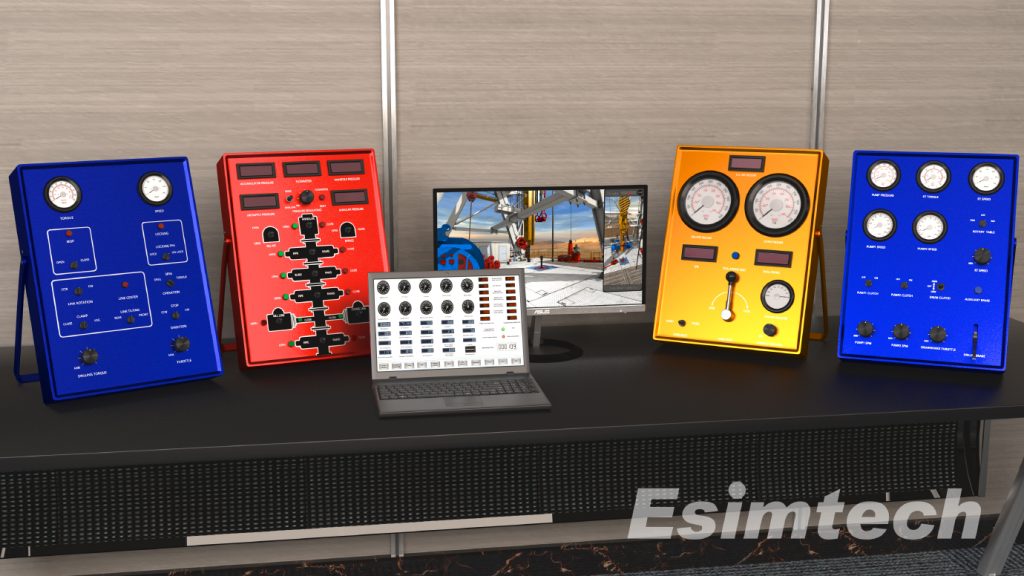
The Role of Simulation Technology
Simulation technology plays a crucial role in optimizing oil rig drilling operations. It is used for:
Design and Prototyping: Creating virtual models to test equipment performance and identify potential issues.
Training Simulators: Providing realistic training scenarios for drilling crews.
Drilling Process Optimization: Simulating drilling conditions to improve efficiency and safety.
Safety and Emergency Response Training: Preparing crews for potential emergencies.
Conclusion
Oil rig drilling equipment represents a sophisticated blend of engineering and technology. By understanding the key components, technologies, and the role of simulation, we can appreciate the complexity and challenges of offshore oil exploration. As technology continues to advance, we can expect even more innovative solutions to ensure the safe and efficient extraction of valuable energy resources from beneath the ocean's surface.
In today's diverse manufacturing landscape, the ability to process various materials with precision and efficiency is paramount. Multi-material processing presents unique challenges in tension control due to the varying properties and behaviors of different materials. Effective tension control systems are crucial to ensuring high-quality products and optimizing production processes.

Key Challenges in Multi-Material Tension Control
Diverse Material Properties: Each material has distinct characteristics, including tensile strength, elasticity, and thickness, that influence its behavior during processing.
Variable Processing Conditions: Factors like speed, temperature, and humidity can significantly affect material properties and require adjustments to tension control.
Complex Machine Setup: Handling multiple materials on a single production line demands intricate machine configurations and calibration.
Real-Time Monitoring and Adjustment: Accurate and timely adjustments are essential for maintaining consistent tension.
Quality Assurance: Ensuring defect-free and uniform products is crucial in multi-material processing.
Operator Expertise: Skilled operators are needed to manage complex tension control systems effectively.

Advancements in Tension Control Systems
To address these challenges, manufacturers are turning to innovative tension control technologies:
Adaptive Control Algorithms: These advanced tension control algorithms use machine learning to dynamically adjust tension settings based on real-time data.
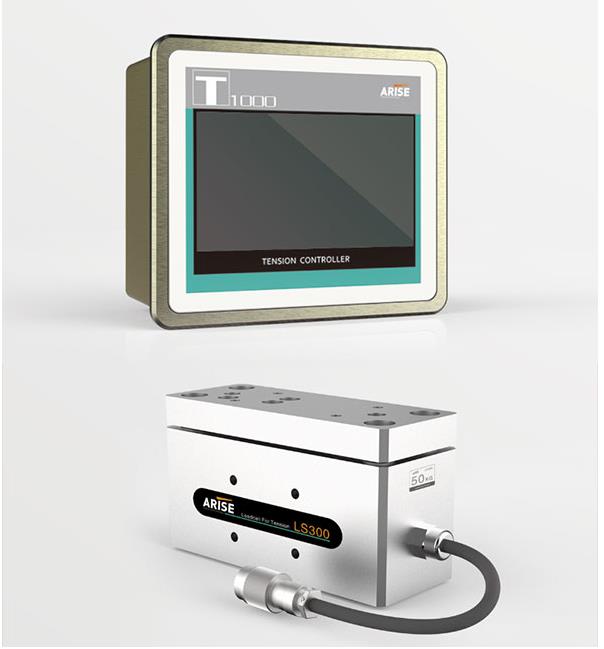
Multi-Sensor Integration: Combining various sensors (e.g., load cells, ultrasonic sensors, laser sensors) provides comprehensive material monitoring.
Intelligent Feedback Systems: These systems use sensor data to make real-time adjustments and ensure consistent tension.
Modular Design: Modular systems offer flexibility and scalability to accommodate different materials and processing needs.
Digital Twin Technology: Creating virtual replicas of physical systems enables simulation, optimization, and predictive analytics.
Predictive Maintenance: Using data analytics to predict maintenance needs and minimize downtime.
Benefits of Advanced Tension Control
Improved Quality: Consistent tension ensures product uniformity and reduces defects.
Increased Efficiency: Automated adjustments and predictive maintenance minimize downtime.
Enhanced Flexibility: Modular systems allow for easy adaptation to different materials and processes.
Cost Savings: Reduced waste and improved efficiency can lead to significant cost savings.
As manufacturing continues to evolve, advanced tension control systems will play a vital role in enabling efficient, high-quality production of diverse materials. By addressing the challenges and leveraging innovative technologies, manufacturers can stay competitive and meet the demands of the modern market.
Securing objects to various surfaces in construction often requires reliable and durable fastening systems. One solution that stands out is the screw anchor, a versatile hardware item designed to provide strong and secure attachments. With its high holding power, the screw anchor is widely used across multiple applications. In this article, we’ll explore the functionality, various uses and importance of screw anchors in different industries and construction projects.

What Are Screw Anchors?
Screw anchors, also known as screw-in anchors, threaded anchors, or expansion anchors, are mechanical fasteners designed to secure objects to different surface types. These anchors feature a threaded body and a sharp point, allowing them to be driven into materials such as masonry, drywall, wood, or metal, forming a stable attachment point. Typically made from durable materials like steel or stainless steel, screw anchors ensure long-lasting strength and reliability.

Functionality and Applications of Screw Anchors
Screw anchors offer secure fastening solutions for a wide range of applications across various industries:
Masonry and Concrete Applications
Screw anchors are widely used to secure objects in masonry and concrete applications. Designed to create dependable anchor points in these tough materials, they are inserted into pre-drilled holes, where the threads engage with the surrounding material, forming a strong connection. Common uses include securing structural components like wall plates, brackets, handrails, shelving, and signage to concrete walls, floors, and ceilings.
Drywall and Hollow Wall Applications
In drywall and hollow wall installations, screw anchors are vital for providing stability and load-bearing capabilities. These anchors expand within the hollow spaces behind the wall, creating a secure attachment. They are commonly used to hang items like shelves, light fixtures, mirrors, curtain rods, and artwork, ensuring reliable support and preventing objects from loosening or falling.
Wood and Timber Applications
Screw anchors are ideal for attaching objects to wood and timber surfaces. Without the need for pre-drilling, they can be driven directly into the wood, providing secure attachment points for hardware, brackets, hangers, hooks, and other fixtures. These anchors are often used in woodworking projects such as furniture assembly, cabinets, decking, and framing.
Metal Applications
screw anchors are also effective in securing objects to metal surfaces. By digging into the metal, these anchors create a solid grip, providing stability even under heavy loads or vibrations. Typical uses include securing brackets, conduits, electrical components, and fixtures to metal structures such as steel beams or frames.
Outdoor and Construction Applications
Due to their durability and resistance to environmental factors, screw anchors are invaluable in outdoor and construction applications. They are commonly used in fencing, securing outdoor structures, anchoring posts or poles, and decking projects. In high-stress or exposed areas, screw anchors provide reliable support and long-lasting stability.
Removable and Reusable Applications
Some screw anchors are designed to be removable and reusable, making them ideal for temporary installations or situations that require frequent changes. These anchors are commonly used in event setups, temporary construction, or projects that demand flexibility in reconfiguration.
Specialized Applications
In specialized industries, screw anchors play a crucial role. For example, in aerospace, screw anchors are used to secure components within aircraft structures. In the marine industry, corrosion-resistant screw anchors are essential for attaching fixtures and equipment to boats and ships.

Summary
Screw anchors are a critical fastening solution for a wide variety of applications in multiple industries. When selecting screw anchors, it is important to consider the specific material, load requirements, and manufacturer guidelines to ensure optimal performance and longevity. With their versatility and reliability, screw anchors are indispensable in construction and industrial projects alike.
Sample preparation is a critical step in gas chromatography-mass spectrometry (GC-MS) analysis, significantly impacting the accuracy, sensitivity, and reliability of results. Over the years, significant innovations have emerged to address the challenges associated with sample preparation, enhancing the capabilities of GC-MS analysis across various industries.

Challenges in Sample Preparation
1.Matrix Interference: Complex sample matrices can introduce contaminants that interfere with analyte detection.
2.Analyte Stability: Some analytes may degrade or transform during sample handling and storage.
3.Low Analyte Concentrations: Trace-level analysis can be challenging due to low analyte concentrations.
4.Sample Complexity: Complex matrices with numerous components can hinder chromatographic separation.
5.Method Reproducibility: Ensuring consistent results requires standardized procedures and quality control measures.
Recent Advancements
1.Solid-Phase Microextraction (SPME): Innovative SPME fibers and techniques have improved extraction efficiency and selectivity.
2.Microextraction Techniques: Miniaturization and automation have enhanced the speed and accuracy of microextraction methods.
3.QuEChERS Method: Advanced sorbents and extraction solvents have improved analyte recovery and reduced solvent consumption.
4.Automated Sample Preparation Systems: Integrated systems streamline workflows and reduce human error.
Conclusion
The advancements in sample preparation techniques have significantly improved the capabilities of GC-MS analysis. By addressing the challenges associated with sample preparation, researchers and analysts can achieve higher levels of sensitivity, selectivity, and reproducibility in their analytical workflows.