
Printing inspection systems are essential for ensuring the quality and accuracy of printed products across various industries. However, each industry presents unique challenges that must be addressed to maintain the integrity of printed materials. This article explores the specific challenges faced by different industries in printing inspection systems and the solutions that help overcome these obstacles.

Understanding Printing Inspection Systems
Key Components of Printing Inspection Systems
Optical Inspection: This involves using cameras and sensors to capture images of the printed material and analyze them for defects like color variations, misalignment, or missing elements.
Image Analysis: Advanced algorithms are used to process and analyze captured images, identifying patterns, defects, and comparing them to predefined standards.
Sensor-Based Measurements: Sensors can measure various properties of the printed material, such as thickness, density, or surface texture, to detect inconsistencies.
Benefits of Printing Inspection Systems
Improved Quality: By identifying and correcting defects early in the production process, printing inspection systems help ensure higher-quality printed materials.
Increased Efficiency: Automated printing quality inspection systems can significantly reduce manual inspection time and improve overall production efficiency.
Reduced Costs: By preventing defects from reaching the end customer, printing inspection systems can help reduce waste and rework costs.
Enhanced Compliance: Many industries have strict quality standards and regulations. Printing inspection systems can help ensure compliance with these requirements.

Applications of Printing Inspection Systems
Packaging Industry: Inspecting labels, cartons, and other packaging materials for defects like color variations, misalignment, and missing information.
Pharmaceutical Industry: Verifying the accuracy of dosage information, expiration dates, and batch numbers on pharmaceutical packaging.
Textile Industry: Inspecting fabrics for defects such as color bleeding, misalignment, and incomplete prints.
Security Printing: Ensuring the authenticity of security documents like banknotes, passports, and ID cards.
Food and Beverage Industry: Verifying the accuracy of labels, expiration dates, and other information on food and beverage packaging.
Specific Industrial Challenges in Implementing Printing Inspection Systems
1. Packaging Industry: Ensuring Consistency and Precision
High-Speed Production: Advanced inspection systems utilizing machine learning and AI can adapt to high-speed production lines.
Varied Substrates: Multi-sensor technology can ensure consistent inspection across different packaging materials.
Complex Designs: AI-powered inspection systems can accurately detect defects in intricate designs.
2. Pharmaceutical Industry: Regulatory Compliance and Traceability
Regulatory Compliance: High-resolution cameras and OCR technology can help meet strict regulatory requirements.
Counterfeiting: Blockchain integration can enhance traceability and combat counterfeiting.
Small Print and High Contrast: Advanced inspection systems can accurately read and verify small print and high-contrast elements.
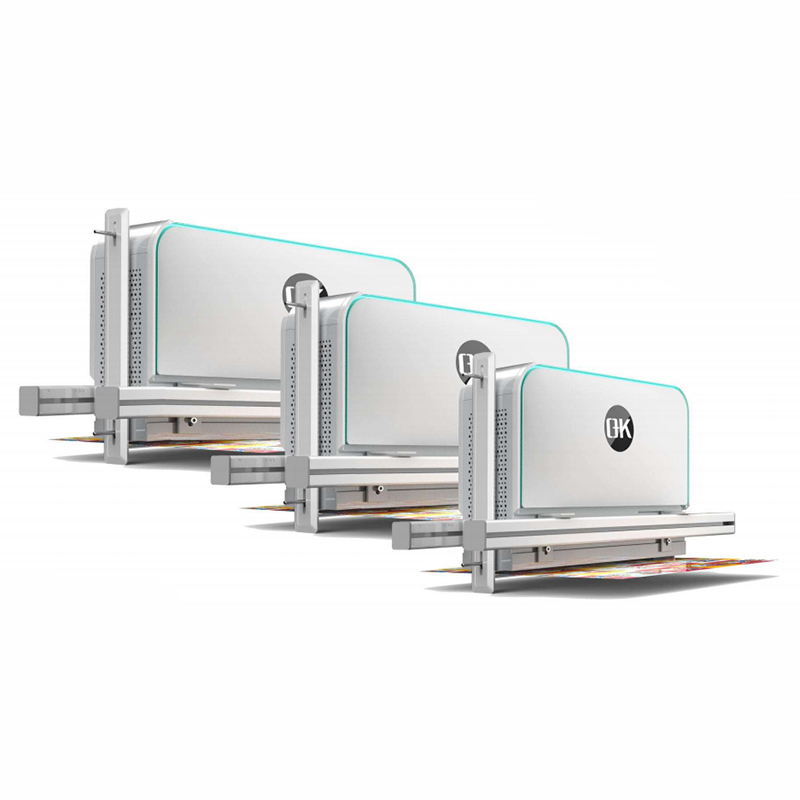
3. Textile Industry: Handling Variability in Fabric Printing
Fabric Variability: Adaptive lighting solutions and pattern recognition capabilities can address challenges posed by varying fabric materials.
Large Print Areas: High-resolution vision systems can scan large surfaces without missing details.
Complex Patterns: Advanced pattern recognition algorithms can distinguish between design elements and defects.
4. Security Printing Industry: Safeguarding Against Fraud
Anti-Counterfeiting Measures: Multi-layer inspection systems can verify holograms, microtext, and UV-sensitive inks.
Complex and Diverse Features: AI-driven pattern recognition can improve the accuracy of inspections.
Strict Compliance Standards: Advanced 100% printing inspection systems can meet high accuracy and reliability standards.
5. Food and Beverage Industry: Hygiene and Safety Concerns
Hygiene Standards: Non-contact inspection methods can maintain hygiene in food and beverage production.
Shelf-Life Information: High-speed vision systems can ensure accurate printing of expiration dates and batch numbers.
Flexible Packaging: Advanced inspection systems can handle the challenges of inspecting flexible packaging materials.
By addressing these industry-specific challenges, businesses can ensure the quality, consistency, and safety of their printed products, meeting the demands of their respective industries.
Marine navigation lights are crucial for ensuring the safety of vessels at sea, especially in adverse weather conditions. However, the increasing effects of climate change pose new challenges to the use and performance of these lights. This article explores how climate change is impacting marine navigation lights and how the maritime industry is adapting to these changes.

Key Functions of Marine Navigation Lights
Collision Avoidance:
Identification: The lights help identify a vessel's type, size, and direction of travel.
Visibility: They ensure that vessels can be seen from a safe distance, preventing collisions.
Avoiding Obstacles: Navigation lights can help vessels avoid obstacles such as rocks, reefs, and other ships.
Indication of Presence:
Alerting Other Vessels: Lights signal the presence of a vessel to other ships in the area.
Preventing Misunderstandings: They help prevent misunderstandings and accidental collisions.
Guidance and Direction:
Navigational Aids: Certain navigation lights, such as buoys and beacons, provide guidance and direction for vessels.
Safe Passage: They help ships navigate through narrow channels, harbors, and other restricted areas.
Emergency Signals:
Distress Calls: Some navigation lights can be used to send distress signals in case of emergencies.
Seeking Assistance: They can attract attention and help vessels obtain assistance.
Types of Marine Navigation Lights
Sidelights: Red port side and green starboard side lights.
Sternlight: White light visible from astern.
Masthead Light: White light visible from ahead.
Anchor Light: White light visible from all around.
Fog Signals: Sound signals used in foggy conditions.
International Regulations
The International Regulations for Preventing Collisions at Sea (COLREGS) outline the specific requirements for marine navigation lights. These regulations ensure that ships of all nationalities use the same lighting system, promoting safety and understanding at sea.

Key Impacts of Climate Change on Marine Navigation Lights
Increased Frequency of Extreme Weather Events:
Reduced Visibility: Heavy rains, fog, and rough seas can diminish the visibility range of marine navigation lights.
Damage to Navigation Lights: High winds, powerful waves, and flooding can physically damage or dislodge navigation lights.
Rising Sea Levels and Coastal Erosion:
Submersion of Navigation Light Structures: Rising sea levels may submerge or make land-based navigation lights inaccessible.
Impact on Buoys: Rising water levels and changes in tides can affect the stability and visibility of floating navigation buoys.
Changing Sea and Weather Patterns:
Unpredictable Conditions: Sudden fog formation, temperature changes, and unexpected storms can disrupt navigation.
Demand for Adaptive Lighting Systems: Navigation lights need to be more adaptive to changing environmental conditions.
Environmental Degradation and Biofouling:
Decreased Light Visibility: Biofouling can cover navigation lights, reducing their brightness and range.
Need for Durable Materials: Specialized coatings or antifouling technologies can help extend the lifespan of marine lights.
Energy Efficiency and Sustainability Pressures:
Solar-Powered Navigation Lights: Reduce reliance on fossil fuels and minimize carbon footprint.
Energy-Efficient LEDs: Consume less power, last longer, and are more durable.
Adapting to Climate Change
Technological Innovations:
Smart Navigation Lights: Equipped with sensors and GPS tracking for adaptive performance.
Remote Monitoring and Control: Ensure timely repairs and adjustments based on environmental conditions.
Design and Materials:
Robust Designs: Ensure marine navigation lights can withstand extreme weather conditions.
Durable Materials: Use materials resistant to corrosion and fouling.

Maintenance and Monitoring:
Regular Maintenance: Conduct frequent checks to ensure proper functioning.
Automated Monitoring Systems: Detect malfunctions in real time.
Policy and Regulations:
Updated Standards: Review and update navigation light standards to address climate change challenges.
International Cooperation: Foster collaboration among maritime nations to implement consistent measures.
By implementing these adaptations, the maritime industry can mitigate the impacts of climate change on marine navigation lights and ensure the continued safety of vessels at sea.
Bolts are essential components that hold structures, machinery, and various objects together, ensuring stability and reliability. Made up of a threaded shaft, a head, and often a nut, bolts provide a secure connection between different materials. The choice of the material significantly impacts strength, durability, and suitability for specific applications of bolts.
Common Bolt Materials
1. Carbon Steel:
Most widely used due to its low cost and general-purpose strength.
Available in grades like Grade 2, Grade 5, and Grade 8.
Suitable for various industries, including construction and automotive.

2. Alloy Steel:
Enhanced mechanical properties by adding alloying elements (chromium, molybdenum, nickel, vanadium).
Ideal for high-stress applications and corrosive environments.
3. Stainless Steel:
Offers excellent corrosion resistance due to the chromium content.
Grades like 304 and 316 have varying levels of corrosion resistance and strength.
Commonly used in applications with moisture or corrosive conditions.
4. Titanium:
Known for its high strength-to-weight ratio, corrosion resistance, and biocompatibility.
Widely used in aerospace, medical, and marine industries.
5. Brass:
A copper-zinc alloy with good corrosion resistance, electrical conductivity, and aesthetic appeal.
Often used in decorative and non-magnetic applications.
6. Aluminum:
Lightweight and corrosion-resistant.
Aluminum alloy bolts are mostly used in applications requiring weight reduction, such as automotive and aerospace.
7. Bronze:
A copper-tin alloy with good corrosion resistance and high strength.
Commonly used in marine and architectural applications.
8. Nickel Alloys:
Excellent temperature, corrosion, and stress resistance.
Used in harsh environments like aerospace, chemical processing, and marine applications.
9. Other Materials:
Cast Iron: Used for low-strength applications due to its brittle nature.
Plastic: Used for non-critical applications where strength and durability are not primary concerns.

Factors to Consider When Choosing Bolt Materials
Selecting the right bolt material is crucial to ensure the safety, reliability, and longevity of your structures or applications. Here are the key factors to consider:
Mechanical Requirements:
Determine the load-bearing capacity and strength needed based on the application.
High-stress applications may require stronger materials like alloy steel or titanium.
Corrosion Resistance:
Consider the environment where the bolts will be used.
Choose materials like stainless steel, titanium, or corrosion-resistant alloys for corrosive environments.
Temperature Extremes:
Select materials with good thermal stability for high-temperature applications.
Examples include nickel alloys or heat-treated steels.
Weight Constraints:
For applications where weight reduction is critical (e.g., aerospace), opt for lightweight materials like titanium or aluminum.
Electrical Conductivity:
If electrical conductivity must be avoided, use non-conductive materials like plastics or non-ferrous metals.
Magnetic Properties:
Choose nonmagnetic materials like stainless steel or certain nickel alloys if magnetism is undesirable.
Budget Constraints:
Consider material costs and balance performance expectations with your budget.
Compatibility with Other Materials:
Ensure the bolt material is compatible with the materials it will contact to avoid galvanic corrosion.
Industry Standards and Regulations:
Adhere to relevant industry standards and regulations.
Expected Lifespan and Maintenance:
Choose materials that align with the desired lifespan and maintenance requirements.
By carefully considering these factors, you can select the most appropriate bolt material to ensure the safety, reliability, and longevity of your structures or applications.
In laboratories and research facilities, precise measurement of melting points is crucial for characterizing various substances. However, this process comes with inherent risks if not conducted safely. This article aims to provide comprehensive guidance on comprehensive guidance on using automatic melting point apparatus securely, ensuring both accurate results and personal safety.

Understanding Automatic Melting Point Apparatus
An automatic melting point apparatus is a laboratory instrument used to determine the melting point of a substance with high precision and accuracy. It offers automated temperature control and monitoring during the melting process, eliminating human error and providing consistent results.
Key Components
Heating Block: The platform where the sample is placed for heating.
Heating Element: Generates heat to raise the temperature of the sample.
Temperature Sensor: Monitors the temperature of the sample during the melting process.
Cooling System: (Optional) Rapidly cools the sample after reaching its melting point.
Digital Display: Video melting point meter shows current temperature and other relevant information.
Automated Controls: Allow users to set parameters like heating rate, temperature range, and cooling options.
Sample Holder: Securely holds the sample for uniform heating and accurate temperature measurement.
Safety Features: Prevent damage to the device or the sample, such as overheating protection.
How it Works
Sample Preparation: The sample is placed in a suitable container (often a capillary tube) and inserted into the heating block.
Heating: The heating element gradually increases the temperature of the heating block.
Temperature Monitoring: The temperature sensor continuously monitors the temperature of the sample.
Melting Point Determination: When the sample begins to melt, the temperature at which the first liquid droplet appears is recorded as the melting point.
Applications
Automatic melting point apparatus is widely used in various fields, including:
Chemistry: Characterizing organic and inorganic compounds
Pharmaceuticals: Quality control of drugs and pharmaceutical intermediates
Materials Science: Analyzing polymers, metals, and other materials
Forensic Science: Identifying unknown substances
Food Industry: Testing food additives and preservatives
Safety Precautions for Using Automatic Melting Point Apparatus
Before Operation
Read the Manual: Familiarize yourself with the manufacturer's instructions and safety guidelines.
Inspect the Apparatus: Check for any visible damage or defects.
Wear Personal Protective Equipment (PPE): Use appropriate PPE such as lab coats, safety goggles, and heat-resistant gloves.
Prepare the Workspace: Ensure a clean, well-ventilated workspace free from flammable materials.
Power Connection: Connect the apparatus to a grounded electrical outlet.
Sample Preparation
Handle Samples Carefully: Avoid contamination and minimize spills.
Label Samples Clearly: Prevent mix-ups and ensure accurate record-keeping.
Weigh Samples Accurately: Use a balance or scale to weigh the desired amount.
Avoid Overfilling: Overfilled containers can lead to uneven heating and inaccurate results.
Clean Sample Containers: Prevent contamination from previous experiments.
Consider Sample Solubility: Ensure complete dissolution if applicable.
During Operation
Follow Operating Instructions: Avoid unauthorized modifications or adjustments.
Monitor Temperature: Prevent overheating, which can lead to damage or safety hazards.
Avoid Contact with Hot Surfaces: Handle the apparatus with care and use heat-resistant tools.
Do Not Leave Unattended: Stay vigilant and ready to respond to emergencies.
Familiarize Yourself with Emergency Procedures: Know how to shut down the apparatus in case of malfunction or overheating.

Post-Operation
Cool Down Period: Allow sufficient time for the apparatus to cool down before cleaning or maintenance.
Turn Off Power: Switch off the power supply and unplug the apparatus when not in use.
Clean and Maintain: Regularly clean and maintain the apparatus according to manufacturer recommendations.
Store Properly: Store the apparatus in a dry, clean, and well-ventilated area.
Report Any Issues: Immediately report any problems or safety concerns to appropriate personnel.
Additional Safety Tips
Use High-Quality Samples: Avoid impurities or contaminants that can affect melting point.
Consider Sample Solubility: Ensure complete dissolution if applicable.
Protect Samples from Moisture: Moisture can alter melting behavior.
Use Suitable Sample Containers: Select appropriate containers based on the sample and apparatus requirements.
Handle Hazardous Samples Safely: Take appropriate precautions for hazardous or toxic substances.
Using an automatic melting point apparatus safely requires careful attention to detail and adherence to established safety protocols. By following the guidelines outlined in this article, researchers and laboratory personnel can minimize risks, safeguard their well-being, and obtain accurate melting point measurements essential for their scientific endeavors.
Oil rigs play a crucial role in meeting the world's energy demands, but their environmental impact is a growing concern. This article explores the various ways oil rigs can affect the environment, the efforts made to mitigate their ecological footprint, and how simulation technology is being used to reduce these risks.
How Do Oil Rigs Affect the Environment
Oil rigs can have a significant negative impact on the environment. Here are some of the key ways they affect ecosystems:
1. Oil Spills:
Accidents during drilling, transportation, or maintenance can lead to oil spills, which have devastating consequences for marine and coastal ecosystems.
Oil spills can contaminate water, harm marine life, and disrupt food chains.

2. Disruption of Marine Ecosystems:
The construction and operation of oil rigs can disrupt marine habitats, affecting species behavior, reproduction, and feeding.
Noise pollution from rig activities can also disturb marine life, leading to behavioral changes and potential harm.
3. Air and Water Pollution:
Oil rigs release pollutants into the air and water, including greenhouse gases, drilling muds, chemicals, and produced water.
These pollutants can contribute to climate change, contaminate water sources, and harm marine life.
4. Climate Change Impact:
The extraction and combustion of fossil fuels contribute to climate change, and oil rigs are a major source of greenhouse gas emissions.
Climate change can lead to rising sea levels, more extreme weather events, and changes in ocean temperatures, further impacting marine ecosystems.
Mitigating Environmental Impacts of Oil Rigs
Advanced spill response technologies: Improved equipment and techniques for containing and cleaning up oil spills.
Improved safety measures: Enhanced safety protocols and inspections to prevent accidents and spills.
Environmental impact assessments: Conducting thorough assessments before rig construction or operation to identify potential risks and develop mitigation plans.
Cleaner energy options: Exploring alternatives to fossil fuels, such as renewable energy sources.
Water pollution treatment: Implementing technologies to treat and safely dispose of drilling wastewaters.
Carbon capture and storage: Developing methods to capture and store carbon dioxide emissions from oil rig operations.

The Role of Simulation Technology in Mitigating Environmental Impacts of Oil Rigs
Simulation technology is playing an increasingly important role in addressing the environmental challenges posed by oil rigs. By creating virtual models of oil rigs and their operations, engineers and scientists can:
Simulate oil spill scenarios: Test response plans and improve spill mitigation strategies.
Conduct environmental risk assessments: Identify potential impacts and develop mitigation measures.
Optimize drilling operations: Reduce environmental footprint and simulating the drilling scenarios for improving efficiency.
Assess climate impact: Explore opportunities for emissions reduction.
Train personnel in emergency response and environmental protection.

Conclusion
While oil rigs continue to be essential for energy production, their environmental impact must be carefully managed. Through a combination of mitigation strategies and innovative technologies like simulation, the industry is working towards a more sustainable future.