
Marine life jackets are a critical safety component for all types of water-related activities, from recreational boating to professional maritime operations. Over the years, demand for various types of life jackets has shifted, driven by factors like evolving safety regulations, consumer preferences, and advancements in design and materials. This article explores the trends influencing the demand for different types of marine life jackets and what the future might hold.

1. Increased Demand for Lightweight and Comfortable Designs
Consumers now prioritize comfort alongside safety, especially for activities like kayaking, paddleboarding, and recreational boating. This has driven demand for life jackets made from lightweight, breathable materials. Advanced foam technology and ergonomic designs are enabling manufacturers to meet this demand without compromising safety.
2. Growth in Inflatable Life Jacket Market
Inflatable life jackets, which offer compact storage and greater freedom of movement, are becoming increasingly popular among both recreational and professional users. These jackets automatically inflate upon contact with water or can be manually activated, making them versatile for various scenarios. Their growing adoption is especially noticeable in fishing and sailing communities.

3. Specialized Life Jackets for Specific Activities
The market is seeing a rise in demand for specialized life jackets tailored to activities like:
High-impact sports: Waterskiing and jet skiing require life jackets with extra durability and shock absorption.
Cold-water protection: Life jackets with integrated thermal insulation are increasingly sought after for use in colder climates or during offshore work.
Fishing and kayaking: Jackets with added storage options, such as pockets for gear, are growing in popularity.
4. Focus on Child and Pet Safety
Parents are investing more in high-quality, properly fitted life jackets for children, spurred by increased awareness of water safety. Similarly, life jackets for pets have gained traction, reflecting the growing trend of including pets in boating activities. These jackets often come with handles for easy retrieval and bright colors for visibility.

5. Adoption of Smart Life Jackets
Technological innovation is reshaping the market with the introduction of smart life jackets. Equipped with GPS trackers, sensors, and communication devices, these jackets enhance safety by enabling location tracking and emergency signaling. Their use is becoming common among professional mariners and offshore workers.
6. Compliance with Stringent Regulations
Demand is rising for life jackets that comply with updated safety standards set by international maritime authorities. Features such as reflective strips, high buoyancy, and whistles are now standard in many designs. These requirements are particularly important in commercial and industrial applications, where adherence to regulations is mandatory.
7. Sustainability Driving Material Choices
Eco-conscious consumers and regulatory bodies are pushing for life jackets made from sustainable materials. Biodegradable foams, recycled fabrics, and non-toxic dyes are becoming significant selling points, appealing to environmentally aware buyers.
8. Regional Trends in Demand
North America and Europe: High demand for recreational life jackets due to extensive water sports activities.
Asia-Pacific: Growing demand for industrial-grade life jackets for commercial shipping and fishing industries.
Middle East and Africa: Increased demand for life jackets designed for extreme weather conditions.
9. Impact of E-commerce and Customization
Online sales platforms have expanded consumer access to a variety of life jacket options. Personalization, including size, color, and design preferences, is a growing trend, enabling consumers to find jackets suited to their unique needs.
Future Outlook
The global life jacket market is expected to continue its steady growth, driven by technological advancements, stricter safety regulations, and increasing awareness of water safety. Innovations such as self-cleaning materials, enhanced buoyancy systems, and hybrid designs combining foam and inflatable technologies are likely to shape the future of marine life jackets.

To sum up, the demand for marine life jackets is evolving as safety requirements, consumer expectations, and technological capabilities advance. Manufacturers are increasingly focusing on delivering products that balance safety, comfort, and sustainability, ensuring that users of all types can enjoy water activities with confidence. These trends highlight the importance of ongoing innovation and adaptability in meeting the diverse needs of the marine life jacket market.
Anime has captivated audiences worldwide with its diverse storytelling, unique art styles, and relatable characters. As fans develop deep connections with their favorite series, collectibles become a natural extension of their passion. One standout in the world of collectibles is custom anime plushies. These soft, huggable versions of beloved characters allow fans to bring a piece of their favorite anime into their everyday lives. This article delves into what makes custom anime plushies special, the process of creating them, and tips for those looking to design their own.

What Are Custom Anime Plushies
Custom anime plushies are personalized stuffed toys designed to resemble characters from anime series. Unlike mass-produced plushies, custom versions offer the ability to incorporate specific details, poses, or even unique clothing and accessories that reflect a fan’s interpretation or specific scenes from the anime.
These plushies can range in size, from small handheld versions perfect for decorating desks or bags, to larger models designed for hugging or display. Their appeal lies in their individuality, allowing fans to celebrate their favorite characters in a personal and creative way.
Why Are Custom Anime Plushies Popular
The popularity of custom anime plushies stems from several factors:
Personalization: Fans can request specific details that resonate with their favorite moments or create mashups with characters in unique outfits or settings.
Unique Collectibles: Custom plushies are often one-of-a-kind, making them special additions to any anime collection.
Emotional Connection: Holding a plushie modeled after a beloved character can evoke strong emotions, making fans feel closer to the stories they cherish.
The Process of Creating Custom Anime Plushies
Creating custom anime plushies involves several steps to ensure quality and accurate representation:
Design Consultation: The process begins with a detailed consultation between the customer and the plushie designer. Fans share their ideas, character references, and any specific details they want included.
Initial Sketches: The designer creates sketches based on the consultation. This step allows for adjustments before the production phase.
Material Selection: Choosing the right materials is crucial for capturing the essence of a character. High-quality fabrics, embroidery, and plush stuffing contribute to the overall feel and durability of the plushie.
Prototyping: A prototype may be produced to test the design, ensuring that it meets the customer's expectations.
Final Production: Once approved, the plushie is manufactured and carefully assembled with attention to detail, including the stitching, facial expressions, and added accessories.
Quality Control: Each custom plushie undergoes quality checks to ensure it meets high standards before being shipped to the customer.

Tips for Designing Your Own Custom Anime Plushie
Designing your own custom plushie can be an exciting experience. Here are some tips to help you get started:
Provide Clear References: High-quality images and references of the character help the designer capture details accurately.
Be Specific About Features: Indicate any particular expressions, poses, or clothing you want on the plushie.
Choose Trusted Manufacturers: Work with experienced plushie makers or studios that specialize in custom anime merchandise to ensure a high-quality result.
Consider Size and Budget: Custom plushies can vary in price depending on size and complexity. Decide on your preferred size and set a budget that aligns with your expectations.
Popular Custom Anime Plushie Ideas
Fans have come up with a variety of creative custom plushie ideas, including:
Chibi Versions: A cute and smaller representation of a character, featuring an exaggerated head-to-body ratio.
Cosplay Plushies: Characters dressed in outfits from different series or special event costumes.
Seasonal Themes: Characters dressed in holiday or seasonal attire, like winter coats or summer festival yukatas.
Crossover Creations: Combining two characters or series into one unique plushie.
Where to Order Custom Anime Plushies
Ordering custom anime plushies can be done through various channels:
Specialty Custom Plushie Makers: These businesses focus exclusively on creating plushies and can often accommodate detailed requests.
Independent Artists: Commissioning independent artists or creators through platforms like Etsy or social media can lead to highly personalized and unique results.
Large-Scale Manufacturers: Some custom plushie manufacturers have minimum order requirements, ideal for conventions or group orders.

Caring for Your Custom Plushie
To maintain the quality of your custom anime plushie:
Keep it Clean: Gently clean your plushie with a damp cloth if needed, avoiding harsh chemicals.
Avoid Direct Sunlight: Prolonged exposure to sunlight can fade colors and damage fabric over time.
Store Safely: When not in use, store your plushie in a dry and cool environment to prevent damage or dust buildup.
Overall, custom anime plushies offer fans an opportunity to bring their favorite characters into their homes in a special and personalized way. The process, while detailed, results in a collectible that embodies the creativity and passion of anime fandom. Whether you're looking to commemorate a cherished moment or create a unique gift for a fellow fan, custom plushies can add a touch of warmth and nostalgia to your collection.
Measuring bolts accurately is essential for ensuring the correct size and fit in construction, manufacturing, and repair projects. Understanding bolt dimensions can prevent costly errors, improve the quality of assembly, and ensure compliance with specifications. This article will guide you through the process of measuring bolts accurately, covering key measurement aspects such as length, diameter, thread pitch, and head dimensions.

Tools Required for Measuring Bolts
Accurate measurement of bolts requires the use of appropriate tools. Here are some common tools used for bolt measurement:
Calipers: For precise measurements of bolt diameter and thread pitch.
Ruler or Measuring Tape: Used to measure the length of the bolt.
Thread Gauge: Essential for determining thread pitch and type.
Micrometer: For high-accuracy measurements of diameter, especially for small bolts.
Understanding Bolt Anatomy
Before measuring, it is crucial to understand the key parts of a bolt:
Shank: The unthreaded portion of the bolt.
Thread: The helical structure that allows the bolt to engage with a nut or threaded hole.
Head: The top part of the bolt used to apply torque during installation.
Measuring the Length of a Bolt
The length of a bolt is measured from the point where the head sits flush with the surface to the end of the bolt. The method of measurement varies depending on the bolt types:
Flat-head Bolts: Measure from the top of the head to the end of the bolt.
Hex, Pan, and Round-head Bolts: Measure from directly under the head to the tip of the bolt.

To measure the length accurately:
Place the bolt on a flat surface.
Use a ruler or caliper, ensuring it is aligned with the bolt's axis.
Read the measurement from the base of the head to the bolt's tip.
Measuring Bolt Diameter
Bolt diameter refers to the width of the shank and is commonly classified as the "nominal diameter."
Select a Caliper: Ensure the caliper is calibrated for accurate readings.
Position the Bolt: Hold the bolt so that the jaws of the caliper can fully enclose the shank.
Read the Measurement: The value displayed on the caliper is the diameter of the bolt. For threaded bolts, ensure that you measure the major (outer) diameter, which is the widest part of the thread.
Determining Thread Pitch
Thread pitch is the distance between the crests of adjacent threads. It is typically expressed in millimeters for metric bolts and in threads per inch (TPI) for imperial bolts.
Use a Thread Gauge: Place the gauge along the threads of the bolt until you find the match that fits snugly.
Verify the Match: Ensure there are no gaps between the gauge teeth and the bolt threads.
Record the Pitch: Note the measurement indicated on the thread gauge.
Measuring Head Dimensions
For bolts that require fitting into specific recesses or need precise torque applications, measuring the head dimensions is necessary:
Width Across Flats (WAF): The distance between opposite flat sides of a hex bolt's head.
Height of the Head: Use a caliper to measure the head's thickness from its base to the top.
Tips for Accurate Measurements
Ensure Proper Lighting: Use a well-lit area to read measurements clearly.
Check for Calibration: Always use calibrated tools for precision.
Repeat Measurements: Take at least two measurements to confirm accuracy.
Clean the Bolt: Remove any debris or rust to avoid interference.
Common Measurement Pitfalls to Avoid
Overtightening the Caliper: Applying too much pressure can alter the actual reading.
Misalignment: Ensure the ruler or caliper is parallel to the bolt's axis for accurate length measurements.
Relying on Visual Estimations: Always use proper measuring tools rather than estimating by eye.
Summary
Accurate bolt measurement ensures that bolts are appropriately sized for their intended application, preventing mechanical failures and improving assembly reliability. By using the right tools, understanding bolt anatomy, and following systematic measurement techniques, you can achieve accurate and reliable results.
Tension control is an essential aspect of numerous industrial processes, from paper and film manufacturing to metal processing and textiles. Precise tension management is crucial for maintaining product quality, ensuring safety, and optimizing productivity. However, achieving reliable tension control poses significant challenges across different sectors due to unique operational and material considerations. This article explores the primary challenges faced in tension control across industries and discusses possible solutions.
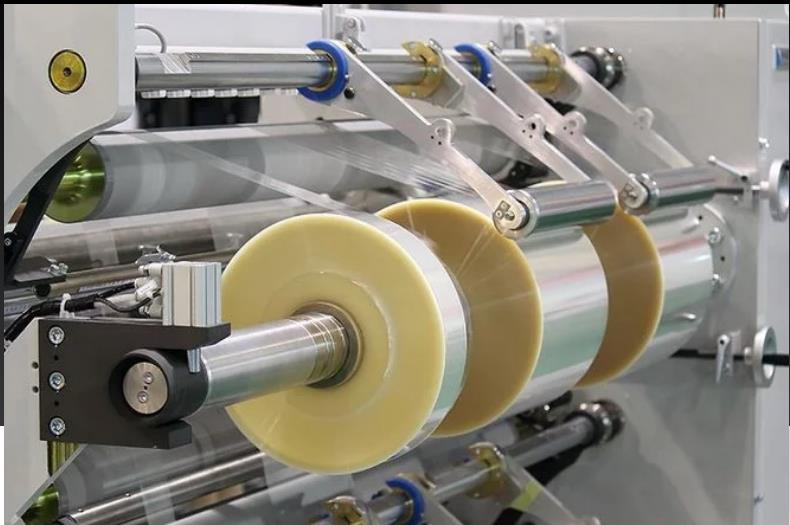
Understanding Tension Control
Tension control refers to the regulation of force exerted on materials as they move through production machinery. Whether dealing with flexible materials such as paper and plastic film or more rigid substrates like metals, effective tension control prevents issues such as stretching, tearing, or inconsistent thickness. Variations in tension can lead to defects, equipment damage, or product waste.
Common Industries Requiring Tension Control
Printing Industry: Consistent tension ensures high-quality print registration and prevents substrate misalignment.
Textile Industry: Tension variations can cause weaving and dyeing defects, impacting fabric quality.
Metals Industry: Metal processing, including rolling and slitting, requires precise tension management to maintain uniform thickness and prevent breakage.
Packaging Industry: Ensuring tension control during film unwinding and rewinding processes is crucial to avoid film stretching or wrinkles.
Key Challenges in Tension Control
Each industry faces its own set of challenges when it comes to tension management. Here are some common issues:
Material Variability: The physical properties of materials can vary, even within the same batch. This variability poses a challenge in maintaining consistent tension. For instance, some materials may stretch more than others, leading to adjustments during processing.
High-Speed Production: With modern machinery capable of operating at extremely high speeds, maintaining consistent tension becomes more complex. High-speed operations increase the risk of inertia effects, leading to rapid tension fluctuations that are difficult to control.
Environmental Factors: Changes in temperature and humidity can affect the elasticity and behavior of materials, impacting tension control. For example, textile and paper industries often face difficulties in controlling tension when production conditions are not adequately regulated.
Equipment Limitations: Outdated or improperly calibrated equipment can result in tension inconsistencies. Mechanical components such as rollers and sensors may wear out or malfunction over time, leading to less precise tension management.
Transition Phases: Tension control is particularly challenging during processes such as splicing or roll changes. The transition between rolls often results in temporary tension loss or gain, which can affect product uniformity.
Operator Skills: Effective tension management requires skilled operators who understand how to adjust and troubleshoot control systems. A lack of training or experience can lead to poor tension regulation and increased downtime.
Strategies for Improving Tension Control
Addressing these challenges requires a multifaceted approach. Here are some strategies that industries can employ to enhance tension control:

Advanced Automation and Control Systems: Integrating digital and automated control systems helps monitor and adjust tension in real-time. Technologies such as automatic tension controllers and load cells provide more precise and responsive management compared to manual adjustments.
Material-Specific Solutions: Customizing tension control solutions based on material properties can help maintain consistency. For example, adjusting the tension settings based on the elasticity of specific batches can minimize variations.
Maintenance and Calibration: Regular maintenance and calibration of equipment ensure that all components function correctly, reducing the likelihood of tension inconsistencies. Scheduled checks for wear and tear, as well as updates to control software, contribute to reliable performance.
Operator Training: Providing comprehensive training programs for operators can significantly improve tension control outcomes. Skilled operators are better equipped to recognize and address tension-related issues promptly.
Environmental Control: Implementing climate control systems in production facilities can mitigate the impact of temperature and humidity on materials. This is especially beneficial in industries sensitive to environmental fluctuations, such as textiles and paper.
Feedback Systems: Real-time feedback mechanisms that monitor tension and adjust operations as needed can enhance accuracy. Closed-loop systems that use data from tension sensors to automatically modify roller speeds or apply braking forces ensure consistent tension throughout the process.
Case Study: The Printing Industry
In the printing industry, maintaining tension is critical for precise print alignment. Variations in tension can lead to misregistration, resulting in poor print quality and increased waste. High-speed web presses often encounter challenges due to rapid acceleration and deceleration, which impact tension stability. To counter this, many printing facilities have adopted servo-driven systems and digital tension controllers, which help maintain uniform tension even at varying speeds.

Conclusion
Tension control is a complex yet essential part of many industrial processes. While challenges such as material variability, high-speed operations, and environmental changes pose difficulties, advancements in automation, regular maintenance, and skilled operators can significantly improve tension regulation. By adopting modern control technologies and tailored solutions, industries can enhance product quality, reduce waste, and maintain operational efficiency.
Effective tension control requires ongoing innovation and strategic implementation to meet the demands of various industries. By addressing these challenges, businesses can ensure consistent product quality and improved productivity across the board.
Marine navigation lights are essential components of the safety infrastructure on the water, providing vital guidance to vessels and ensuring safe navigation through various maritime conditions. However, the maritime environment is inherently challenging, with constant exposure to elements like saltwater, humidity, temperature fluctuations, and rough weather conditions. These environmental factors can significantly affect the performance and durability of marine navigation lights. Understanding these impacts is crucial for maintaining the reliability of these systems, which ultimately ensures the safety of maritime operations.

1. Corrosion from Saltwater Exposure
One of the most significant challenges faced by marine navigation lights is the corrosive effect of saltwater. The maritime environment is rich in salt, which accelerates the degradation of metal parts. Stainless steel, aluminum, and other materials used in the construction of marine lights are prone to corrosion when exposed to constant saltwater mist or immersion. This can lead to physical damage to the structure of the light fixtures, impaired electrical connections, and reduced effectiveness in illumination.Impact: Corrosion can weaken the housing, rust electrical connections, and shorten the lifespan of the lights. Over time, this could compromise the visibility of vessels, increasing the risk of accidents.
Solution: To combat corrosion, marine navigation lights are often made with corrosion-resistant materials like anodized aluminum, marine-grade stainless steel, or specialized coatings. Regular maintenance and the use of protective covers are also crucial in minimizing saltwater exposure.
2. Effect of Humidity and Temperature Fluctuations
The maritime environment is characterized by high humidity levels and drastic temperature fluctuations, both of which can affect marine navigation lights. Humidity can lead to the formation of condensation inside light fixtures, potentially causing electrical malfunctions or short circuits. Additionally, marine lights must function across a wide range of temperatures, from freezing cold waters in the polar regions to the scorching heat of tropical seas.
Impact: Continuous exposure to high humidity can lead to internal corrosion or fogging within the lens, reducing the brightness and effectiveness of the light. Temperature changes can also cause the materials used in the lights to expand and contract, leading to potential cracks in the housing or lens.
Solution: Modern marine navigation lights are designed with moisture-resistant seals and drainage systems to prevent condensation buildup. Furthermore, light fixtures are often equipped with thermostatic controls or materials that allow for expansion and contraction without compromising structural integrity.

3. UV Radiation and Sunlight Exposure
The constant exposure to ultraviolet (UV) radiation from the sun is another factor that can degrade the performance of marine navigation lights. UV radiation can cause the plastic or polymer components of the lights, such as lenses and seals, to become brittle, discolored, or cracked over time. This degradation can reduce the efficiency of the light, particularly in terms of brightness and clarity.
Impact: Over time, prolonged exposure to UV rays can diminish the light output, impairing the functionality of the navigation light. It can also cause aesthetic damage, such as fading or yellowing of the lens, making it difficult for mariners to identify the light source.
Solution: To counteract UV damage, marine navigation lights are often designed with UV-resistant lenses or coatings that protect against sunlight degradation. Additionally, high-quality polycarbonate lenses are commonly used, as they are more durable and resistant to UV radiation.
4. Impact of Wave Action and Seawater Immersion
In rough seas or regions prone to high wave action, marine navigation lights are at risk of being submerged in seawater or subject to constant splashing. While some navigation lights are designed to be waterproof, extended exposure to harsh conditions can lead to water ingress, especially in older or poorly maintained systems. This can result in electrical failures or reduced visibility.
Impact: Water damage can lead to short circuits, loss of light output, and eventual failure of the navigation light. The repeated exposure to seawater can also exacerbate corrosion, leading to more rapid wear and tear.
Solution: Marine navigation lights that are used in these environments are typically rated for waterproofing, with IP (Ingress Protection) ratings that indicate their resistance to water. Additionally, some lights are designed with self-draining mechanisms to expel any water that might enter the housing, minimizing the risk of water-related damage.
5. Challenges from Environmental Pollution
Maritime environments are also subject to pollution, including oil spills, particulate matter, and organic growth like algae and barnacles. These pollutants can accumulate on the lenses and housings of marine navigation lights, blocking light transmission and reducing visibility. Over time, organic growth can also corrode the surfaces of the lights, further impairing their function.
Impact: Reduced light transmission due to dirt, algae, or oil buildup can make navigation lights less effective, especially in conditions with poor visibility. This can compromise safety, particularly in low-light conditions or during foggy weather.
Solution: Regular cleaning and maintenance are key to preventing buildup. Some modern marine lights are equipped with self-cleaning features or coatings that prevent algae or barnacle growth. Additionally, the use of anti-fouling coatings helps minimize the attachment of marine organisms to the light housing.
6. Impact of Storms and Extreme Weather
Severe weather conditions, such as storms, hurricanes, or heavy rainfall, present additional challenges to the functionality of marine navigation lights. Strong winds, rain, and debris can damage the lights or obstruct their visibility. In such conditions, the ability of navigation lights to maintain consistent operation becomes a matter of critical importance.
Impact: The physical housing of the light may be damaged, or debris might obstruct the light's path, reducing its visibility and effectiveness. Furthermore, extreme winds and rain can cause temporary outages or interruptions in power supply.
Solution: Marine navigation lights designed for harsh weather conditions are built with shock-resistant housings, enhanced sealing to prevent water ingress, and durable lenses that can withstand impacts from flying debris. Additionally, backup power systems or energy-efficient LED technology are often employed to ensure continued operation during power disruptions.

Conclusion
The impact of the maritime environment on marine navigation lights is significant and multifaceted. Saltwater corrosion, humidity, temperature extremes, UV radiation, and stormy conditions all pose potential risks to the integrity and functionality of these critical devices. However, advancements in material science and technology have led to the development of robust navigation lights that can withstand these environmental challenges. Regular maintenance, careful design, and the use of high-quality materials ensure that marine navigation lights continue to provide reliable performance, ensuring the safety of vessels on the water and contributing to safer maritime navigation in all conditions.